Reach Out Today
Please provide your email address so that we can stay in touch and answer any questions you have! We will be reaching back out shortly.

Hear from Our Customers
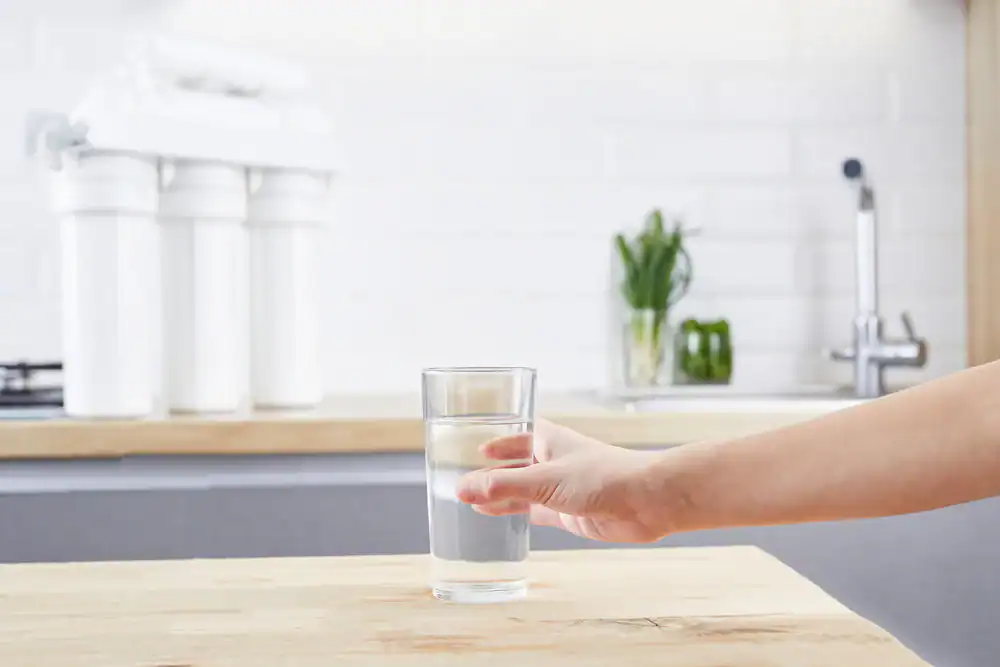
When your water softener is sized and installed correctly for your Pine Ridge home, the difference shows up fast. The orange iron staining on your sinks, toilets, and outdoor fixtures starts to disappear. The rotten-egg smell that hits you every time you turn on the shower — gone. Your appliances stop fighting a losing battle against mineral buildup, and your water heater stops working twice as hard just to get the job done.
Hard water forces your water heater to push heat through a layer of calcium and magnesium scale that builds up over time. That extra strain cuts efficiency by around 24% and shortens the life of the unit by years. For a home on 1 to 3 acres in Pine Ridge Estates — with multiple bathrooms, irrigation running across your property, and potentially a barn or horse troughs pulling from the same well — that damage accumulates faster than it would in a smaller suburban home.
The rolling limestone hills that make Pine Ridge look the way it does are the same geology that makes your well water hard. Soft water doesn’t change what’s outside. But inside your home, it protects every fixture, every appliance, and every pipe from the slow, steady damage that hard water causes when nothing is done about it.
We hold an A+ rating with the Better Business Bureau and have recorded zero consumer complaints. In an industry with a well-documented history of high-pressure sales tactics and post-sale abandonment, that record is verifiable, public, and genuinely rare. We’re also members of the National Water Quality Association — a credential that requires meeting real technical and ethical standards, not just paying a membership fee.
We serve North and Central Florida, including Citrus County and Pine Ridge, and we understand that well water here isn’t a simple hard water problem. It’s iron. It’s sulfur. It’s tannins. It’s a water chemistry that requires real analysis before anyone recommends anything. That’s exactly how every engagement starts — with a professional water test, not a sales pitch.
And when the job is done, we’re still your point of contact. We service what we sell. For Pine Ridge homeowners who aren’t surrounded by a dozen competing service providers, that ongoing commitment isn’t a nice-to-have. It’s the whole point.
It starts with a free professional water analysis — not test strips, not a quick visual check, but real laboratory-level testing that measures hardness, iron, sulfur, tannins, and other contaminants specific to your well. This step matters more in Citrus County than almost anywhere else, because the Floridan Aquifer delivers a combination of problems that a standard softener alone isn’t built to handle. If your water has high sulfur content and you install a salt-based softener without addressing it first, the sulfur will foul the resin bed and destroy the system from the inside.
Once the test results are in, we match the right system to your actual water profile and your home’s daily usage. A property in Pine Ridge Estates with multiple bathrooms, an irrigation system, and outdoor water needs has very different demands than a small suburban home. System sizing is calculated based on your real numbers — not a square footage estimate pulled from a general chart.
Installation is handled by our team — the same people who tested your water and recommended the system. After that, if anything needs attention — a service call, a salt refill check, a resin inspection — you call us. No third-party handoffs, no runaround. The system gets installed right, and the relationship doesn’t end at the door.

Ready to get started?
A salt-based ion exchange water softener works by passing your well water through a resin bed filled with sodium-charged beads. As the water moves through, the resin captures calcium and magnesium ions — the minerals responsible for hardness — and replaces them with sodium. What comes out the other side is genuinely soft water. The resin regenerates periodically using a salt brine solution stored in the brine tank, flushing the captured minerals out and recharging the resin for the next cycle.
For most Pine Ridge homes, that process is the foundation — but it’s rarely the whole picture. Because Citrus County well water commonly contains iron, sulfur, and tannins alongside hardness, a complete treatment plan is often a whole-house system that addresses all of it together. Iron filters protect the resin bed from fouling. Sulfur treatment handles the hydrogen sulfide gas that a softener alone cannot remove. The result is water that’s soft, clear, odor-free, and safe for every fixture and appliance in your home.
We recommend systems based on what your specific well water actually shows — not a package that fits a brochure. If you’re in Pine Ridge Estates, your property is likely on a private well drawing from the same limestone aquifer that supplies the entire region, and your treatment plan should reflect that. Military families and first responders in the area also qualify for a $500 discount on installation.

Most homes in Pine Ridge Estates are on private wells drawing from the Floridan Aquifer, which runs through a limestone formation that naturally dissolves calcium and magnesium into the groundwater. The result is water that typically exceeds 180 parts per million in hardness — a level classified as very hard by water quality standards. Municipal water systems remove some of that mineral load before it reaches the tap, but private well water in Pine Ridge arrives at your faucet with the full aquifer mineral content intact.
You may already be seeing the signs: white or chalky scale on your showerheads and faucets, orange staining in your toilets or sinks, spots on dishes coming out of the dishwasher, or laundry that feels stiff and looks dull after washing. Those aren’t cosmetic annoyances — they’re evidence that your plumbing, appliances, and fixtures are accumulating damage every day. A professional water test will confirm exactly how hard your water is and whether additional contaminants like iron or sulfur are present, which is the right starting point before any system is recommended.
That odor is hydrogen sulfide gas — a naturally occurring compound that dissolves into groundwater as it moves through the sulfur-bearing rock formations common in Citrus County’s geology. It’s one of the most frequent complaints among well water users in Pine Ridge and the surrounding area, and it’s a sign that your water chemistry needs to be addressed before any softener system is installed.
Here’s why that order matters: sulfur is a gas, not a mineral. A salt-based ion exchange softener is designed to remove calcium and magnesium through a resin bed, but it cannot capture dissolved gas. If high-sulfur water runs through a softener resin bed without prior treatment, it will foul the resin beads over time and degrade the system’s performance. The correct approach is to test your water for sulfur levels first, then design a treatment plan that addresses sulfur before it ever reaches the softener. Our testing protocol specifically checks for sulfur, iron, and tannins alongside hardness, so the system recommended for your home is built around your actual water — not a generic Florida template.
This is one of the most common misconceptions about water softeners. A properly functioning ion exchange softener does not make your water taste salty. The ion exchange process replaces calcium and magnesium with a very small amount of sodium — but the sodium level in properly softened water is well below the threshold where any saltiness is detectable. For context, a glass of softened water typically contains less sodium than a single slice of white bread.
What you will notice is that softened water feels different — smoother, lighter, and cleaner. Some people describe it as silkier. That sensation is simply the absence of dissolved minerals that were previously coating your mouth and affecting the taste. If you have concerns about sodium intake for health reasons, a reverse osmosis system installed at the kitchen tap can remove virtually all sodium from your drinking water, giving you the benefits of soft water throughout the house while keeping your drinking water completely mineral-balanced.
A standard salt-based water softener can handle low levels of dissolved iron — typically below 1 to 2 parts per million — but Citrus County well water often carries iron at levels that exceed what a softener resin bed is designed to manage on its own. When iron concentration is too high, it can foul the resin beads, reducing the softener’s effectiveness and shortening its lifespan.
The visible signs of iron in your water — orange or rust-colored staining on sinks, toilets, showerheads, outdoor concrete, and anything that gets regular well water exposure — are a reliable indicator that your iron levels need to be measured before a softener is installed. If your water test shows elevated iron, the right solution is typically an iron filter installed upstream of the softener. That combination protects the resin bed and eliminates the staining at the source. For Pine Ridge homeowners with horses, irrigation systems, or large outdoor water usage, iron staining on outdoor fixtures and troughs is often the first visible sign that the well water needs a comprehensive treatment plan, not just a basic softener.
The cost of a whole-house water softener installation in the Pine Ridge area typically ranges from around $1,500 to $3,500 for a standard softener system, depending on the size of your home, your daily water usage, and the hardness level measured in your well water test. Homes in Pine Ridge Estates tend to be larger and sit on bigger lots with higher daily water demand than the average Florida suburban home, which can affect the size — and therefore the cost — of the system that’s right for your property.
If your water test reveals iron, sulfur, or tannins alongside hardness — which is common in Citrus County — a comprehensive whole-house treatment system that addresses all of those issues together will be priced higher than a standalone softener. That additional investment is worth understanding in context: a water heater that fails early due to scale damage costs $1,200 to $2,800 to replace, and that’s one appliance. When you factor in dishwashers, washing machines, and plumbing repair over the life of a home, the cost of doing nothing adds up significantly faster than the cost of treating the water. Military families and first responders in Pine Ridge also qualify for a $500 discount, which brings the upfront number down meaningfully.
Please provide your email address so that we can stay in touch and answer any questions you have! We will be reaching back out shortly.
"*" indicates required fields