Reach Out Today
Please provide your email address so that we can stay in touch and answer any questions you have! We will be reaching back out shortly.

Hear from Our Customers
The first thing most Alhambra residents notice is the shower. Water actually rinses clean. Skin doesn’t feel tight and dry the way it did the day before. That’s not a small thing — it’s every single morning for the rest of the time you live in your home.
The bigger thing, though, is what you stop paying for. Homes in Alhambra were built in the late 1990s, which means the pipes, water heater, and appliances in many of these Patio Villas have been absorbing Sumter County’s mineral-heavy water for more than 25 years. Scale builds silently inside heating elements and supply lines, cutting appliance lifespan by years and forcing your water heater to burn more energy just to keep up. A water heater that should last a decade routinely fails in six or seven years on untreated Florida hard water — that’s a $1,200 to $2,800 replacement you didn’t plan for.
Soft water also means your dishwasher actually cleans dishes instead of leaving white film on every glass. Your washing machine rinses detergent out instead of fighting against mineral interference. You use less soap, less shampoo, less cleaning product across the board. Those savings add up quietly, month after month, in a way that a one-time fix rarely does.
Quality Safe Water is based in Leesburg — Lake County, directly next door to Sumter County where Alhambra sits — which means we’re not routing your service call through a national call center three states away. We know the Floridan Aquifer. We know what Sumter County water does to an Alhambra home over time. And we’re close enough to actually show up when something needs attention.
Our A+ BBB rating with zero complaints and a 5-star review average isn’t something we mention in passing. In an industry where Florida homeowners have real, documented reasons to be skeptical — high-pressure sales visits, inflated quotes, companies that vanish after installation — a clean record like that is genuinely rare. We’re also members of the National Water Quality Association, which means we hold ourselves to standards most companies in this market simply ignore.
We service what we sell. That’s not a tagline. It’s the reason customers in Alhambra call us back when their neighbor asks for a recommendation.
Before we recommend anything, we test your water. Not a quick test-strip pass that tells you almost nothing — a real professional water analysis that measures your actual hardness level, iron content, chlorine, and other contaminants specific to the Villages of Lake-Sumter water supply. The water coming into your Alhambra home from the Little Sumter Service Area has been documented to range from 7 to over 25 grains per gallon of hardness. Where your home falls in that range matters, because it directly determines what size system you actually need.
Once we have your water data, we size the system to your home and your household. A two-person Patio Villa on Buena Vista Boulevard uses water differently than a larger ranch-style home, and an undersized softener won’t fully treat Sumter County’s mineral load. An oversized one wastes salt and money on unnecessary regeneration cycles. We calculate the right fit — then we install it cleanly, connect it properly to your supply line, and make sure the brine tank, resin bed, and regeneration schedule are all set correctly before we leave.
After installation, the system runs automatically. You add salt to the brine tank when it runs low — that’s the extent of your regular involvement. If anything ever needs attention, you call us. Not a third party. Not a national hotline. Us.

Ready to get started?
A salt-based ion exchange water softener works by passing your home’s water through a tank of resin beads. Those beads carry a charge that attracts and holds calcium and magnesium ions — the minerals responsible for hard water — and releases sodium ions in their place. What comes out the other side is genuinely soft water: no scale, no mineral deposits, no white crust forming on your showerhead or faucet handles near the El Santiago golf course side of the neighborhood or anywhere else in your home.
The resin bed regenerates on an automatic schedule, flushing the captured minerals out through the drain and recharging with fresh sodium from the brine tank. Over time, resin can degrade and may need replacement — typically after 10 to 15 years depending on your water quality and usage. Because the Villages of Lake-Sumter water system has been flagged for high hardness levels, resin in this area works harder than in regions with softer source water, and staying on top of system maintenance matters more here than it would in a lower-hardness environment.
Every installation we complete includes a professional water analysis, correct system sizing for your specific home and household usage, full installation with proper bypass valve and drain connection, and a clear walkthrough of how to maintain your system going forward. Military families and first responders in Alhambra receive $500 off — and that discount is real, not a rounding error on an inflated quote.

The water serving Alhambra comes from the Floridan Aquifer, a massive limestone reservoir beneath Central Florida that naturally dissolves calcium and magnesium into every gallon before it reaches your tap. The Villages municipal water system has documented hardness levels ranging from 7 to over 25 grains per gallon depending on location and season — a range that spans from hard to extremely hard on the standard scale. Florida’s statewide average sits at 216 parts per million, which is already classified as extremely hard, and Sumter County water frequently runs at the higher end of that range.
Whether it matters depends on what you’re willing to replace. Hard water at those levels leaves scale inside water heaters, dishwashers, and washing machines. It reduces appliance efficiency and lifespan. It leaves white film on glass, clogs showerheads, and dries out skin. For a home in Alhambra that was built in the late 1990s and has never had a softener, 25-plus years of that mineral load has already accumulated somewhere in your plumbing. A professional water test will show you exactly where your home stands — and that’s always the right place to start.
Yes — and the research on this is straightforward. Scale buildup on a water heater’s heating element forces it to work harder to reach the same temperature, reducing energy efficiency by up to 24 percent and shortening the unit’s lifespan significantly. A water heater that should last 10 to 12 years commonly fails at 6 to 8 years in a home with untreated hard water. At $1,200 to $2,800 for replacement, that’s a cost a water softener would have prevented — often several times over during the life of the system.
The same principle applies to dishwashers, washing machines, and any other appliance that heats or circulates water. Soft water lets these machines run the way they were designed to run. For Alhambra homeowners on a fixed income who are watching aging appliances carefully, that’s not a minor benefit — it’s the core financial argument for investing in a softener now rather than after the next appliance fails ahead of schedule.
This is one of the most common questions we get, and it’s a fair one. When a salt-based ion exchange softener removes calcium and magnesium from your water, it replaces them with a small amount of sodium. The actual sodium content in softened water varies depending on your incoming hardness level — harder source water means slightly more sodium added. For Sumter County water at the higher end of the hardness range, the sodium contribution is measurable but still well below the FDA’s threshold for a “low sodium” beverage.
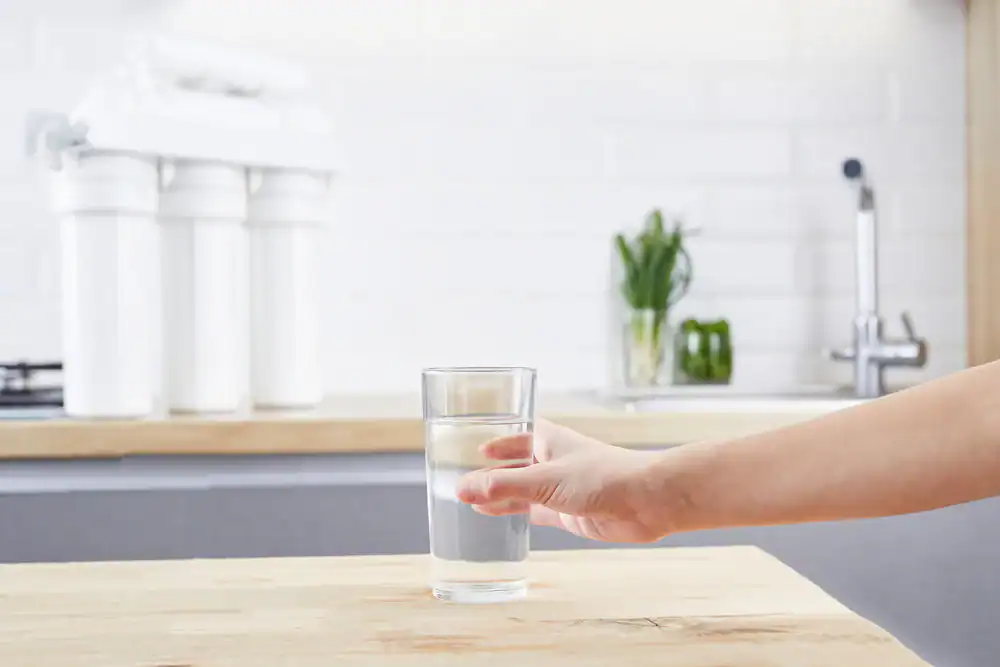
That said, if you’re on a sodium-restricted diet for heart or kidney reasons, it’s worth having a conversation with your doctor. Many Alhambra residents who have softeners also install a reverse osmosis drinking water system at the kitchen tap — RO removes the sodium along with other dissolved solids, so you get soft water throughout the house and clean, mineral-free drinking water at the sink. It’s a combination that addresses both the appliance protection side and the drinking water side in one setup.
How often you add salt depends on your household’s water usage and your incoming hardness level. For a two-person household in an Alhambra Patio Villa, most properly sized softeners need salt added every four to eight weeks. A 40-pound bag of softener salt typically costs $6 to $12 at a local retailer — Publix and other stores accessible by golf cart from most Alhambra addresses carry it regularly. Annual salt costs for a typical household in this area usually run between $75 and $150, which is a fraction of what hard water costs in appliance wear and cleaning products over the same period.
Beyond salt, a well-installed system needs very little from you. The resin bed can last 10 to 15 years before it may need replacement, and the brine tank should be cleaned out every couple of years to prevent salt bridges or mushing — a buildup issue that can reduce the system’s effectiveness. We handle all of this when it comes up. You don’t need to figure it out yourself or track down a third-party technician who’s never seen your system before.
A salt-based softener using ion exchange actually removes calcium and magnesium from your water. Those minerals are captured by the resin bed and flushed out during regeneration — they’re gone. What comes out of your tap is genuinely soft water with a measurably lower mineral content. Salt-free conditioners, sometimes marketed as “water conditioners” or “descalers,” don’t remove minerals. They alter the form of the minerals so they’re less likely to stick to surfaces — but the minerals are still in your water, and the protection is less comprehensive.
For Sumter County’s documented hardness levels — which can exceed 25 grains per gallon — a salt-free system often isn’t enough to fully protect appliances and fixtures. If you’ve seen significant scale buildup on your faucets or showerheads in your Alhambra home, that’s a signal that the mineral load in your water is high enough that only true ion exchange removal will get the job done. We’ll test your water first and give you an honest read on which approach actually fits your situation — not whichever one costs more.
Please provide your email address so that we can stay in touch and answer any questions you have! We will be reaching back out shortly.
"*" indicates required fields