Reach Out Today
Please provide your email address so that we can stay in touch and answer any questions you have! We will be reaching back out shortly.

Hear from Our Customers
If you’ve lived in St. Charles for a few years, you’ve probably already seen it. White crust around the faucet. Spots on the glassware after the dishwasher runs. A faint chlorine smell when you turn on the shower. That’s the Floridan Aquifer doing what it does, and it doesn’t stop at the fixtures. It works its way into your water heater, your washing machine, your pipes. Homes in St. Charles were built between 2005 and 2010, which means the plumbing is old enough now that hard water damage is showing up in real, expensive ways.
A properly designed whole-house filtration system removes the hardness minerals, the chlorine, and the disinfection byproducts before they ever reach your appliances or your glass. Your water heater runs more efficiently. Your laundry comes out softer. Your skin doesn’t feel stripped after a shower. And you’re not buying cases of bottled water every week to avoid drinking from the tap.
For a home carrying a value north of $500,000 in a community like The Villages, protecting your plumbing and appliances isn’t a luxury decision. It’s the same logic as maintaining the roof or servicing the HVAC — you protect what you’ve built, and you do it before the damage gets expensive.
We’ve been treating Central Florida water for more than 50 years, headquartered in Leesburg — Lake County, right next to Sumter County where St. Charles sits. That proximity matters. We know what Floridan Aquifer water looks like in this specific corridor. We know how it behaves seasonally, what it does to appliances in homes like yours, and what it takes to actually fix it — not just mask it.
We hold an A-rating with the Better Business Bureau with a 5-star record and zero complaints filed. We’re members of the National Water Quality Association, which means we’ve passed the exams and agreed to the code of ethics that most companies in this industry never bother with. And unlike a lot of water treatment companies that install a system and go quiet, we service what we sell — and we’ll service other brands too, if you’ve been left without support.
If you or your spouse served, we offer a $500 discount for military personnel and first responders. That’s not a footnote — it’s a real number, and it reflects where we stand.
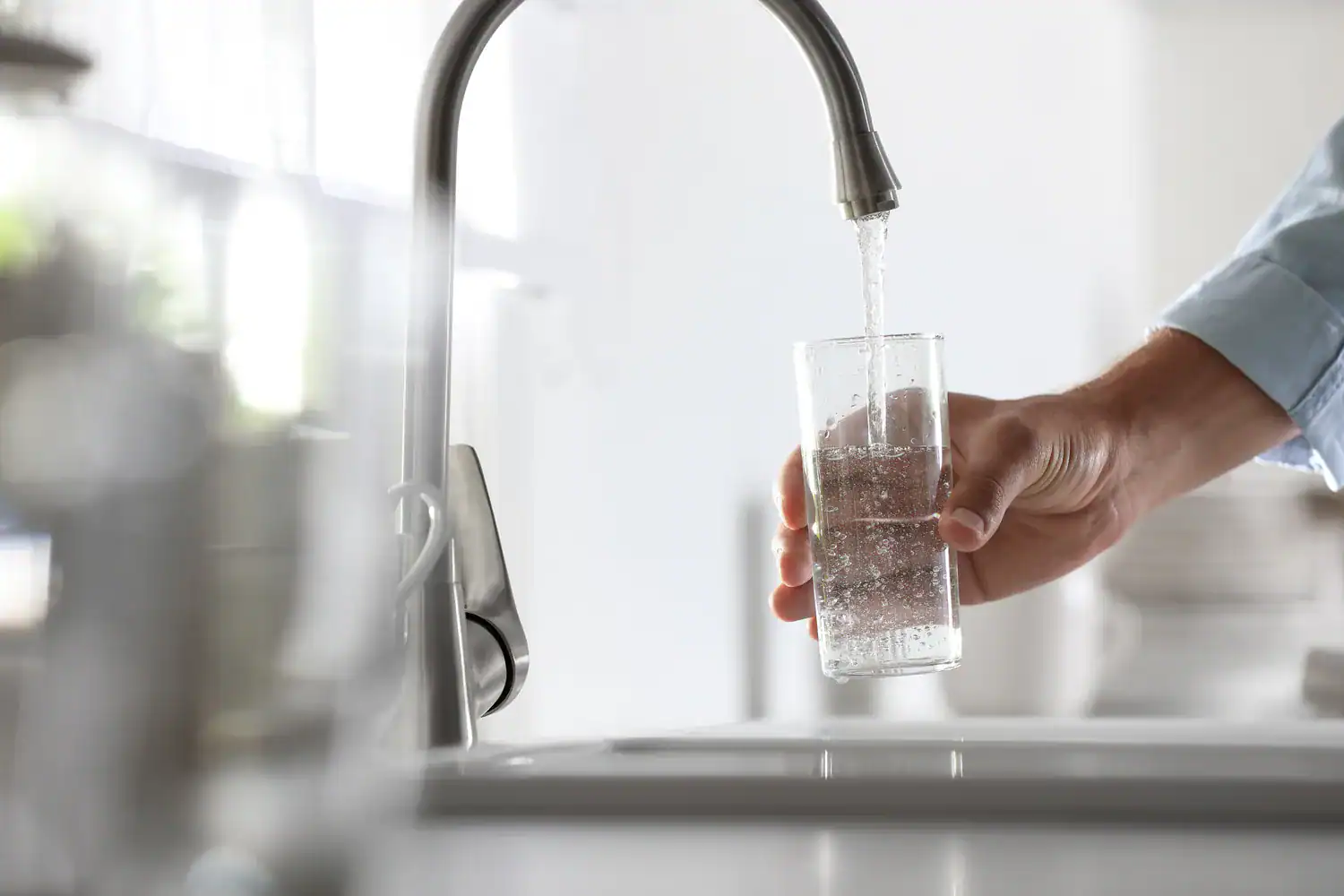
It starts with a free water analysis — a real one. Not a theatrical demonstration designed to make your water look dangerous so you’ll sign something that day. We test your specific water for hardness, iron, pH, total dissolved solids, and the contaminants that are actually relevant to Sumter County’s aquifer-sourced supply. The EWG database for the Villages of Lake-Sumter water treatment plants confirms haloacetic acids — chlorine disinfection byproducts — are present in the local water supply. That test tells us exactly what you’re dealing with before any recommendation is made.
Once the analysis is complete, we design a system around your actual water and your home — not a package pulled off a shelf. Whole-house filtration, reverse osmosis for drinking water, water softening, UV purification — whatever combination your water and your household genuinely need. Because St. Charles homes vary in size from around 1,100 to over 3,000 square feet, the right system for a Patio Villa is different from the right system for a larger Designer Home.
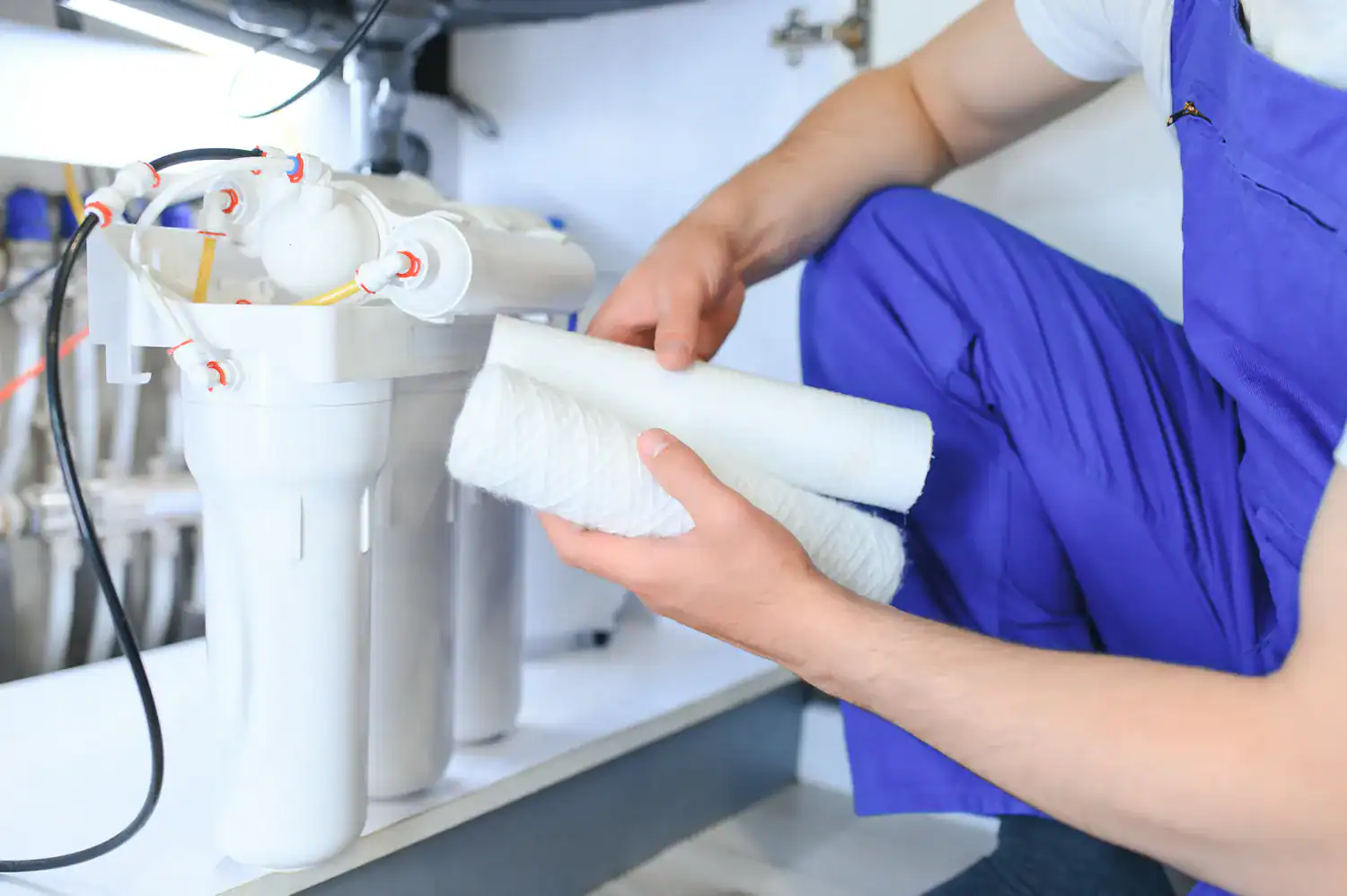
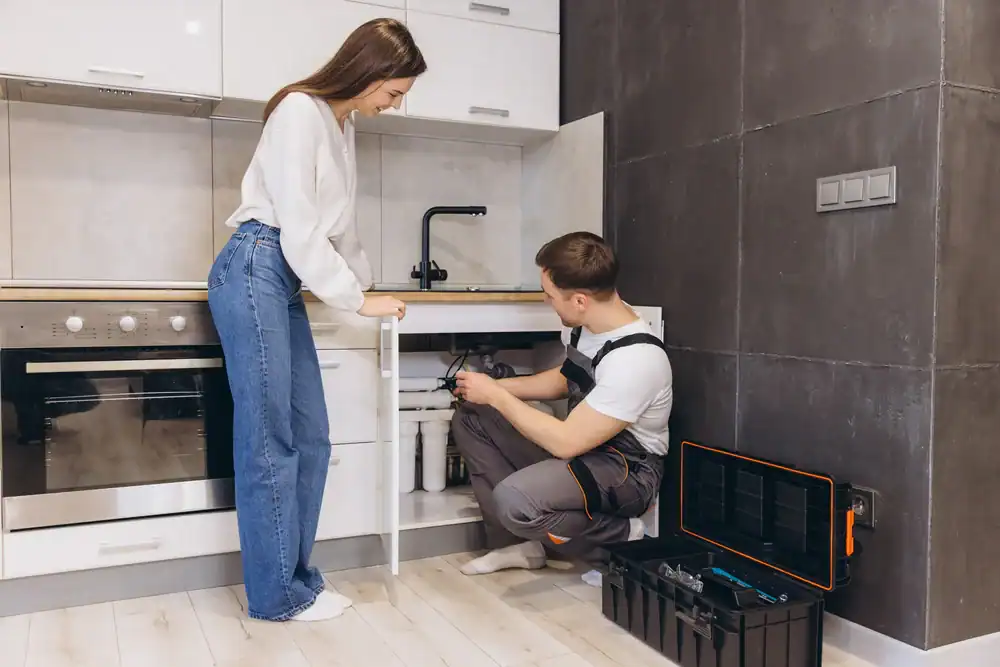
Installation is handled by our licensed, experienced technicians who understand the permitting requirements that come with working inside a CDD-governed community like The Villages. After the system is in, we don’t disappear. Maintenance, filter changes, and ongoing service are part of the relationship — not an afterthought.
Ready to get started?
The water coming into your St. Charles home from South Sumter Utility or Central Sumter Utility is aquifer-sourced, chlorine-treated, and consistently hard — typically in the 100 to 300 PPM range. That combination creates two separate problems: scale buildup from the mineral load and chemical exposure from the disinfection process. A single filter under the sink doesn’t address both. A whole-house system does.
For most St. Charles homeowners, the right solution involves a whole-house activated carbon filtration system to handle chlorine and its byproducts at the point of entry, paired with a water softener or salt-free conditioner to address hardness. For drinking water specifically, a reverse osmosis system at the kitchen sink removes dissolved solids down to the parts-per-billion level — including PFAS compounds, which have been detected across the Floridan Aquifer system and in 63% of Florida spring vent samples tested. Reverse osmosis is currently the most effective residential technology for PFAS removal, pulling out 95 to 99 percent of dissolved solids.
If you’re on a well rather than municipal supply — more common in the surrounding Sumter County areas outside The Villages — sediment removal and bacterial treatment become part of the conversation too. Every system we install uses NSF-certified components, and every recommendation starts with what your water test actually shows — not with what generates the highest margin.
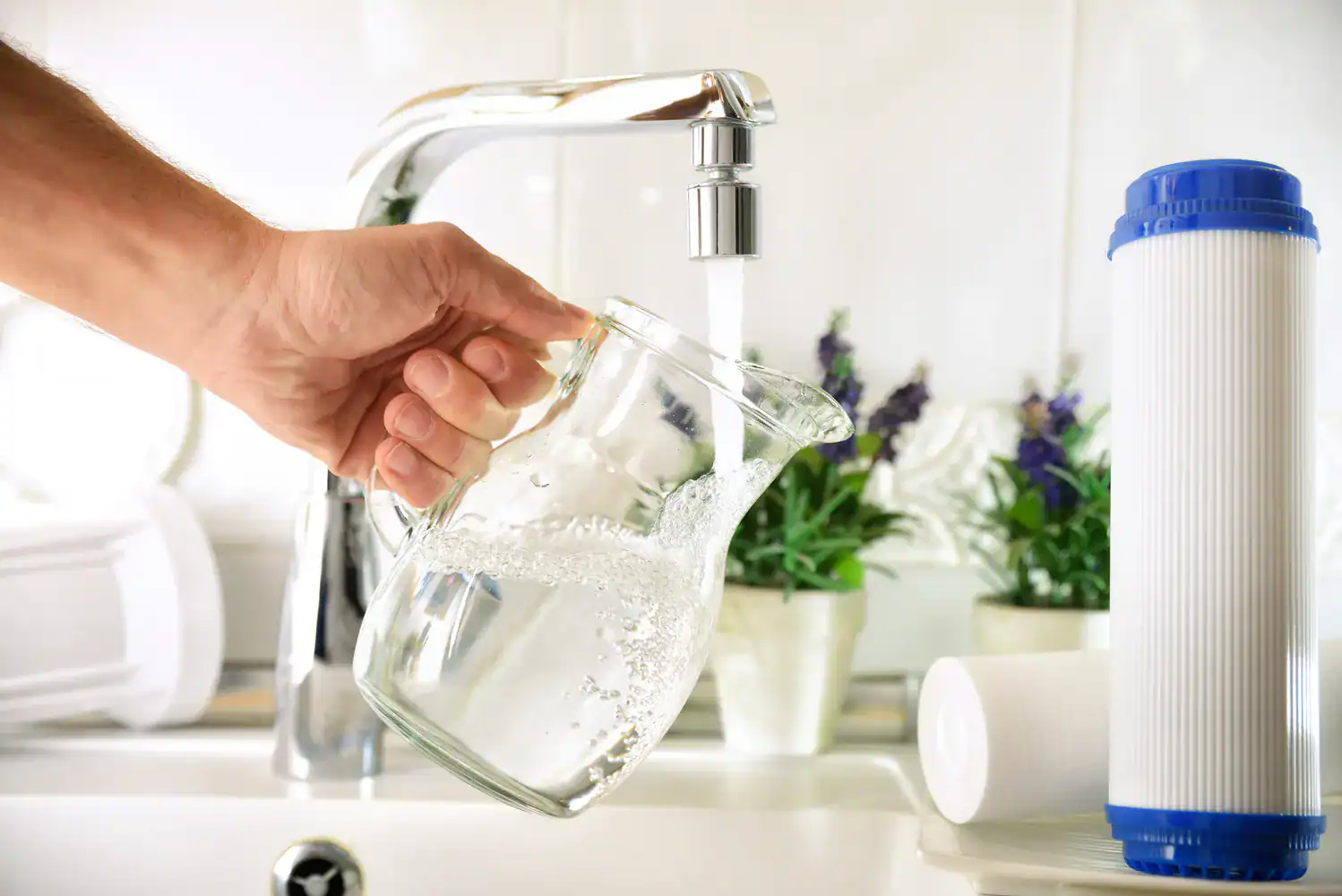
Technically, yes — The Villages’ water utilities meet federal Safe Drinking Water Act standards. But meeting legal minimums and delivering water that’s genuinely good for your health are two different things. The EWG tap water database for the Villages of Lake-Sumter water treatment plants confirms the presence of haloacetic acids, which are disinfection byproducts formed when chlorine reacts with organic material in the water supply. These compounds are associated with increased health risks at levels that are still within legal limits.
Beyond the chemistry, the water in St. Charles is drawn from the Floridan Aquifer and is consistently hard — meaning it carries elevated calcium and magnesium that won’t harm you directly but will quietly damage your appliances and plumbing over time. Most St. Charles residents who’ve been in their homes for several years have already noticed the signs. The water is legal. Whether it’s good enough for your home and your health is a different question — and one worth getting a real answer to.
Hard water leaves calcium and magnesium deposits — called scale — wherever water flows and evaporates. Inside your pipes, that buildup gradually narrows the flow. Inside your water heater, it forms an insulating layer that forces the unit to work harder and shortens its lifespan significantly. Dishwashers, washing machines, and showerheads all take the same kind of hit over time.
In St. Charles, where homes were built between 2005 and 2010, the plumbing and appliances are now 15 to 20 years old — exactly the range where hard water damage becomes visible and expensive. If you’ve replaced a water heater or a dishwasher in the last few years, hard water was likely a contributing factor. A water softener or whole-house conditioning system stops that cycle. It won’t reverse damage that’s already done, but it protects everything downstream from the point of installation forward.
Reverse osmosis — RO — forces water through a semi-permeable membrane that filters out dissolved solids at a molecular level. It removes 95 to 99 percent of what’s dissolved in your water, including heavy metals, nitrates, PFAS compounds, and the disinfection byproducts that chlorine treatment produces. It’s the most thorough drinking water filtration technology available for residential use, and it’s typically installed at the kitchen sink for drinking and cooking water.
Whether you need it depends on what’s in your water. In the St. Charles area, PFAS is a real concern — the compounds have been detected across the Floridan Aquifer system and in 63% of Florida spring vent samples analyzed. PFAS doesn’t boil off, doesn’t break down, and accumulates in the body over time. If you’ve been drinking tap water or using a basic pitcher filter, an RO system is worth a serious look. A water analysis will tell you exactly what’s present in your supply before any recommendation is made.
This is the right question to ask, because the water treatment industry has a real problem with deceptive practices. The Florida Attorney General’s office has issued consumer warnings specifically about water treatment companies — including a 2021 enforcement action against a company selling systems using fraudulent health claims at prices between $6,700 and $9,700. The AG’s own guidance recommends checking a company’s BBB record before hiring anyone.
A few things to look for: a current BBB rating with no complaints on record, membership in the National Water Quality Association (which requires passing a professional exam and agreeing to a code of ethics), and a clear commitment to post-sale service. The Villages has a tight community culture — word travels fast about companies that disappear after installation. Ask specifically whether the company will service your system after the sale, and whether they’ll service it if you move into a home with a system they didn’t install. The answers to those two questions tell you a lot about how a company actually operates.
A well-installed whole-house system with proper maintenance typically lasts 10 to 20 years, depending on the type of system and the water conditions it’s treating. In Central Florida, the Floridan Aquifer’s high mineral content puts more demand on filtration media and softener resin than you’d see in areas with softer water — so regular maintenance isn’t optional, it’s what determines whether a system performs for 10 years or 20.
Filter media needs to be replaced on a schedule that matches your water usage and the specific contaminant load in your supply. Softener salt needs to be replenished. RO membranes typically need replacement every two to three years depending on usage. The companies that skip post-sale service — and there are plenty of them serving The Villages area — leave homeowners with systems that degrade quietly without anyone catching it. Annual service visits catch those issues before they become failures.
Please provide your email address so that we can stay in touch and answer any questions you have! We will be reaching back out shortly.
"*" indicates required fields