Reach Out Today
Please provide your email address so that we can stay in touch and answer any questions you have! We will be reaching back out shortly.


Hear from Our Customers
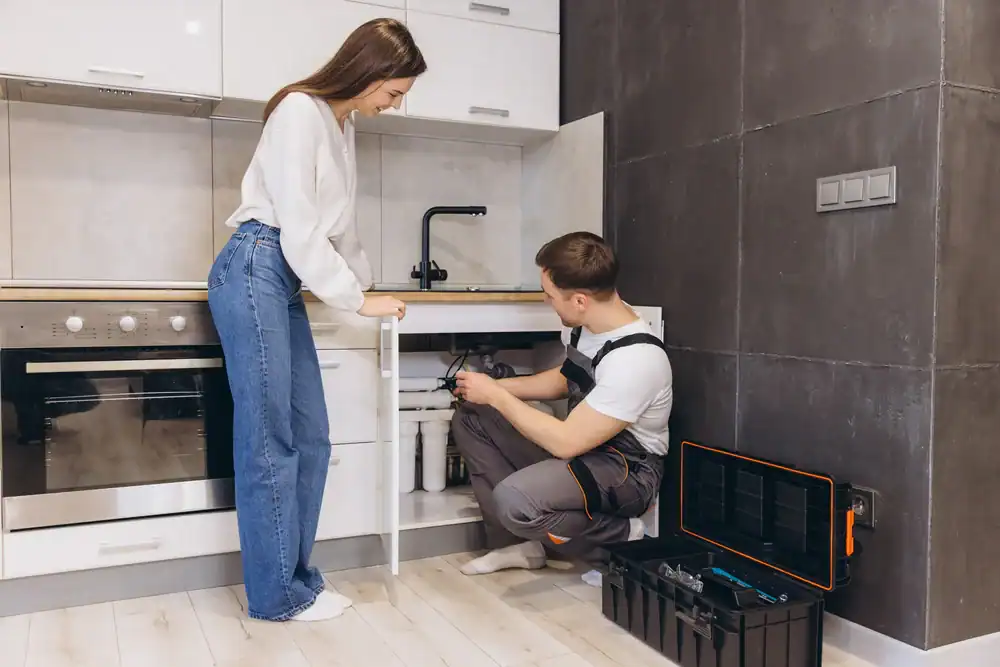
Polo Ridge homes were built between 1999 and 2002. That means more than two decades of hard Floridan Aquifer water — consistently above 180 PPM in mineral content — running through your pipes, your water heater, your dishwasher, and your washing machine. You may not see it happening, but the scale buildup, the appliance wear, and the film on your fixtures are all evidence of what untreated water does over time. For a home worth $375,000 or more, that’s not a small thing.
Then there’s what you’re actually drinking. The Environmental Working Group flags the Villages of Lake-Sumter water system for total trihalomethanes, haloacetic acids, radium, and arsenic — all at levels that exceed EWG health guidelines, even when they technically meet federal legal limits. Those federal limits haven’t been updated in nearly 20 years. “Legally compliant” and “genuinely safe” are not always the same thing, and for residents actively managing their long-term health, that distinction matters.
A properly designed whole-house water filtration system changes the daily experience inside your home. Water that tastes clean. Fixtures that stay cleaner longer. Appliances that last. Skin and hair that don’t feel stripped after a shower. And the peace of mind that comes from knowing what’s in your water — and what isn’t.
We’re headquartered in Leesburg — about 20 miles from Polo Ridge. That proximity matters because we’re not a national company routing your call through a call center. We’re a local team that has been treating Floridan Aquifer water in Sumter, Lake, and surrounding counties for more than 50 years. We know exactly what the aquifer delivers to Polo Ridge homes and throughout this region, and we know precisely what it takes to treat it.
We hold a BBB A-rating with a 5-star score and zero complaints — a record that stands out sharply in an industry the Florida Attorney General’s office has had to actively police for deceptive sales practices. We’re also members of the National Water Quality Association, which requires passing a professional exam and agreeing to a formal code of ethics. That’s not a marketing claim — it’s a verifiable standard most competitors in The Villages area don’t publicly meet.
Every system we recommend starts with a real, laboratory-grade water analysis. Not the theatrical chemical-drop demonstration some companies use to make any water look dangerous — an actual test that tells you what’s in your water before we suggest a single product.
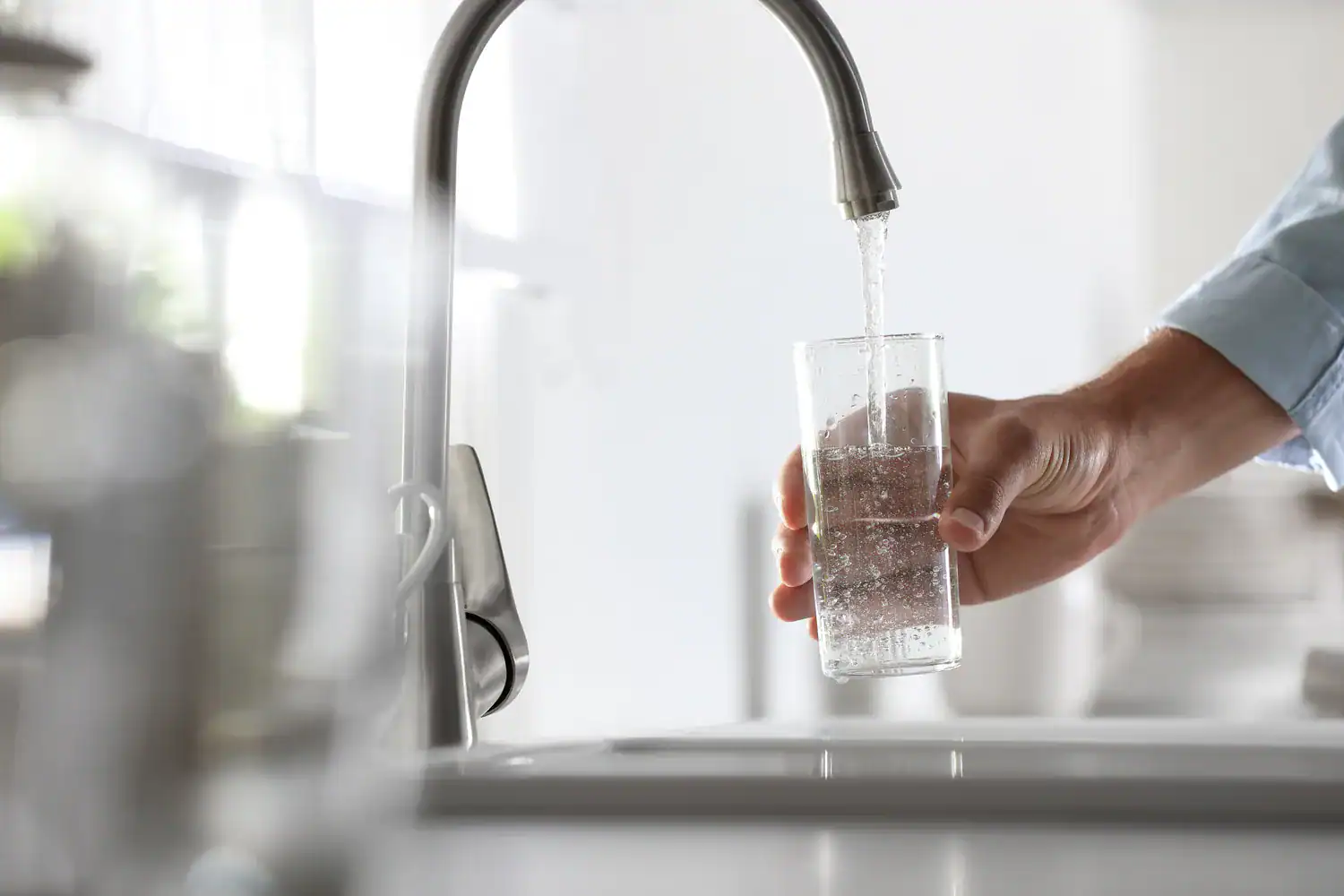
It starts with a free water analysis. A technician comes to your Polo Ridge home, collects a sample, and sends it to a certified lab. The results show your actual water chemistry — hardness levels, disinfection byproducts, mineral content, and anything else relevant to your specific address. In Sumter County, that typically means elevated hardness from the Floridan Aquifer, plus trihalomethanes and other disinfection byproducts that form when chlorine reacts with organic matter during treatment. Knowing your numbers is the only honest starting point.
From there, we design a system around your household — not a catalog. The size of your home, your daily water usage, and the specific contaminants found in your test all factor into what we recommend. We install NSF-certified components and WQA-certified TAC media, meaning the equipment has been independently tested to do what it claims. No guesswork, no oversizing to inflate a price.
Installation is handled by our own licensed technicians, not subcontractors. Once your system is in, we walk you through how it works, what to watch for, and what ongoing maintenance looks like. And if something ever needs attention down the road, we service what we install — and we service other brands too. That last part matters more than most people realize until they need it.
Ready to get started?
The core of what we offer is whole-house water purification — a system that treats every drop entering your home before it reaches any tap, shower, or appliance. For Polo Ridge residents, that typically means addressing two distinct problems: hardness from the Floridan Aquifer and chemical contaminants introduced during municipal treatment. A whole-house system handles both, rather than leaving your pipes and appliances exposed while only filtering the kitchen tap.
For drinking water specifically, a reverse osmosis system installed under the kitchen sink adds a final layer of filtration that removes what whole-house systems aren’t designed to catch — including trihalomethanes, radium, arsenic, and nitrates flagged in the local EWG water data. Reverse osmosis is also the most effective technology available for removing PFAS compounds, which affect nearly 9 million Florida residents. If your household goes through bottled water because you don’t trust the tap, an under-sink RO system typically eliminates that habit entirely — and pays for itself faster than most people expect.
Beyond installation, we also offer salt-free water treatment, UV purification for bacterial concerns, well water filtration for any Sumter County properties on private wells, and ongoing maintenance for all major brands. If you’re already living with a system another company installed and stopped servicing, we can step in there too. Military veterans and first responders receive a $500 discount — a meaningful number in a community where that background is common and respected.
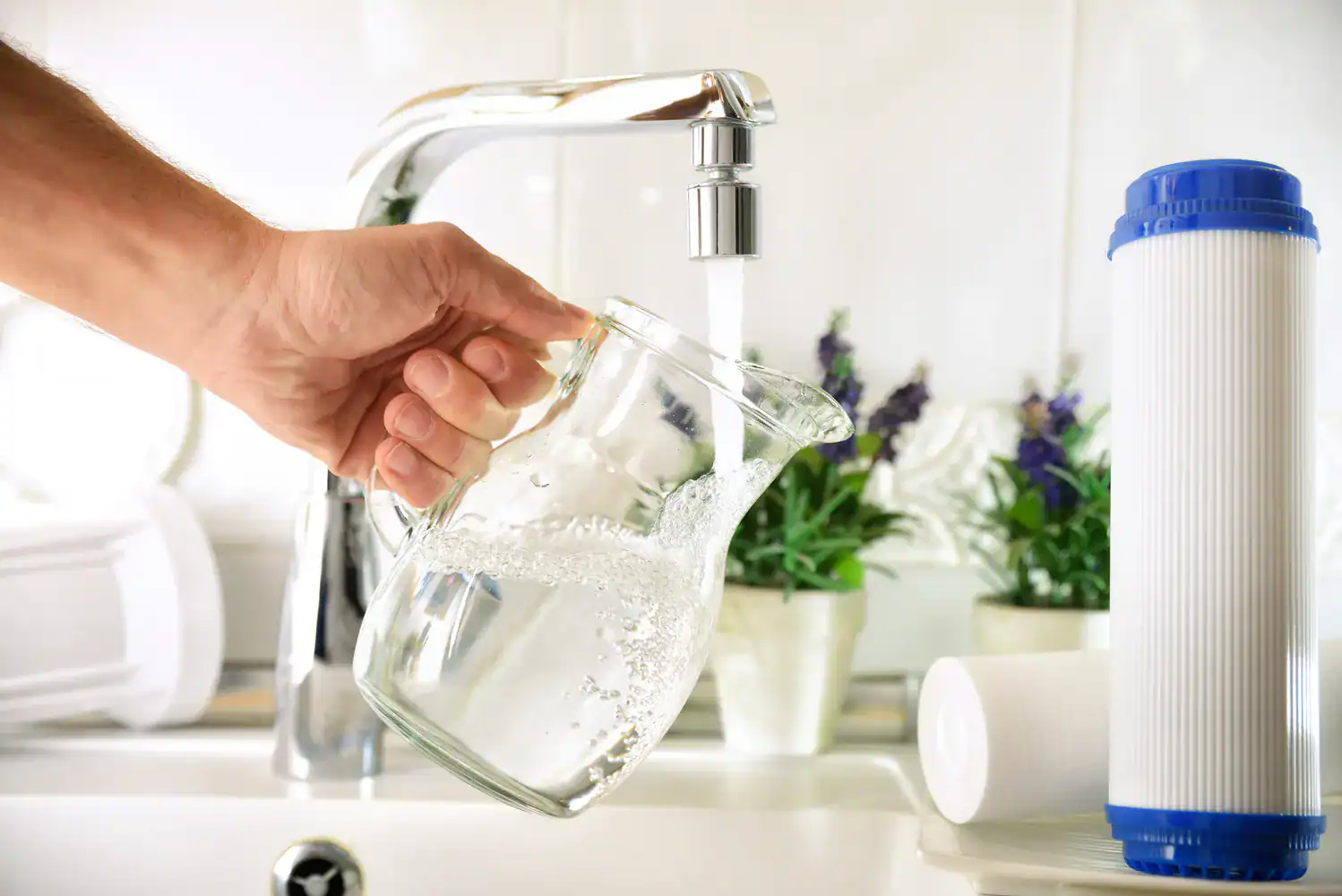
Technically, yes — the Villages of Lake-Sumter utility system meets federal Safe Drinking Water Act standards. But “meets federal standards” and “safe by current health science” aren’t the same thing. The Environmental Working Group’s Tap Water Database flags this water system for total trihalomethanes, haloacetic acids, radium-226, radium-228, and arsenic — all at levels that exceed EWG health guidelines, even though they fall within the legal limits the utility is required to meet. The federal legal limits for many of these contaminants haven’t been updated in close to 20 years.
For most healthy adults, short-term exposure at these levels isn’t an acute risk. But for residents managing chronic health conditions, taking medications, or simply prioritizing long-term health — which describes a significant portion of Polo Ridge’s retired population — drinking water that exceeds current health science benchmarks is worth taking seriously. A whole-house filtration system combined with a reverse osmosis drinking water filter is the most comprehensive way to address what’s been documented in local water testing.
The water in Polo Ridge comes from the Floridan Aquifer — a massive underground limestone formation that supplies water to most of Central Florida. As water moves through limestone, it picks up calcium and magnesium, which is what makes water “hard.” The average water hardness in Florida is 216 PPM, and water drawn directly from the Floridan Aquifer in the Sumter County area commonly exceeds 180 PPM. Some areas reach significantly higher levels depending on the specific well source.
For your Polo Ridge home, hard water isn’t just a taste or aesthetic issue. It leaves scale deposits inside your water heater, reducing its efficiency and shortening its lifespan. It clogs showerheads and aerators over time, etches glass shower doors, stains toilets and sinks, and reduces the effectiveness of soaps and detergents. In a Polo Ridge home that’s been occupied since the early 2000s, that’s more than 20 years of mineral accumulation working against your plumbing and appliances. A water softener or salt-free treatment system stops that process and, in many cases, helps reverse some of the existing buildup.
A whole-house water filtration system connects to your main water line where it enters your home, so every tap, shower, toilet, and appliance receives treated water — not just the kitchen sink. Depending on what’s in your water, a whole-house system might include a sediment filter to remove particles, an activated carbon filter to address chlorine taste, odor, and disinfection byproducts like trihalomethanes, and a water softener or salt-free conditioner to handle mineral hardness.
Whether you need one depends on what’s actually in your water — which is why a real water test matters before we recommend a system. That said, for Polo Ridge homeowners specifically, the combination of Floridan Aquifer hardness and the disinfection byproducts documented in the local utility’s water makes a whole-house system a reasonable investment for most households. If you’re spending money on bottled water, noticing scale on your fixtures, or dealing with dry skin and hair after showering, those are practical signals that your current water quality is affecting your daily life.
A standard activated carbon whole-house filter is excellent at removing chlorine, chloramines, and many organic compounds — including some trihalomethanes. But it has limits. Reverse osmosis uses a semi-permeable membrane to filter water at the molecular level, which allows it to remove contaminants that carbon filtration alone can’t reliably capture. That includes radium-226 and radium-228 (naturally occurring radioactive elements from the Floridan Aquifer), arsenic, nitrates, PFAS compounds, and a broader range of heavy metals and dissolved solids.
For Polo Ridge residents, reverse osmosis is particularly relevant because the EWG has flagged radium and arsenic in the local water system — both of which are naturally occurring in Floridan Aquifer water and both of which require more than basic carbon filtration to address effectively. An under-sink RO system at the kitchen tap is the most practical and cost-effective way to ensure that your drinking and cooking water is filtered to the highest standard, while your whole-house system handles the hardness and chemical exposure throughout the rest of your home.
The honest answer is that it depends on what your water actually needs — which is why a water test comes before any price conversation. That said, a whole-house water softener alone typically runs in the $1,500 to $3,000 range installed, depending on the size of your home and the severity of your hardness levels. A whole-house filtration and softening combination — which is what most Polo Ridge homes benefit from given the documented hardness and disinfection byproduct concerns — generally falls in the $2,500 to $5,000 range. Adding an under-sink reverse osmosis system for drinking water typically adds $400 to $800 to that investment.
Those numbers sound significant until you factor in what untreated water costs over time: premature water heater replacement (a unit that should last 12 to 15 years may fail in 6 to 8 years with heavy scale buildup), ongoing bottled water expenses that can run $50 to $100 per month for a household that doesn’t trust the tap, and the cumulative cost of appliance inefficiency. For a home in the $375,000 range, a properly sized water treatment system is a reasonable protective investment — not a luxury add-on.
Please provide your email address so that we can stay in touch and answer any questions you have! We will be reaching back out shortly.
"*" indicates required fields