Reach Out Today
Please provide your email address so that we can stay in touch and answer any questions you have! We will be reaching back out shortly.


Hear from Our Customers
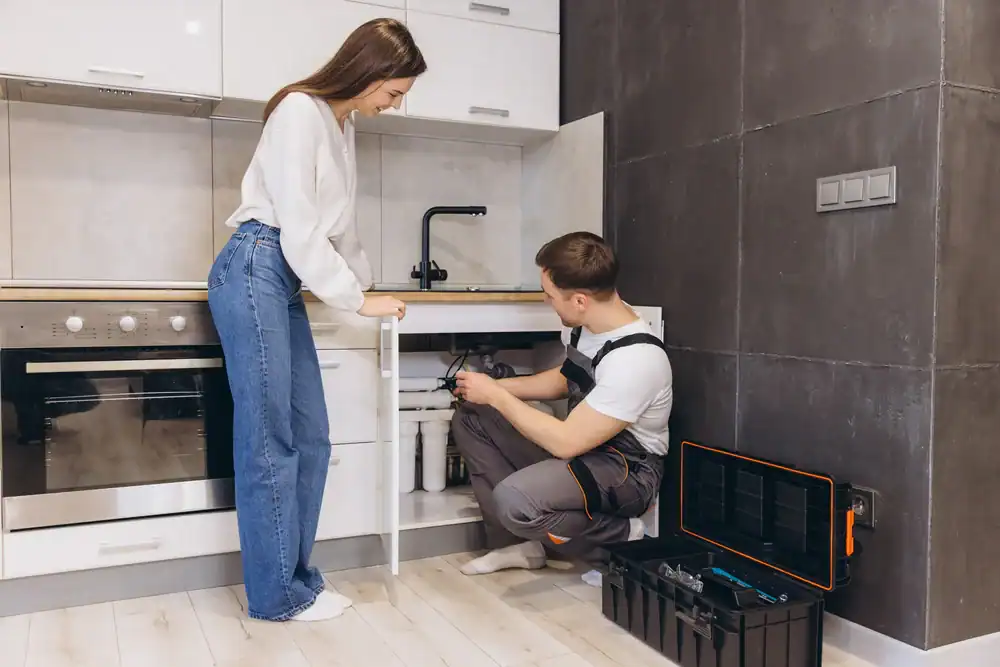
The water coming into your Mira Mesa home runs through the Floridan Aquifer — and it brings calcium, magnesium, and chlorine disinfection byproducts along with it. That combination is what leaves scale on your shower glass, spots on your dishes, and a chemical taste in your morning coffee. It’s also what’s quietly wearing down your water heater, dishwasher, and any other appliance that touches your water every day.
A whole-house water filtration system changes that across every tap, every fixture, and every appliance in your home. You’re not just improving the taste of your drinking water — you’re removing the hard mineral load that shortens appliance life and the trihalomethanes that form when chlorine reacts with organic matter in Florida groundwater. The Environmental Working Group has documented both in the Village Center Service Area’s water systems.
For residents in a Mira Mesa home that may have been built in 1993 or shortly after, there’s another layer worth considering: any original treatment equipment installed at construction is now thirty-plus years old. Filter media, membranes, and softening resin all have service lives that expired years ago. If you moved into your home with an existing system and no one has tested it since, you may not be getting the protection you think you are.
We’re headquartered in Leesburg — the Lake County seat, just a short drive from Mira Mesa and the surrounding Villages area. We’ve been installing and servicing water treatment systems across Central Florida for over fifty years, which means we know the Floridan Aquifer, we know the Village Center Service Area’s water chemistry, and we know what hard Florida groundwater does to a home’s plumbing over three decades.
Our BBB record is A-rated with a 5-star standing and zero complaints — which matters in an industry the Florida Attorney General has specifically flagged for deceptive sales practices. We’re also members of the National Water Quality Association, meaning our technicians are held to a professional code of ethics and our systems use NSF-certified components. That’s not common among the companies serving the Mira Mesa and greater Villages market.
We service what we install. And if you have a system from another company that’s been left without support, we’ll service that too.
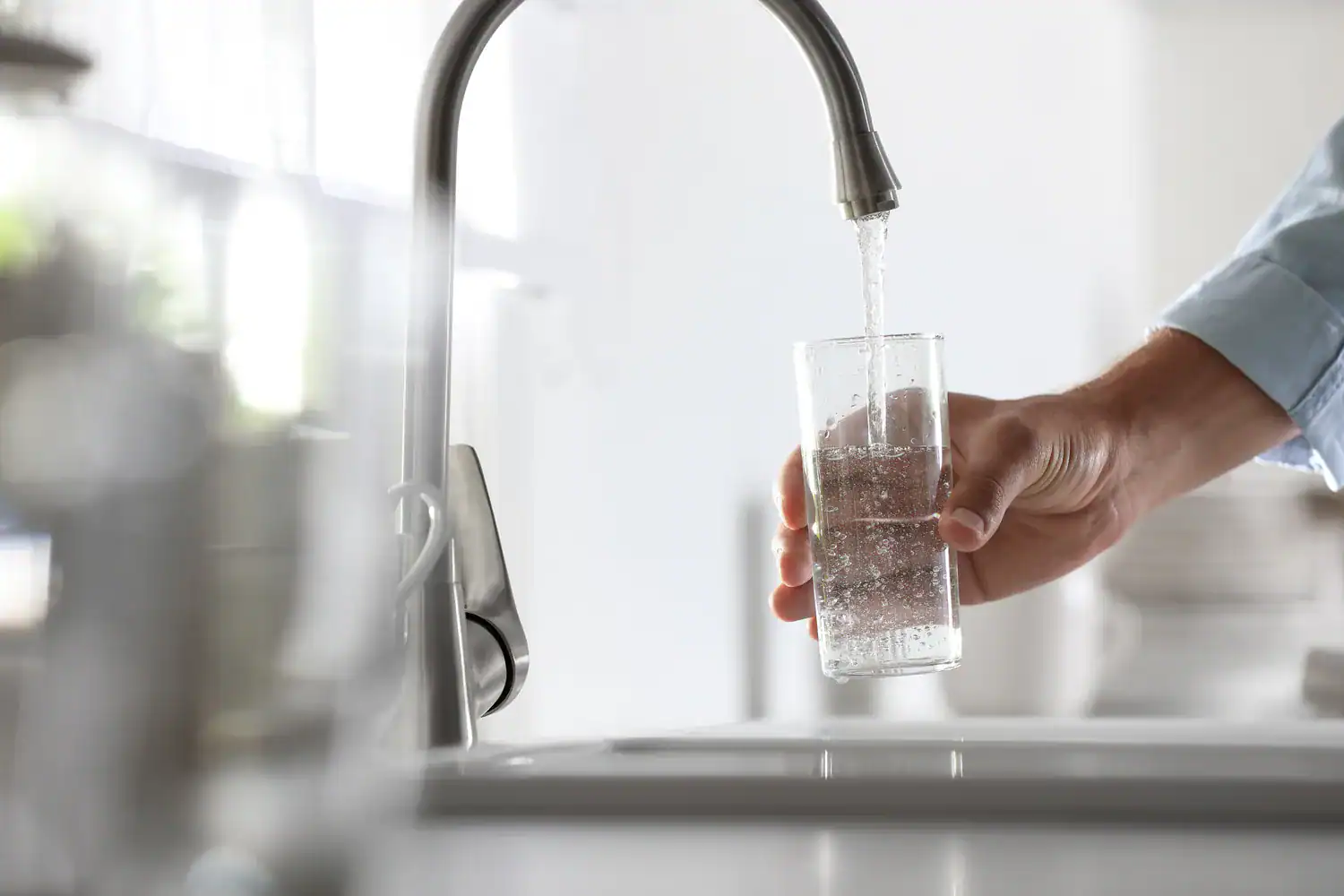
It starts with a free water analysis — and not the theatrical kind where someone drops a chemical in a glass to make your water look dangerous. This is a real test that checks for hardness, iron, pH, total dissolved solids, sulfur, bacteria, and other contaminants specific to your home’s water supply. For homes in Mira Mesa drawing from the Village Center Service Area, that typically means elevated hardness levels, chlorine disinfection byproducts, and in some cases nitrates from surrounding land use. You get actual data before we recommend anything.
From there, we design a system around what your water actually contains — not a one-size-fits-all package pulled off a shelf. Whole-house filtration, water softening, reverse osmosis for drinking water, UV purification, or some combination — it depends entirely on what your test shows and how your household uses water. Every recommendation is specific to your home.
Installation is handled by our licensed, experienced technicians who know Lake County permitting requirements and have been working in Central Florida homes for decades. Once the system is in, we don’t disappear. Maintenance, filter changes, and service calls are part of the relationship — whether it’s a system we installed or one you inherited from a previous owner.
Ready to get started?
The water in Mira Mesa isn’t a mystery — it’s well-documented. The Village Center Service Area draws from groundwater wells with a combined capacity of two million gallons per day, treats it with chlorine, and distributes it through aging infrastructure to homes across Mira Mesa and the surrounding area. Florida’s average water hardness sits around 216 parts per million, and the Mira Mesa area consistently registers on the harder end of that range. The result is real: scale buildup, appliance wear, dry skin, and disinfection byproducts that exceed the Environmental Working Group’s health guidelines by a wide margin — even when the water is technically legal.
We address this with systems designed for what’s actually present. A whole-house activated carbon filtration system removes chlorine, chloramines, trihalomethanes, and haloacetic acids before they reach any tap in your home. A water softener handles the calcium and magnesium load that’s responsible for scale and appliance damage. For drinking water, a reverse osmosis system removes up to 99% of dissolved solids — including PFAS, nitrates, and heavy metals — and delivers clean water directly to your kitchen tap. UV purification is available for homes on well water or where bacterial contamination is a concern.
For Mira Mesa specifically, sediment filtration is often part of the equation too, particularly in older homes where aging pipes can contribute particulate matter to the water supply. Every system is custom-configured after your water analysis, and all components are NSF-certified and WQA-approved.

Technically, yes — the Village Center Service Area’s water meets EPA legal standards. But “meets legal standards” and “is as clean as it could be” are two very different things. The EPA’s maximum contaminant level for trihalomethanes, for example, is 80 parts per billion. The Environmental Working Group’s health guideline — based on a one-in-a-million cancer risk threshold — is 0.15 parts per billion. That’s more than a 500-fold gap between what’s legally allowed and what independent health research considers protective.
The water systems serving Mira Mesa have documented levels of trihalomethanes and haloacetic acids — both of which form when chlorine reacts with naturally occurring organic matter in Florida groundwater. For most healthy adults, short-term exposure at legal levels isn’t an acute emergency. But for retirees managing chronic conditions, or anyone concerned about long-term exposure, the gap between “legal” and “protective” is worth taking seriously. A water analysis will tell you exactly what’s in your specific Mira Mesa home’s water.
Mira Mesa is specifically known for hard water, and it’s not a minor inconvenience. Florida’s average water hardness is approximately 216 parts per million — a level classified as extremely hard — and the groundwater in this area draws from the Floridan Aquifer, which is naturally high in calcium and magnesium. Those minerals don’t disappear when the water reaches your tap. They accumulate on every surface your water touches.
In practical terms, that means scale buildup inside your water heater, dishwasher, washing machine, and pipes. It means white deposits on shower glass and fixtures. It means your soap and shampoo don’t lather properly, your skin feels dry after a shower, and your laundry comes out stiff. For homeowners in Mira Mesa with homes built in the early 1990s, thirty years of hard water has already done measurable damage to appliances and plumbing. A water softener — often paired with a whole-house filtration system — removes that mineral load before it reaches your fixtures and extends the life of every water-using appliance in your home.
They solve different problems, and in most Central Florida homes — including those in Mira Mesa — you typically need both working together to address everything that’s in your water. A water softener is designed specifically to remove calcium and magnesium, the minerals responsible for hard water scale, appliance damage, and that dry-skin feeling after a shower. It does that job well, but it doesn’t remove chlorine, disinfection byproducts, nitrates, or other chemical contaminants.
A water filtration system — whether whole-house activated carbon, reverse osmosis, or a combination — addresses those chemical contaminants. Activated carbon filtration is particularly effective at removing chlorine, chloramines, trihalomethanes, and haloacetic acids, which are the byproducts documented in Mira Mesa’s water supply. Reverse osmosis goes further, removing dissolved solids including PFAS, nitrates, and heavy metals from your drinking water. For most Mira Mesa homeowners, the right answer is a whole-house softener paired with a filtration system, and a reverse osmosis unit at the kitchen tap for drinking and cooking. Your water analysis determines exactly what combination makes sense for your home.
It depends entirely on what you have, how old it is, and whether it’s still functioning as designed. Mira Mesa homes were built starting in 1993, which means any water treatment equipment installed at original construction is now over thirty years old. Whole-house filter media typically lasts three to five years. Reverse osmosis membranes last two to five years. Pre-filters need replacement every six to twelve months. If none of that maintenance has happened, the system may be doing very little — or nothing — to protect your water.
If you moved into a home with an existing system and have no documentation of when it was last serviced, the safest starting point is a free water analysis. That test will show you what’s actually in your water right now, regardless of what equipment is installed. If the system is working, the results will reflect that. If it isn’t, you’ll know. We service all major brands — not just our own installations — so if your existing equipment just needs maintenance or a filter change, that’s a perfectly reasonable outcome too.
For most interior water treatment installations — whole-house filtration systems, water softeners, and under-sink reverse osmosis units — the work falls under Florida’s standard plumbing and contractor licensing requirements rather than requiring a separate building permit in every case. That said, permit requirements can vary depending on the scope of the installation, whether new plumbing connections are involved, and the specific requirements of Lake County at the time of installation.
What matters most is that whoever installs your system carries the appropriate Florida state contractor license and insurance. Our technicians are licensed, insured, and have been working in Lake County homes for decades — we’re familiar with local requirements and handle the compliance side so you don’t have to figure it out yourself. If your installation does require a permit, we’ll know and we’ll handle it. For homeowners in Mira Mesa, it’s also worth noting that interior installations generally don’t require architectural review, since they don’t affect the exterior appearance of the home.
Please provide your email address so that we can stay in touch and answer any questions you have! We will be reaching back out shortly.
"*" indicates required fields