Reach Out Today
Please provide your email address so that we can stay in touch and answer any questions you have! We will be reaching back out shortly.


Hear from Our Customers
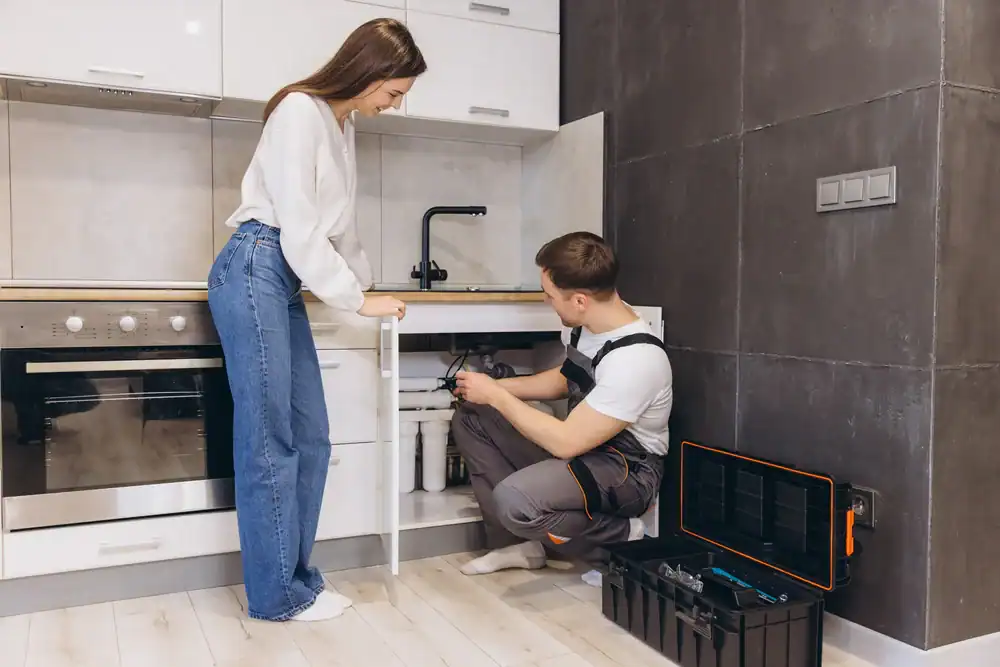
Your water in Liberty Park comes from the Floridan Aquifer — the same groundwater source that has been feeding Central Florida taps for generations. It carries hardness levels that leave scale on your fixtures, your glassware, your shower doors, and inside the appliances you rely on every day. A whole-house filtration or softening system stops that buildup before it starts. Your dishwasher runs cleaner. Your water heater lasts longer. The white crust around your faucets disappears. These are not small things when you have invested in a home you plan to stay in.
The Villages of Lake-Sumter water supply — the utility that serves Liberty Park — has been found to contain six contaminants that exceed EWG health guidelines, including total trihalomethanes, chromium, and a disinfection byproduct called bromochloroacetic acid. The water passes federal legal standards. But legal and safe are not the same thing, and for anyone who has been drinking the same tap water for years, that distinction matters more over time, not less.
Soft, filtered water also just feels different. Your skin is less dry after a shower. Soap lathers the way it should. If you are active — swimming at the Liberty Park pool, spending time outdoors, playing pickleball at Allamanda — you notice it. It is one of those changes that sounds small until you experience it, and then you wonder why you waited.
We have been installing and servicing water treatment systems across Central Florida for more than fifty years. Our headquarters in Leesburg — Lake County — puts us just minutes from Liberty Park and the rest of District 5. We know the Floridan Aquifer. We know the specific water challenges that come with groundwater-sourced municipal systems like the one serving Sumter County. That is not something a national chain can replicate from a call center.
We hold an A-rating with the Better Business Bureau, a 5-star customer rating, and zero complaints on record. In an industry the Florida Attorney General has specifically flagged for deceptive sales practices, that track record means something real. We are also members of the National Water Quality Association, and every system we install uses NSF-certified components — so the performance claims are backed by independent verification, not just marketing language.
We service every system we install. And we service other brands too. If a previous company sold you a system and stopped returning calls, we will come out. That commitment is not a tagline — it is how we have stayed in business for five decades.
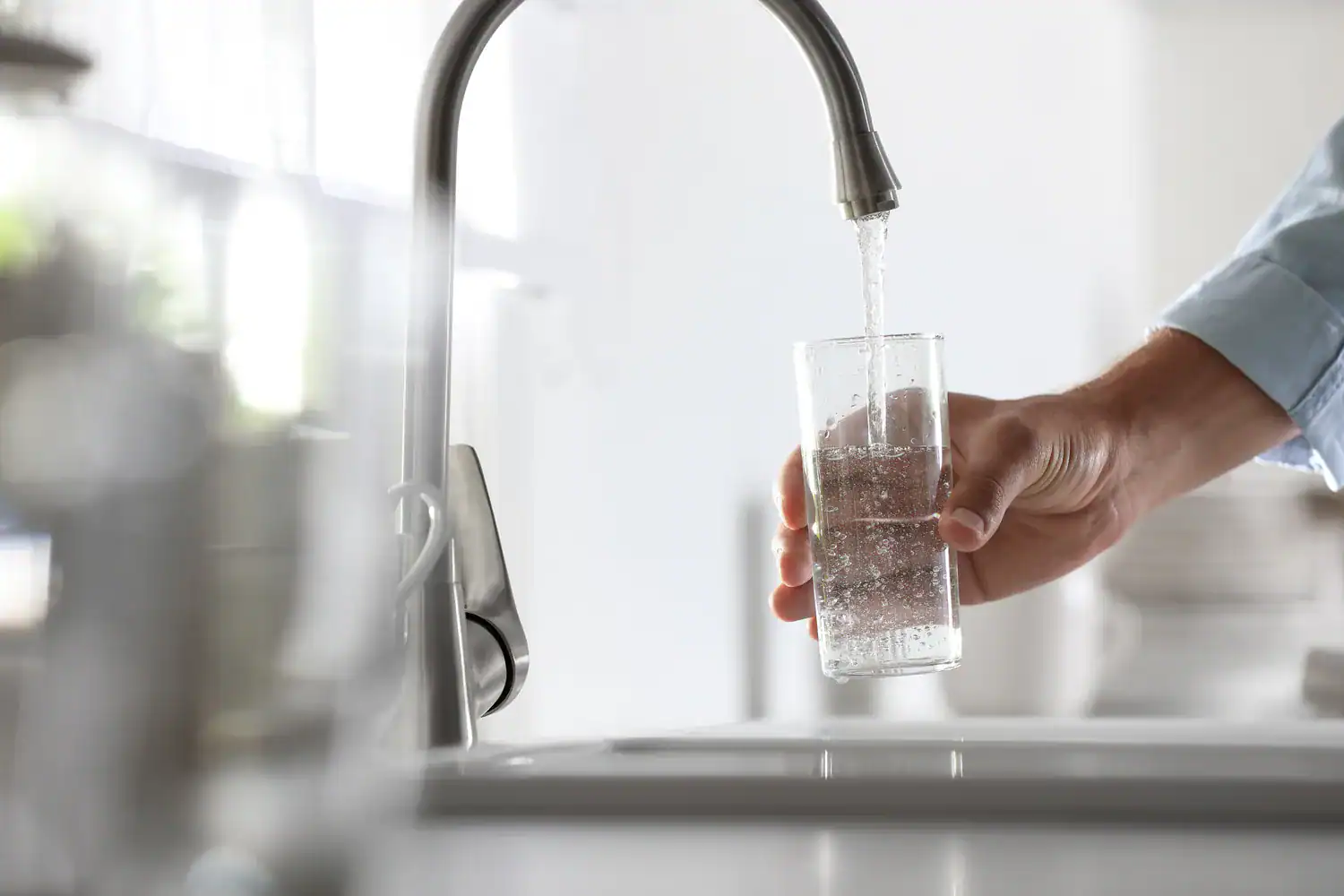
It starts with a free water analysis — a real one. Not the theatrical drop-test that makes any water look contaminated, but a legitimate assessment of what is actually in your water. For Liberty Park residents on the Villages of Lake-Sumter municipal system, that typically means testing for hardness, total dissolved solids, disinfection byproducts, pH, and the specific contaminants documented in your utility’s own reports. The results drive the recommendation. If your water does not need a particular treatment, you will hear that.
Once the analysis is complete, we walk you through the system options that make sense for your home and your household. Liberty Park’s patio villas and designer homes vary in size and plumbing configuration, so the system is sized and designed to fit your specific setup — not a one-size-fits-all package pulled off a shelf. If you are considering an exterior installation, it is worth confirming with your CDD district whether an ARC review is required, as The Villages’ Architectural Review Committee governs exterior modifications. We are familiar with this process and can help you navigate it.
Installation is handled by experienced technicians who know the area. After the system is in place, they walk you through how it works, what maintenance looks like, and how to reach us when you have questions. The relationship does not end at installation — that is the part of the business we take seriously.
Ready to get started?
We offer whole-house water filtration, reverse osmosis drinking water systems, water softening, salt-free conditioning, and UV purification. The right combination depends on what your water analysis shows — and for most Liberty Park homeowners on the Villages of Lake-Sumter system, that means addressing both hardness and disinfection byproducts at minimum.
A whole-house softening or filtration system handles what comes through every tap, every appliance, and every showerhead in your home. For drinking and cooking water specifically, a reverse osmosis system installed under the kitchen sink removes 95 to 99 percent of dissolved solids — including the heavy metals, TTHMs, and other contaminants that municipal treatment does not fully eliminate. These two systems work well together, and we will tell you honestly whether you need both or just one. Salt-free conditioning is also available for homeowners who want scale prevention without adding sodium to the water supply — a common preference in a community where many residents are managing cardiovascular health.
If you or your spouse served in the military, or if you are a first responder, there is a $500 discount on your system. The Villages has one of the largest veteran populations in Florida, and that discount is a direct acknowledgment of it — not a footnote. We also support the Tunnels to Towers Foundation, an organization that honors first responders and Gold Star families. It reflects the same values this community holds.
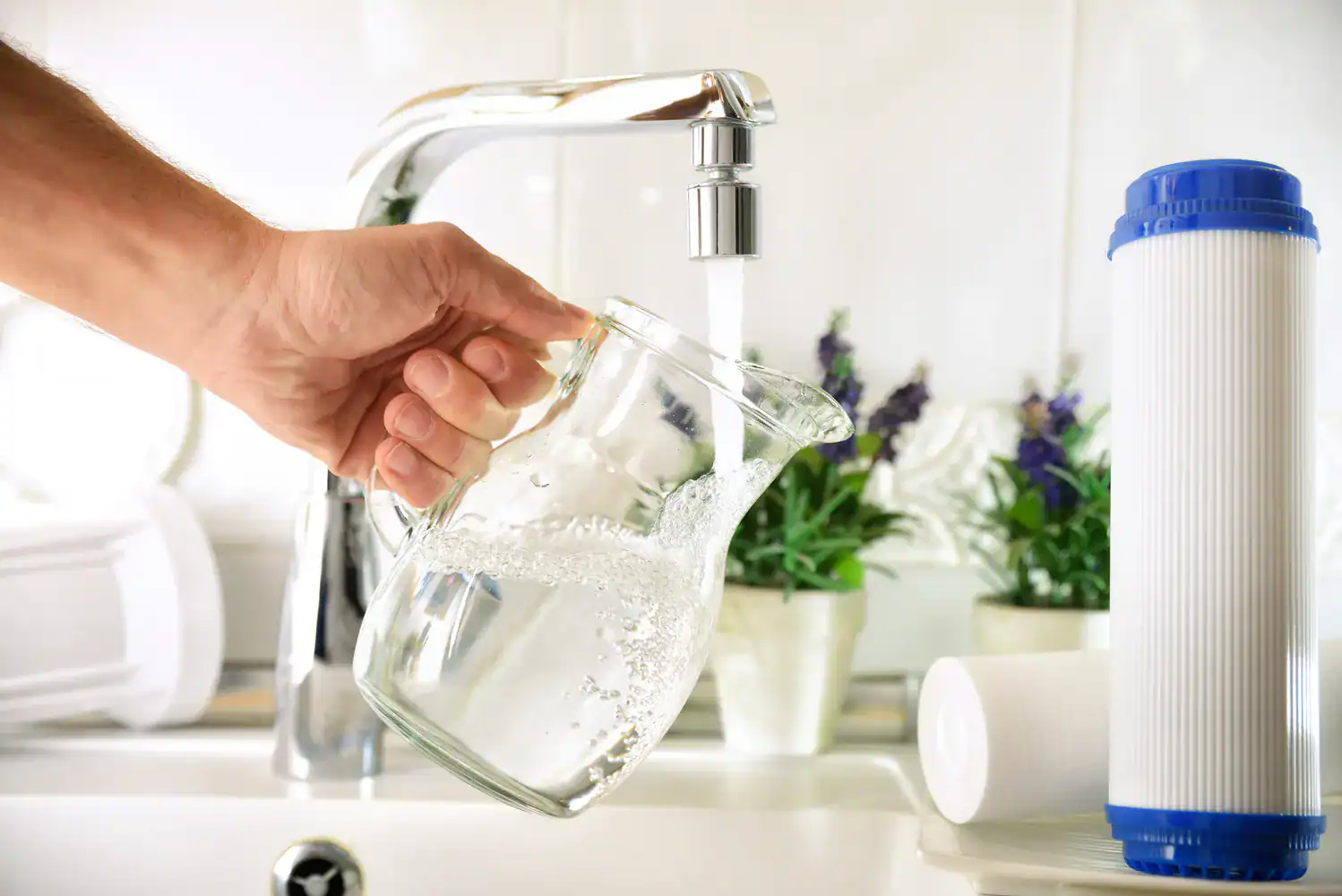
The short answer is that it passes federal legal standards — but that bar is lower than most people realize. The Villages of Lake-Sumter water system, which serves Liberty Park, has been tested and found to contain six contaminants that exceed EWG health guidelines. These include total trihalomethanes, bromochloroacetic acid, chromium, and thallium. None of these violations mean the utility is breaking the law. Federal legal limits for drinking water have not been updated in decades, and they do not reflect the latest independent health research.
For most healthy adults, short-term exposure is unlikely to cause immediate harm. But long-term exposure to disinfection byproducts like TTHMs has been associated with increased bladder cancer risk, and heavy metals like thallium and chromium have no established safe threshold for ongoing consumption. If you have been drinking this water for years — which most Liberty Park residents have — a home filtration system is the most direct way to reduce that cumulative exposure going forward.
Hard water leaves calcium and magnesium deposits — scale — everywhere water flows and evaporates. Inside your water heater, that scale accumulates on the heating element and forces the unit to work harder, which shortens its lifespan and raises your energy bill. Inside your dishwasher, it leaves spots on glassware and etches the interior over time. On your shower doors, fixtures, and tile grout, it builds up into that white crust that no amount of cleaning fully removes.
The Villages of Lake-Sumter water supply carries documented elevated hardness, which is consistent with the broader Central Florida range of 100 to 300 parts per million. For Liberty Park homeowners — many of whom have patio villas or designer homes with quality finishes and appliances they plan to keep for years — that hardness is quietly working against the investment you have made in your home. A water softener or salt-free conditioning system stops that process. The scale stops forming, the appliances run the way they were designed to, and the surfaces in your home stay cleaner with less effort.
These two systems do different things, and understanding the distinction helps you make a smarter decision about what your home actually needs. A water softener uses a salt-based ion exchange process to remove calcium and magnesium — the minerals responsible for hard water. It addresses hardness specifically. A whole-house water filter, on the other hand, targets a broader range of contaminants: sediment, chlorine, chloramines, certain chemicals, and other particulates depending on the filter media used.
For most Liberty Park homeowners on the Villages of Lake-Sumter municipal system, the water analysis typically shows both elevated hardness and the presence of disinfection byproducts. That means a softener alone may not be enough if your primary concern is drinking water safety — and a filter alone may not be enough if your primary concern is appliance protection and scale buildup. Many homeowners end up with a combination: a whole-house softener or salt-free conditioner to handle hardness, and an under-sink reverse osmosis system for drinking and cooking water. We will tell you what your specific water test shows before recommending anything.
Reverse osmosis forces water through a semi-permeable membrane under pressure, removing dissolved solids, heavy metals, chemicals, and most biological contaminants in the process. A quality RO system removes 95 to 99 percent of what is dissolved in your water — including the contaminants that standard municipal treatment leaves behind. The result is water that meets independent health guidelines, not just federal legal minimums.
For Liberty Park residents, the case for RO is fairly straightforward. The Villages of Lake-Sumter water supply contains documented levels of total trihalomethanes, bromochloroacetic acid, and trace heavy metals. These are not removed by the treatment plant — they are often a byproduct of it. Chlorine reacts with organic matter in the water to form disinfection byproducts, and those byproducts come out of your tap. An under-sink RO system installed at your kitchen sink provides filtered water at every point you drink or cook, without requiring you to buy and haul bottled water indefinitely. The membranes typically last two to five years, and annual maintenance runs roughly $80 to $150 depending on your system configuration.
Yes, and it is worth understanding why. During Central Florida’s rainy season — roughly June through September — heavy rainfall increases the amount of organic matter entering the groundwater supply. When the treatment plant applies more chlorine to compensate, the reaction between chlorine and that organic matter produces more disinfection byproducts, including trihalomethanes and haloacetic acids. This is when DBP levels in municipal water tend to peak, and it is consistent with what EWG testing has documented in the Villages of Lake-Sumter system.
During the dry season, reduced dilution in the aquifer can concentrate dissolved minerals, which may push hardness and total dissolved solids higher. Hurricane season — June through November — adds another variable: post-storm periods can introduce short-term bacterial concerns even in municipal systems if infrastructure is disrupted. For Liberty Park residents, particularly those with any immune system considerations, a whole-house system with UV purification provides a meaningful additional layer of protection during those windows. A properly installed and maintained system handles these seasonal shifts without requiring you to do anything differently throughout the year.
Please provide your email address so that we can stay in touch and answer any questions you have! We will be reaching back out shortly.
"*" indicates required fields