Reach Out Today
Please provide your email address so that we can stay in touch and answer any questions you have! We will be reaching back out shortly.


Hear from Our Customers

The rotten egg smell is the one LaBelle homeowners mention first. It’s there in the morning when you turn on the shower. It’s in the water you’re cooking with. It’s the first thing guests notice. Hydrogen sulfide in LaBelle’s well water comes from the area’s sulfur-rich limestone geology — it’s not a fluke, and it doesn’t go away on its own. A properly designed filtration system eliminates it at the source, before it reaches a single faucet in your home.
Then there’s the iron. The orange and brown staining on your toilet bowl, your sink basin, your shower walls — that’s dissolved iron in your well water doing what iron does. It stains everything it touches, shortens appliance life, and corrodes fixtures over time. For homeowners in Port LaBelle’s Country Village, Eucalyptus Village, Laurel Oaks, and the surrounding rural areas, iron in the water isn’t a minor inconvenience. It’s a daily, visible reminder that something is wrong.
Beyond the smell and the staining, Hendry County’s agricultural landscape — the citrus groves, vegetable farms, and cattle operations surrounding LaBelle — means nitrates and agricultural runoff are legitimate groundwater concerns for anyone on a private well. And even if you’re on city water, LaBelle’s own municipal system publicly missed required nitrate and nitrite testing in 2025. A whole-house filtration system gives you an answer your utility couldn’t.
We’ve been installing and servicing water treatment systems across Florida for more than 50 years. That’s not a marketing line — it means we’ve seen LaBelle-style well water before. We know what sulfur removal actually requires in Florida’s aquifer geology. We know the difference between a hard water problem in a Central Florida subdivision and the iron-sulfur combination coming out of a well in Hendry County.
We hold a BBB A-rating with a 5-star score and zero complaints filed — in an industry the Florida Attorney General’s office has had to police for fraud. Our WQA membership means we operate under independently verified professional standards, and every system we install uses NSF-certified components. We don’t guess at what’s in your water. We test it first.
We also service what we sell. And if you inherited a system from the previous owner or bought from a company that stopped returning calls, we’ll service that too. For a homeowner in a rural area like LaBelle — where the nearest service provider might be 30 miles away — that kind of accountability matters more than most people realize until they need it.
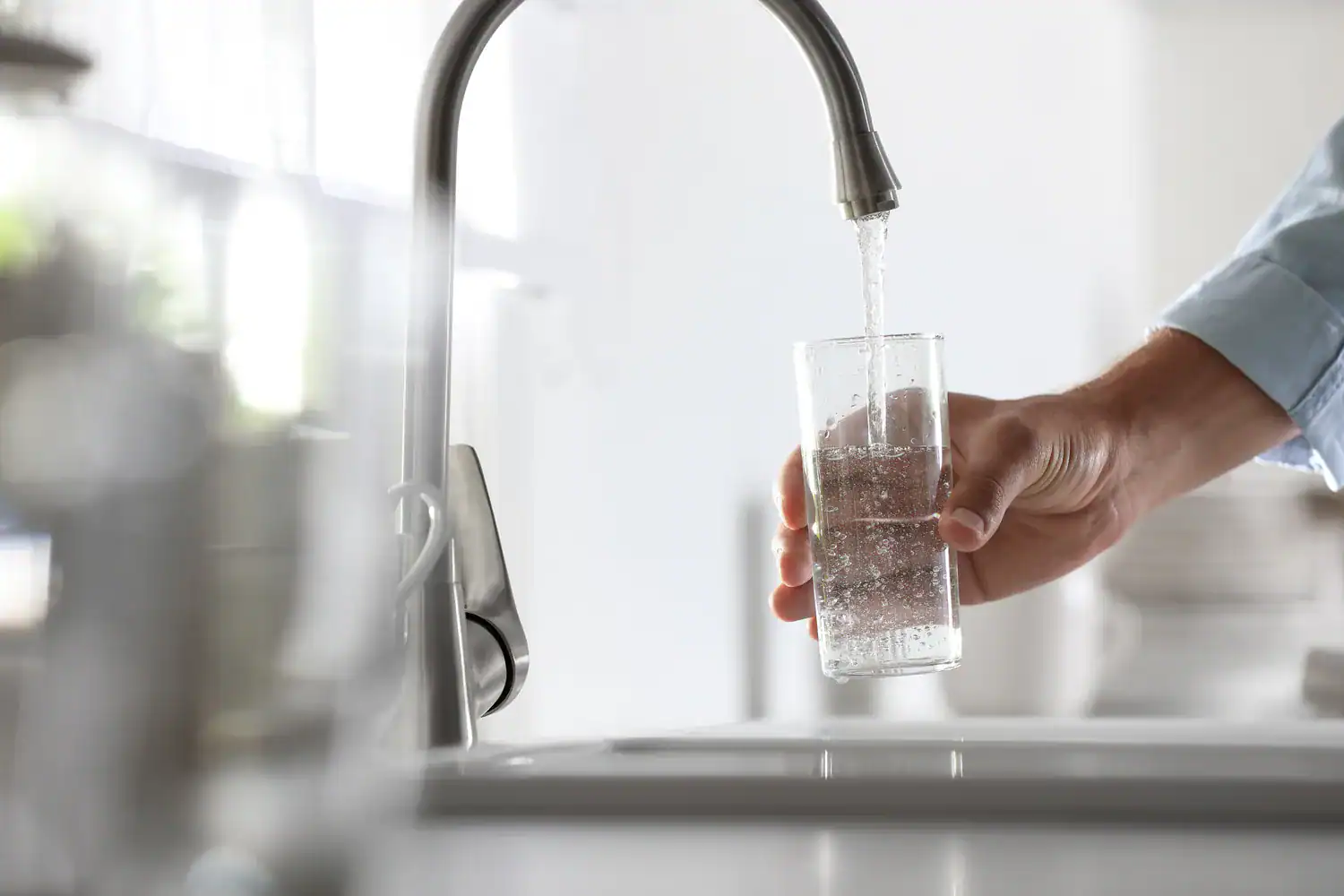
It starts with a free water analysis. Not the theatrical kind where someone drops chemicals into a glass and watches it turn colors — that’s a sales trick, not a diagnostic. Our analysis is a real, laboratory-grade test that checks for iron, sulfur, hardness, pH, total dissolved solids, bacteria, and other contaminants relevant to your specific water source. In LaBelle, that means testing for the things that actually show up in Hendry County well water: sulfur compounds, dissolved iron, hardness minerals, and — especially for homes near agricultural operations — nitrates and chemical runoff indicators.
Once the results are in, the recommendation comes from the data, not from a sales script. If your well water shows elevated iron and hydrogen sulfide, the system is designed around oxidizing filtration that targets both. If hardness is the primary issue, a water softener or salt-free scale prevention system may be the right call. If bacteria is present — which is a real risk in LaBelle’s shallow water table during Florida’s rainy season — UV purification gets added to the plan. The system is built around what your water actually needs, not what’s easiest to sell.
Installation is handled by our trained technicians who understand Hendry County’s permitting environment. Well-connected systems in the county fall under the oversight of the Hendry County Health Department, and we navigate that process as part of the job. After installation, we’re still your point of contact — for service, filter changes, and any questions that come up down the road.
Ready to get started?
Whole-house water filtration is our highest-priority service — and the one that makes the biggest difference for LaBelle homeowners dealing with well water. A whole-house system treats every drop of water that enters your home, which means the water in your shower, your laundry, your dishwasher, and your ice maker is all addressed — not just the kitchen sink. For LaBelle residents dealing with sulfur and iron, that matters, because those contaminants affect every part of the house, not just the drinking tap.
For households where drinking water quality is the primary concern, we offer reverse osmosis systems that provide an additional layer of filtration at the point of use — removing dissolved solids, nitrates, and other contaminants that a whole-house system isn’t designed to target at that level. Activated carbon filtration handles chlorine taste, organic compounds, and chemical odors. Sediment filters protect the rest of your system from the particulate matter that shows up in well water in agricultural areas like Hendry County. UV purification eliminates bacteria without adding chemicals to the water. These aren’t upsells — they’re tools, and the water analysis determines which ones you actually need.
We also offer salt-based water softeners, salt-free scale prevention systems, and well water filtration systems specifically designed for private well users. Military personnel and first responders receive a $500 discount — a meaningful number in a community where that kind of savings matters. If you’re a veteran or serve Hendry County in any first responder capacity, that discount is yours.
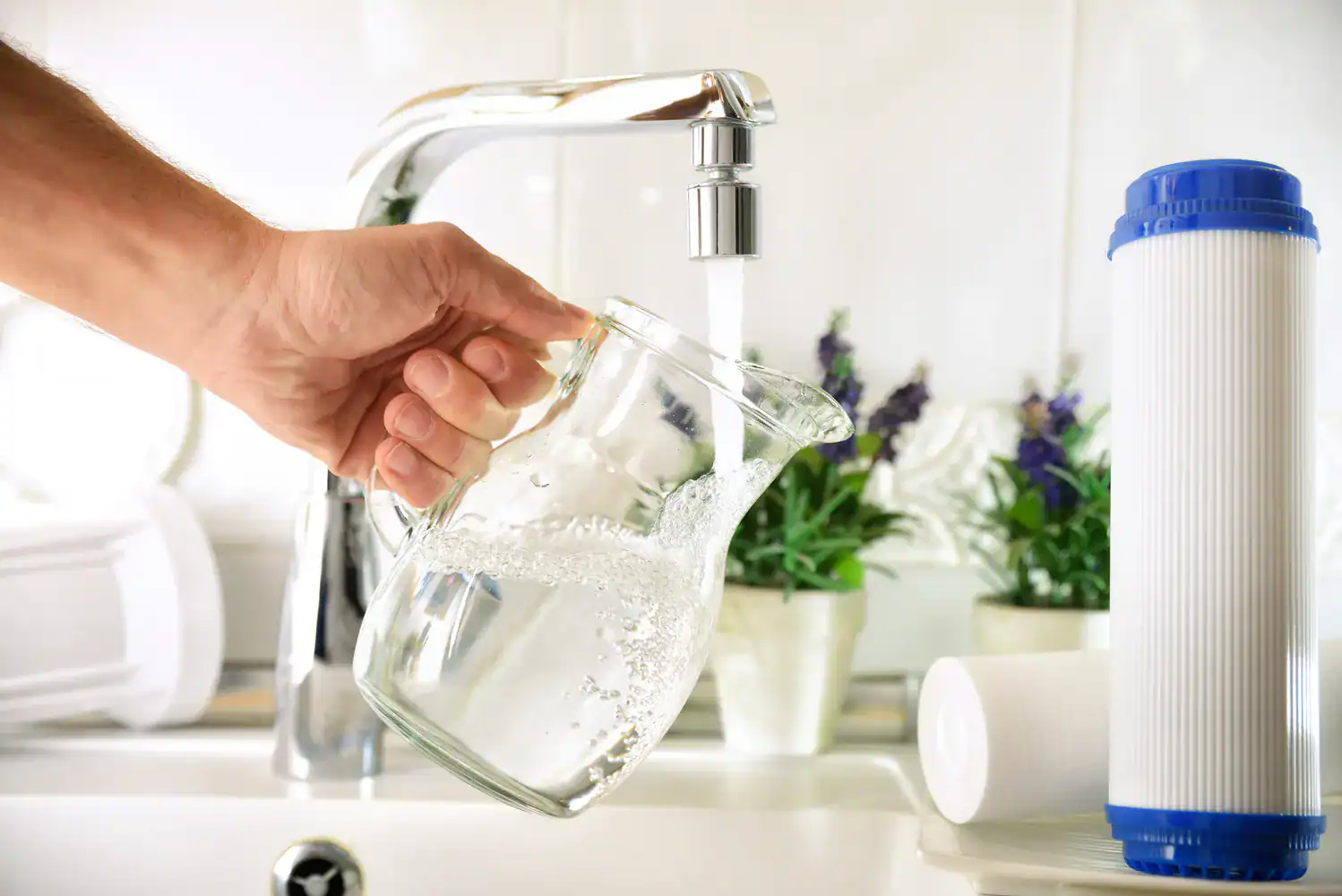
That smell is hydrogen sulfide — a gas produced when anaerobic bacteria in the aquifer break down organic matter in Florida’s sulfur-rich limestone geology. It’s extremely common in LaBelle and Port LaBelle well water, and it doesn’t indicate that your well is broken or contaminated in a dangerous way — but it does mean your water has a chemistry problem that needs to be addressed with the right filtration approach.
A standard water softener will not fix it. In fact, running high sulfur levels through a standard softener resin can damage the equipment over time. The correct solution is an oxidizing filtration system that targets hydrogen sulfide specifically — converting it to a solid that gets filtered out before the water enters your home. The right system depends on your sulfur concentration, which is exactly what the water analysis determines before any recommendation is made.
That’s dissolved iron in your well water. When iron-rich water hits air — inside your toilet tank, your sink basin, your showerhead — it oxidizes and turns into the rust-colored staining you’re seeing. It’s one of the most common complaints from homeowners in Port LaBelle and the rural areas surrounding the city, and it doesn’t go away with cleaning products alone. The staining comes back as fast as you remove it, because the source is still in the water.
Iron removal requires filtration designed specifically for it — either an oxidizing filter, a greensand filter, or in some cases a combination approach depending on the iron concentration and whether it’s dissolved or particulate iron. The water analysis identifies which type of iron is present and at what level, so the system can be sized and selected correctly. Undersized or incorrectly selected iron filters are a common failure point when systems are sold without testing the water first.
For most LaBelle homeowners on well water, a countertop or under-sink filter addresses one faucet while the rest of the house — the shower, the laundry, the dishwasher, the water heater — continues to run on untreated water. Iron corrodes fixtures and shortens appliance life throughout the entire home, not just at the kitchen sink. Sulfur affects every shower and every load of laundry. Hard water scales up your water heater and reduces its efficiency over time. A point-of-use filter doesn’t touch any of that.
A whole-house system treats the water at the point of entry — before it reaches any fixture or appliance. That’s the only approach that actually protects the full investment of a home. For homeowners in Hendry County dealing with iron, sulfur, and hardness together, a whole-house filtration system isn’t a luxury upgrade — it’s the practical solution to a problem that’s costing money in stained laundry, damaged appliances, and reduced plumbing lifespan every single month you wait.
It’s a legitimate concern worth taking seriously. Hendry County is one of Florida’s most productive agricultural counties — citrus groves, vegetable farms, and cattle operations surround LaBelle on multiple sides. Agricultural activity introduces nitrates, pesticides, and other chemicals into the soil, and over time those compounds can migrate into the groundwater that feeds private wells in Port LaBelle, Felda, Fort Denaud, and the rural areas around the city.
Nitrates are particularly worth testing for because they don’t have a taste or smell — you won’t know they’re there without a test. They’re also the specific contaminant that LaBelle’s municipal system failed to test for in 2025, which is a documented reminder that even city water customers aren’t automatically protected. A proper water analysis checks for nitrates and flags any levels that warrant treatment. If agricultural chemicals are present at concerning levels, a reverse osmosis system at the point of use provides the most effective removal for that category of contaminants.
It depends on the system type and your water’s specific chemistry, but most whole-house systems require some form of maintenance once or twice a year — filter media replacement, salt replenishment for softeners, UV lamp replacement for purification systems, or a general performance check. In LaBelle, where well water often carries heavier iron and sulfur loads than municipal water, filters can reach capacity faster than they would in a lower-demand environment. A system that’s working hard against high iron levels needs to be monitored accordingly.
This is one of the practical reasons to choose a company that actually services what they install. We handle ongoing service for every system we put in — and we service systems from other brands too. For a homeowner in a rural area where service providers aren’t around every corner, having one reliable contact for installation and long-term maintenance is worth more than the initial sale. A system that isn’t maintained stops working, and a company that disappears after the install leaves you with a problem you paid to solve.
Please provide your email address so that we can stay in touch and answer any questions you have! We will be reaching back out shortly.
"*" indicates required fields