Reach Out Today
Please provide your email address so that we can stay in touch and answer any questions you have! We will be reaching back out shortly.


Hear from Our Customers
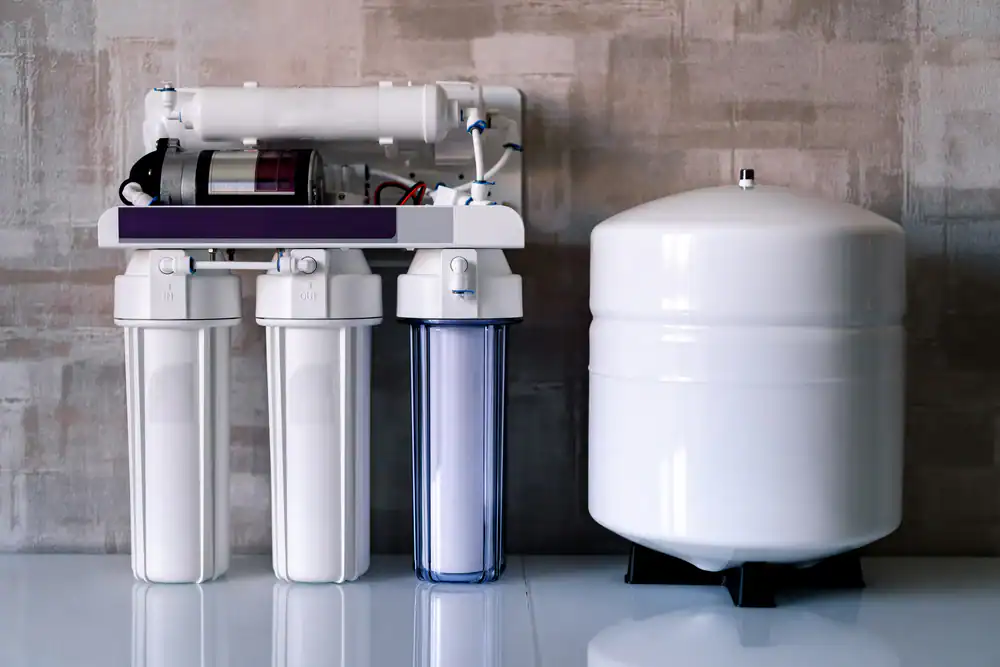
Your shower doors stop building up that white film within days. Your skin doesn’t feel tight and itchy after every shower. Your coffee tastes better because the chlorine smell is gone.
These aren’t small things when you’re living with them every day. Hard water in Tallulah/North Shore causes mineral buildup that clogs showerheads, leaves spots on dishes, and makes your water heater work harder than it should. You’re also dealing with chlorine and chloramine that utilities use for disinfection – which is fine for killing bacteria, but not great for your hair, skin, or the taste of your drinking water.
A point-of-entry system treats water as it enters your home, so every faucet, every shower, and every appliance gets filtered water. That means your washing machine uses less detergent, your water heater lasts longer, and you’re not scrubbing soap scum off glass every week. You’re also protecting your family from contaminants that municipal treatment doesn’t always catch – including PFAS, heavy metals, and bacteria that can slip through during system failures.
We’ve been installing and servicing water treatment systems across Florida for over five decades. We’re A-rated by the Better Business Bureau with a 5-star rating and zero complaints. We’re also members of the National Water Quality Association, which means we stay current on certifications, industry standards, and emerging contaminants.
We’re not a national franchise that sells you a system and disappears. We service what we install, and we service other brands too – because we know how these systems work and what goes wrong over time. If you’re in Tallulah/North Shore and dealing with hard water, sulfur smells, or iron staining, we’ve seen it before and we know how to fix it.
We also offer a $500 discount for military members and first responders, and we’re proud supporters of the Tunnels to Towers Foundation.

We start with a free water analysis at your home. We test for hardness, chlorine, iron, sulfur, pH, and other contaminants specific to your water source. This isn’t a sales pitch – it’s information you need to make a decision.
Once we know what’s in your water, we design a system based on your household size, water usage, and the specific problems you’re dealing with. Some homes need multi-stage sediment filtration to remove iron and rust. Others need whole home carbon filters to eliminate chlorine and odors. Many need a water softener combination to handle both hardness and chemical contaminants.
Installation typically takes a few hours. We install the system at your main water line – before it splits off to your water heater, kitchen, bathrooms, and laundry. That’s what makes it a point-of-entry system. Everything gets treated. We also set up the filter media backwashing cycle if your system requires it, and we walk you through any maintenance you’ll need to do.
After installation, you’ll notice the difference immediately – especially in the shower and at the kitchen sink.

Ready to get started?
A whole house water filter removes sediment, chlorine, chloramine, heavy metals like iron and lead, sulfur, bacteria, and other contaminants depending on the filtration media we use. If you’re on well water, we address iron staining and sulfur smells. If you’re on city water, we focus on chlorine removal and hardness.
In Tallulah/North Shore, hard water is the most common issue. You’ll see it around your faucets, on your shower doors, and in the way soap doesn’t lather properly. The calcium and magnesium in Florida’s water supply cause buildup in your pipes and appliances. Over time, that buildup reduces water pressure, damages your water heater, and shortens the lifespan of your washing machine and dishwasher.
We also see sulfur issues in this area – that rotten egg smell that comes from hydrogen sulfide gas in the water. It’s not harmful, but it’s unpleasant and it makes your water taste and smell bad. A properly designed filtration system eliminates it.
If you’re concerned about PFAS or other emerging contaminants, we can address that too. PFAS contamination has been detected across Florida, and while Tallulah/North Shore hasn’t made headlines yet, many homeowners want that extra layer of protection. Carbon filtration is effective at reducing PFAS levels, and we can incorporate that into your system design.
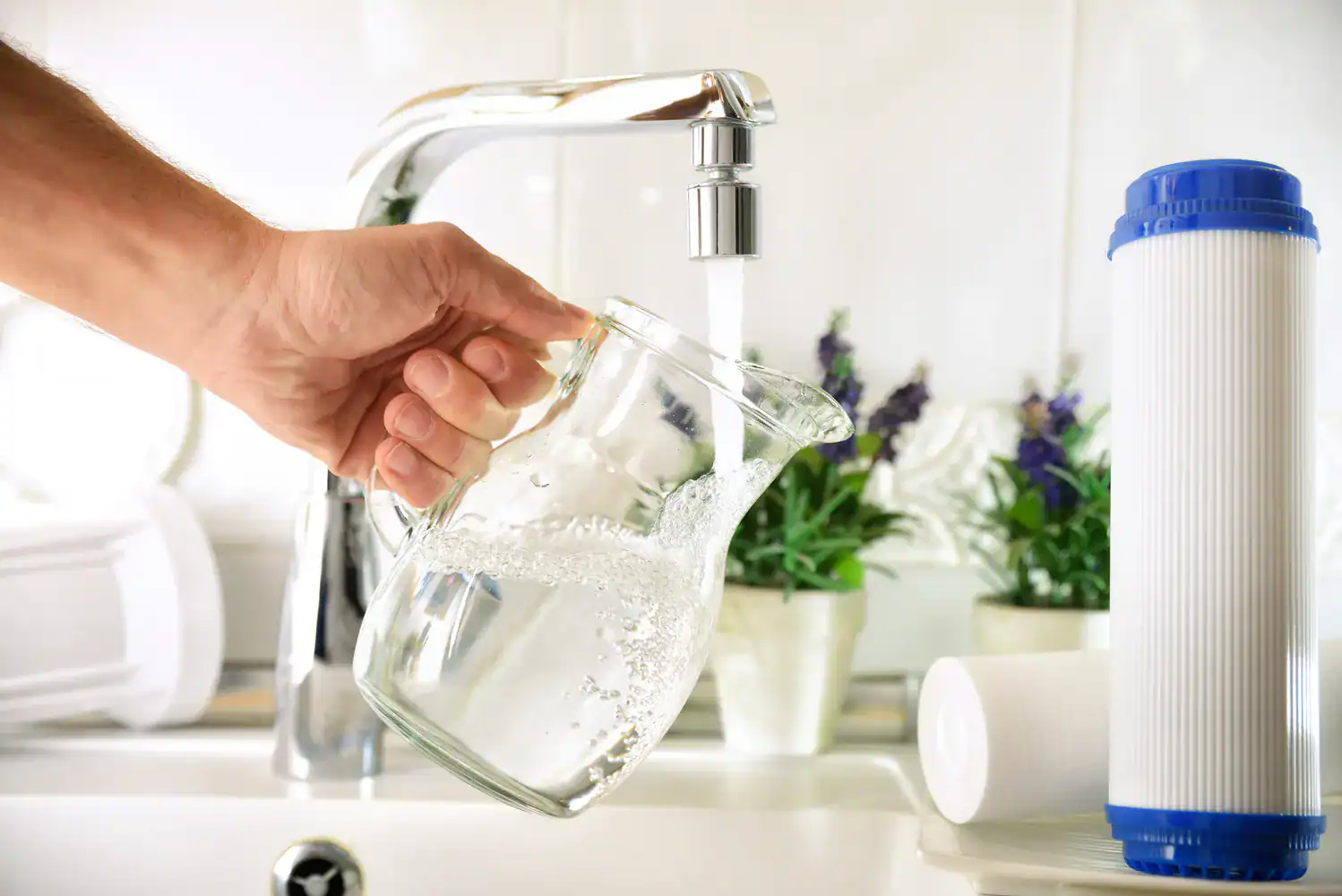
Installation costs vary based on what your water needs and what size system fits your household. Most homeowners spend between $1,500 and $4,000 for a complete system, including installation. If you need a combination system that handles both filtration and softening, you’re looking at the higher end of that range – but you’re also solving multiple problems at once, which saves money compared to installing separate systems later.
Monthly operating costs are low. You’re looking at around $8 to $12 per month on average, depending on your system type. Salt-free systems have even lower operating costs because there’s no salt to buy, no electricity to run, and minimal maintenance. If you go with a traditional softener, you’ll need to add salt periodically, which costs about $5 to $10 per bag.
Filter media typically lasts several years before it needs replacing. We’ll give you a maintenance schedule when we install your system, and we’re available to service it when the time comes. Most of our customers find that the savings on appliance repairs, detergent, and energy bills offset the maintenance costs within the first couple of years.
A water softener removes hardness – specifically calcium and magnesium – through an ion exchange process. It prevents scale buildup in your pipes and appliances, and it makes your water feel softer on your skin and hair. But it doesn’t remove chlorine, sediment, or other contaminants.
A whole house filter removes sediment, chlorine, chemicals, and other impurities, but it doesn’t address hardness. If you have hard water and you only install a filter, you’ll still get mineral buildup and soap scum. If you only install a softener, your water will still smell like chlorine and may still have sediment or iron staining.
That’s why many homeowners in Tallulah/North Shore choose a combination system. You get the benefits of both – soft water that’s also filtered and free of chemicals. It costs more upfront, but it’s less expensive than installing two separate systems, and it solves all your water quality issues at once. About 41% of homeowners now go with combination systems from the start because they don’t want to deal with partial solutions that leave some problems unresolved.
The tank and main components of a quality system can last 15 to 20 years or more with proper maintenance. The filter media inside needs to be replaced periodically – usually every 3 to 7 years depending on your water quality and household usage. Carbon filters tend to need replacement more frequently if you have high chlorine levels or heavy use.
Salt-free systems often last longer because they have fewer moving parts and no regeneration cycles that create wear and tear. Traditional softeners with brine tanks require more maintenance, but they’re also highly effective and built to last if you keep up with the salt and occasional cleaning.
We’ve serviced systems that are 20+ years old and still working fine. The key is using quality components from the start and not skipping maintenance. When filter media gets exhausted, it stops doing its job – so staying on top of replacements is important. We’ll let you know what to expect with your specific system, and we’re available to handle the maintenance for you if you’d rather not deal with it yourself.
Yes, but the type of filtration system matters. Sulfur smells come from hydrogen sulfide gas in the water, and it’s a common issue in Florida – especially if you’re on well water. The rotten egg odor is hard to ignore, and it affects the taste of your water and anything you cook with it.
A standard carbon filter can reduce mild sulfur odors, but if your sulfur levels are high, you’ll need a more aggressive approach. We typically use an oxidizing filter or an air injection system that converts the hydrogen sulfide into sulfur particles, which then get trapped in the filter media. This is highly effective and eliminates the smell completely.
If you also have iron in your water – which often goes hand-in-hand with sulfur – we’ll address both issues with a multi-stage system. Iron causes rust stains on your sinks, toilets, and laundry, and it needs to be filtered out before it reaches your fixtures. The good news is that one properly designed system can handle sulfur, iron, sediment, and hardness all at once. We test your water first so we know exactly what we’re dealing with, and then we build the system around your specific water chemistry.
City water is treated and tested regularly, but that doesn’t mean it’s free of issues by the time it reaches your home. Municipal treatment plants use chlorine or chloramine for disinfection, and while that kills bacteria, it also leaves a chemical taste and smell. It can dry out your skin and hair, and when you shower, you’re inhaling chlorine vapor that can irritate your lungs.
There’s also the issue of aging pipes – both in the city’s infrastructure and potentially in your own home. Sediment, rust, and lead can leach into your water between the treatment plant and your faucet. And while utilities test for many contaminants, they don’t test for everything. PFAS, for example, is showing up in water supplies across Florida, and not all municipalities are required to filter it out yet.
A whole house filter gives you control over what’s in your water regardless of what’s happening upstream. You’re removing chlorine, filtering out sediment, and protecting your family from contaminants that slip through municipal systems. You’re also extending the life of your appliances and reducing the amount of soap and detergent you need. Most homeowners on city water in Tallulah/North Shore install filters to address hardness and chlorine – those are the two biggest complaints we hear, and they’re both easy to fix with the right system.
Please provide your email address so that we can stay in touch and answer any questions you have! We will be reaching back out shortly.
"*" indicates required fields