Reach Out Today
Please provide your email address so that we can stay in touch and answer any questions you have! We will be reaching back out shortly.


Hear from Our Customers
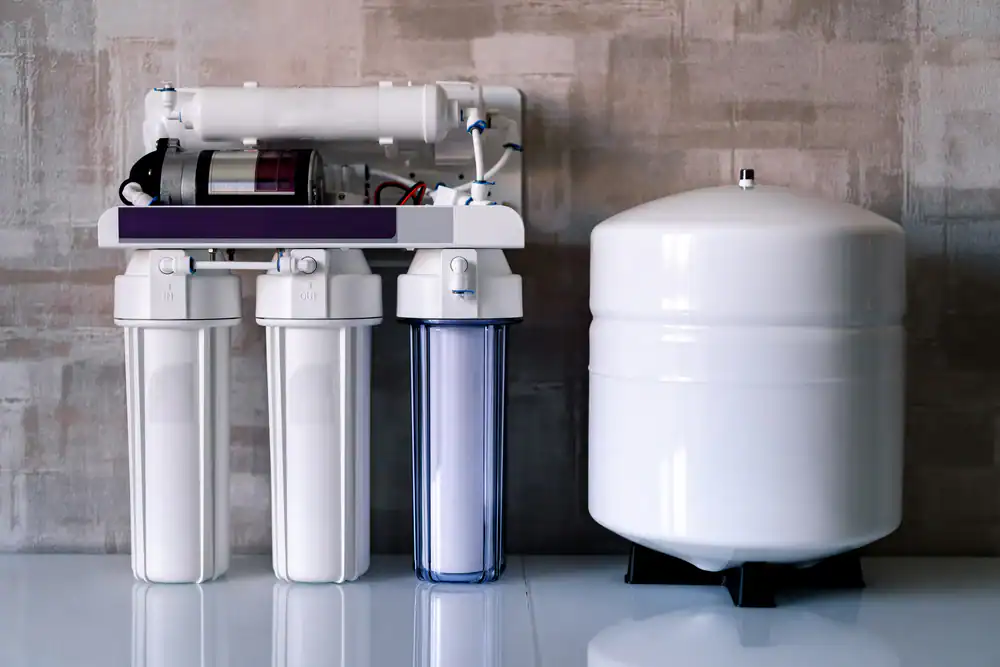
Your skin stops feeling dry after showers. Your coffee tastes better. Your clothes come out of the wash softer, and your appliances stop building up that white, crusty residue.
That’s what happens when you filter water at the source instead of just one faucet. A point-of-entry system treats everything before it reaches your taps, your water heater, your washing machine—anywhere water flows in your home.
St. Augustine South’s water contains radium, cadmium, strontium, and TTHMs—all above health advocacy guidelines. Legal doesn’t always mean safe. Hard water minerals add another layer of problems: scale in pipes, shorter appliance lifespans, soap that doesn’t rinse clean.
You’re not imagining the chlorine smell or the way your dishes look spotty. Those are real issues, and they’re fixable. When you install a whole home carbon filter combined with multi-stage sediment filtration, you’re addressing both contamination and mineral buildup at once.
We have an A+ Better Business Bureau rating with five stars and zero complaints. We’re members of the National Water Quality Association, which means we follow professional standards that matter.
We don’t do plumbing or water heaters. We specialize in water treatment—filtration, purification, and softening. That focus means you’re getting someone who knows this work inside and out, not a generalist trying to upsell you on ten other services.
St. Augustine South homeowners deal with specific water challenges: documented contaminants plus Florida’s notorious hard water. We’ve seen both problems hundreds of times. We test your water first, then recommend what actually fits your situation—not a one-size-fits-all package.

First, we test your water. Not the city’s report—your water, from your taps. That tells us exactly what contaminants and minerals you’re dealing with. Chlorine, sediment, heavy metals, hardness levels—we measure it all.
Then we design a system that addresses your specific issues. If you’ve got high sediment and hardness, you might need a water softener combination with backwashing filter media. If chlorine taste is your main complaint, a whole home carbon filter handles that. Most St. Augustine South homes benefit from a multi-stage approach.
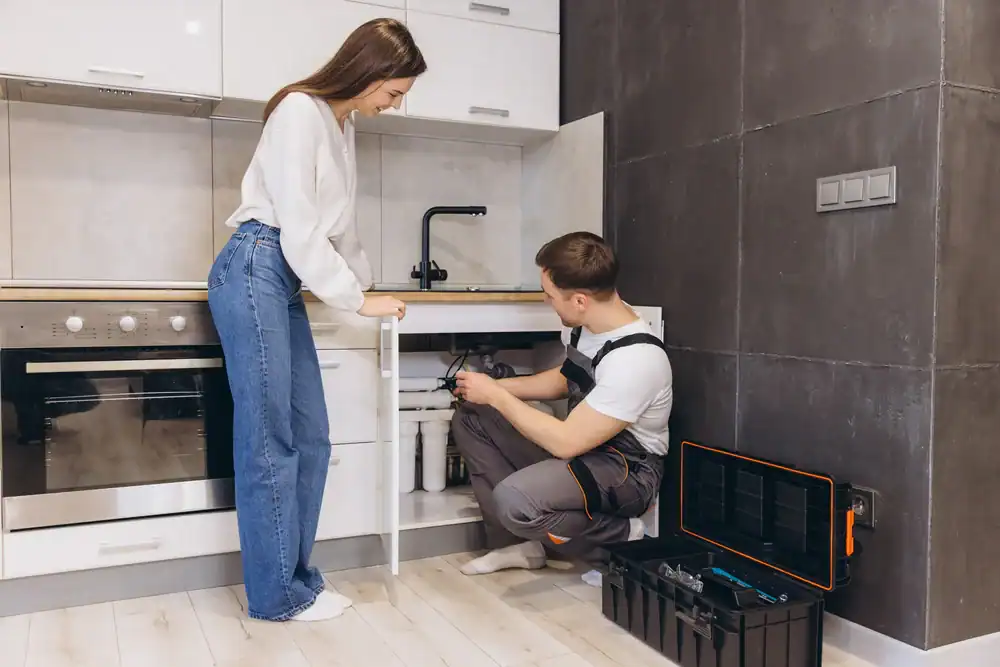
We install the system at your main water line—the point of entry. That’s where water comes into your house, before it splits off to different fixtures. One system treats everything.
After installation, we test again to confirm the system is filtering what it should. Then we show you how the backwashing cycle works and what maintenance looks like. Most systems are low-maintenance, but you’ll want to know when to change filters or add salt if you have a softener.
Ready to get started?
A complete whole house water filter setup includes the filtration unit, installation at your point of entry, and a follow-up water quality test. You’re not buying a box and figuring it out yourself. You’re getting professional installation from people who’ve done this hundreds of times.
The system itself typically combines sediment filtration with carbon filtration and, depending on your water test results, a softener. Sediment filters catch particles and cloudiness. Carbon filters remove chlorine, chloramines, and VOCs—the stuff that makes water taste and smell off. Softeners handle calcium and magnesium, which cause scaling.
In St. Augustine South, most homes need all three. Your water has both contamination issues and hardness problems. A single-stage filter won’t cut it.
Maintenance is straightforward. Backwashing filters clean themselves automatically. Carbon filters need replacement every few years depending on usage. Softeners need salt refills. We handle the technical stuff during routine service visits, and we’ll walk you through anything you need to do between visits.
You’ll notice the difference immediately—better taste, no chlorine smell, softer skin and hair, cleaner dishes. Over time, you’ll see it in your appliances too. No more scale buildup. Longer lifespan on your water heater, dishwasher, and washing machine.
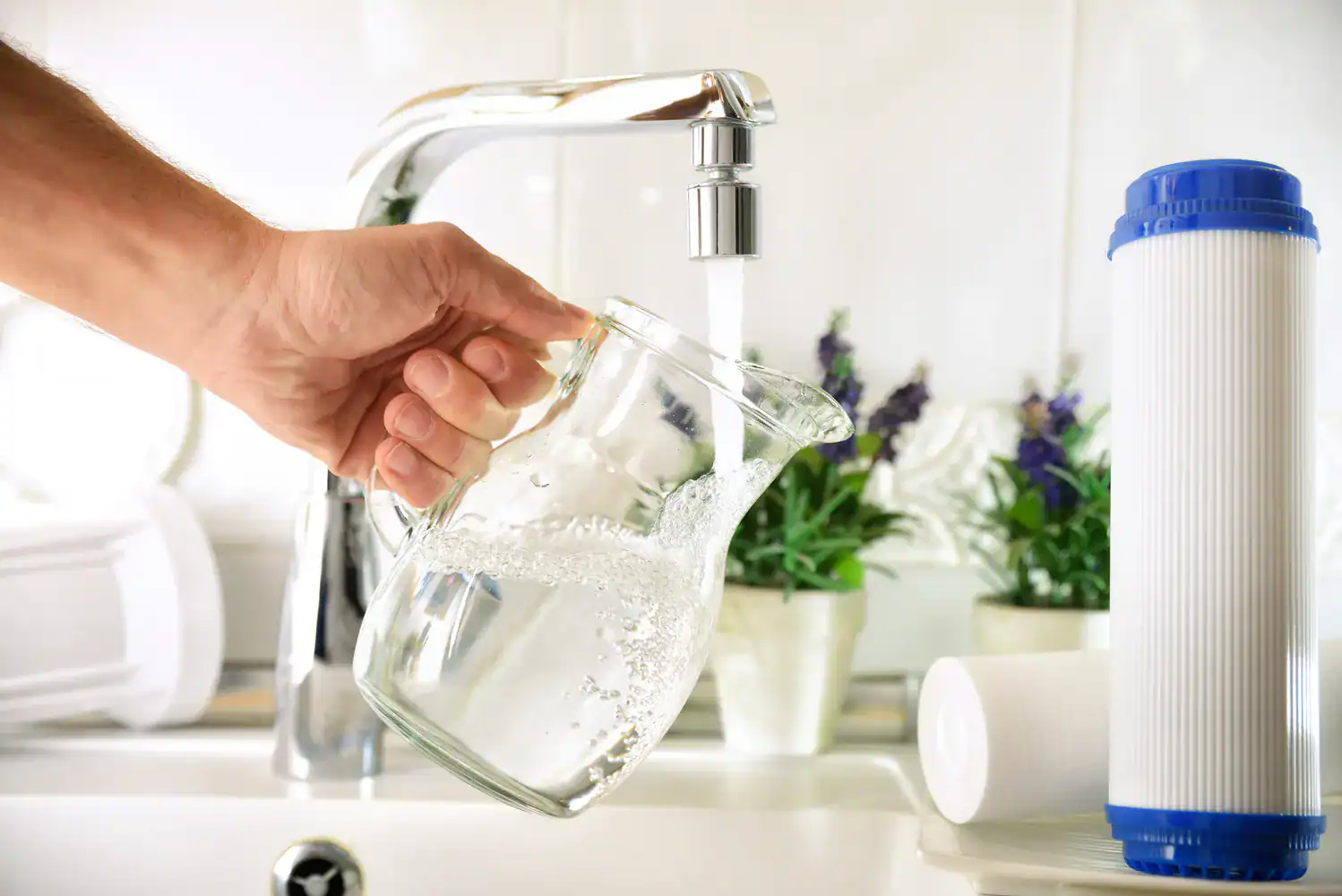
Most whole house systems in Florida run between $800 and $3,000, but that range depends heavily on what your water test shows and what size system your home needs. If you only need basic sediment and carbon filtration, you’re on the lower end. If you need a multi-stage system with a water softener combination to handle both contaminants and hardness, you’re looking at the higher end.
St. Augustine South water typically requires more than a basic setup because you’re dealing with multiple contaminants plus hard water minerals. A comprehensive point-of-entry system that addresses radium, cadmium, chlorine, and hardness will cost more upfront, but it also protects your appliances and plumbing from damage that would cost more to fix later.
We test your water first and give you an exact price based on what you actually need. No guessing, no upselling. Just a system designed for your specific water quality issues.
Yes, if you use a carbon filter. Chlorine is one of the easiest things to remove from water, and whole home carbon filters are specifically designed to handle it. Chlorine gets added during municipal treatment to kill bacteria, but it leaves behind that swimming pool taste and smell.
A carbon filtration stage in your point-of-entry system absorbs chlorine and chloramines before water reaches any tap in your house. That means better-tasting drinking water, but also no chlorine smell in your shower or while you’re washing dishes.
If chlorine is your main issue and you don’t have significant hardness or sediment problems, a carbon-focused system might be all you need. But most St. Augustine South homes benefit from combining carbon filtration with other stages because your water has more than just chlorine to deal with. That’s why testing first matters—you want to remove everything that’s affecting your water quality, not just one thing.
It depends on the type of filter and how much water your household uses. Sediment filters typically need replacement every 6 to 12 months. Carbon filters last longer—usually 2 to 5 years. Backwashing filters clean themselves automatically and only need media replacement every few years.
If your system includes a water softener, you’ll need to add salt regularly (usually every month or two), but the resin tank itself can last 10 to 15 years before needing replacement.
We set up a maintenance schedule based on your specific system and usage. You’ll know exactly when to expect filter changes, and we can handle them during routine service visits. The key is not skipping maintenance—a clogged or exhausted filter stops doing its job, and then you’re back to drinking unfiltered water without realizing it. Regular upkeep keeps your system filtering at peak efficiency.
That depends on what stages your system includes. Multi-stage sediment filtration removes particles, rust, and cloudiness. Whole home carbon filters remove chlorine, chloramines, volatile organic compounds, and some pesticides. If your system includes specialized media, it can also reduce heavy metals like lead and cadmium, plus radionuclides like radium and strontium.
St. Augustine South’s water contains all of those—radium, cadmium, strontium, and TTHMs above health advocacy guidelines, plus chlorine and hardness minerals. A comprehensive point-of-entry system with the right combination of filtration stages can address all of it.
The important thing is matching the system to your water test results. If you don’t have lead in your water, you don’t need a lead filter. If you do have radium (which St. Augustine South does), you need a system that targets radioactive contaminants. Generic systems might miss specific issues. Custom systems handle exactly what’s in your water and nothing you don’t need to pay for.
Probably, if you live in St. Augustine South. Hard water and contamination are two separate problems, and most filters don’t soften water. A standard carbon or sediment filter removes contaminants but doesn’t address calcium and magnesium—the minerals that cause hardness.
Hard water creates scale buildup in pipes and appliances. It makes soap less effective, leaves spots on dishes, and shortens the lifespan of your water heater and washing machine. Even if your water is filtered and safe to drink, hardness still causes those problems.
The good news is you can combine both in one system. A water softener combination setup treats hardness and filters contaminants at the same point of entry. You’re not installing two separate systems—just one comprehensive unit that handles everything. That’s usually the most cost-effective approach for Florida homeowners dealing with both issues, which is most of you.
Please provide your email address so that we can stay in touch and answer any questions you have! We will be reaching back out shortly.
"*" indicates required fields