Reach Out Today
Please provide your email address so that we can stay in touch and answer any questions you have! We will be reaching back out shortly.


Hear from Our Customers
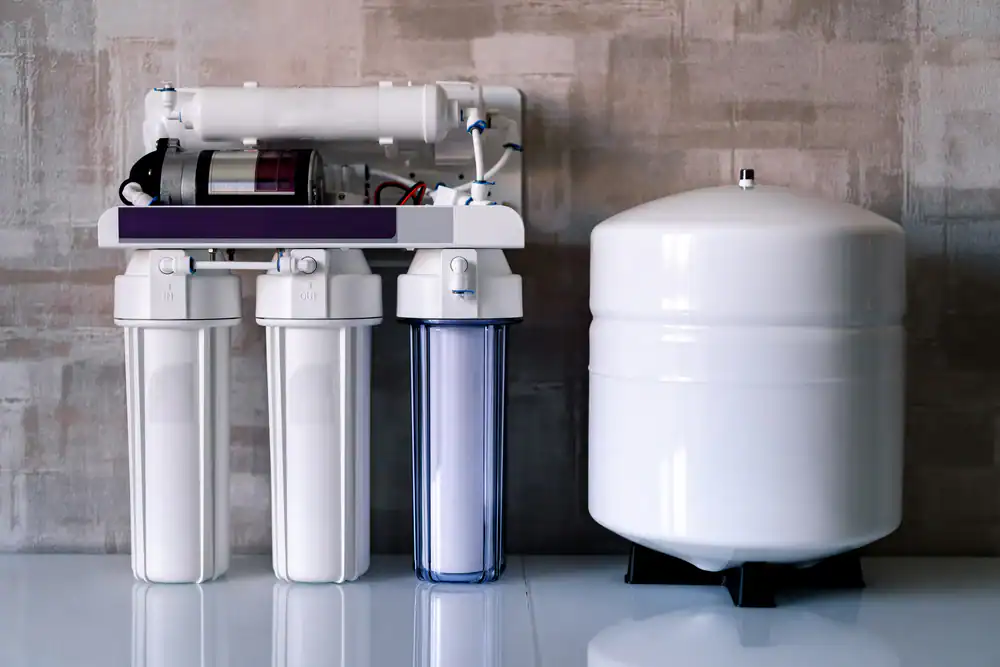
You stop scrubbing white crust off faucets every week. Your shower doors stay clear longer. The water coming out of every tap tastes like water should—not like a swimming pool.
That’s what happens when you install a point-of-entry system designed for St. Augustine Beach’s specific challenges. You’re not just filtering out sediment. You’re removing the dissolved limestone that clogs your water heater, the chlorine byproducts linked to long-term health risks, and the trace contaminants that show up in annual water quality reports but still meet federal limits.
Your appliances last longer because they’re not fighting mineral deposits. Your skin doesn’t feel tight after a shower. And you’re not wondering what you’re actually drinking when you fill a glass from the tap.
Multi-stage sediment filtration handles the visible particles. Whole home carbon filters take care of taste, odor, and chemical contaminants. If hardness is the main issue, a water softener combination addresses both minerals and filtration in one system. The setup depends on what’s in your water—not what works for a neighborhood three counties over.
We’re a local, family-owned business serving St. Augustine Beach and surrounding areas. We don’t do plumbing. We don’t install water heaters. We focus entirely on water treatment, and we’re good at it.
We hold an A+ Better Business Bureau rating with a 5-star review average and zero complaints. We’re members of the National Water Quality Association, which means we follow industry standards that actually matter. And we offer a $500 discount to military members and first responders because this community supports us.
When you call, you’re talking to people who know St. Augustine Beach’s water. We’ve seen what the Upper Floridan aquifer does to home plumbing. We understand why your water smells like chlorine even after the city treats it. And we know which systems hold up in Florida’s humidity and which ones don’t.

First, we test your water. Not just hardness—we’re looking at what’s actually in there. Contaminants, minerals, pH levels, chlorine content. That tells us what kind of system you need and where it should go.
Next, we walk you through the options. If you’ve got heavy limestone content, a water softener combination might make sense. If contamination is the bigger concern, we’ll recommend whole home carbon filters or a more advanced point-of-entry setup with multi-stage sediment filtration. We’re not upselling—we’re matching the system to your water test results.
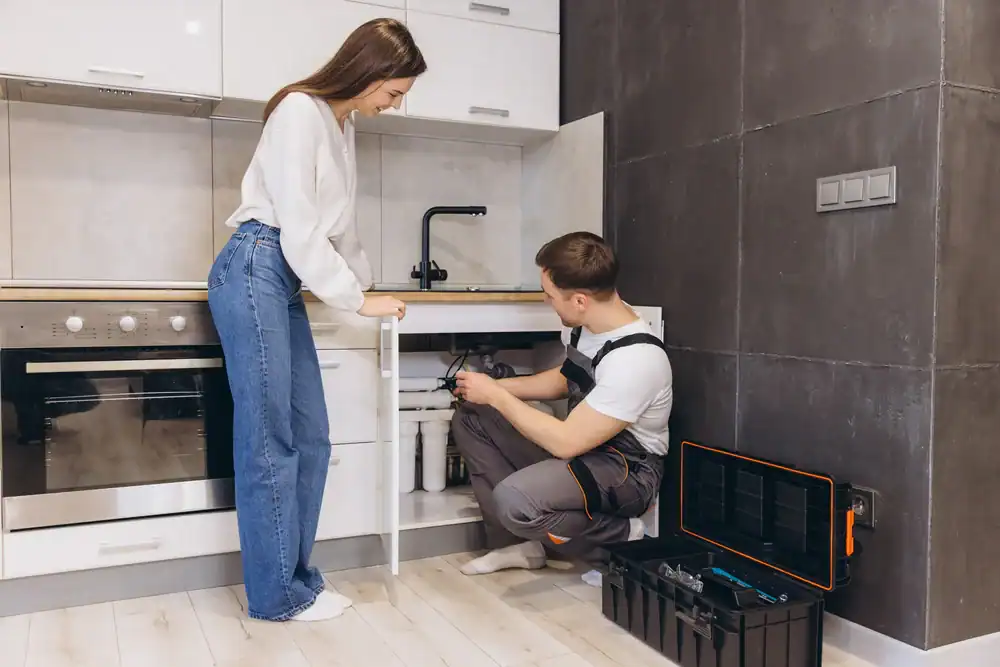
Installation happens at your main water line, before water reaches any fixture or appliance. That means every tap, every shower, every water-using appliance gets treated water. The system includes filter media backwashing to keep everything running efficiently without constant manual maintenance.
After installation, we don’t disappear. We handle ongoing service, filter replacements, and any adjustments. If something stops working right, you call us—not a national customer service line that puts you on hold for an hour.
Ready to get started?
Your system includes the filtration equipment, professional installation at the point of entry, and a water test that shows exactly what we’re removing. You’re not guessing what’s in your water—you’re seeing the numbers.
St. Augustine Beach sits on ancient limestone bedrock. That geology means your groundwater dissolves massive amounts of calcium and magnesium before it even reaches the treatment plant. The city’s reverse osmosis process handles some of it, but plenty still makes it to your home. A whole house water filter catches what municipal treatment misses.
You’ll also see protection from the trihalomethanes that form when chlorine reacts with organic matter in the distribution system. These compounds show up in local water quality reports every year. They’re within federal limits, but they’re still there—and a good carbon filter removes them.
The system we install depends on your test results, but most St. Augustine Beach homes benefit from a combination approach. Sediment filtration for particles, carbon filtration for taste and chemical contaminants, and softening if mineral content is high. Everything’s designed to work together without constant filter swaps or pressure drops that make your shower feel weak.
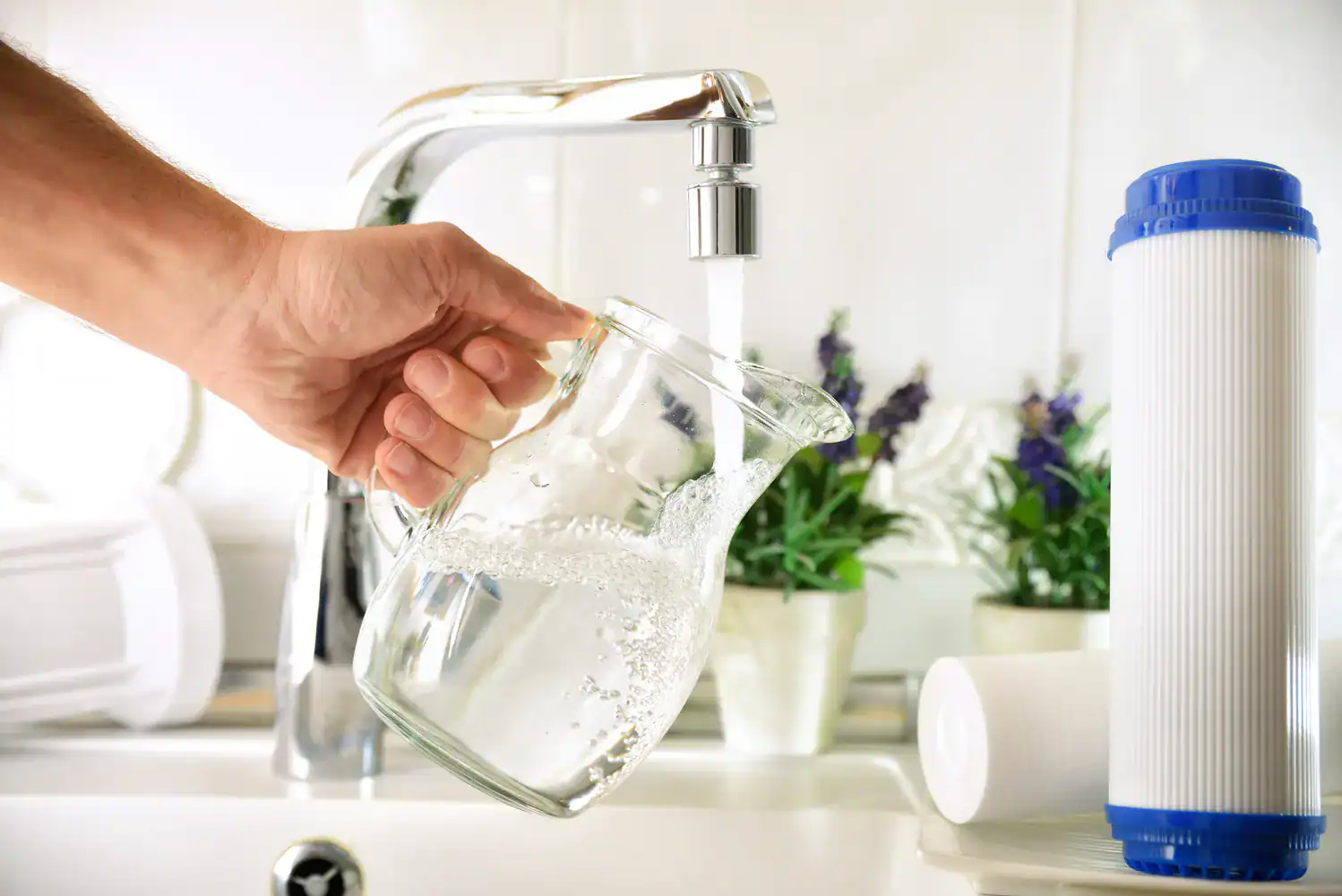
If you’re dealing with white buildup on faucets, soap scum that won’t quit, or water that tastes like chlorine, you’re seeing the effects of St. Augustine Beach’s water chemistry. The limestone geology here creates naturally hard water, and municipal chlorine treatment leaves residual taste and byproducts.
A water test tells you exactly what’s in your supply. We’re looking at hardness levels, chlorine content, pH, and any contaminants that show up in trace amounts. Even if your water meets federal standards, that doesn’t mean it’s ideal for your appliances or your family’s daily use.
Most homes in this area benefit from whole house filtration because the issues aren’t isolated to one faucet. Your water heater, dishwasher, washing machine, and every fixture are all dealing with the same mineral-heavy water. A point-of-entry system addresses the problem before it reaches any of them.
A water softener removes hardness minerals—mainly calcium and magnesium—that cause scale buildup. It uses a process called ion exchange to swap those minerals for sodium or potassium. That stops the white crust on your fixtures and extends appliance life.
A whole house filter removes contaminants, chemicals, sediment, and taste issues. Carbon filters handle chlorine, trihalomethanes, and organic compounds. Sediment filters catch particles and rust. Neither one does what the other does.
In St. Augustine Beach, most homes need both. The geology creates hard water, and the treatment process adds chlorine. A water softener combination system handles minerals and filtration together, giving you soft water that’s also clean and tastes better. You’re not choosing one or the other—you’re addressing two separate problems with one integrated setup.
It depends on the system and your water quality. Carbon filters typically need replacement every 6 to 12 months, depending on usage and contamination levels. Sediment filters might need changing every 3 to 6 months if you have high particulate content.
Water softeners require salt refills and occasional resin bed cleaning, but the system itself can last 10 to 15 years with proper care. Multi-stage systems with filter media backwashing clean themselves automatically, which reduces manual maintenance but doesn’t eliminate it entirely.
We handle ongoing service for the systems we install. That means we’re tracking when filters need changing, testing your water periodically to make sure the system’s still performing, and addressing any issues before they turn into bigger problems. You’re not managing a maintenance schedule on your own or trying to figure out which replacement filter to order online.
A properly sized and installed system shouldn’t cause noticeable pressure loss. If you’re seeing weak flow after installation, something’s wrong—either the system’s undersized for your home’s demand, the filters are clogged, or the installation wasn’t done correctly.
We size systems based on your home’s plumbing and water usage. That means looking at how many bathrooms you have, how many people live there, and what your peak demand looks like. A system that works for a two-person household won’t cut it for a family of five running multiple showers and appliances at once.
Filter media backwashing helps maintain consistent pressure by preventing buildup inside the system. If you’re already dealing with mineral deposits in your pipes from years of untreated hard water, you might actually notice better pressure after installing a whole house filter and softener combination—because you’re preventing new buildup and gradually clearing out what’s already there.
The specific contaminants depend on your system configuration, but a quality point-of-entry setup handles sediment, chlorine, chlorine byproducts like trihalomethanes, and trace amounts of heavy metals. Carbon filtration removes organic compounds, pesticides, and chemicals that affect taste and odor.
St. Augustine Beach’s water comes from the Upper Floridan aquifer, which naturally contains dissolved limestone and trace radioactive elements from the geology. Municipal treatment removes most of the serious contaminants, but chlorine byproducts form in the distribution system after treatment. Those are what you’re dealing with at home.
A multi-stage sediment filtration system catches particles and rust from aging pipes. Whole home carbon filters remove chlorine and organic compounds. If your water test shows specific heavy metals or other contaminants above what you’re comfortable with, we can add specialized filtration media to target those. The system gets built around what’s actually in your water—not a generic setup that might work for someone in a different part of the state.
Please provide your email address so that we can stay in touch and answer any questions you have! We will be reaching back out shortly.
"*" indicates required fields