Reach Out Today
Please provide your email address so that we can stay in touch and answer any questions you have! We will be reaching back out shortly.


Hear from Our Customers
You stop buying bottled water by the case. Your coffee tastes better. Your skin doesn’t feel tight and dry after every shower. The white buildup around your faucets disappears.
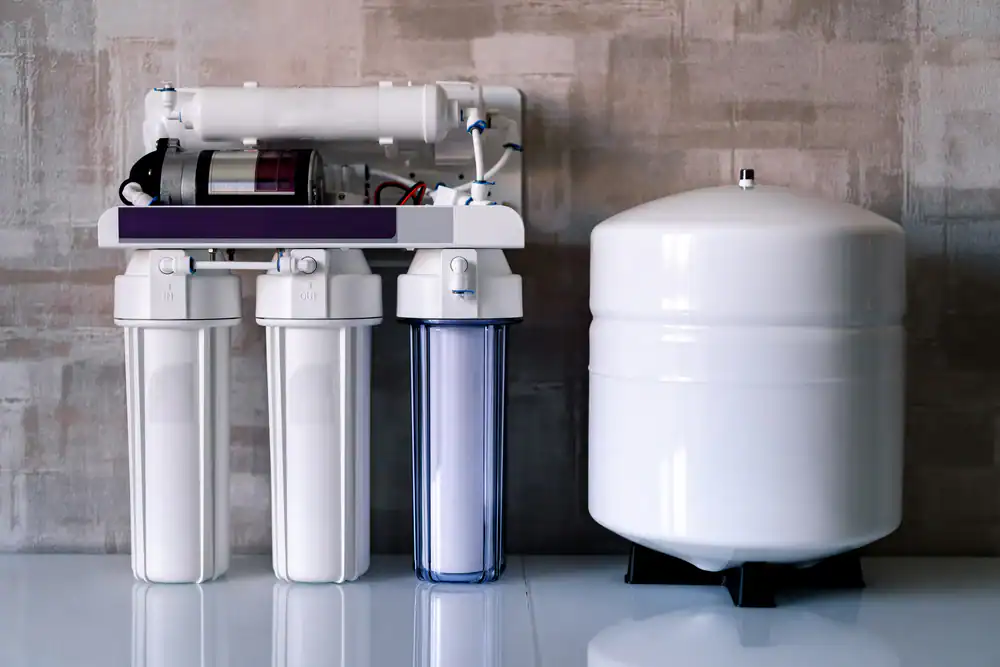
A whole house water filter treats every drop before it reaches any fixture in your home. That means your drinking water, shower water, laundry water, and even the water going into your appliances gets filtered at the point of entry. You’re not just masking problems or treating water at one sink—you’re addressing the source.
Florida’s groundwater picks up calcium and magnesium as it moves through limestone, which is why hard water is so common here in South Eola. Add in the chlorine used for municipal treatment, and you’ve got water that tastes off, leaves residue, and can irritate sensitive skin. A point-of-entry system with multi-stage sediment filtration and whole home carbon filters handles both issues—removing the minerals that cause hardness and the chemicals that affect taste and smell.
We’ve been serving homeowners in South Eola and Central Florida for years, and we’re members of the National Water Quality Association. We hold an A-rating with the Better Business Bureau with a 5-star rating and zero complaints.
We don’t do plumbing or water heaters. We focus entirely on water purification, softening, and filtration—specifically whole-house systems that are custom-designed based on your water test results and your family’s actual usage. That focus matters because it means we’re not trying to upsell you on services outside our expertise.
We also offer a $500 discount for military members and first responders, and we’re involved with the Tunnels to Towers Foundation. If you’ve been burned by a national company that sold you a system and then disappeared when you needed service, you’re exactly who we built this business for.
First, we test your water. Not a guess, not a generic recommendation—an actual analysis of what’s in your specific water supply. That tells us what contaminants we’re dealing with, how hard your water is, and whether you’re on well or city water.
Then we design a system around those results. Most whole house systems use a combination of sediment filters, carbon filtration, and sometimes a water softener or salt-free conditioner depending on your hardness levels. The system gets installed at your main water line—the point of entry—so everything downstream is filtered.
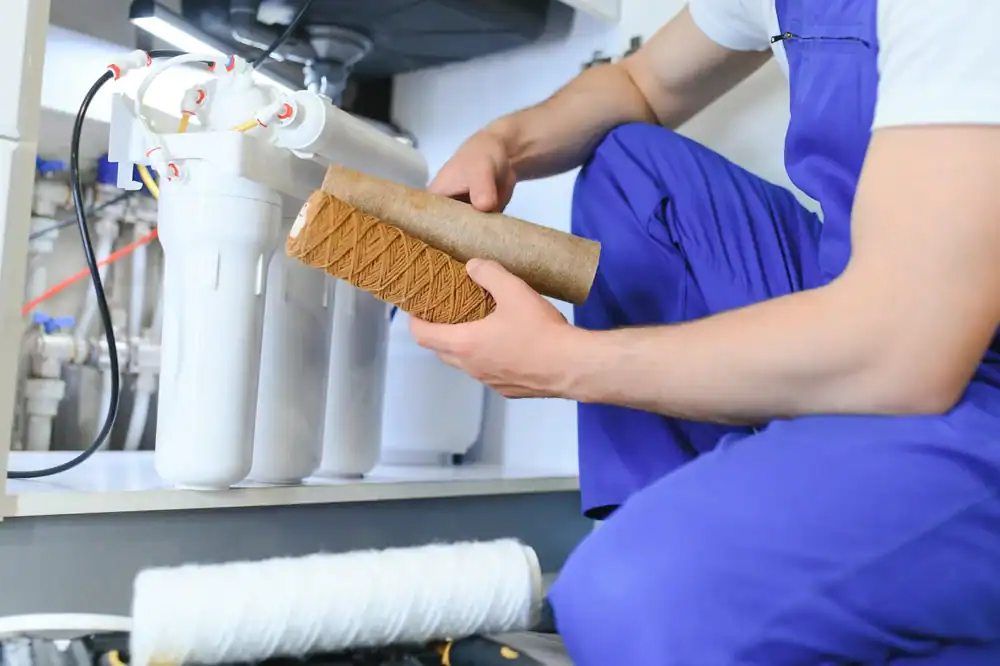
Once it’s in, the filter media does the work. Sediment filters catch particles and debris. Carbon filters remove chlorine, volatile organic compounds, and chemicals that affect taste. If you need softening, that stage handles the calcium and magnesium. Some systems include UV purification to kill bacteria and microorganisms.
You’ll need to backwash the filter media periodically and replace cartridges on a schedule, which we walk you through. But the day-to-day experience is simple: you turn on the tap, and the water is clean.
Ready to get started?
Every system we install is built around your water test and your home’s specific needs. That might mean a multi-stage sediment filtration setup with whole home carbon filters if you’re dealing with chlorine and taste issues. It might mean adding a water softener combination if your hardness levels are high enough to damage appliances and leave spots on everything.
In South Eola, we see a lot of homes dealing with hard water because of the limestone aquifer, plus chlorine or chloramines from city treatment. A point-of-entry system addresses both. You get softer water that doesn’t leave scale buildup in your pipes or on your fixtures, and you get rid of the chemical taste and smell that makes your water unpleasant to drink.
We also install UV purification systems for homes that want an extra layer of protection against bacteria and waterborne organisms. The Purelight system uses ultraviolet light to kill contaminants without adding chemicals, which is a good fit if you’re on well water or just want peace of mind.
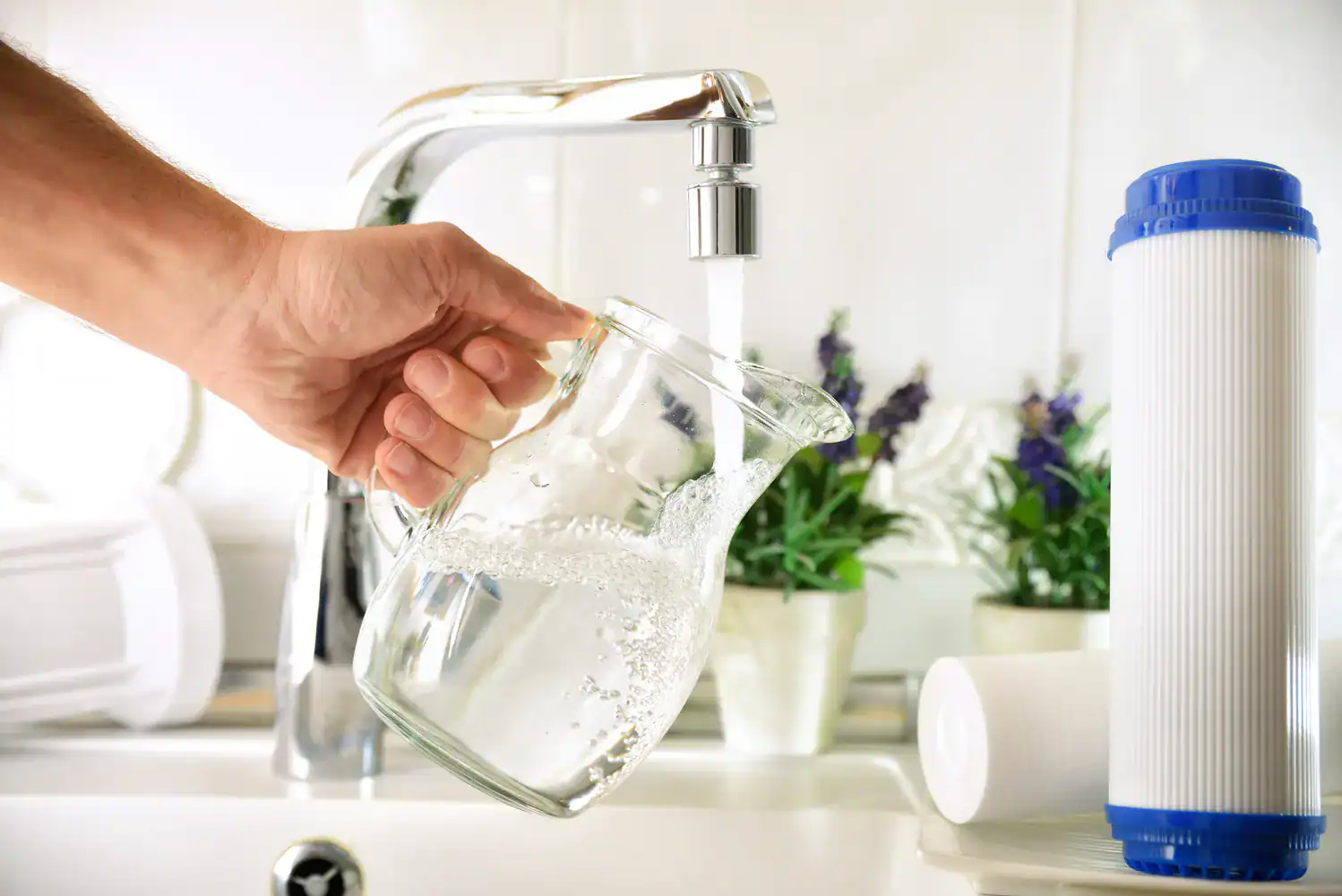
The result is water that tastes clean, doesn’t irritate your skin, and stops damaging your appliances. Your water heater lasts longer. Your soap and detergent work better. You’re not spending money on bottled water or dealing with crusty buildup on your showerhead every few months.
It depends entirely on what your water test shows and what size system your home needs. A basic point-of-entry carbon filter system for a smaller home might start around a few thousand dollars. A more comprehensive setup with multi-stage filtration, a water softener combination, and UV purification can run higher.
The reason there’s no one-size-fits-all price is because your water is different from your neighbor’s water. Hardness levels vary. Contaminant levels vary. The number of bathrooms and people in your home affects flow rate requirements. We test first, then design the system around your specific situation, so you’re not paying for features you don’t need or getting a system that’s undersized for your home.
What matters more than the upfront cost is what you’re getting: a system that actually solves your water problems, lasts for years, and comes with real service and support. We’ve heard from plenty of South Eola homeowners who bought cheaper systems from national companies and ended up replacing them because they didn’t work or because the company wouldn’t come back to service what they sold.
A water softener removes the minerals that cause hardness—mainly calcium and magnesium. It uses a process called ion exchange to swap those minerals for sodium or potassium, which prevents scale buildup in your pipes and on your fixtures. Softeners are great for protecting appliances and getting rid of hard water spots, but they don’t remove chlorine, chemicals, or other contaminants that affect taste and smell.
A whole house water filter, on the other hand, focuses on removing sediment, chlorine, volatile organic compounds, and other contaminants. It improves taste, eliminates odors, and reduces exposure to chemicals in your water. But a standard carbon filter doesn’t soften your water—it doesn’t remove hardness minerals.
That’s why a lot of South Eola homes benefit from a water softener combination system. You get the filtration that makes your water taste and smell better, plus the softening that protects your plumbing and appliances. We design systems that handle both issues in one point-of-entry setup, so you’re not dealing with separate units or partial solutions.
It depends on the type of filter media you’re using and how much water your household uses. Sediment pre-filters typically need replacement every three to six months because they’re catching particles and debris before they reach your main filtration stages. Carbon filters usually last six months to a year, depending on your water quality and usage.
Some whole house systems use filter media that gets backwashed instead of replaced. That means the system automatically rinses the media to remove trapped contaminants, which extends its lifespan significantly. You might go several years before needing to replace the actual media in a backwashing system.
We walk you through the maintenance schedule when we install your system, and we can set up reminders or service visits if you’d rather not think about it. The key is staying on schedule—a clogged or exhausted filter stops doing its job, and you’ll notice the difference in your water quality. Most South Eola homeowners find the maintenance straightforward once they understand the rhythm.
Standard carbon filters can reduce some PFAS, but if your water test shows significant levels of these contaminants, you’ll need a more advanced filtration setup. Reverse osmosis systems are highly effective at removing PFAS, but they’re typically used at the point of use—like under your kitchen sink—because they produce water more slowly and generate wastewater.
For whole house PFAS removal, you’re looking at specialized media designed to target these compounds. It’s more expensive than standard carbon filtration, but it’s the right solution if your water test confirms the presence of forever chemicals. South Eola gets its water from sources that can be affected by industrial runoff and agricultural contamination, so testing is the first step.
We design systems based on what’s actually in your water, not what might be there. If PFAS is a concern, we’ll recommend the filtration technology that handles it. If it’s not showing up in your test, we won’t upsell you on equipment you don’t need. The goal is to solve your specific water problems with the right combination of filtration stages.
You need a professional. A whole house system gets installed at your main water line, which means you’re working with your home’s plumbing infrastructure. The installation involves shutting off your water supply, cutting into the main line, installing the system at the point of entry, and making sure everything is sealed, pressurized, and functioning correctly.
If it’s not done right, you’re looking at leaks, pressure issues, or a system that doesn’t filter properly because the flow rate is off. You’re also dealing with the sizing and placement of the system, which affects how well it works and how easy it is to maintain. A system that’s too small for your home won’t keep up with demand. A system that’s installed in a tight space becomes a nightmare when you need to change filters.
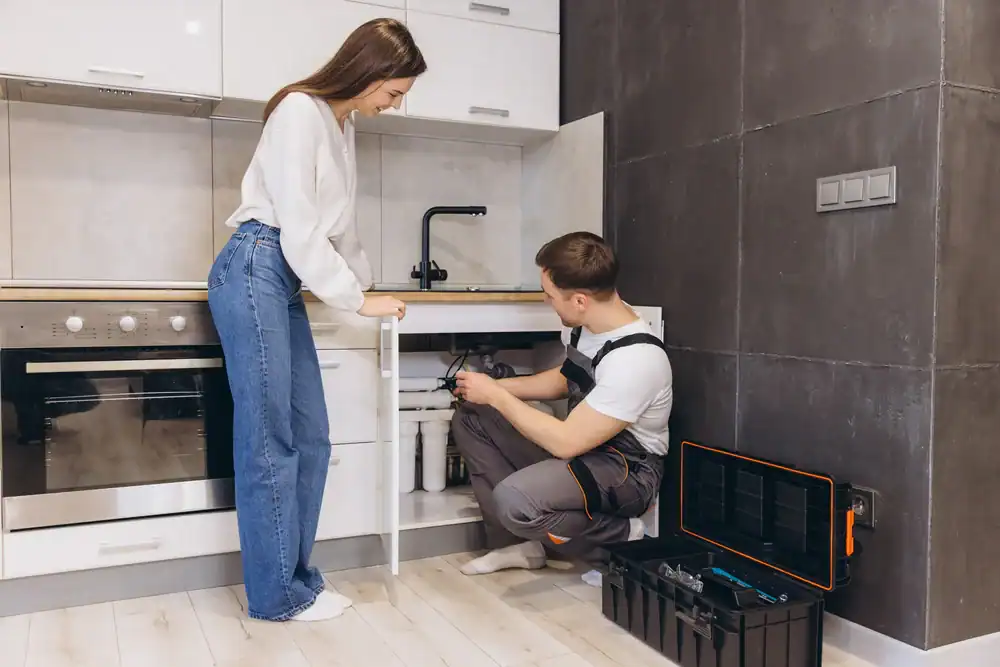
We handle the installation as part of the service, and we make sure the system is properly sized for your household, installed in a location that makes sense, and set up for easy maintenance. You’ll also get a walkthrough of how everything works and what to watch for. South Eola homeowners who’ve tried to DIY these systems usually end up calling us to fix what went wrong—it’s worth doing it right the first time.
Please provide your email address so that we can stay in touch and answer any questions you have! We will be reaching back out shortly.
"*" indicates required fields