Reach Out Today
Please provide your email address so that we can stay in touch and answer any questions you have! We will be reaching back out shortly.


Hear from Our Customers
Your skin stops feeling tight and itchy after showers. Your hair holds color longer and doesn’t feel like straw. The weird taste in your coffee disappears.
Your water heater stops fighting mineral buildup that kills efficiency. Your dishwasher and washing machine last years longer because they’re not constantly battling corrosion from chlorine and sediment. You stop buying bottled water by the case.
Point-of-entry systems treat water right where it enters your home. That means every faucet, every shower head, every appliance gets the same clean water. No more choosing between filtered drinking water and everything else running straight from the city line.
Hard water in Rosemont North averages over 17 grains per gallon in some areas. That’s classified as extremely hard. It’s why you see white buildup on fixtures, why soap doesn’t rinse clean, and why your water-using appliances fail earlier than they should.
We hold an A rating with the Better Business Bureau and a 5-star rating with zero complaints. We’re members of the National Water Quality Association, which means we stay current on water treatment technology and industry standards.
We don’t do plumbing. We don’t install water heaters. We focus entirely on water purification, softening, and filtration because that’s what we’re good at.
Rosemont North sits in an area where Florida’s aquifer water faces contamination from the state’s porous limestone and high water table. Orlando’s municipal water scores a C+ overall and drops to a C on health guidelines. It meets EPA legal minimums, but that’s not the same as being ideal for your family long-term.
We offer free in-home water analysis because your water issues aren’t the same as your neighbor’s. What you need depends on your specific water source, your home’s plumbing age, and how many people live there.

First, we test your water. Not just city reports, but your actual water at your tap. We’re looking at hardness levels, chlorine concentration, iron, manganese, pH, and total dissolved solids.
Then we design a system based on what we find. Some homes need multi-stage sediment filtration combined with whole home carbon filters to handle chlorine. Others need a water softener combination to address extreme hardness plus a separate filter for taste and odor. There’s no one-size-fits-all setup.
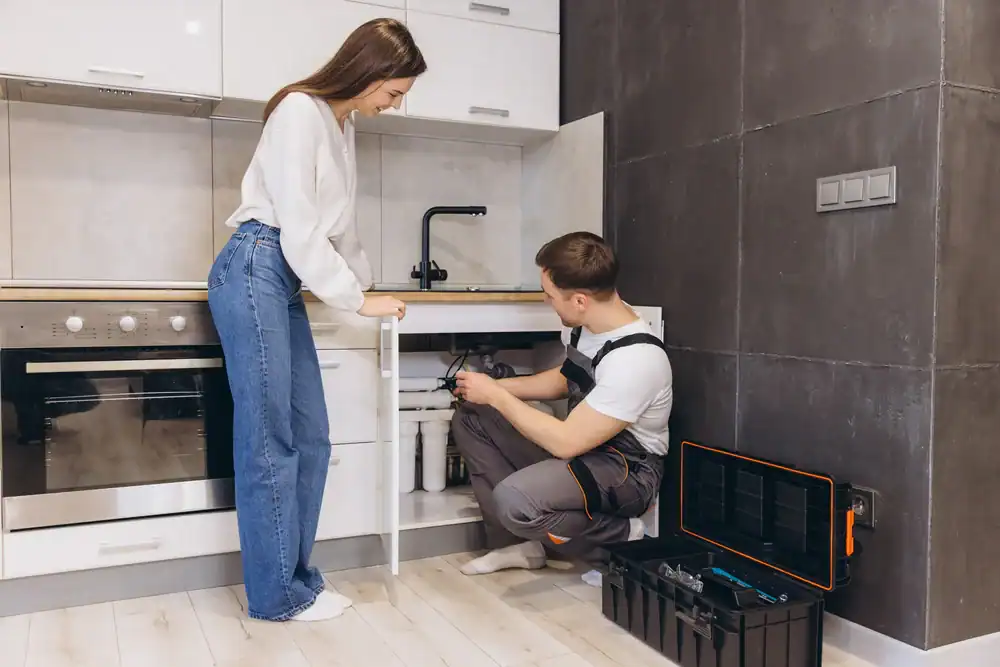
Installation happens at your main water line before water branches off to different areas of your home. We’re typically talking about a few hours of work, depending on your home’s layout and the system complexity. The system sits between your meter and your home’s plumbing.
After installation, you’ll notice the difference immediately at every tap. Filter media backwashing happens automatically on most systems, flushing out trapped sediment and contaminants so your system keeps working efficiently. We’ll walk you through the maintenance schedule, which is usually minimal compared to the problems you’re avoiding.
Ready to get started?
A point-of-entry system treats all the water entering your home. That includes cold water, hot water going to your water heater, water to your refrigerator’s ice maker, and water to every bathroom and laundry connection.
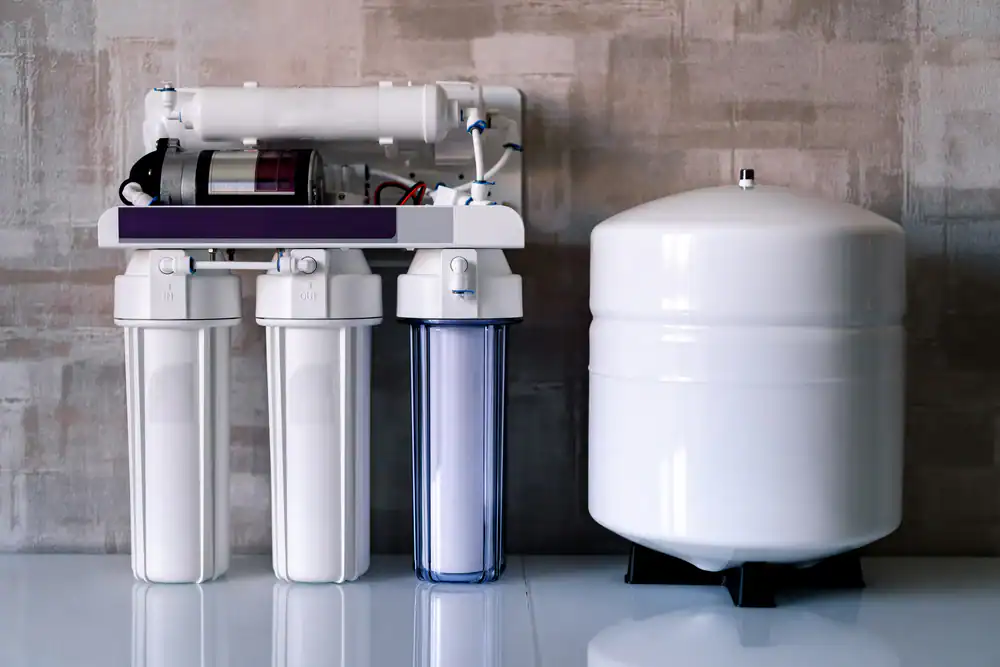
Multi-stage sediment filtration removes particles, rust, and debris before they reach your fixtures and appliances. Whole home carbon filters pull out chlorine, chloramines, and organic compounds that cause taste and odor issues. If you’re dealing with Florida’s notorious hard water, a water softener combination removes the calcium and magnesium that cause scale buildup and soap scum.
In Rosemont North, where 66% of households are families and 38% have children, parents want to know their kids aren’t bathing in chlorine levels that irritate sensitive skin. They want to know nitrates aren’t in the water their infants drink. They want appliances to last longer than three years before hard water destroys them.
Your system gets custom-designed after we analyze your water. We’re not selling you a pre-packaged unit that may or may not address your specific problems. We’re building a solution based on your water test results and your household’s daily water usage.
You’ll also get professional installation and ongoing service. We don’t sell systems and disappear. We service what we install, and we service other brands too if you’ve already got something that needs maintenance.
The honest answer is it depends on what your water needs. A basic sediment and carbon filtration system for a smaller home with decent municipal water might run a few thousand dollars. A more complex setup with water softening, advanced filtration, and higher capacity for a larger home with well water or serious contamination issues can cost significantly more.
Here’s why the range is so wide. Your water test results dictate what equipment you actually need. If your water has high iron content, you need an iron filter. If hardness is above 10 grains per gallon, you probably want a softener. If chlorine levels are high, carbon filtration becomes essential.
The size of your home matters too. More bathrooms, more people, and higher daily water usage require larger capacity systems and more robust equipment. A 1,500 square foot home with two people has different needs than a 3,000 square foot home with five people.
Most families find that the investment pays itself back through lower appliance replacement costs, eliminated bottled water purchases, and reduced maintenance on water heaters and other equipment. Hard water buildup alone can reduce water heater efficiency by nearly 50%, which shows up on your energy bill every month.
It removes whatever your specific system is designed to target. That’s why water testing comes first. Generic answers don’t help you.
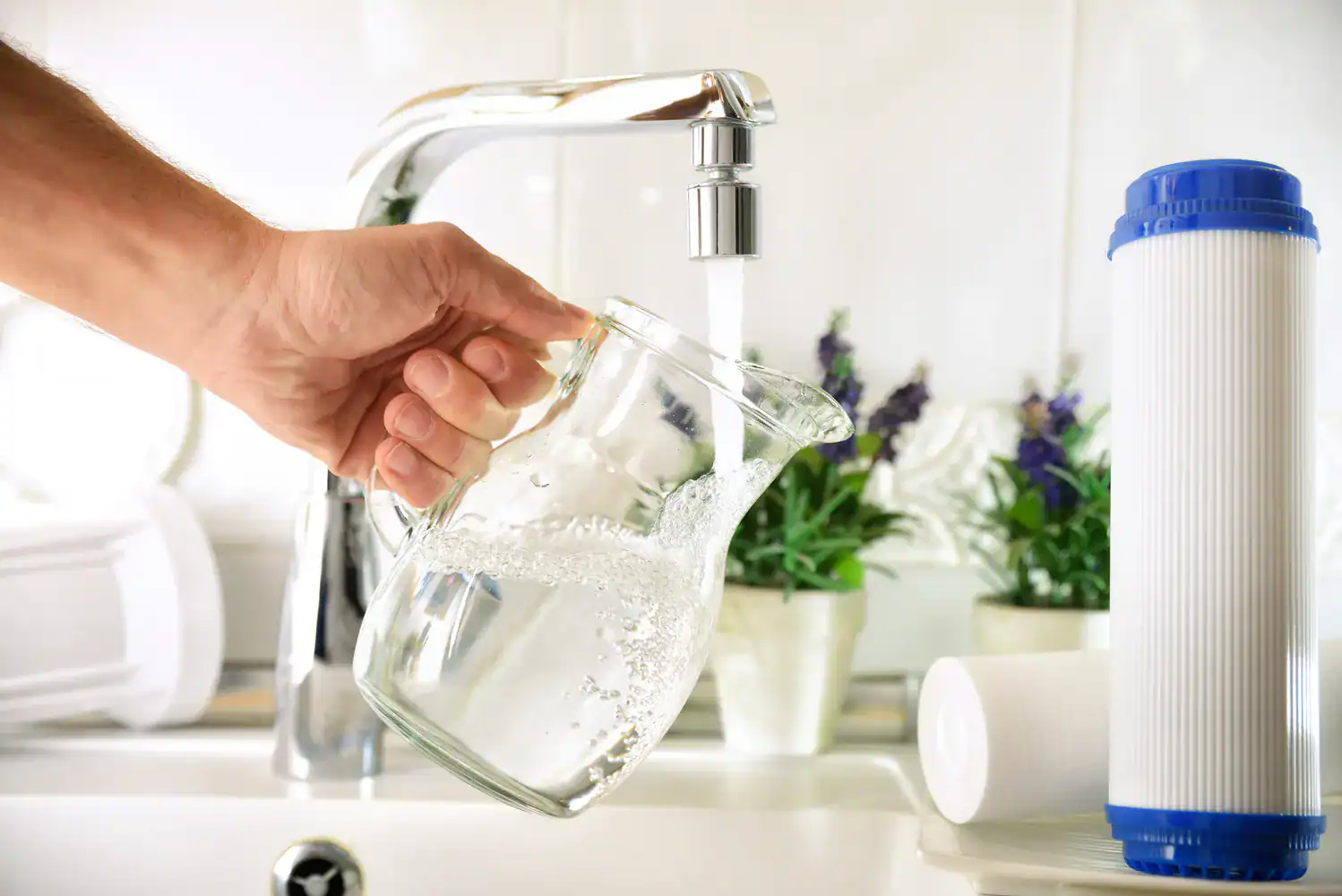
Most systems in this area handle chlorine and chloramines, which the city adds for disinfection but which cause taste, odor, and skin irritation issues. Carbon filtration pulls these out effectively. Sediment filters catch rust, dirt, and particulate matter that comes through aging pipes.
If your water has high hardness, which is common around Rosemont North, a water softener removes calcium and magnesium. If iron or manganese shows up in your test, you need specific filtration media designed for those metals. Some homes need pH correction if water is too acidic and corroding pipes.
Advanced systems with reverse osmosis stages can remove up to 99% of dissolved solids, heavy metals, bacteria, and viruses. But not every home needs that level of treatment. It depends entirely on what’s actually in your water versus what you’re trying to accomplish.
Florida’s aquifer contamination is a real issue because of the porous limestone and high water table. Polluted stormwater and agricultural runoff can introduce nitrates, pesticides, and other contaminants. Your water test will show whether these are present at levels that need addressing.
Most systems need filter changes every six to twelve months, depending on your water quality and household usage. If your water has high sediment or iron content, you might need more frequent changes. If your water is relatively clean to start with, you might stretch it longer.
Carbon filters typically last six to nine months before they’re saturated and stop removing chlorine effectively. Sediment pre-filters might need changing every three to six months if you’re dealing with a lot of particulate matter. Water softeners need salt replenishment regularly, usually every few weeks depending on hardness levels and water usage.
Many modern systems include automatic backwashing, which flushes trapped contaminants out of the filter media without you doing anything. This extends the life of the system and keeps it working efficiently between service visits.
We recommend annual professional inspections even if everything seems fine. We’ll check system pressure, inspect for leaks, test your water to confirm the system is still performing correctly, and replace any filters or media that are due. Catching small issues early prevents bigger problems later.
The maintenance is minimal compared to constantly dealing with hard water damage, replacing corroded appliances, or buying bottled water every week. Most homeowners find it’s less hassle than they expected.
A properly sized and installed system shouldn’t cause noticeable pressure loss. If you experience pressure drops, it usually means the system is undersized for your home’s flow rate, the filters are clogged and overdue for replacement, or there’s an installation issue.
When we design your system, we calculate your home’s peak flow rate based on how many fixtures might run simultaneously. A family of four might have a shower, dishwasher, and washing machine running at the same time during morning routines. Your system needs to handle that flow without restriction.
Filter size matters here. Larger filter housings with bigger media beds allow water to pass through with less resistance. Undersized filters create bottlenecks. This is why proper system design based on your specific home matters more than just buying the cheapest unit available.
If you already have low water pressure before installing a filtration system, that’s a separate issue. Whole house filters don’t fix existing pressure problems caused by old pipes, partially closed valves, or municipal supply issues. But they shouldn’t make good pressure worse.
Regular filter maintenance keeps pressure consistent. As filters trap contaminants, they gradually restrict flow. Changing filters on schedule prevents this from becoming noticeable. If you suddenly notice pressure drops, it’s usually a sign your filters need attention.
They solve different problems, so many homes in Rosemont North benefit from both. A water softener removes hardness minerals like calcium and magnesium through an ion exchange process. A filter removes sediment, chlorine, taste and odor compounds, and other contaminants through physical or chemical filtration.
If your water is hard, a softener stops scale buildup in pipes and appliances, eliminates soap scum, and makes your water feel better on skin and hair. But it doesn’t remove chlorine, sediment, or improve taste. You still have those issues.
If you only install a filter without a softener, you’ll have better-tasting water and no chlorine smell, but you’ll still get mineral deposits on fixtures and reduced appliance life from hard water. Your dishes will still spot. Your soap still won’t lather well.
The most effective setup for homes with both hard water and chlorine issues is a sediment pre-filter, then a water softener, then carbon filtration. The pre-filter protects the softener from sediment damage. The softener removes hardness. The carbon filter removes chlorine and improves taste. Each component handles what it’s designed for.
Your water test tells us what you actually need. Some homes have soft water naturally but high chlorine, so they only need filtration. Other homes have extremely hard water but low chlorine, so they prioritize softening. We design based on your results, not a standard package.
Please provide your email address so that we can stay in touch and answer any questions you have! We will be reaching back out shortly.
"*" indicates required fields