Reach Out Today
Please provide your email address so that we can stay in touch and answer any questions you have! We will be reaching back out shortly.


Hear from Our Customers
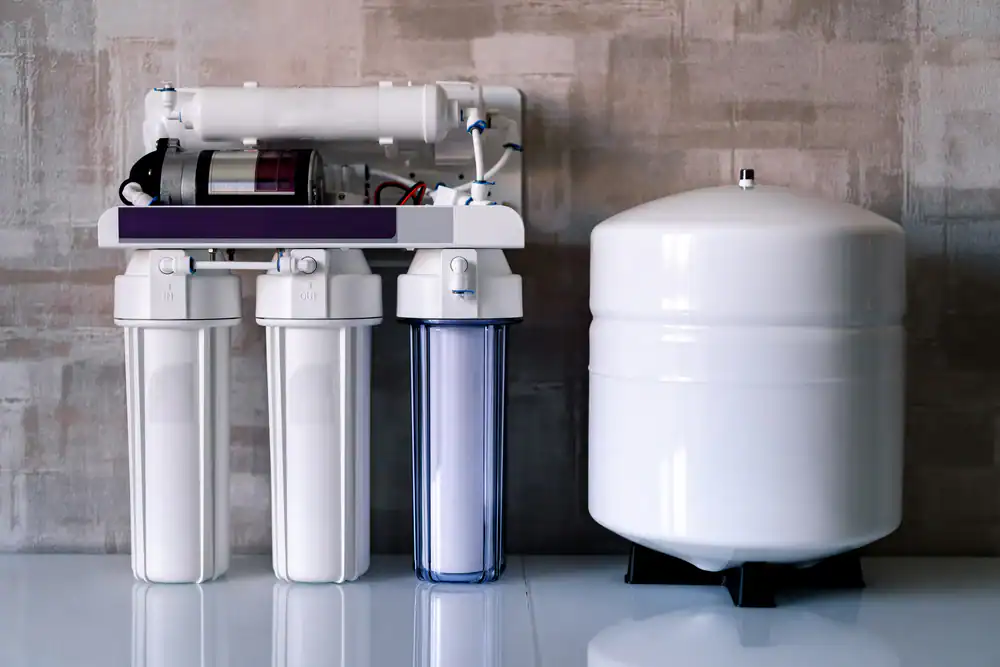
Your shower stops drying out your skin. Your coffee tastes better. Your appliances last longer because they’re not clogged with sediment and scale.
A whole house water filter installs at your main water line—the point of entry—so every drop that enters your home gets filtered first. That means chlorine, sediment, heavy metals, and other contaminants get caught before they reach your faucets, showerheads, or washing machine.
You’re not just filtering drinking water. You’re protecting your water heater from buildup, your clothes from discoloration, and your family from exposure to things municipal treatment doesn’t always catch. It’s comprehensive protection that works quietly in the background while you go about your day.
We hold an A rating with the Better Business Bureau and a 5-star rating with zero complaints. That’s not common in this industry, especially when you compare us to national companies that sell systems but don’t service them.
We’re members of the National Water Quality Association, which means we stay current on certifications, emerging contaminants like PFAS, and the latest filtration technology. We specialize in whole-house purification projects across Lincolnville and the greater St. Augustine area, and we actually show up when you need service.
If you’re military or a first responder, we offer a $500 discount. We also support the Tunnels to Towers Foundation because we believe in giving back to the people who serve.

We start with a water quality test to see what’s actually in your water. Lincolnville’s municipal supply is treated, but aging infrastructure and local conditions can introduce sediment, chlorine byproducts, and hardness that affect your home.
Once we know what we’re dealing with, we recommend a system that fits your needs—whether that’s multi-stage sediment filtration, whole home carbon filters, or a water softener combination if hardness is an issue. These are point-of-entry systems, meaning they install where water enters your home and treat everything downstream.
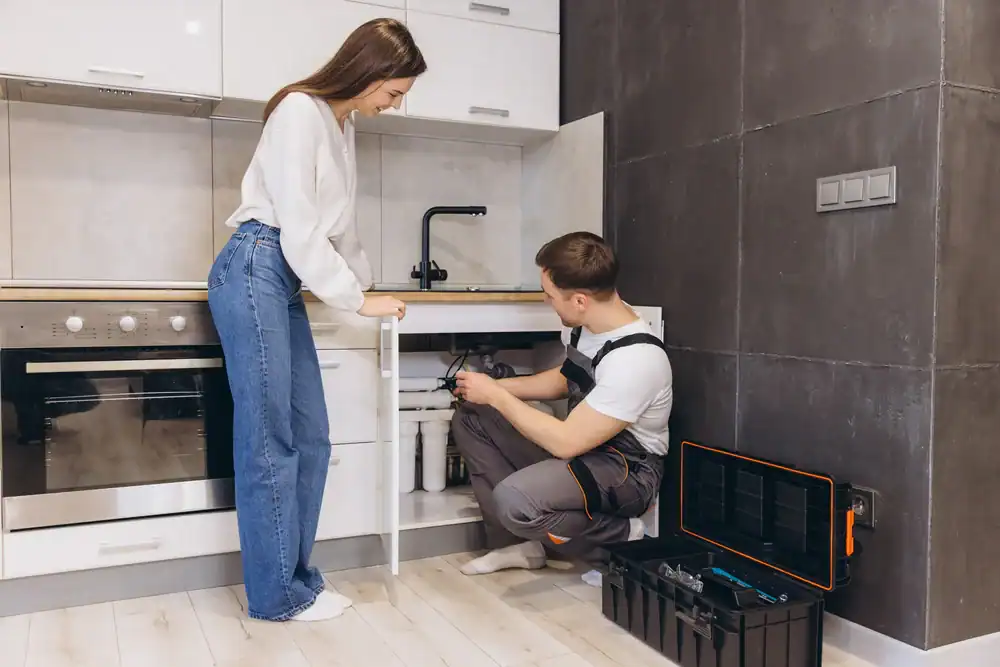
Installation typically takes a few hours. We connect the system to your main line, set up filter media backwashing if applicable, and walk you through maintenance. Most systems we install have capacities between 600,000 and 1,000,000 gallons, so you’re not changing filters every month. Maintenance averages $80 to $500 annually depending on your system and water usage.
Ready to get started?
A point-of-entry system treats water at the source, so you get filtered water everywhere—not just at one sink. That includes your kitchen, bathrooms, laundry, water heater, dishwasher, and any other fixture connected to your plumbing.
Most whole home systems use multi-stage filtration: a sediment filter catches particles, a carbon filter removes chlorine and organic compounds, and depending on your setup, you might add reverse osmosis or UV sterilization for advanced protection. If you have hard water—which is common in Florida—we can integrate a softener to handle scale and mineral buildup at the same time.
In Lincolnville, we see a mix of municipal water users and well water systems. Municipal water is chlorinated, which protects against bacteria but leaves a taste and smell many people don’t want. Well water can carry sulfur, iron, tannins, and sediment depending on your location. A whole house filter addresses both scenarios, and we size the system based on your household’s water usage and the specific contaminants present.
Installation typically ranges from $1,200 to $5,800 depending on the system type, capacity, and whether you’re adding features like a water softener or UV sterilization. Most homeowners land around $2,500 for a solid point-of-entry system that handles standard filtration needs.
The upfront cost is higher than a countertop pitcher, but you’re treating every gallon that enters your home—not just what you drink. That protects your plumbing, extends appliance life, and eliminates the need for bottled water. Over time, the math works in your favor.
We give you a quote after testing your water, so you know exactly what you’re paying for and why. No surprises, no upselling features you don’t need.
A quality whole home carbon filter removes chlorine, chloramine, sediment, rust, volatile organic compounds, and many heavy metals. If you add reverse osmosis, you’re also filtering out fluoride, lead, arsenic, nitrates, and emerging contaminants like PFAS and microplastics.
Lincolnville’s municipal water meets EPA standards, but those standards don’t account for everything. Aging pipes can introduce lead or copper. Chlorine is added for disinfection but leaves a taste and can dry out skin and hair. Sediment from the distribution system can clog fixtures and damage appliances.
We test your water first so we’re not guessing. That tells us what’s present and what filtration media will handle it. If you’re on well water, we look for iron, sulfur, tannins, bacteria, and hardness—all common in this area.
It depends on the system and your water quality, but most whole house filters need media replacement or backwashing maintenance every 6 to 12 months. Sediment pre-filters might need changing every 3 to 6 months if your water is particularly dirty.
Higher-end systems with backwashing capability clean themselves, which reduces how often you need to do anything. These systems flush accumulated sediment out of the filter media automatically, so you’re not pulling cartridges every few months.
We set up a maintenance schedule based on your system and water usage. Annual maintenance costs typically run $80 to $500, which includes filter replacements, media checks, and any adjustments. That’s a lot less than replacing a water heater early because of scale buildup.
Yes, and in many cases it makes sense to install both. A whole house filter removes contaminants like chlorine, sediment, and organic compounds. A water softener removes hardness minerals—calcium and magnesium—that cause scale buildup in pipes and appliances.
Florida water tends to be hard, especially in areas with limestone aquifers. If you’re dealing with both hardness and chlorine or sediment, a combination system handles everything at once. The filter typically installs first to remove particles that could damage the softener resin, then the softener treats hardness before water reaches your fixtures.
We evaluate your water during testing and recommend what actually makes sense for your situation. Not everyone needs a softener, but if you’re seeing white buildup on faucets or your water heater is struggling, it’s worth addressing.
A properly sized system shouldn’t cause noticeable pressure loss. If the filter is too small for your household’s flow rate, or if it’s clogged and overdue for maintenance, then yes—you’ll see a drop.
That’s why sizing matters. We calculate your peak flow rate based on how many fixtures might run simultaneously, then match the system to handle that volume without restriction. Most whole home filters are designed for flow rates between 10 and 25 gallons per minute, which covers typical household demand.
If you do notice pressure loss after installation, it’s usually a sign the pre-filter needs changing or the system needs backwashing. Regular maintenance keeps flow consistent, and we walk you through what to watch for so you’re not caught off guard.
Please provide your email address so that we can stay in touch and answer any questions you have! We will be reaching back out shortly.
"*" indicates required fields