Reach Out Today
Please provide your email address so that we can stay in touch and answer any questions you have! We will be reaching back out shortly.


Hear from Our Customers
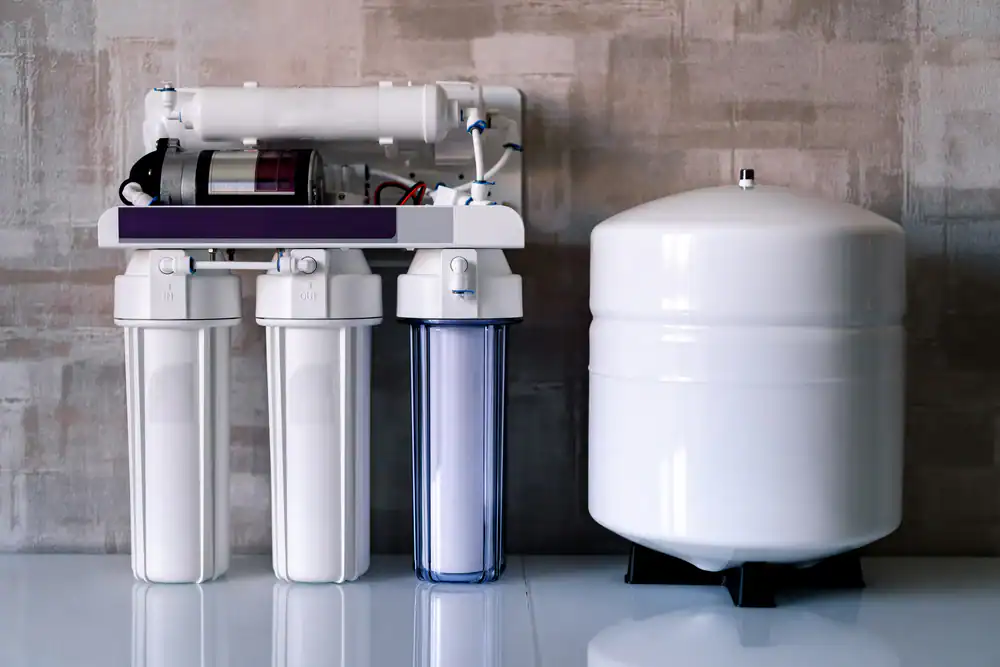
You stop worrying every time someone turns on a faucet. The sulfur smell that made you embarrassed when guests came over? Gone. Those orange rings in your toilets and rust stains on your fixtures? They stop forming because the iron’s being filtered out before it reaches your plumbing.
Your appliances last longer. Water heaters don’t corrode as fast. Dishwashers and washing machines don’t work as hard. You’re not replacing fixtures every few years because hydrogen sulfide ate through the brass and copper.
And you’re not buying bottled water anymore. Every tap in your house delivers clean water that tastes normal and doesn’t smell like something died in your pipes. That’s what a point-of-entry system does—it treats the water before it enters your home, so every shower, every glass, every load of laundry gets filtered water.
Quality Safe Water of Florida LLC focuses exclusively on water purification and filtration. We don’t do plumbing repairs or water heater installs. We design and install whole home water treatment systems for Liberty Triangle and Lake County homeowners dealing with the water problems that come with Florida’s limestone geology.
We’re A-rated by the Better Business Bureau with a 5-star rating and zero complaints. We’re members of the National Water Quality Association. And we actually service what we sell—which matters when you’re comparing us to national companies with terrible reputations for disappearing after installation.
Around 52% of wells in this area contain detectable hydrogen sulfide. Iron bacteria is common. The shallow water table and sandy soil mean contamination risks are higher than most places. We test your specific water, then build a multi-stage filtration system that addresses what’s actually in it.
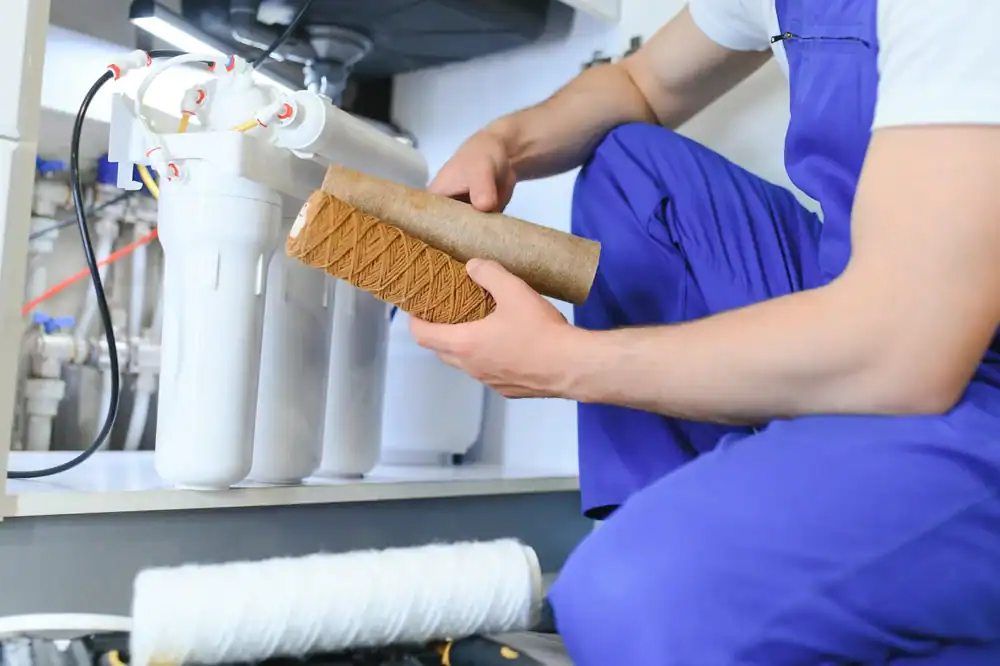
First, we test your water. Not a basic hardness test—a comprehensive analysis that shows exactly what contaminants you’re dealing with. Iron, sulfur, bacteria, sediment, pH levels. You get a report that explains what’s in your water and why it matters.
Then we design a system for your home. If you’ve got hydrogen sulfide, we’re likely using air injection or hydrogen peroxide oxidation combined with catalytic carbon filtration. For iron, we’re converting dissolved iron into solid particles through oxidation, then filtering them out with multi-stage sediment filtration. If you need softening too, we integrate a water softener combination system that handles both hardness and contamination.
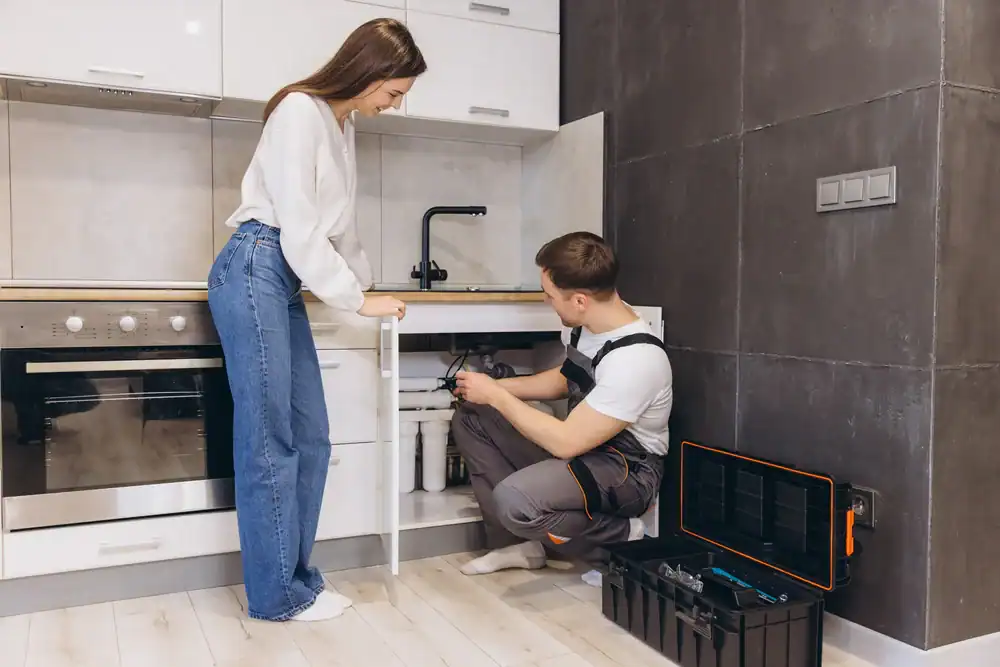
Installation happens at your main water line—that’s the point-of-entry. Our certified technicians install the system, test it, make sure water pressure stays strong, and walk you through how filter media backwashing works and when you’ll need maintenance. Most whole home carbon filters need attention every 6-12 months. Sediment filters might need changes every 3-6 months depending on your water quality.
Ready to get started?
Every system we install is based on your water test results. You’re not getting a one-size-fits-all filter. You’re getting a treatment plan designed for Liberty Triangle water conditions—which means addressing the sulfur compounds from limestone, the iron that stains everything, and the bacteria that forms slime in your pipes.
Your system includes oxidation to convert dissolved contaminants into particles, filtration to remove those particles, and backwashing media that regenerates itself so you’re not constantly swapping cartridges. If your water’s hard, we add softening. If you’ve got sediment, we add pre-filtration stages. The goal is clean water at every tap without destroying your water pressure.
You also get professional installation by technicians who know Florida plumbing codes, a system walkthrough so you understand what’s happening, and ongoing service. We don’t install and disappear. We’re local, we’re accountable, and we’re here when you need filter changes or maintenance. Plus, military members and first responders get $500 off—because that matters to us.
If your water smells like rotten eggs, you’ve got hydrogen sulfide gas—and roughly half the wells in Lake County test positive for it. That sulfur smell is more than unpleasant. It corrodes copper and brass fixtures, stains sinks, and accelerates the breakdown of your water heater and plumbing system.
If you see orange or brown staining in toilets, tubs, or sinks, that’s iron. It leaves rust marks on everything it touches, gives your water a metallic taste, and clogs pipes over time. Iron bacteria releases a reddish-brown slime that collects on fixtures and inside your plumbing.
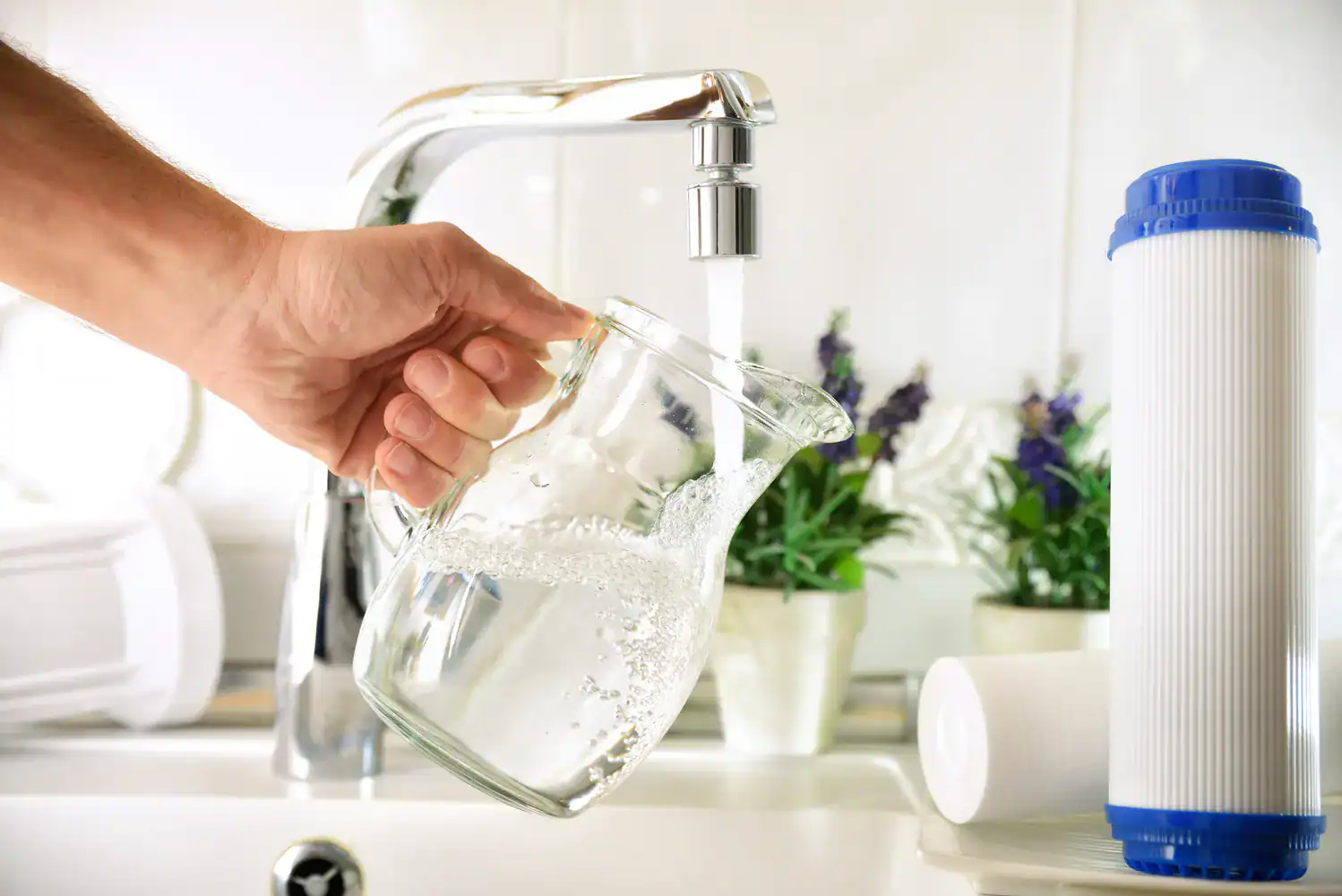
If your water tastes off, looks cloudy, or you’re constantly dealing with sediment buildup, you need filtration. A whole house system treats water before it enters your home, so every faucet, shower, and appliance gets clean water. Point-of-entry systems are the only way to protect your entire house—not just one tap.
A water softener removes hardness—calcium and magnesium that cause scale buildup. It helps with soap lather, prevents mineral deposits in pipes, and protects appliances from scaling. But it doesn’t remove sulfur, iron, bacteria, or sediment.
A whole house water filter removes contaminants. It uses oxidation and filtration to eliminate hydrogen sulfide, iron, chlorine, sediment, and other pollutants that affect taste, smell, and safety. It doesn’t soften water—it cleans it.
Most Liberty Triangle homes need both. You need filtration to handle the sulfur and iron problems that come with Florida’s limestone geology. And you need softening to prevent hard water damage to your plumbing and appliances. We install water softener combination systems that do both—filtration and softening in one integrated setup. You get clean water that doesn’t destroy your fixtures.
It depends on your system and your water quality. Most whole home carbon filters need media replacement or servicing every 6-12 months. Sediment filters usually need changes every 3-6 months, especially if you’re on well water with high iron or sediment content.
The advantage of modern point-of-entry systems is that they use backwashing media. The system automatically flushes itself to regenerate the filtration media, which means you’re not constantly replacing cartridges like you would with individual faucet filters. You’re just maintaining the system on a schedule.
We set you up with a maintenance plan based on your water test results and system design. You’ll know when service is due, and we handle it. Regular maintenance keeps your system running efficiently, protects your investment, and makes sure your water quality stays consistent. Skipping maintenance means shorter media life, reduced filtration performance, and potential system issues down the road.
Not if it’s sized and installed correctly. A properly designed point-of-entry system maintains water pressure while filtering contaminants. In fact, if you’ve got sediment and mineral buildup in your pipes right now, filtration can actually improve pressure over time by preventing further buildup.
The key is system sizing. We calculate your home’s flow rate requirements and design a multi-stage sediment filtration system that handles your water volume without creating a bottleneck. Undersized systems or cheap filters can restrict flow, but professional installations don’t.
You might notice a slight pressure difference immediately after installation while the system settles in, but it stabilizes quickly. And the tradeoff—clean water at every tap, no sulfur smell, no iron stains, longer appliance life—is worth any minor adjustment. Most homeowners don’t notice a pressure difference at all. They just notice their water doesn’t smell or stain anymore.
Yes, but it depends on the type of bacteria and the filtration method. Iron bacteria, which is common in Liberty Triangle wells, gets addressed through oxidation and filtration. We use air injection or hydrogen peroxide to oxidize the bacteria, then filter out the particles with multi-stage carbon and sediment filters.
For more serious bacterial contamination—like coliform bacteria or E. coli—you need UV sterilization or chlorination in addition to filtration. A standard whole home carbon filter won’t kill bacteria on its own, but a comprehensive water treatment system can include UV or chemical disinfection as part of the setup.
If your water test shows bacterial contamination, we design a system that handles it. That might mean adding a UV stage after filtration, or integrating a chlorination system with proper contact time before carbon filtration removes the chlorine taste. The goal is safe, clean water that meets health standards—not just water that looks and smells better.
Please provide your email address so that we can stay in touch and answer any questions you have! We will be reaching back out shortly.
"*" indicates required fields