Reach Out Today
Please provide your email address so that we can stay in touch and answer any questions you have! We will be reaching back out shortly.


Hear from Our Customers
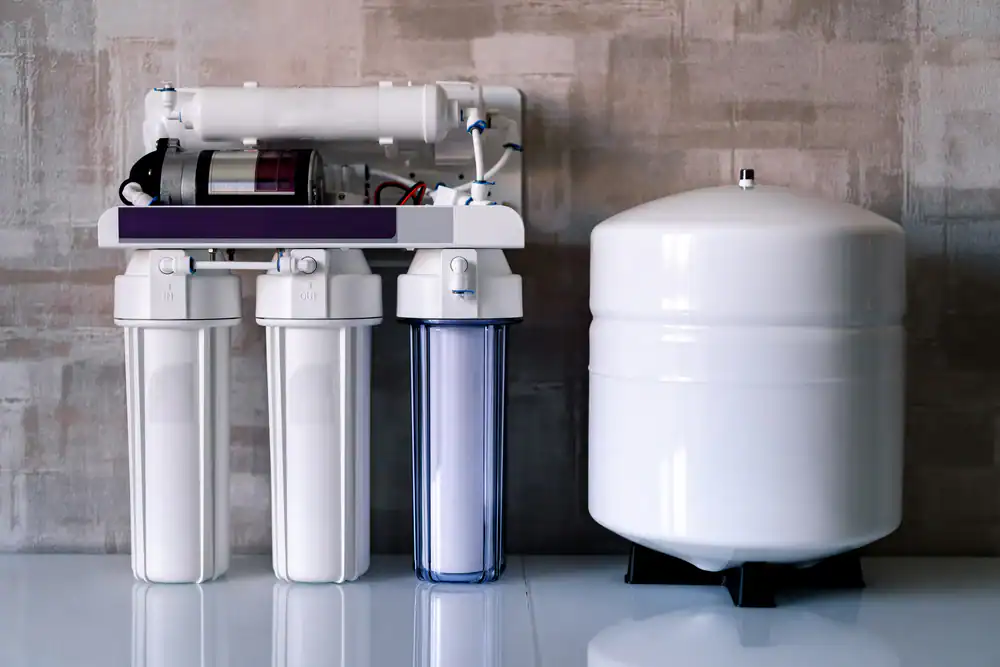
Your appliances stop wearing down from sediment buildup. Your dishwasher and water heater last longer because they’re not fighting scale and mineral deposits every cycle. That’s what whole home carbon filters and multi-stage sediment filtration actually do—they catch the problem before it becomes one.
You stop buying bottled water. If you’re spending $100 a month on bottles, that’s $1,200 a year on water that contains more microplastics than what’s coming out of your tap. A point-of-entry system treats everything at the source, so every faucet in your house delivers filtered water.
Your skin and hair feel different after a shower. Chlorine dries you out, and Florida’s water has plenty of it—especially in the summer when evaporation makes the smell stronger. When you filter it out, you notice.
We focus on one thing: making sure Lake Richmond homeowners have access to clean, safe water throughout their entire home. We’re not plumbers. We don’t install water heaters. We specialize in whole-house purification, filtration, and softening—and we’ve built our reputation on doing it right.
We’re A-rated by the Better Business Bureau with a 5-star rating and zero complaints. We’re members of the National Water Quality Association. And unlike some of the bigger names operating in Florida, we actually service the systems we install. That matters when something needs maintenance or a filter needs replacing.
Lake Richmond sits in an area where water quality varies depending on your source. Some homes deal with high chlorine. Others see sediment or hardness issues. We start every job with a free water analysis so we’re designing a system based on what’s actually in your water—not guessing.

We come to your home in Lake Richmond and test your water. That tells us what contaminants we’re dealing with—chlorine, sediment, hardness, heavy metals, or a combination. Every home is different, so we don’t use a one-size-fits-all approach.
Based on the results, we design a system that makes sense for your house. That might mean a multi-stage sediment filtration setup to catch particles before they hit your appliances. It could include whole home carbon filters to remove chlorine and improve taste. If you’ve got hard water, we’ll talk about a water softener combination that handles both filtration and mineral removal.
Installation happens at your main water line—the point of entry where water comes into your home. Once it’s in, every tap, shower, toilet, washing machine, and refrigerator gets treated water. We size the system correctly so you don’t lose water pressure. Then we walk you through maintenance: when filters need changing, what the filter media backwashing schedule looks like, and how to keep everything running the way it should.

Ready to get started?
A whole house water filter treats water at the point of entry, which means it’s working before water reaches any fixture or appliance in your home. You’re not just filtering drinking water—you’re filtering everything. That includes the water heating your shower, filling your washing machine, running through your dishwasher, and feeding your ice maker.
In Lake Richmond, that matters. Florida water tends to be harder than most states, and the chlorine levels are higher because of the heat. You’ll see the difference in how your appliances perform and how long they last. Water heaters don’t accumulate as much scale. Washing machines run cleaner. Dishwashers stop leaving that white film on your glasses.
The system itself typically includes sediment filters to catch dirt and particles, carbon filters to remove chlorine and organic compounds, and—depending on your water test—additional stages for specific contaminants like heavy metals. If your water is hard, adding a softener to the setup prevents the buildup that shortens appliance life and makes cleaning harder. We design it based on your water, not a sales script.
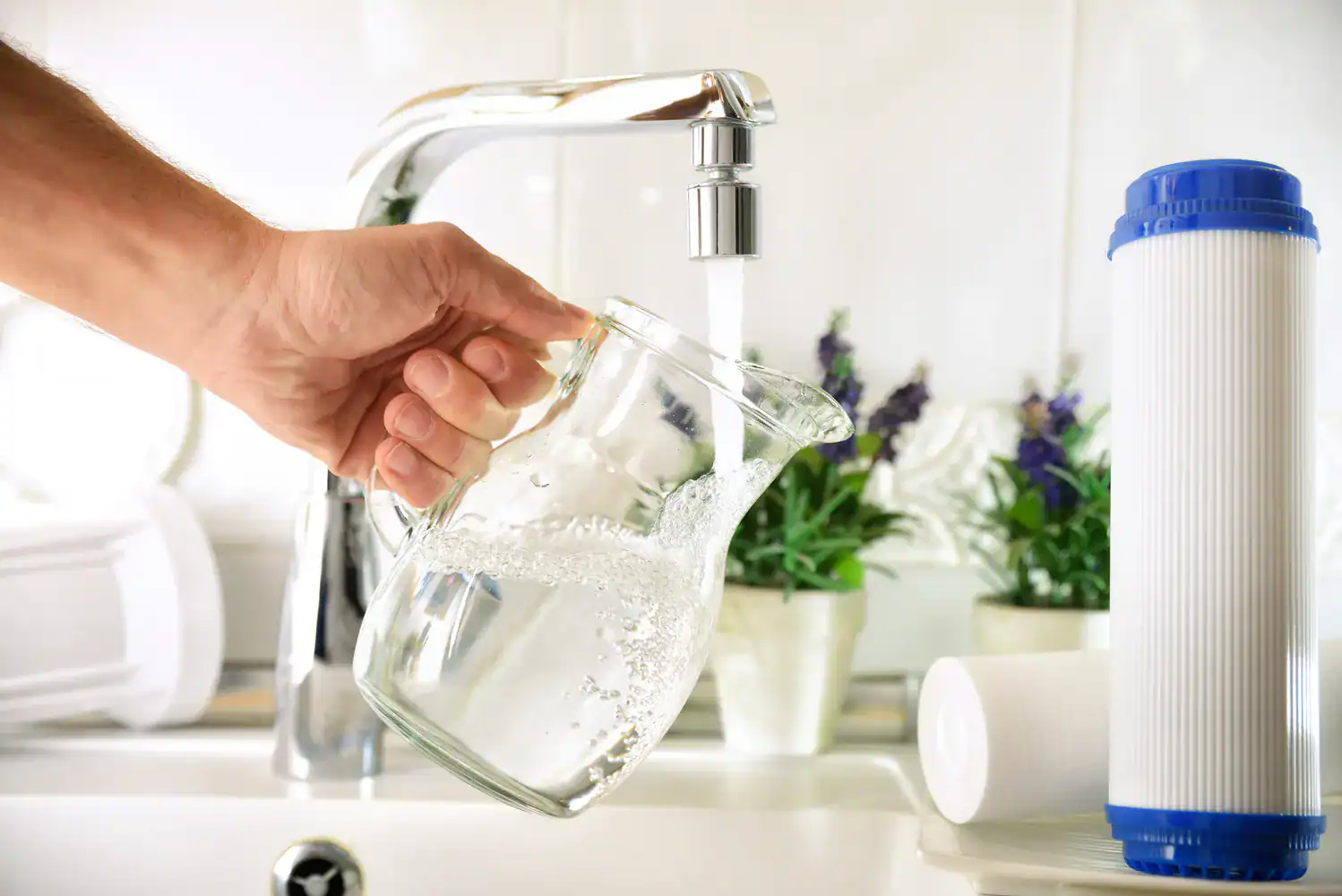
Most systems run between $1,500 and $3,500 depending on the size of your home, the complexity of your water issues, and what type of filtration you need. If you’re dealing with straightforward chlorine and sediment removal, you’re on the lower end. If you need a water softener combination or additional stages for specific contaminants, the price goes up.
Installation is included in that range. We’re not tacking on surprise fees after the fact. The free water analysis we do upfront tells us what you actually need, so the quote we give you is based on real data—not assumptions.
Compare that to what you’re spending now. If you’re buying bottled water every week, you’re likely spending over $1,200 a year. The system pays for itself faster than most people expect, and you’re getting filtered water at every tap instead of just one.
Not if it’s sized correctly. Undersized systems cause pressure drops—sometimes 10 to 20 PSI—which means weak showers and slow-filling appliances. That’s a design problem, not a filtration problem.
We size the system based on your home’s flow rate and the number of fixtures you’re running at any given time. The goal is to treat your water without creating a bottleneck in your plumbing. Most homeowners don’t notice any pressure difference after installation.
If you’ve heard stories about pressure loss, it’s usually because someone installed a system that wasn’t matched to the home’s needs. That’s why the water analysis and system design matter. We’re not pulling a system off the shelf and hoping it works.
Sediment filters typically need changing every three to six months, depending on how much dirt and debris your water carries. Carbon filters last longer—usually six to twelve months. If your system includes a water softener, you’ll need to replenish the salt and occasionally service the resin bed.
We give you a maintenance schedule when we install the system. It’s straightforward. Most homeowners handle filter changes themselves once they’ve done it once or twice. If you’d rather have us handle it, we offer service plans.
Skipping maintenance isn’t an option if you want the system to keep working. Clogged filters reduce flow and stop removing contaminants effectively. But the maintenance itself isn’t complicated—it’s just something you need to stay on top of.
That depends on what’s in your water and what type of filtration you install. Multi-stage sediment filtration removes dirt, rust, and particles. Whole home carbon filters take out chlorine, volatile organic compounds, and chemicals that affect taste and smell. If you add a reverse osmosis stage, you’re removing up to 99% of dissolved solids, including heavy metals like lead and arsenic.
In Lake Richmond, the most common issues we see are chlorine, sediment, and hardness. Some homes closer to agricultural areas deal with runoff contaminants. Others have older plumbing that introduces metals into the water. The water test we do shows exactly what’s present, and we design the system to target those specific problems.
Generic systems treat some things but miss others. That’s why testing first matters. You’re not guessing what you need—you’re addressing what’s actually there.
If your water is hard, yes. Hard water causes scale buildup in pipes, water heaters, dishwashers, and washing machines. Over time, that buildup reduces efficiency and shortens the lifespan of anything that uses water. A water softener combination handles both filtration and mineral removal in one system.
Florida has some of the hardest water in the country. If you’re seeing white residue on your faucets, spots on your dishes, or soap that doesn’t lather well, your water is hard. A softener fixes that by removing calcium and magnesium before they can cause problems.
Some homeowners only need filtration. Others need both. The water test tells us which category you’re in. If you don’t need a softener, we won’t sell you one. If you do, it’s worth adding to the system upfront rather than dealing with appliance repairs and replacements later.
Please provide your email address so that we can stay in touch and answer any questions you have! We will be reaching back out shortly.
"*" indicates required fields