Reach Out Today
Please provide your email address so that we can stay in touch and answer any questions you have! We will be reaching back out shortly.


Hear from Our Customers
Your shower doesn’t smell like chlorine anymore. Your coffee tastes better. Your washing machine stops leaving rust stains on white clothes.
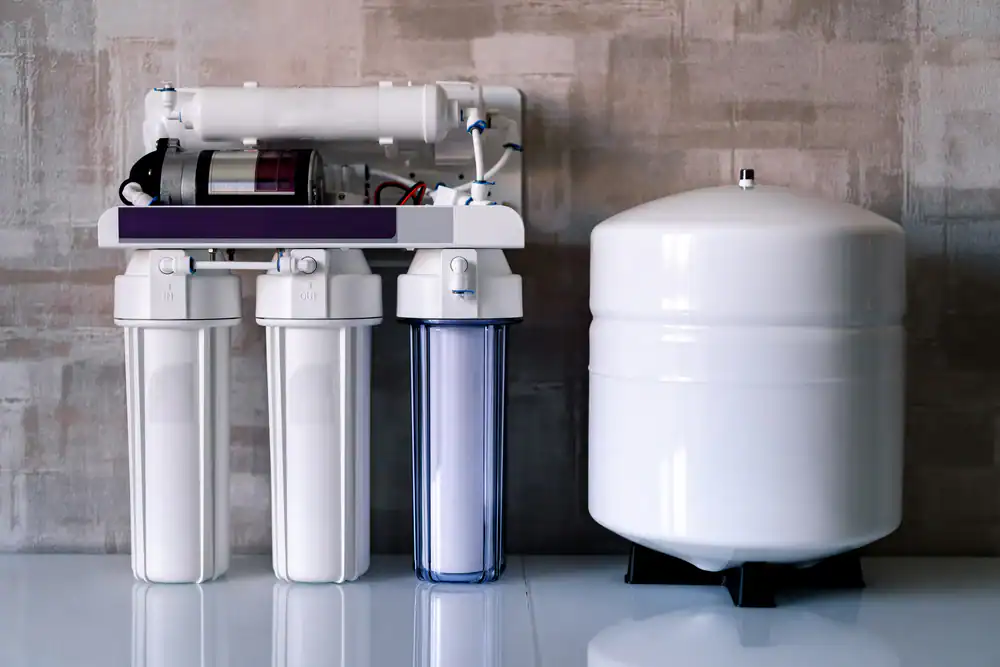
That’s what happens when you filter water before it enters your home instead of trying to fix it one faucet at a time. A whole house water filter treats everything—drinking water, shower water, the water your dishwasher uses, what goes into your water heater.
Lake Dot gets its water from municipal sources that rely on chlorine and chloramines for disinfection. Those chemicals do their job at the treatment plant, but they don’t need to stay in your water once it reaches your house. Multi-stage sediment filtration removes the particles—rust, sand, dirt—that make water look cloudy or damage appliances. Whole home carbon filters handle the chlorine, VOCs, and taste issues that make you avoid drinking from the tap.
You’re not just improving one sink. You’re protecting your plumbing, extending the life of your water heater and appliances, and making every water source in your home something you actually want to use.
We focus exclusively on water treatment. No plumbing. No water heaters. Just filtration, purification, and softening for homeowners in Lake Dot and throughout Florida.
We’re A+ rated with the Better Business Bureau with zero complaints and a 5-star rating. We’re members of the National Water Quality Association. We offer $500 off for military and first responders because we believe in supporting the people who serve our community.
What separates us from national companies is simple: we’re here after the install. If something needs adjusting, if a filter needs replacing, if you have a question six months down the road—we handle it. That’s not standard in this industry, but it should be.

We start with a water test and a conversation about what you’re dealing with. Chlorine smell? Sediment in your water heater? Staining on fixtures? That tells us what your water needs.
Then we size the system based on your home. A 1-3 bathroom home needs about 9 gallons per minute. 4-6 bathrooms need 12 GPM. Larger homes need 20 GPM or more. Flow rate matters because you don’t want pressure drop when two showers are running.
Installation happens at your main water line—the point of entry. That’s where municipal water enters your home, and that’s where we install the filtration system. Most systems use a multi-stage approach: a sediment filter catches the larger particles first, then water moves through a carbon filter that handles chlorine, taste, and odor issues.
Once it’s running, you’ll replace the 5-micron sediment filters every 6-9 months depending on your water quality. Carbon filters are designed for about 12 months or 100,000 gallons. We handle the maintenance if you want, or we walk you through doing it yourself.
Ready to get started?
A complete point-of-entry system includes the filter housing, the filtration media, installation on your main line, and pressure testing to confirm there’s no drop in flow. You’re getting sediment filtration that removes rust, sand, silt, and particulates down to 5 microns. You’re getting carbon filtration that reduces chlorine, chloramines, VOCs, and the chemical taste that makes Lake Dot municipal water hard to drink straight from the tap.
Some homes benefit from combining whole house filtration with a water softener—especially in Florida, where hard water is common. That combination handles both the particles and chemicals plus the calcium and magnesium that cause scale buildup. If your water heater has scale, if your showerhead clogs, if your dishes have spots—that’s hardness, and it’s a separate issue from filtration.
We also recommend pairing whole house filters with a point-of-use reverse osmosis system at your kitchen sink. The whole house filter handles the heavy lifting. The RO system gives you ultra-purified drinking water. It’s the best of both worlds: filtered water everywhere, and purified water where you need it most.
Filter media backwashing is part of some systems—it’s a process where the system automatically cleans itself by reversing water flow through the media. That extends the life of the filter and keeps it working efficiently between change-outs.
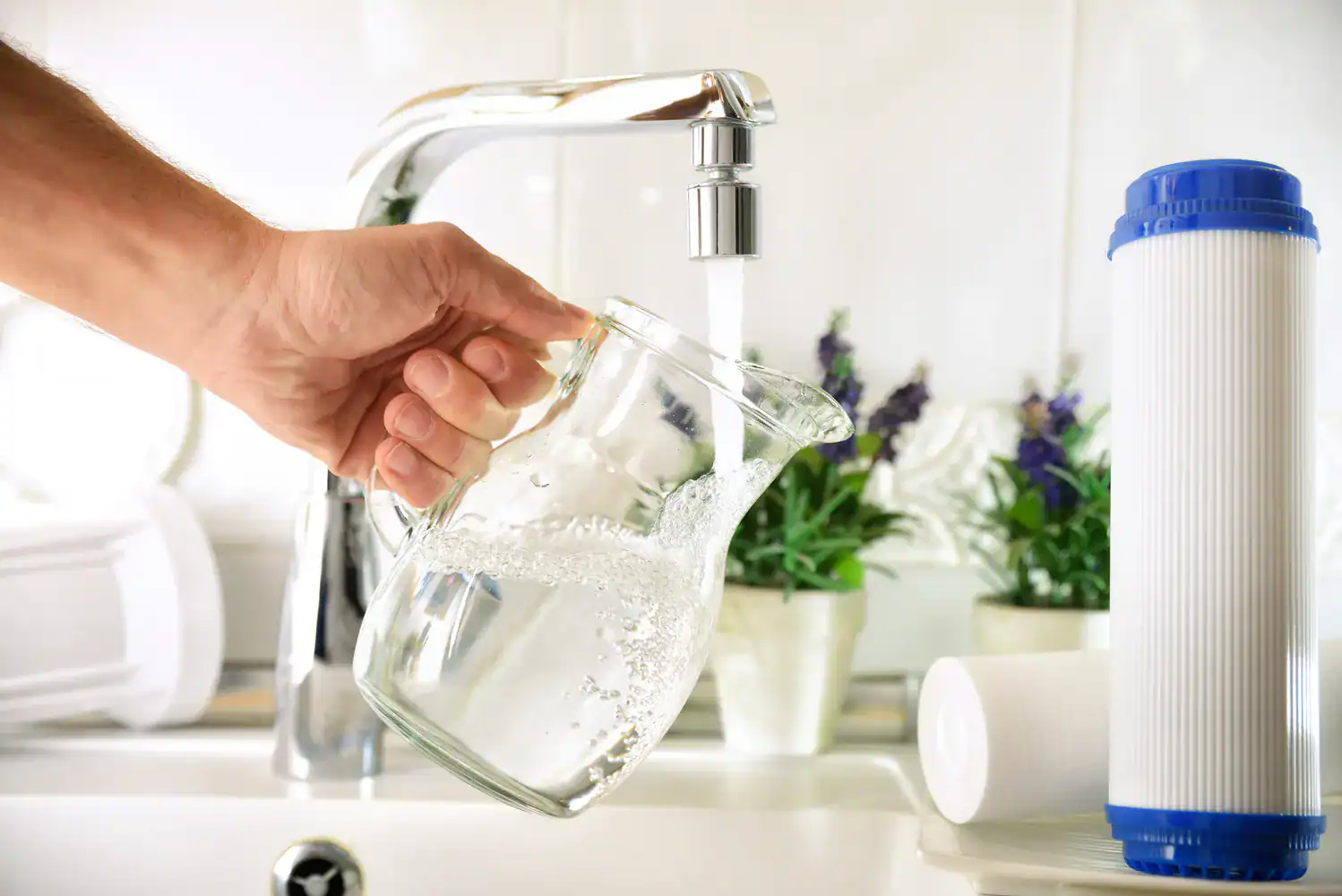
Sediment filters typically need replacing every 6-9 months, but that depends on your water quality. If Lake Dot is running older pipes or if there’s construction in your area stirring up sediment, you might need to change them more often. You’ll know it’s time when you notice pressure drop or if the water starts looking cloudy again.
Carbon filters last longer—usually around 12 months or 100,000 gallons, whichever comes first. The carbon media is what removes chlorine and improves taste, so when you start noticing that chemical smell again, it’s time for a new cartridge.
Most systems use 20″ x 4.5″ cartridges, which are standard sizes you can get from us or order yourself. We can set you up on a maintenance schedule where we handle the replacements, or we’ll show you how to do it. It takes about 10 minutes once you know what you’re doing.
Not if it’s sized correctly. That’s why flow rate matters when we’re designing your system. A properly sized whole house water filter maintains pressure even when multiple fixtures are running at the same time.
The key is matching the system’s GPM capacity to your home’s demand. Undersized systems create bottlenecks. Oversized systems cost more than necessary. We measure your current flow rate and calculate what you need based on the number of bathrooms, whether you have a large soaking tub, if you run appliances simultaneously—all of that factors in.
Some homeowners actually notice better pressure after installation because we’re removing the sediment that was partially clogging their fixtures and aerators. If your showerhead has been weak, it might be sediment buildup, not low pressure. Filtration fixes that.
Sediment filters remove physical particles: rust from aging pipes, sand, silt, dirt, and any turbidity that makes water look cloudy. That’s the first stage, and it protects everything downstream—your appliances, your fixtures, and the carbon filter itself.
Carbon filters handle the chemical side. They reduce chlorine and chloramines that Lake Dot’s municipal system uses for disinfection. They also remove VOCs (volatile organic compounds), industrial solvents, and some pharmaceuticals that can end up in treated water. Carbon filtration improves taste and odor significantly.
If you’re concerned about heavy metals like lead or arsenic—which can leach from old pipes or well contamination—you’ll want to add specific filtration media or consider a reverse osmosis system for drinking water. Standard whole house filters help, but RO is the gold standard for removing dissolved metals. We test your water first so we know exactly what we’re dealing with and can recommend the right combination of filtration stages.
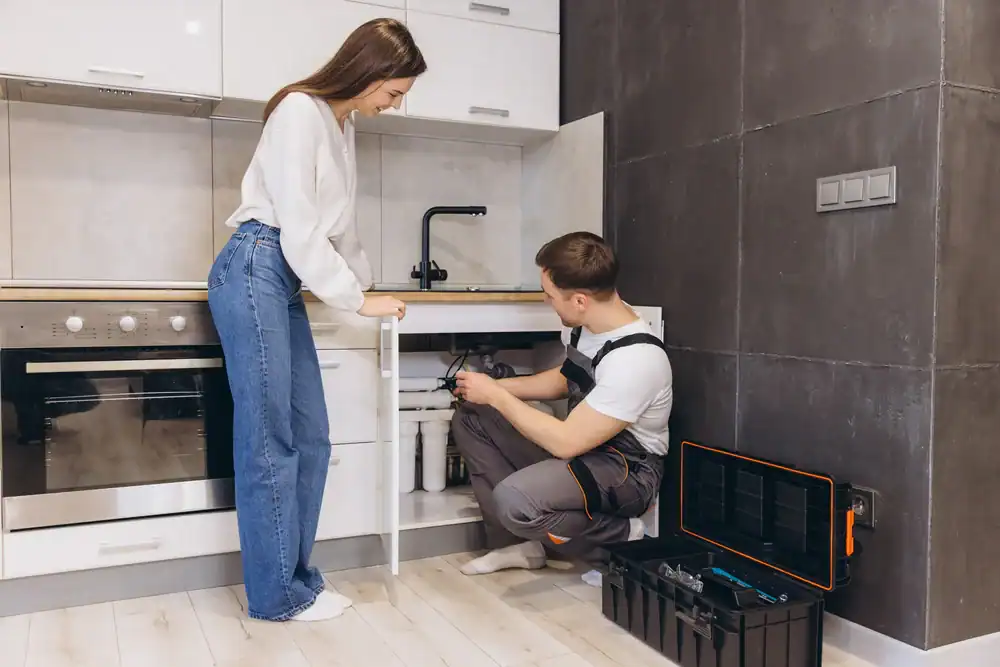
You can technically install one yourself if you’re comfortable working with plumbing, but most homeowners hire a professional. The install happens on your main water line, which means shutting off water to your entire house, cutting into the line, and installing the filter housing in a way that doesn’t create leaks or pressure issues.
You also need to consider placement. The filter needs to be accessible for future cartridge changes, but it also needs to be installed after your pressure regulator (if you have one) and before any branch lines. If it’s installed in the wrong spot, you might not be filtering all your water, or you could create problems with your pressure tank if you’re on a well.
Professional installation also means the system gets sized correctly for your home’s flow rate, and you’re not guessing on GPM requirements. We pressure test after installation to make sure everything’s working right. If something goes wrong with a DIY install, you’re dealing with potential water damage and the cost of fixing it. Most people would rather have it done right the first time.
Cost depends on the size of your home, the type of filtration you need, and whether you’re combining it with a softener or other treatment. A basic multi-stage system for a smaller home starts around a few thousand dollars installed. Larger homes with higher GPM requirements or more advanced filtration media cost more.
If your water test shows you need additional stages—like a specific filter for heavy metals or a UV purification stage—that adds to the cost. Combining a whole house filter with a water softener is a common setup in Florida, and that’s a bigger investment upfront but solves multiple problems at once.
We offer $500 off for military members and first responders, which helps. And when you’re evaluating cost, factor in what you’re protecting. Replacing a water heater that failed early because of sediment buildup costs $1,500-2,000. A washing machine is $600-1,200. A whole house filter pays for itself by extending the life of everything that uses water in your home.
Please provide your email address so that we can stay in touch and answer any questions you have! We will be reaching back out shortly.
"*" indicates required fields