Reach Out Today
Please provide your email address so that we can stay in touch and answer any questions you have! We will be reaching back out shortly.


Hear from Our Customers
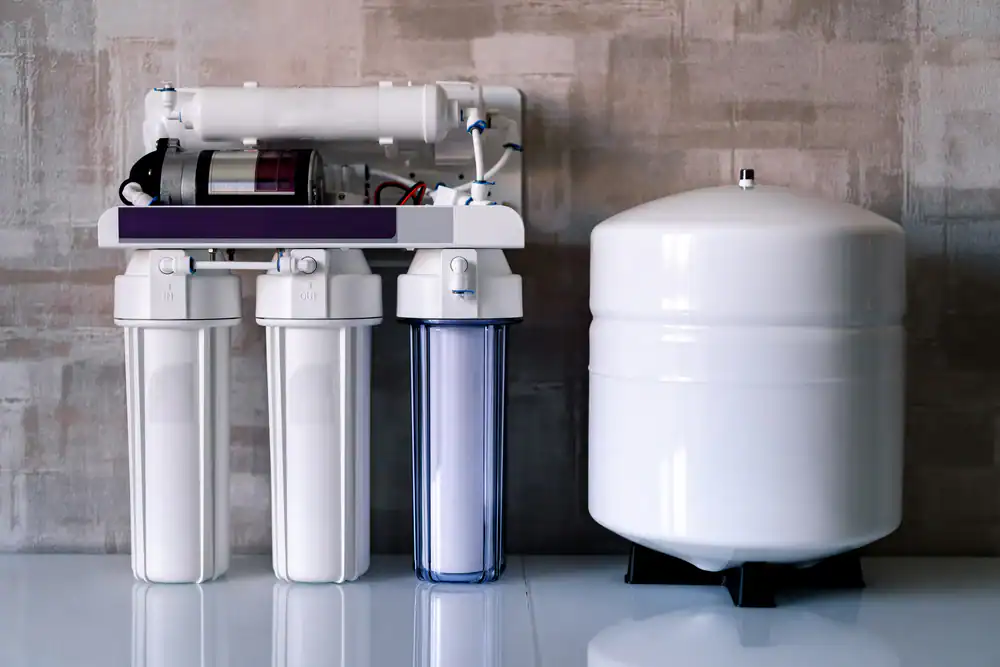
Your appliances last longer because hard water isn’t destroying them from the inside. Scale buildup stops forming on faucets and showerheads. Your water heater runs more efficiently, which cuts your energy bills.
The sulfur smell disappears completely. Iron stops staining your toilets, sinks, and laundry. Your drinking water tastes clean without buying cases of bottled water every week.
You stop worrying about what’s in the water your family uses for cooking, bathing, and drinking. The whole home carbon filters and multi-stage sediment filtration handle everything at the point-of-entry, so every tap in your house delivers clean water. That’s what a properly designed system does—it fixes the problem at the source instead of putting a bandaid on one faucet.
We have an A+ Better Business Bureau rating with 5-star reviews and zero complaints. We’re members of the National Water Quality Association, which means we follow industry standards that matter.
We’ve been fixing water quality issues across North and Central Florida for decades. Lake Cherokee homeowners deal with specific challenges—high mineral content, iron contamination, occasional sulfur issues—and we’ve seen it all. We test your water first, then design a system based on what’s actually in it and how much water your household uses.
We’re not a national company that disappears after installation. We’re local, we service what we sell, and we’re here when you need us.
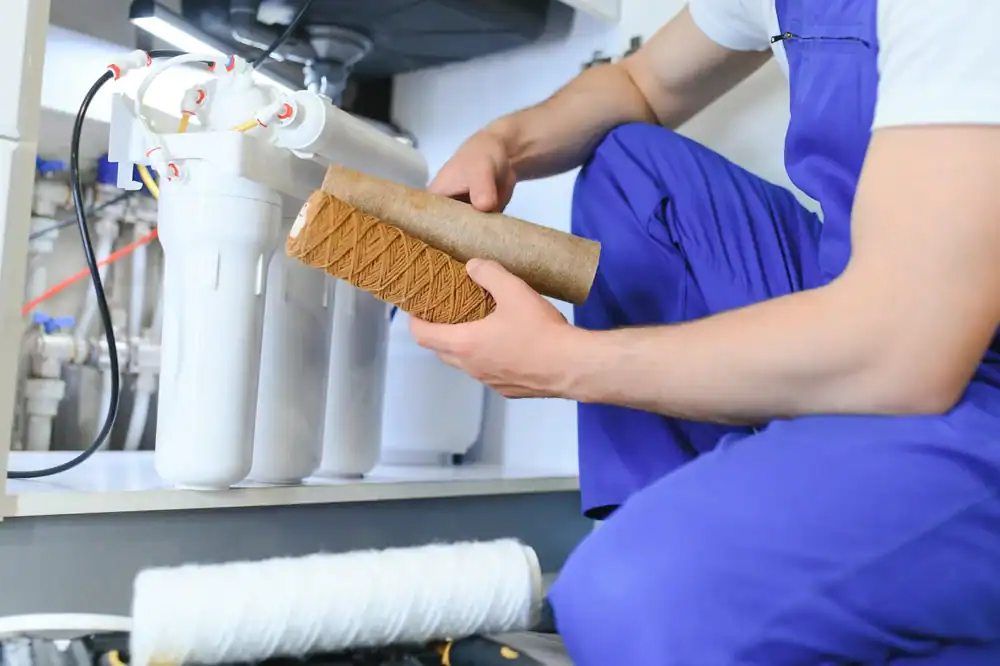
First, we test your water. Not a generic test—a comprehensive analysis that shows exactly what contaminants you’re dealing with and at what levels. This tells us whether you need iron removal, sulfur treatment, bacteria elimination, or a water softener combination.
Then we design your system. If you have iron and hard water, you might need a multi-stage setup with sediment filtration followed by a softener. If bacteria is the issue, we add UV Purelight sterilization. If sulfur is your problem, we use filter media backwashing systems that actually eliminate the smell instead of masking it.
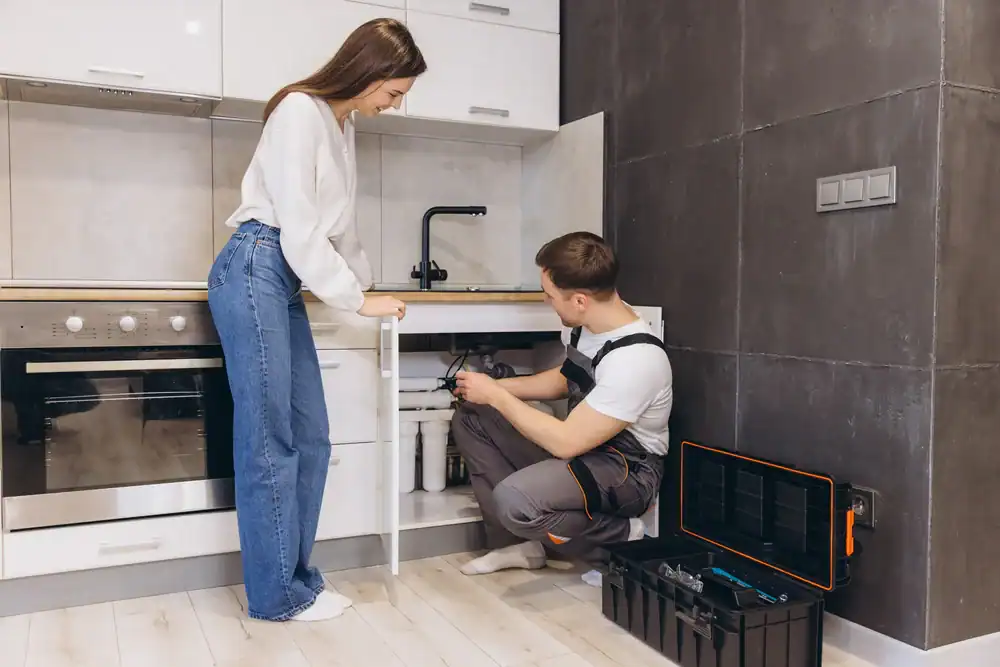
Installation happens at your main water line—the point-of-entry for your entire home. Once it’s in, every faucet, shower, toilet, and appliance gets treated water. We walk you through how the system works, how to maintain it, and what to expect. Then we follow up to make sure everything is performing the way it should.
Ready to get started?
A whole house water filter isn’t one piece of equipment—it’s a system designed around your specific water issues. Most Lake Cherokee homes need a combination approach because the water here has multiple problems at once.
Your system might include sediment filters to catch particles and debris before they damage other components. Whole home carbon filters remove chlorine, chemicals, and odors. If you have hard water—and most homes here do—a softener prevents scale buildup and protects your plumbing and appliances.
Iron removal systems use specialized media that pulls iron out before it stains anything. Sulfur filters eliminate that rotten egg smell using oxidation and backwashing. UV sterilization kills bacteria and waterborne organisms without chemicals. Each component works together as a point-of-entry system, treating all the water coming into your home before it reaches any faucet or appliance.
We size everything based on your household’s water usage and the severity of your contamination. A family of four with moderate iron needs a different setup than a couple dealing with severe sulfur and bacteria. That’s why we test first and design second—not the other way around.
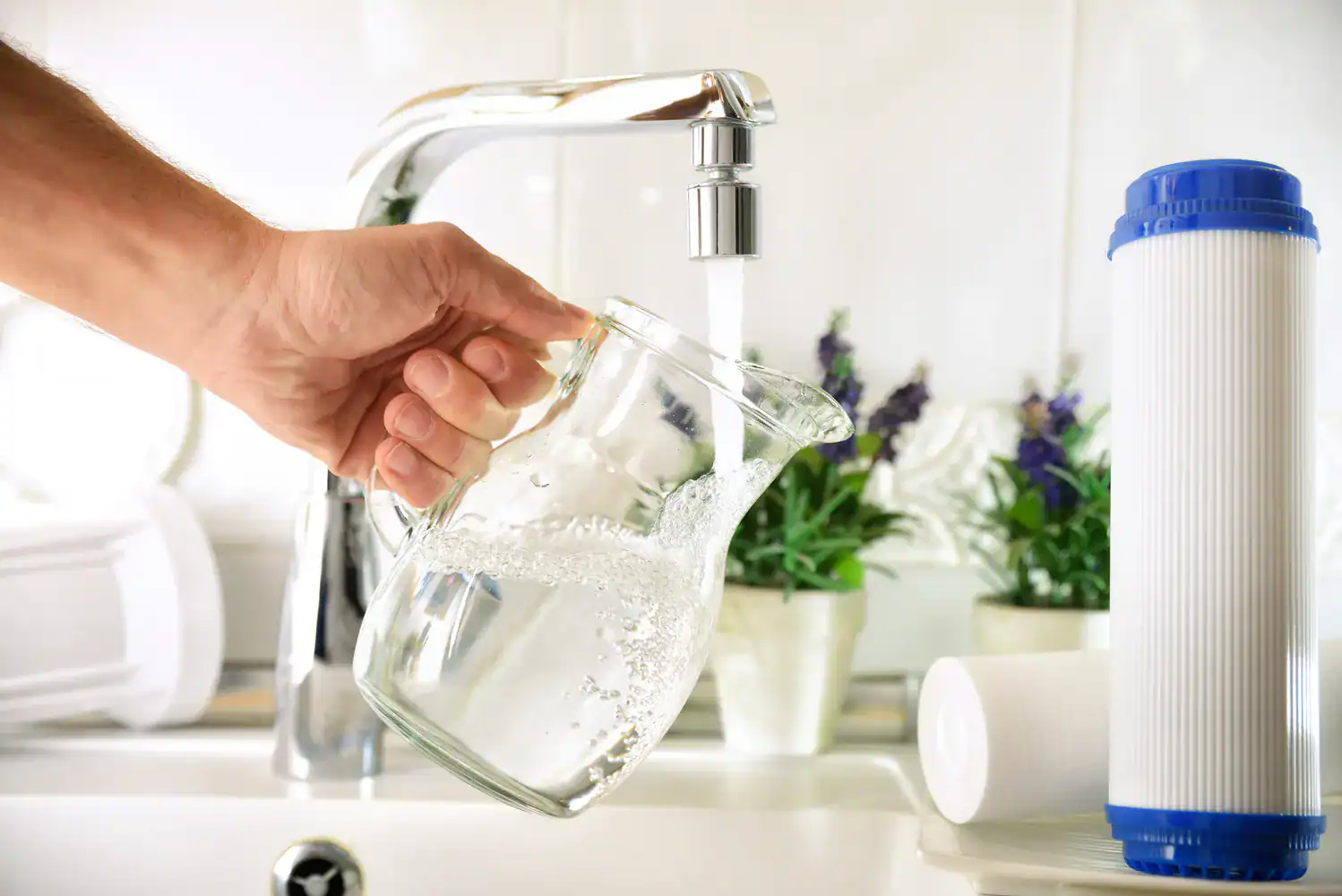
If you’re dealing with any of these issues, you need one: orange or brown staining on fixtures and laundry, rotten egg smell from your taps, scale buildup on faucets and showerheads, or water that tastes or smells off. These are signs of iron, sulfur, hard water, or bacterial contamination.
You might also notice your appliances aren’t lasting as long as they should. Water heaters, dishwashers, and washing machines all take a beating from untreated water. If you’re replacing appliances more often than your neighbors or constantly scrubbing stains that come back immediately, your water quality is the problem.
The only way to know for sure is to test your water. We do comprehensive testing that measures hardness, iron levels, sulfur content, bacteria, pH, and other contaminants. Once we see what’s actually in your water, we can tell you exactly what kind of system will fix it. Some homes need a simple softener. Others need a multi-stage filtration and purification setup. Testing removes the guesswork.
A water softener removes hardness minerals—calcium and magnesium—that cause scale buildup. It protects your plumbing and appliances but doesn’t remove other contaminants like iron, sulfur, bacteria, or sediment. If hard water is your only problem, a softener might be enough.
A whole house filter addresses everything else: iron, sulfur, chlorine, sediment, chemicals, and bacteria. Most systems use multiple stages—sediment filters catch particles, carbon filters remove chemicals and odors, and specialized media handles specific contaminants like iron or sulfur. Some systems also include UV sterilization to kill bacteria.
Most Lake Cherokee homes need both. The water here is hard and often has iron or sulfur issues on top of that. We typically install a sediment filter first to catch debris, then a softener to handle hardness, then additional filtration or purification stages depending on what else is in your water. Each component does a specific job, and together they give you clean water throughout your entire home.
Less than you’d think, but it’s not zero. Most systems need salt refills if you have a softener—usually every few weeks depending on your water usage and hardness level. Filter cartridges need changing periodically, typically every 6-12 months depending on your water quality and how much water you use.
Backwashing filters clean themselves automatically, so you don’t have to do anything there. UV bulbs need replacement about once a year to maintain sterilization effectiveness. We provide a maintenance schedule specific to your system so you know exactly what needs attention and when.
The key is staying on top of it. A system that’s maintained properly lasts 15-20 years or more. One that’s neglected stops working effectively and can even cause new problems. We offer service plans if you’d rather have us handle the maintenance, or we can walk you through doing it yourself. Either way, the maintenance is straightforward—nothing complicated or time-consuming.
Yes, but only if your system includes UV sterilization or another purification method designed to kill bacteria. Standard filtration and softening don’t eliminate bacteria—they remove particles, chemicals, and minerals. If bacteria is a concern, you need a UV Purelight system or similar technology.
UV sterilization works by exposing water to ultraviolet light as it flows through the system. This destroys the DNA of bacteria, viruses, and other microorganisms, making them unable to reproduce or cause illness. It’s chemical-free, doesn’t change the taste of your water, and works continuously as long as the bulb is functioning.
If you’re on well water in Lake Cherokee, bacteria testing is especially important. Even municipal water can have issues after it travels through aging pipes to your home. We test for coliform bacteria and other organisms during our initial water analysis. If we find contamination, we design your system with UV sterilization as part of the setup. It’s an extra layer of protection that gives you confidence in every glass of water you drink.
Most whole house water filter installations take 4-6 hours, sometimes longer if your system is complex or if we’re working with challenging plumbing. We install everything at your main water line where it enters your home, which means we’re working in your garage, utility room, or wherever your water meter and main shutoff are located.
We’ll need to shut off your water during installation, so plan on not using water for a few hours. We cut into the main line, install the system components in the correct order, connect everything, and test for leaks. Then we flush the system, check water pressure, and make sure everything is working properly before we turn it over to you.
The space requirement depends on your system. A basic softener and filter setup might only need a few feet of wall space. A comprehensive multi-stage system with UV sterilization needs more room. We evaluate your space during the initial consultation and design the system to fit. If space is tight, we have compact options that still deliver full treatment. Once it’s in, it’s in—you’re not looking at ongoing construction or disruption.
Please provide your email address so that we can stay in touch and answer any questions you have! We will be reaching back out shortly.
"*" indicates required fields