Reach Out Today
Please provide your email address so that we can stay in touch and answer any questions you have! We will be reaching back out shortly.


Hear from Our Customers
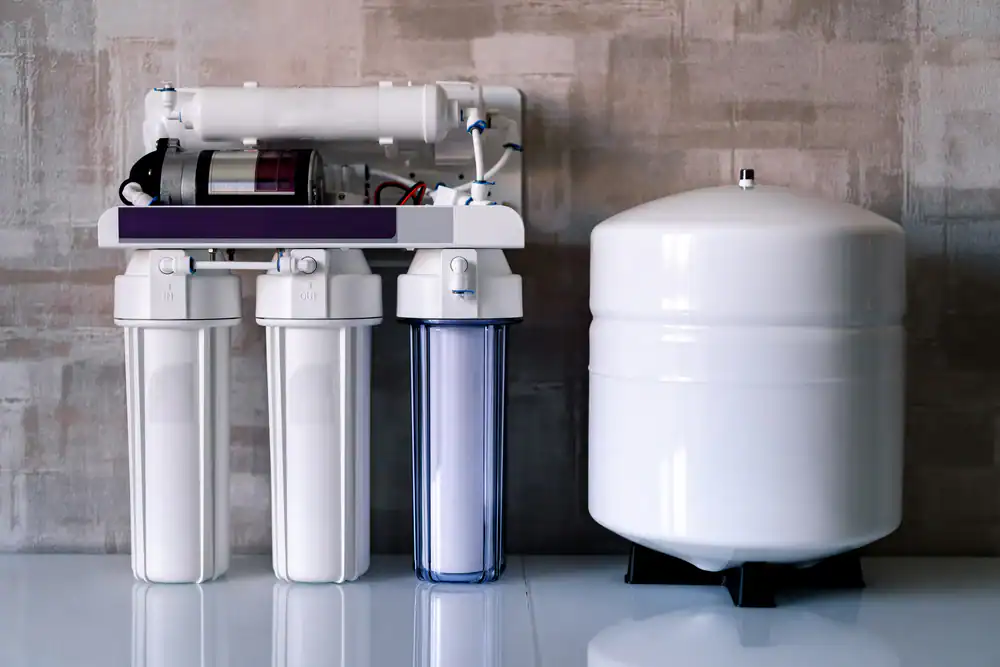
Your appliances last longer because scale isn’t building up inside water heaters and washing machines. Your laundry comes out without rust stains, and your sinks stay white instead of turning orange. The sulfur smell disappears completely.
You stop buying bottled water for drinking and cooking. Your skin and hair feel better after showers because you’re not bathing in hard water loaded with minerals. Your coffee and ice taste clean.
Point-of-entry systems treat water before it reaches any faucet in your home. That means every tap, every shower, every appliance gets filtered water. Multi-stage sediment filtration removes particles and contaminants, while whole home carbon filters handle chlorine, chemicals, and odors. If you need it, a water softener combination addresses hardness while the filtration handles everything else.
We’ve spent over 50 years solving water problems across North and Central Florida. We’re members of the National Water Quality Association and hold an A+ rating with the Better Business Bureau with zero complaints.
Lake Butler sits on top of Florida’s limestone aquifer system. That geology creates specific water quality issues—iron and manganese from the rock, sulfur from underground deposits, and bacteria that thrive in low-oxygen groundwater. We design systems based on what’s actually in your water, not a one-size-fits-all approach.
We don’t do plumbing or water heaters. We do water treatment, and that’s it. Free water analysis, custom system design, professional installation, and ongoing service. Military and first responders get $500 off.
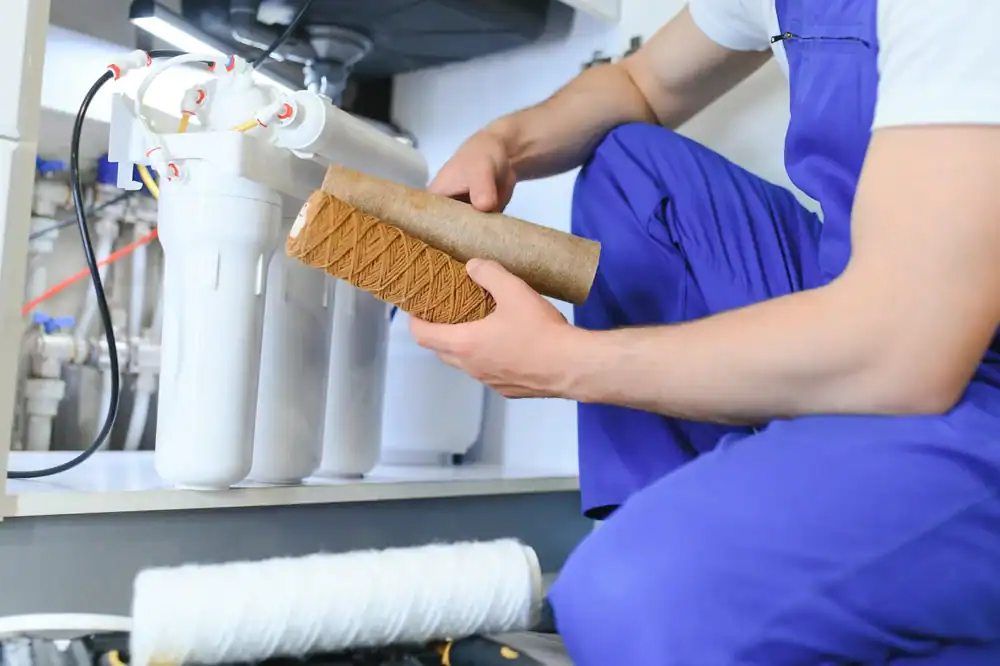
We start with a free water analysis. Not a guess—actual testing that shows what contaminants are in your water and at what levels. Iron, sulfur, hardness, bacteria, pH, everything that matters.
Based on those results, we design a system for your home. If you have iron and bacterial iron, an Iron Clear system removes it and kills bacteria like E. coli. Sulfur issues get handled with a Sulfur Clear filter that eliminates the rotten egg smell. Hard water gets addressed with either a traditional softener or an eco-friendly salt-free system that prevents scale without chemicals or electricity.
Installation happens at your main water line—the point of entry where water comes into your house. Once it’s in, every drop that flows through your home is filtered. The system handles filter media backwashing automatically to keep everything running efficiently. You get clean water without thinking about it.
We stay involved after installation. Regular maintenance, filter changes, system checks—whatever your system needs to keep performing.

Ready to get started?
Every system is built around your water test results and your household’s water usage. We’re not selling you the same setup as your neighbor unless you have the same problems and the same needs.
Our Iron Clear systems handle iron and bacterial iron while killing other bacteria. Our Sulfur Clear filters remove hydrogen sulfide gas that causes the sulfur smell. If you need both, we combine them. Hard water gets treated with either traditional ion-exchange softeners or salt-free conditioners that prevent scale buildup without adding sodium to your water.
UV light disinfection is available through our Purelight System. It uses ultraviolet light to kill waterborne organisms and bacteria without chemicals. Whole home carbon filters remove chlorine, pesticides, and other chemicals that affect taste and safety.
Lake Butler’s groundwater moves through porous limestone and sandy soil, picking up minerals and contaminants along the way. Heavy rain and flooding wash fertilizers and waste into the aquifer. Your system needs to handle what’s actually coming out of your well, not what a national company assumes is there.
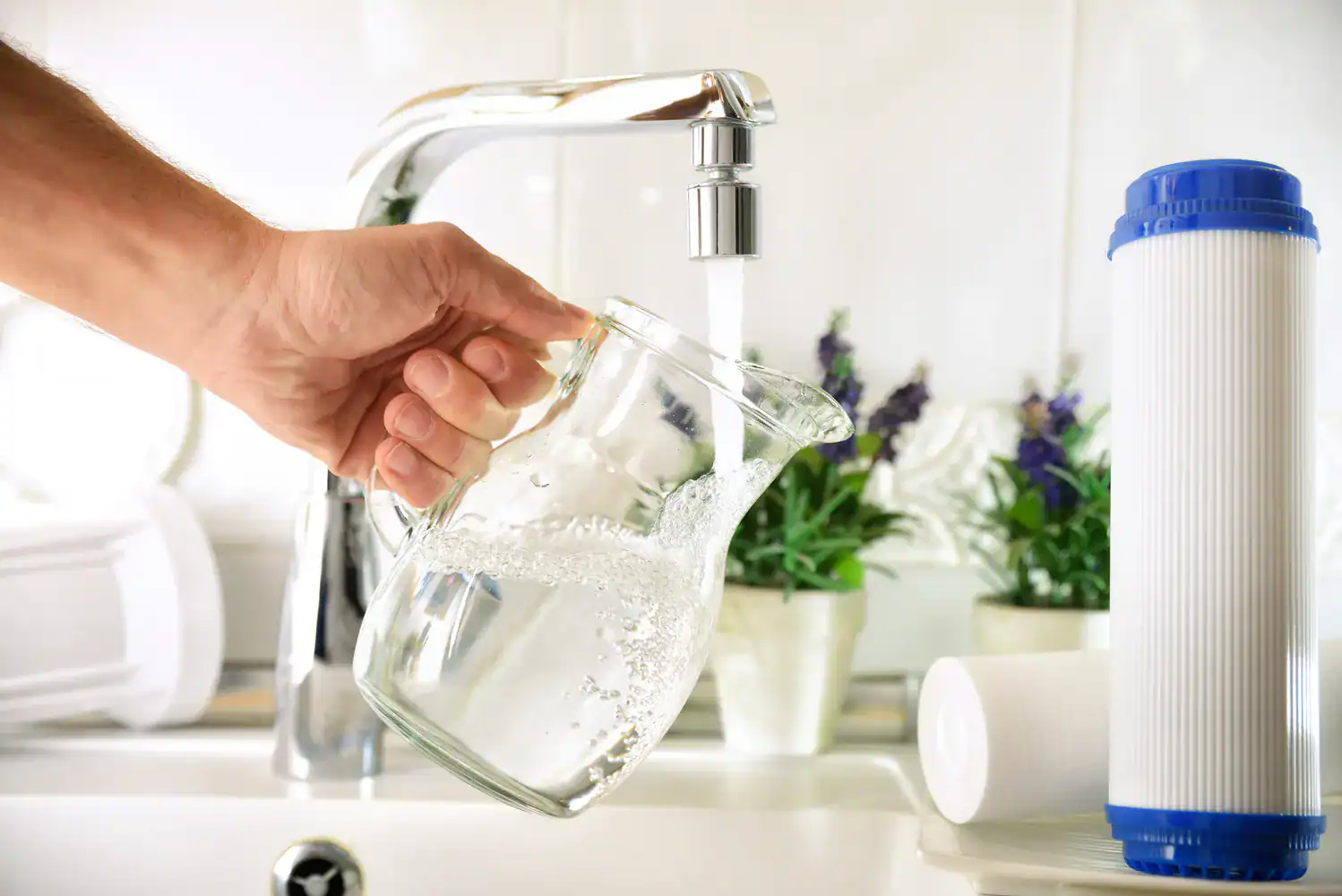
If you see rust-colored stains on your sinks, toilets, or laundry, that’s iron. If your water smells like rotten eggs, that’s hydrogen sulfide from sulfur. White buildup on faucets and inside appliances means hard water. Any of these signs mean you need filtration.
Get your water tested. We do it for free, and it tells you exactly what’s in your water—iron levels, sulfur, hardness, bacteria, pH, everything. Lake Butler wells commonly have iron and sulfur because of the limestone aquifer underneath the area. Bacteria can enter through surface contamination or exist naturally in the groundwater.
Without treatment, these contaminants damage your appliances, stain your fixtures, and create health risks. Iron and manganese shorten the lifespan of water heaters and washing machines by causing scale buildup. Bacteria like E. coli and coliform cause gastrointestinal issues and infections. Testing shows you what you’re dealing with so you can fix it properly.
Point-of-entry systems install at your main water line where water enters your house. Every faucet, shower, toilet, and appliance gets filtered water. Point-of-use systems install at a single location, like under your kitchen sink, and only filter water at that one spot.
Whole house filtration makes more sense if you have iron, sulfur, or hard water. You don’t want iron running through your washing machine or sulfur smell coming from your shower. Treating water at the entry point protects your entire plumbing system and every fixture.
Point-of-use filters work for specific needs, like extra filtration for drinking water in the kitchen. But they don’t stop hard water from scaling up your water heater or iron from staining your bathtub. If your water quality issues affect more than one faucet—and in Lake Butler, they usually do—point-of-entry is the right approach.
It depends on what your water test shows and what size system your home needs. A basic sediment and carbon filter setup costs less than a multi-stage system with iron removal, sulfur treatment, and water softening. Household size matters too—a family of two uses less water than a family of six.
Over ten years, whole house filtration typically costs between $3,300 and $7,500 including installation and maintenance. Compare that to $12,000 for bottled water over the same period. Most homeowners break even within two to four years, then save money every year after that.
Factor in what you’re protecting. Replacing a water heater damaged by hard water scale costs $1,200 to $3,500. A new washing machine runs $600 to $2,000. The longer you wait to treat problem water, the more damage accumulates. Filtration is cheaper than replacing appliances and replumbing your house.
If your water test shows high levels of calcium and magnesium, yes. Those minerals cause hardness, which creates scale buildup inside pipes, water heaters, and appliances. Scale reduces efficiency and shortens equipment lifespan.
Traditional water softeners use ion exchange to remove hardness minerals and replace them with sodium. They’re effective but require salt and use water during the regeneration cycle. Salt-free conditioners don’t remove minerals—they change the structure so minerals don’t stick to surfaces and form scale. They work well for preventing buildup without adding sodium to your water or using electricity.
Some systems combine filtration and softening in one setup. If you have iron, sulfur, and hard water—common in Lake Butler—you might need a multi-stage system that handles all three. We design it based on your test results and your preferences about salt, maintenance, and water usage.
It depends on the type of system and your water quality. Carbon filters typically need replacement every six to twelve months. Sediment filters might need changing every three to six months if your water has high particulate levels. Systems with filter media backwashing clean themselves automatically, but the media eventually needs replacement—usually every five to ten years.
Water softeners need salt refills if you have a traditional system. Salt-free conditioners require less frequent maintenance. UV light systems need annual bulb replacement to maintain disinfection effectiveness. Iron and sulfur filters need periodic media replacement depending on contamination levels.
We handle maintenance for the systems we install. Regular service keeps everything running efficiently and catches small issues before they become expensive problems. Skipping maintenance reduces system performance and can lead to breakthrough—contaminants getting past the filter and back into your water.
Please provide your email address so that we can stay in touch and answer any questions you have! We will be reaching back out shortly.
"*" indicates required fields