Reach Out Today
Please provide your email address so that we can stay in touch and answer any questions you have! We will be reaching back out shortly.


Hear from Our Customers
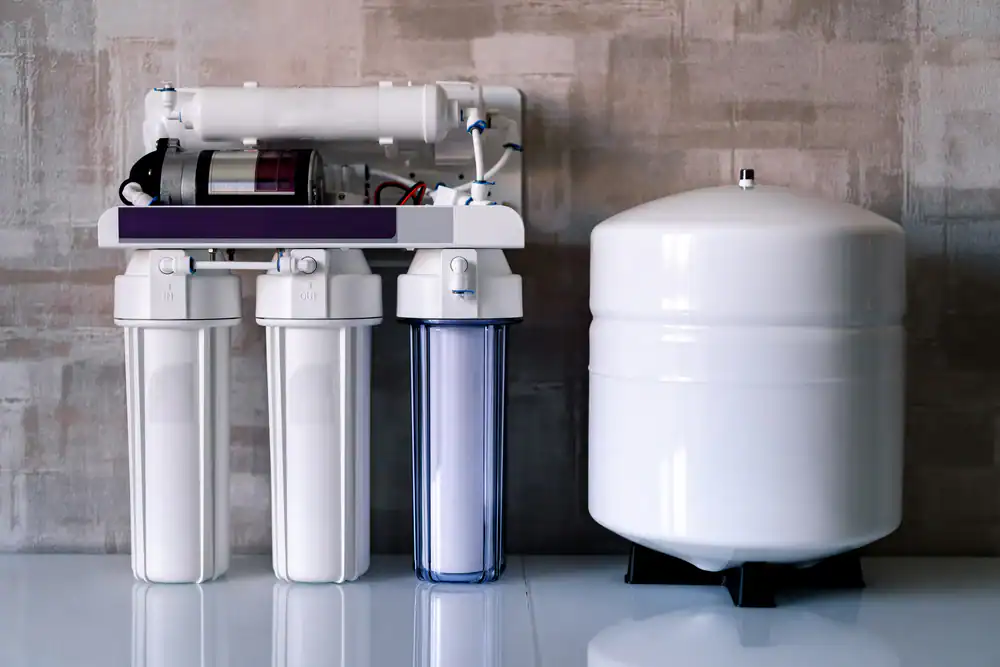
Your water heater stops building up sediment. Your dishwasher quits leaving spots on glasses. The shower doesn’t leave your skin feeling tight and dry.
That’s what happens when you install a whole house water filter that catches contaminants at the point of entry—before they reach any fixture or appliance in your home. Multi-stage sediment filtration removes iron, dirt, and particles. Whole home carbon filters handle chlorine, taste, and odor issues. If your water is hard or acidic, a water softener combination system addresses scaling and corrosion at the same time.
You’re not just improving what comes out of the kitchen tap. You’re protecting every water-using appliance in your house, extending their lifespan, and reducing the constant maintenance that comes with untreated water. Your clothes come out of the wash softer. Your coffee tastes better. Your fixtures stay cleaner longer.
The difference shows up in ways you notice every day—and in repair bills you don’t have to pay.
We don’t install water heaters or fix leaky pipes. We focus entirely on water purification, softening, and filtration—because that’s what we’re good at, and it’s what you need done right.
We’re A-rated with the Better Business Bureau, carry a 5-star rating with zero complaints, and we’re members of the National Water Quality Association. Our systems are WQA certified, IAPMO certified, and meet NSF/ANSI Standard 44. We’ve been serving homeowners throughout Holiday Hill, Century, and the surrounding Pasco County area with the same approach: honest assessments, quality equipment, and service that doesn’t disappear after installation.
If you’re military or a first responder, we offer a $500 discount. We also support the Tunnels to Towers Foundation because we believe in giving back to the people who serve this community.

We start with a water test to see exactly what’s in your water—iron, sediment, chlorine, hardness, pH levels, or other contaminants common to Holiday Hill and Century. That tells us what kind of filtration system you actually need, not what we want to sell you.
Once we know what we’re dealing with, we recommend a point-of-entry system designed for your specific water issues. That could be a multi-stage sediment filter, a whole home carbon filter, a softener, or a combination setup. The system gets installed at your main water line, so every drop of water entering your house gets treated before it reaches any fixture or appliance.
After installation, we walk you through how the system works, what maintenance looks like, and when filter media backwashing or cartridge changes are needed. Most systems run automatically, but you should know what’s happening and when to call us.
We don’t install it and disappear. If something needs adjustment or service down the road, we handle it. That’s the difference between working with a company that only does water treatment and one that treats it like a side job.
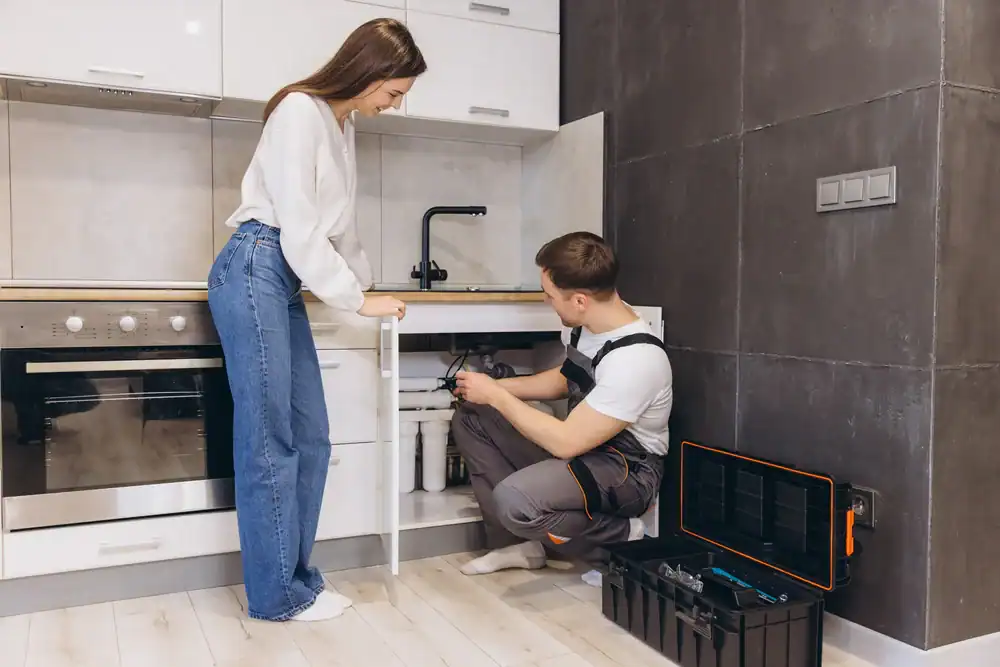
Ready to get started?
A whole house water filter isn’t just one piece of equipment. It’s a system designed around your water quality and your home’s specific needs.
In Holiday Hill and Century, we see a lot of iron staining, sediment buildup, and hard water issues that damage appliances and leave residue on everything. A properly designed point-of-entry system addresses those problems with the right combination of filtration stages. You might need a sediment pre-filter to catch larger particles, a carbon filter to remove chlorine and improve taste, and a softener to prevent scaling. Or you might need something simpler. It depends on what’s actually in your water.
The system gets installed on your main line with shut-off valves, bypass options, and proper drainage for backwashing cycles. You’ll have access to clean, treated water at every tap, shower, washing machine, and appliance. That means your water heater isn’t collecting sediment, your washing machine isn’t leaving rust stains on clothes, and your faucets aren’t building up mineral deposits.
We also set you up with a maintenance plan so filters get changed on schedule and the system keeps working the way it should. Most homeowners don’t think about their water system after installation—and that’s the point.
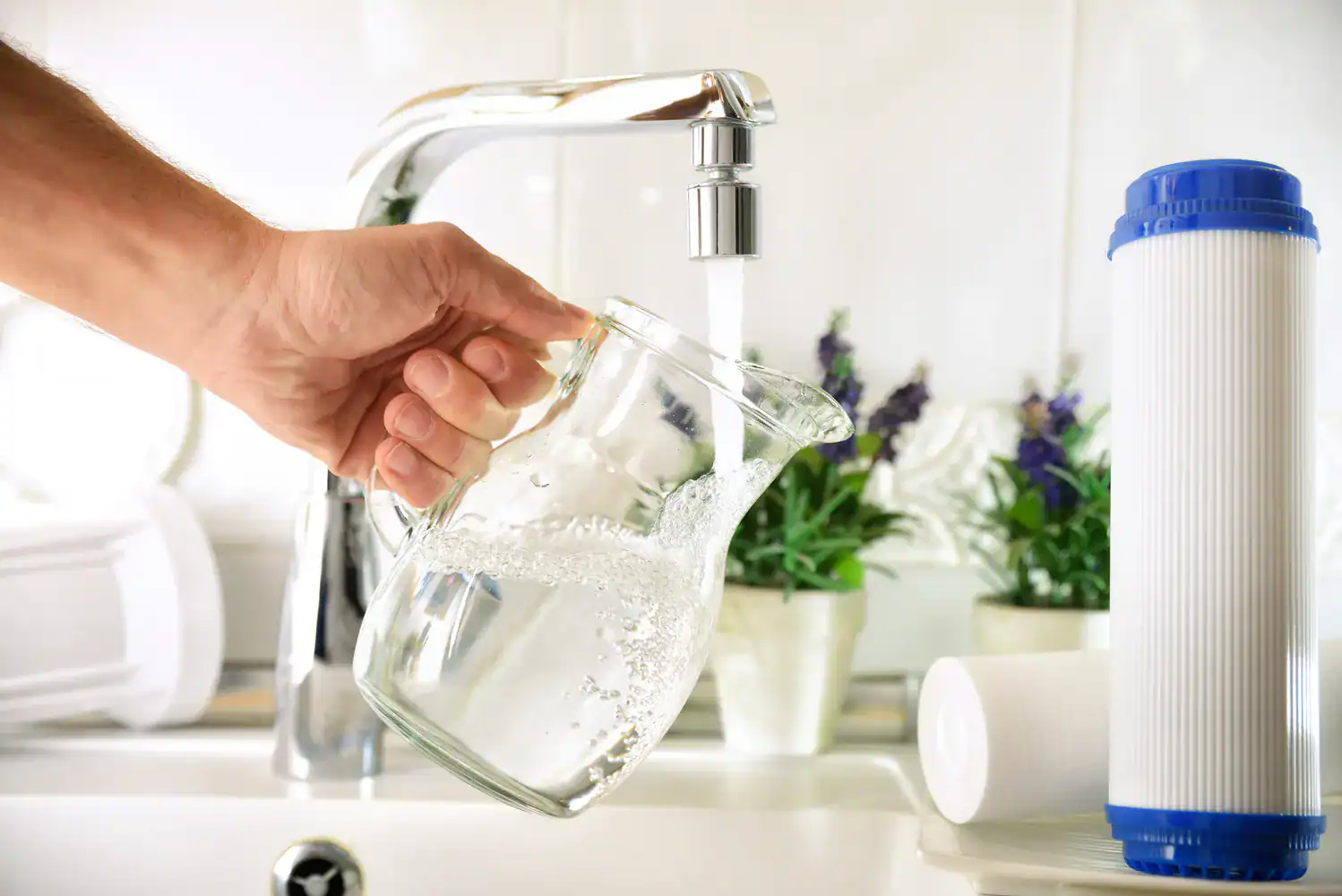
If your water smells like chlorine, leaves stains on fixtures, tastes off, or causes buildup on appliances, you probably need filtration. Those are signs of contaminants that a point-of-entry system can remove.
The best way to know for sure is to test your water. We can do that and show you exactly what’s in it—iron, sediment, hardness, chlorine, pH imbalance, or other issues common in Holiday Hill and Century. Once you see the results, it’s easier to decide whether a whole house system makes sense or if a simpler solution works.
Some people only care about drinking water and go with an under-sink filter. But if you’re dealing with staining, scaling, or appliance damage, you need treatment at the main line. That’s what a whole house water filter does—it treats everything before it gets distributed throughout your home.
A water filter removes contaminants like sediment, chlorine, iron, and particles. A water softener removes hardness minerals—calcium and magnesium—that cause scaling and buildup.
They do different jobs, and a lot of homes need both. If your water is hard and has other issues like chlorine or iron, a combination system handles everything in one setup. You get the filtration benefits and the softening benefits without needing two separate installations.
In this area, hard water is common, but so is iron staining and sediment. A multi-stage system with both filtration and softening covers all of that. We design it based on your water test so you’re not paying for equipment you don’t need or skipping something that would actually help.
It depends on the type of system and how much water you use. Sediment filters usually need new cartridges every 3 to 6 months. Carbon filters last longer—typically 6 to 12 months. Softeners need salt refills and occasional resin cleaning.
If your system has automatic backwashing, it handles some of the maintenance on its own by flushing out trapped sediment and debris. You just need to make sure it has salt (if it’s a softener) and that filters get swapped on schedule.
We set up a maintenance plan so you don’t have to remember when things are due. Most people don’t want to track filter life or backwash cycles, so we handle it. Regular maintenance keeps the system running efficiently and prevents bigger problems down the road. Skipping it means reduced water flow, less effective filtration, and potential damage to the equipment.
Not if it’s sized correctly. A properly installed point-of-entry system shouldn’t cause noticeable pressure loss.
Pressure problems usually happen when the system is undersized for the home’s flow rate or when filters get clogged and aren’t changed on time. That’s why we size the system based on your home’s plumbing and water usage—not just what’s easiest to install.
If you already have low pressure, a whole house filter won’t fix that. But it also won’t make it worse if the system is designed right. In some cases, removing sediment and buildup actually improves flow because your pipes and fixtures aren’t getting choked with debris. We measure your current pressure during the assessment so there are no surprises after installation.
You could, but it’s not a simple weekend project. You’re cutting into the main water line, installing valves, setting up drainage for backwash cycles, and making sure everything is sealed and code-compliant.
If something gets installed wrong—improper sealing, incorrect backwash setup, or a system that’s not sized right—you’ll deal with leaks, pressure issues, or a filtration system that doesn’t actually work. And if it’s not installed to code, you could have problems with inspections or insurance down the road.
We install these systems daily. We know how to size them correctly, where to place them for easy maintenance, and how to set up the backwash and drainage so it doesn’t flood your utility room. We also handle permits if they’re required. Most homeowners would rather have it done right the first time than troubleshoot problems after a DIY install that didn’t go as planned.
Please provide your email address so that we can stay in touch and answer any questions you have! We will be reaching back out shortly.
"*" indicates required fields