Reach Out Today
Please provide your email address so that we can stay in touch and answer any questions you have! We will be reaching back out shortly.


Hear from Our Customers
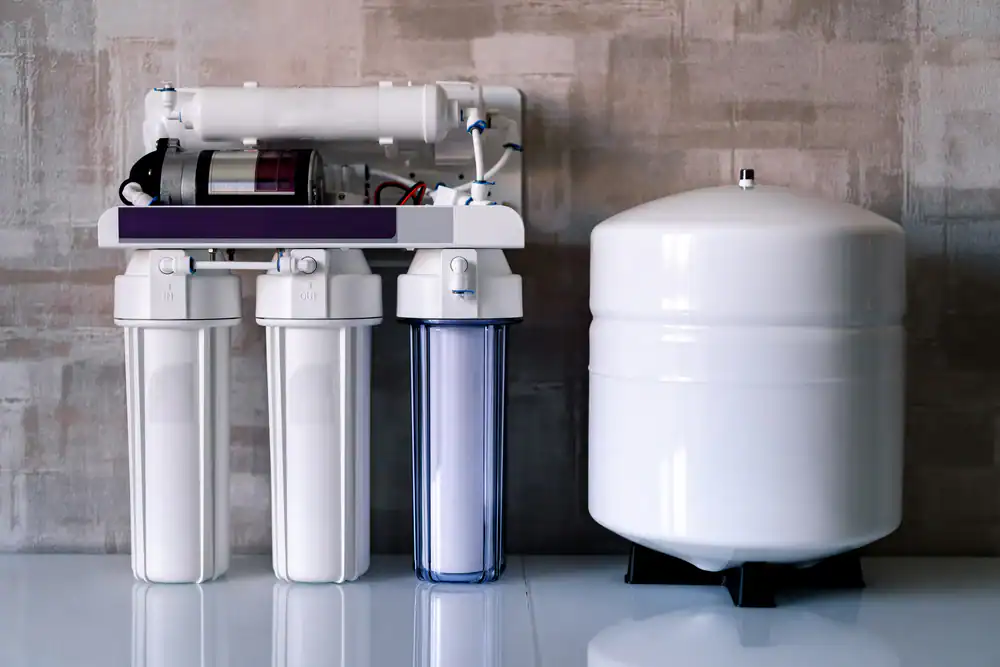
Your water heater stops fighting scale buildup. Your dishwasher quits leaving spots on glassware. Showers don’t smell like chlorine or rotten eggs anymore.
That’s what happens when you install a whole house water filter designed for Fruit Cove’s water supply. You’re not just masking problems at one sink. You’re treating water at the point of entry, before it flows through your pipes, into your appliances, and out of every fixture.
Florida’s limestone aquifers deliver hard water with mineral content that wears down equipment and leaves residue on everything it touches. Add in the chlorine from municipal treatment and the iron or sulfur common in well water, and you’re dealing with water that tastes off, smells bad, and costs you money in repairs and replacements. A multi-stage sediment filtration system addresses all of it at once, so you’re not replacing filters under every sink or buying bottled water by the case.
We have an A+ rating with the Better Business Bureau and five stars with zero complaints. That doesn’t happen by accident. It happens because we show up, do the work right, and service what we install.
We’re members of the Water Quality Association, and we’ve spent five decades solving hard water problems across Florida. Fruit Cove homeowners deal with the same challenges we see throughout the region: high mineral content, chlorine taste, occasional sulfur odor, and iron staining. We test your water, recommend a system that fits what’s actually in it, and install equipment that handles Florida’s specific water chemistry.
We also offer a $500 discount for military members and first responders, and we support the Tunnels to Towers Foundation because some things matter more than profit margins.
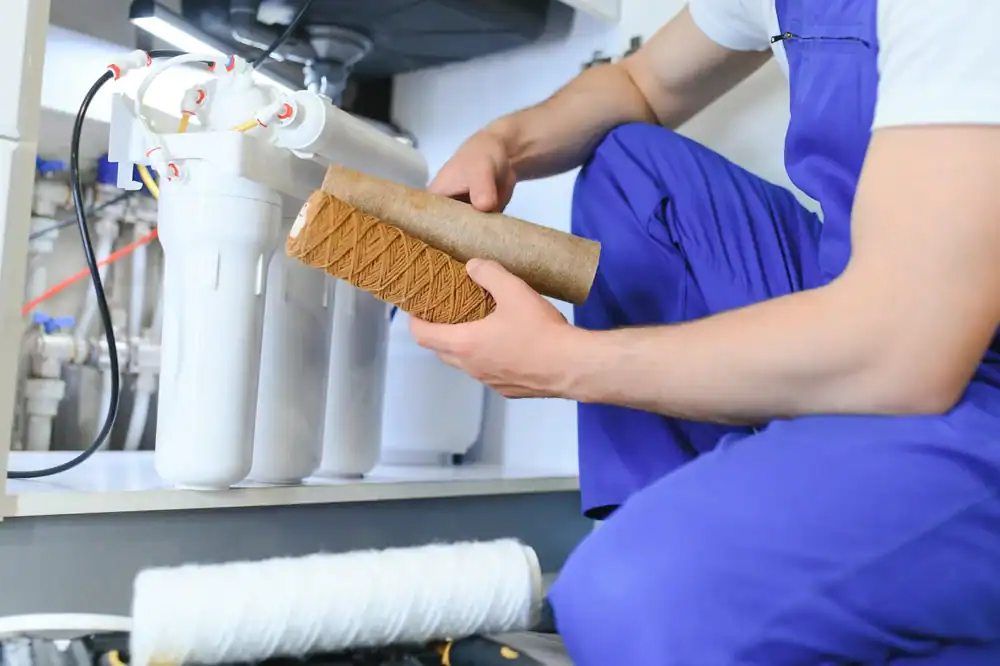
We start with a free water analysis at your home. Not a guess based on your zip code. An actual test of what’s coming out of your tap, so we know what we’re dealing with: hardness levels, chlorine content, iron, sulfur, pH, and anything else that affects water quality or equipment performance.
Once we know what’s in your water, we design a point-of-entry system that addresses those specific issues. That usually means multi-stage filtration: a sediment filter to catch particles, a carbon filter to remove chlorine and organic compounds, and sometimes specialized media for iron or sulfur removal. If you need a water softener combination to handle hardness, we’ll include that too.
Installation happens at your main water line, right where water enters your home. From that point forward, every faucet, shower, appliance, and fixture gets filtered water. The system backwashes itself on a schedule to keep filter media clean and effective, so you’re not constantly swapping out cartridges or babysitting equipment. You just use your water and let the system do its job.

Ready to get started?
A whole house water filter for a Fruit Cove home typically includes sediment filtration to remove dirt, rust, and particles down to five microns or smaller. That protects your fixtures and appliances from abrasive debris that clogs aerators and wears out seals.
Next is a whole home carbon filter, which pulls out chlorine, chloramine, and organic compounds that cause taste and odor issues. Municipal water in this area is treated with disinfectants that do their job at the treatment plant but leave behind a chemical smell and taste you don’t want in your drinking water or coffee. Carbon filtration removes that.
If you’re dealing with hard water, and most Fruit Cove homeowners are, a water softener combination handles calcium and magnesium before they form scale in your pipes and water heater. Florida’s average hardness sits around 216 parts per million, which is considered extremely hard. That level of mineral content will cut your water heater’s efficiency by nearly half and shorten the lifespan of any appliance that uses water. Softening prevents that.
For homes with well water or specific iron and sulfur issues, we add filter media designed to remove those contaminants. Iron causes rust stains on sinks, toilets, and laundry. Sulfur creates the rotten egg smell that makes your water unpleasant to use. Both are common in Florida, and both are fixable with the right filtration media and backwashing schedule.
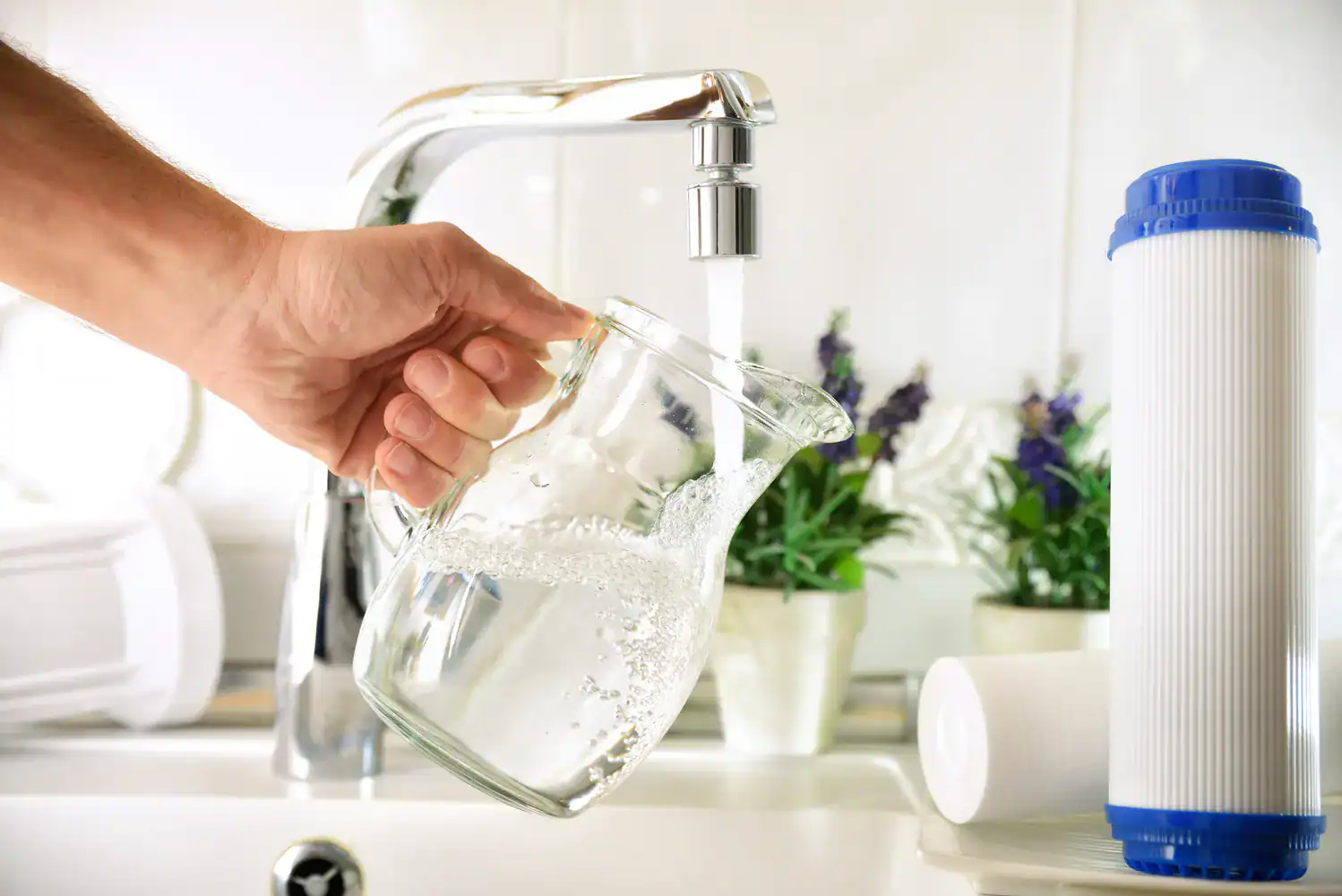
The tank and valve components in a quality point-of-entry system will last 15 to 20 years or more if they’re maintained properly. The filter media inside needs replacement or replenishment on a different schedule depending on what it’s filtering and how much water you use.
Carbon filters handling chlorine removal typically need media replacement every five to seven years for an average household. Sediment filters might need cartridge changes every six to twelve months if you have particularly dirty water, though some systems use backwashing filters that clean themselves and last much longer. Water softener resin can last 10 to 15 years before it needs replacement, though you’ll need to keep the brine tank filled with salt if you’re using a traditional ion-exchange softener.
Florida’s water chemistry is hard on equipment, so regular service matters. We recommend annual checkups to inspect valves, test media performance, and adjust settings if your water quality changes. That keeps the system running efficiently and catches small problems before they become expensive ones.
Yes, but you need the right type of filter media. Sulfur, which smells like rotten eggs, is caused by hydrogen sulfide gas in your water. Standard carbon filters help with mild odor, but they’re not enough if you have a strong sulfur problem.
For moderate to heavy sulfur content, we install a system with catalytic carbon or a dedicated oxidizing filter media that converts hydrogen sulfide into sulfur particles, which then get trapped and backwashed out of the system. Some setups use an air injection system that oxidizes the sulfur before filtration. The right approach depends on your sulfur levels and whether you also have iron in your water, since the two often show up together.
We test your water first to measure exactly how much sulfur you’re dealing with, then recommend a system that’s designed to handle that load. Undersized or wrong-type filtration won’t solve the problem, and you’ll still smell it in your showers and at your kitchen sink.
Most Fruit Cove homes benefit from both, because they solve different problems. A water softener removes hardness minerals like calcium and magnesium that cause scale buildup. A whole house filter removes chlorine, sediment, iron, sulfur, and other contaminants that affect taste, odor, and water clarity.
If you only install a softener, your water will be soft and won’t leave scale deposits, but it’ll still taste like chlorine and might still have sediment or odor issues. If you only install a filter without softening, you’ll have better-tasting water but your appliances will still deal with hard water damage and reduced efficiency.
The most effective setup is a water softener combination system that handles both hardness and filtration in one integrated unit, or separate components installed in sequence. We design the system based on your water test results, so you’re not paying for equipment you don’t need or skipping components that would actually make a difference.
For a complete point-of-entry system in a typical Fruit Cove home, expect to invest between $3,000 and $7,000 depending on the size of your home, the complexity of your water issues, and the type of equipment needed. A basic sediment and carbon filter setup for a smaller home with municipal water sits on the lower end. A comprehensive multi-stage system with softening, iron removal, and sulfur filtration for a larger home with well water sits on the higher end.
That price includes the equipment, professional installation, and startup service. We don’t quote prices over the phone because your water is different from your neighbor’s water, and your home’s plumbing setup affects installation complexity. We test your water, assess your space, and give you an accurate quote based on what you actually need.
The cost looks like a lot upfront, but compare it to what you’re spending on bottled water, appliance repairs, plumbing fixes, and early replacements of water heaters and washing machines. Hard water cuts appliance lifespan by 30 percent. A water heater fighting scale buildup uses up to 48 percent more energy. Those costs add up fast, and a whole house filter pays for itself over time.
Most modern point-of-entry systems are designed to run with minimal maintenance. The system backwashes itself automatically on a programmed schedule, which cleans the filter media and flushes out trapped contaminants. You don’t have to do anything for that to happen.
If you have a salt-based water softener as part of your system, you’ll need to add salt to the brine tank every few months depending on your water usage and hardness levels. That’s a simple task: open the tank, pour in the salt, close it back up. If you prefer a salt-free system, we can install one that prevents scale without requiring salt or regular refills.
Beyond that, you should schedule an annual service visit to inspect valves, check media levels, test water quality, and make sure everything is operating efficiently. We also recommend replacing sediment pre-filters once or twice a year if your system uses them, though many whole-home systems use backwashing filters that don’t need cartridge replacements. We service all brands of water treatment equipment, so even if you didn’t buy your system from us, we can maintain it and keep it running properly.
Please provide your email address so that we can stay in touch and answer any questions you have! We will be reaching back out shortly.
"*" indicates required fields