Reach Out Today
Please provide your email address so that we can stay in touch and answer any questions you have! We will be reaching back out shortly.


Hear from Our Customers
Your skin stops feeling tight after showers. Your hair isn’t straw-dry by the time you towel off. The chlorine smell that hits you when you turn on the tap? Gone.
Your dishes come out of the dishwasher without those cloudy white spots. Your coffee tastes like coffee, not like the municipal treatment plant. Your washing machine isn’t caked with mineral buildup, and your clothes last longer because they’re not getting beaten up by hard water every cycle.
Your water heater runs more efficiently because scale isn’t choking it from the inside. Your plumbing fixtures aren’t corroding. Your appliances aren’t dying early deaths. And you’re not spending money replacing things that should’ve lasted years longer.
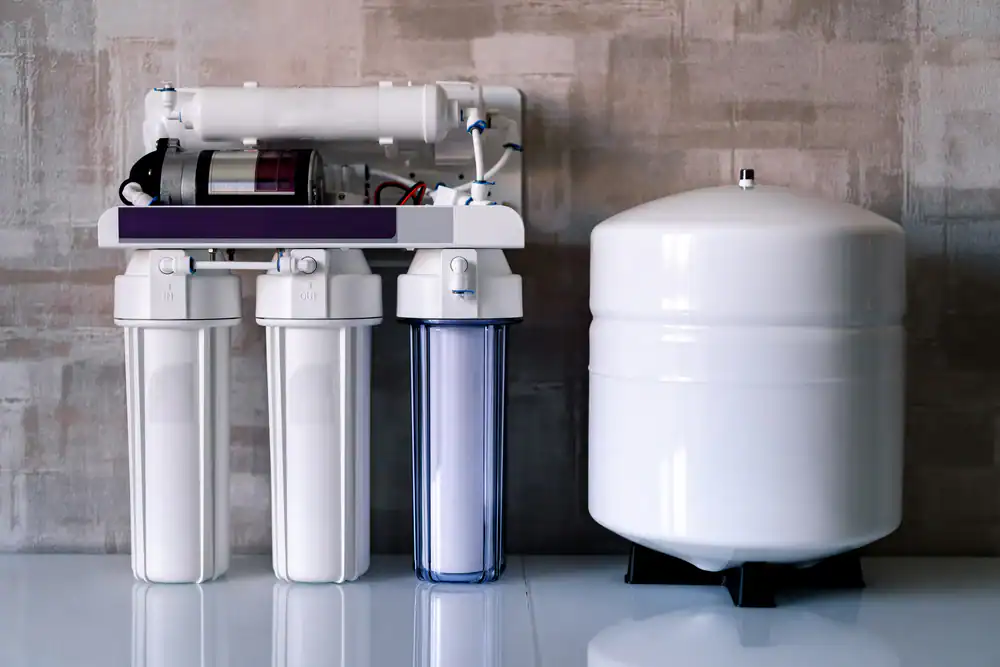
That’s what a whole home carbon filter and multi-stage sediment filtration system does. It treats the water at the point of entry, so every drop that enters your home is already filtered. Not just your kitchen sink. Every tap. Every shower. Every appliance.
We specialize in whole house water purification, softening, and filtration for homeowners in Delaney Park and throughout Central Florida. We’re members of the National Water Quality Association and hold an A+ rating with the Better Business Bureau with zero complaints.
We’re not plumbers who dabble in water treatment. We’re water treatment specialists who understand Florida’s unique challenges—from sulfur-rich groundwater to high chlorine levels in Orange County municipal supplies. We know what’s in Delaney Park’s water because we’ve been testing and treating it for years.
Here’s what sets us apart: we service what we sell. A lot of national companies will install a system and disappear. When something goes wrong, you’re on your own. We install, maintain, and stand behind every system we put in. That’s why military members and first responders get $500 off—and why we support the Tunnels to Towers Foundation.

First, we test your water. Not a generic assessment—an actual analysis of what’s coming through your pipes. Chlorine levels, mineral content, pH, contaminants. We need to know what we’re dealing with before we recommend a system.
Then we walk you through what makes sense for your home. If you’re on city water in Delaney Park, you’re dealing with chlorine and chloramines. If you’re on well water, you might have sulfur, iron, or tannins. The system we recommend depends on what your test shows—not what we have in stock.
Installation happens at your main water line. That’s the point of entry where all water enters your home. We install a multi-stage filtration system that treats everything before it splits off to your fixtures and appliances. Depending on your water quality, that might include sediment filters, carbon filters, and a water softener combination if hardness is an issue.
Once it’s in, the system runs automatically. Filter media backwashing happens on a schedule to keep everything clean and efficient. You’re not changing cartridges every month. These are whole home systems built to handle your household’s water volume without constant maintenance.

Ready to get started?
A point-of-entry system filters all the water entering your home. That means every shower, every faucet, every appliance gets treated water. Compare that to a point-of-use filter on your kitchen sink—that only handles one tap. POE systems handle the whole house.
In Delaney Park, most homeowners deal with hard water and chlorine. Florida’s aquifers are loaded with calcium and magnesium, which cause scale buildup in pipes and appliances. Cities add chlorine to disinfect the water, which is great for killing bacteria but terrible for your skin, hair, and taste buds. A multi-stage system addresses both.
The first stage removes sediment—dirt, rust, and particles. The second stage uses activated carbon to remove chlorine, chloramines, and organic compounds that cause taste and odor issues. If hardness is a problem, a water softener combination prevents scale buildup that clogs pipes and kills water heaters. Some systems add UV or reverse osmosis stages for additional purification, but that depends on what your water test shows.
Here’s what matters: hard water costs Orlando-area families between $1,580 and $2,230 every year in appliance damage, energy waste, and product overuse. A whole house water filter pays for itself in two to four years. After that, it’s pure savings—and cleaner water.

A whole house water filter removes contaminants like chlorine, sediment, chemicals, and organic compounds that affect taste, odor, and health. A water softener removes hardness minerals—calcium and magnesium—that cause scale buildup in pipes and appliances.
Most homes in Delaney Park need both. Florida water is notoriously hard, so you’ll see white buildup on faucets, cloudy dishes, and reduced appliance lifespan if you don’t soften it. But softening doesn’t remove chlorine or improve taste. That’s where filtration comes in.
A water softener combination system handles both problems in one setup. You get filtered water that’s also softened, which means no chlorine taste, no scale buildup, and no constant appliance repairs. If your water test shows high hardness and chlorine—which is common here—that’s the system that makes sense.
It depends on the type of system. Multi-stage systems with backwashing media are low-maintenance because they clean themselves automatically. You’re not swapping out cartridges every month like you would with a basic under-sink filter.
Most whole home carbon filters need a media replacement every three to five years, depending on your water quality and household usage. Sediment pre-filters might need changing every six to twelve months if your water has a lot of particulates. Water softeners need salt refills, but that’s a simple top-off every few months.
We handle the maintenance for systems we install. You’re not figuring this out on your own or calling around for someone who knows your setup. That’s part of why we’re not the cheapest option—but it’s also why our customers aren’t stuck with systems that stop working and no one to call.
It removes most of them, but “all contaminants” is a big claim that depends on what’s in your water and what system you install. A multi-stage sediment filtration and carbon system removes chlorine, chloramines, volatile organic compounds, sediment, rust, and many chemicals that affect taste and safety.
If your water test shows specific contaminants like heavy metals, nitrates, or certain pesticides, you might need additional filtration stages—like reverse osmosis or specialized media. That’s why we test first. We’re not guessing what’s in your water or selling you a one-size-fits-all system.
Florida’s aquifers can contain pesticides, dry-cleaning solvents, and gasoline from leaking storage tanks due to the thin soil layer and high water table. If those show up in your test, we’ll recommend a system that targets them. But for most Delaney Park homes on city water, the main issues are chlorine, hardness, and sediment—and a standard whole house system handles those.
For a quality point-of-entry system in Delaney Park, you’re typically looking at a few thousand dollars, depending on the size of your home, your water quality, and the type of system you need. A basic sediment and carbon setup costs less than a multi-stage system with softening and UV purification.
Here’s the math that matters: doing nothing costs you $1,580 to $2,230 per year in appliance damage, energy waste from scale buildup, and soap and detergent overuse. A whole house system pays for itself in two to four years. After that, you’re saving money every year while getting cleaner water.
We offer a $500 discount for military members and first responders, which helps offset the upfront cost. And because we service what we sell, you’re not paying another company down the road to fix or maintain a system we didn’t install. You’re getting a complete solution from people who will still be here when you need us.
Technically, yes—if you’re comfortable working with your main water line, understand plumbing codes, and know how to size and configure a multi-stage filtration system based on your water test results. Most homeowners aren’t, and that’s where problems start.
Improper installation leads to leaks, pressure drops, and systems that don’t actually filter what they’re supposed to filter. If the system isn’t sized correctly for your home’s water flow, you’ll get weak pressure at your fixtures. If the filter media isn’t matched to your water chemistry, you’re not removing the contaminants you think you are.
We’ve seen DIY installs that caused more problems than they solved—and cost more to fix than professional installation would’ve cost in the first place. A whole house system isn’t a cartridge you screw onto a faucet. It’s a point-of-entry treatment system that needs to be installed correctly, configured for your water, and maintained over time. That’s what we do.
Please provide your email address so that we can stay in touch and answer any questions you have! We will be reaching back out shortly.
"*" indicates required fields