Reach Out Today
Please provide your email address so that we can stay in touch and answer any questions you have! We will be reaching back out shortly.


Hear from Our Customers
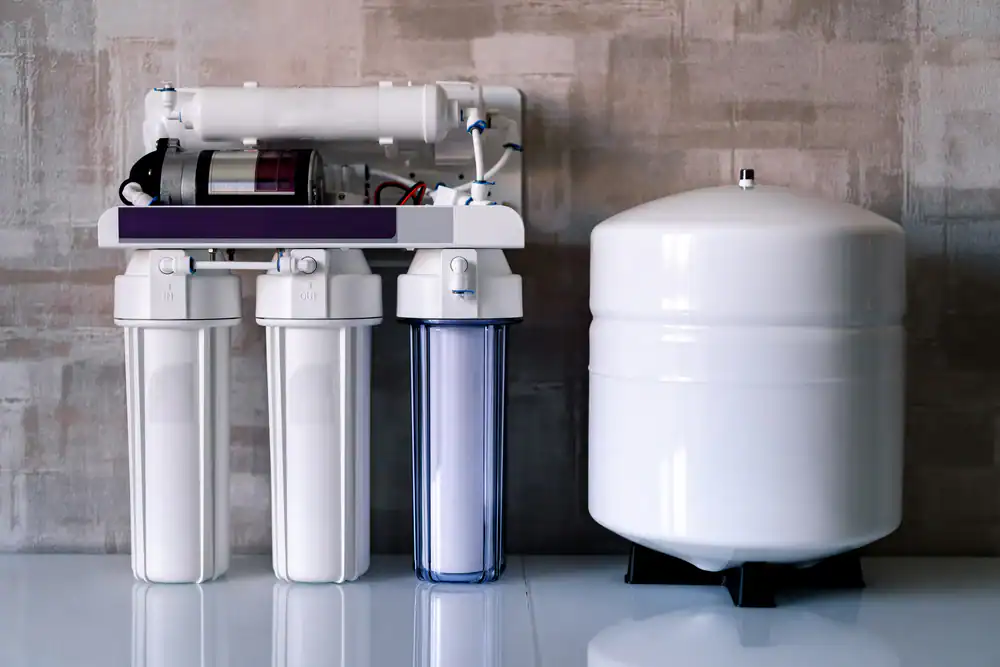
You stop buying bottled water because what comes from your tap actually tastes clean. Your coffee doesn’t have that chlorine aftertaste anymore. Your kids drink more water because it doesn’t smell like a pool.
Your water heater stops building up sediment that kills efficiency and shortens its lifespan. Your washing machine isn’t fighting hard water minerals that wear out seals and hoses. The orange stains in your toilet bowl don’t come back every week.
A point-of-entry system treats water before it reaches any fixture in your home. That means every shower, every load of laundry, every glass of water, and every appliance gets filtered water. You’re not just fixing one problem at one sink—you’re protecting your entire home’s plumbing system and everything connected to it.
The difference shows up in your monthly costs too. When your appliances aren’t fighting contaminated water, they use less energy and need fewer repairs. When you’re not replacing corroded fixtures or scrubbing mineral buildup, you’re saving time and money. A whole home carbon filter handles chlorine and organic compounds while multi-stage sediment filtration catches particles that damage your system.
We specialize in whole-house water purification for College Park homeowners dealing with Florida’s unique water challenges. We’re not plumbers who install filters on the side. We don’t sell water heaters or fix leaks. We focus entirely on making your water safe and clean throughout your entire home.
We’re A-rated with the Better Business Bureau with a 5-star rating and zero complaints. We’re members of the National Water Quality Association, which means we follow industry standards that actually matter. When we test your water, we use real analysis—not basic test strips that miss half the problem.
College Park pulls water from Florida’s limestone aquifer system, which means you’re dealing with hard water minerals, potential sulfur compounds, and whatever treatment chemicals the utility adds. We design systems specifically for these conditions because we’ve been solving them for local families who want their water to stop damaging appliances and start tasting normal.
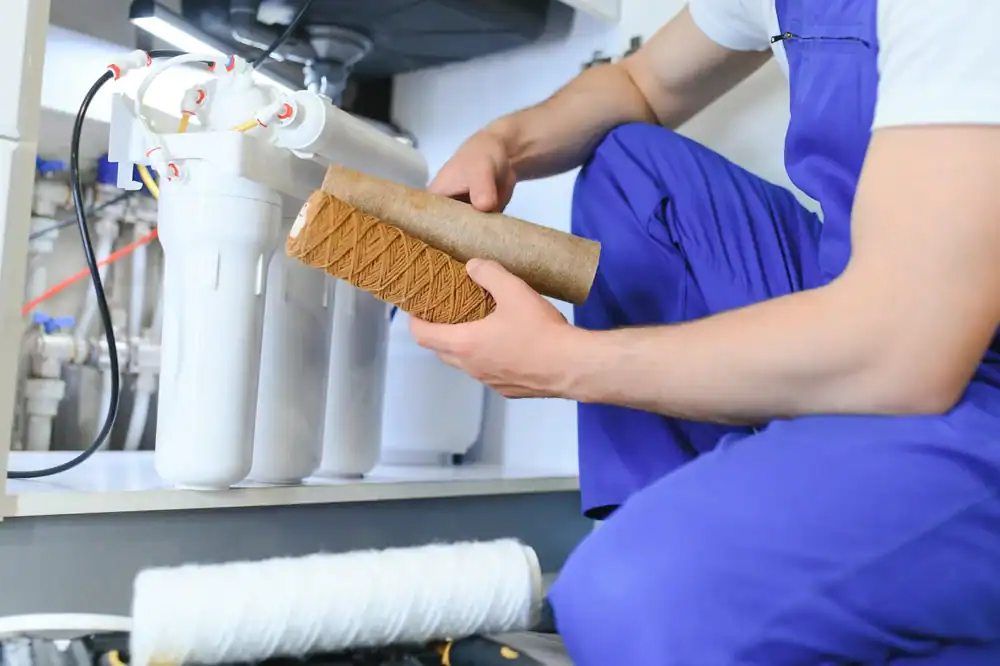
We start with a comprehensive water analysis at your home. We test for hardness minerals, chlorine levels, iron content, sulfur compounds, and other contaminants common in College Park water. This isn’t a quick dip-strip test—we’re measuring actual concentrations so we can design a system that handles your specific water chemistry.
Once we know what’s in your water, we recommend a system based on your family’s usage and your home’s plumbing setup. That might mean a water softener combination if you’ve got hard water damaging your appliances. It could include whole home carbon filters for chlorine and taste issues. If you’re on well water with bacteria concerns, we’ll talk about UV treatment.
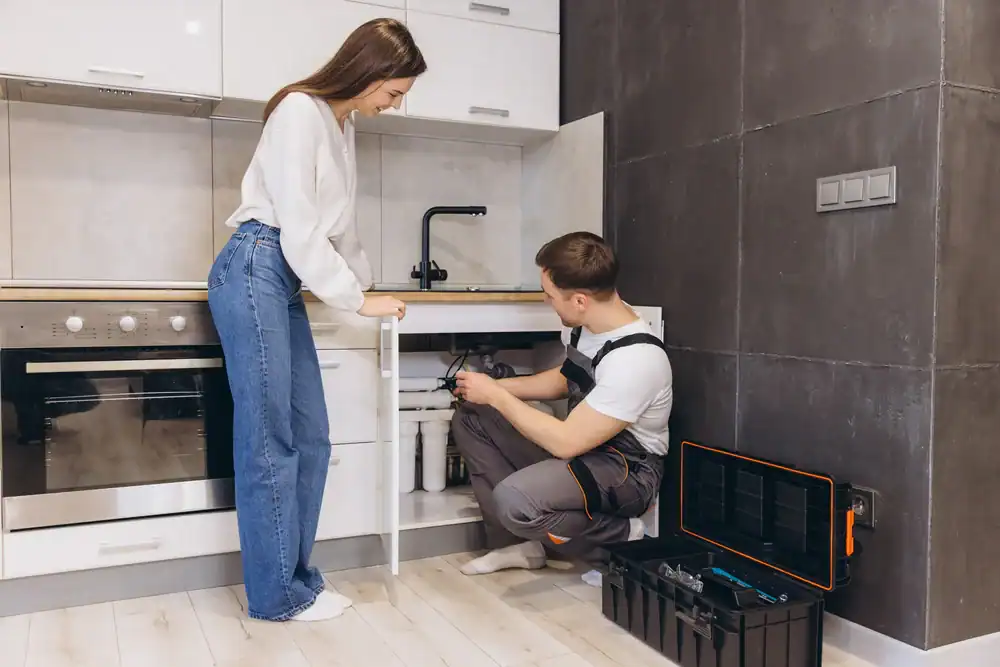
Installation happens at your main water line before it branches to your fixtures. Our certified technicians know Florida plumbing codes and how to integrate the system without disrupting your water pressure. We test everything before we leave to make sure the system is removing what it’s supposed to remove.
You’ll know when filters need changing because we’ll tell you the schedule based on your water quality and usage. Filter media backwashing happens automatically on most systems, but we’ll walk you through any maintenance you need to know about. If something doesn’t seem right after installation, you call us—not a national call center that doesn’t know your system.
Ready to get started?
A properly designed point-of-entry system for College Park addresses multiple contaminants at once. Multi-stage sediment filtration catches particles down to 5 microns—that’s the stuff that clogs aerators and wears out appliance valves. Sediment filters are your first line of defense against anything solid in your water.
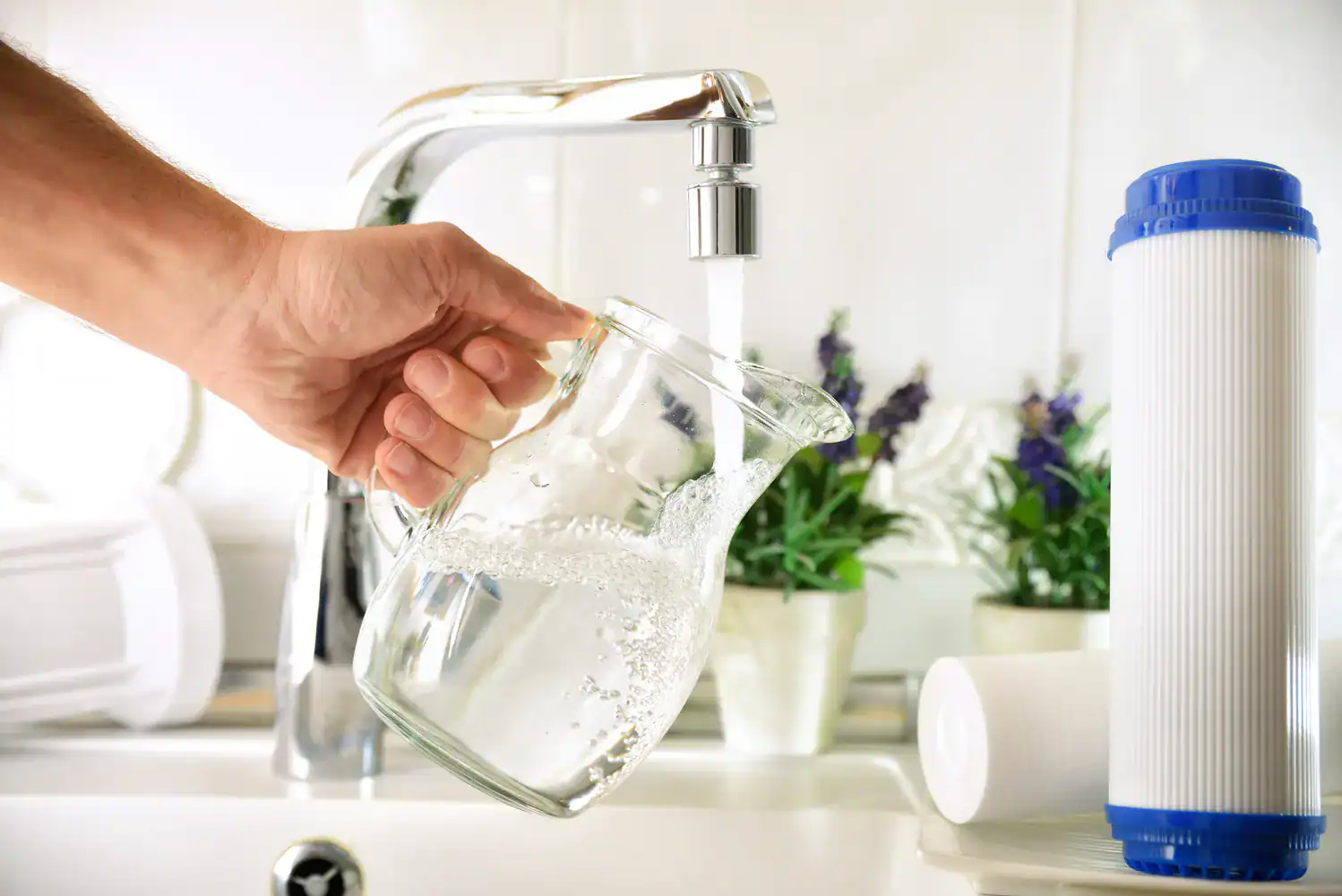
If your water has that swimming pool smell or taste, you need carbon filtration. Whole home carbon filters pull out chlorine, chloramines, and organic compounds that create odor and taste problems. Carbon also catches some of the disinfection byproducts that form when chlorine reacts with organic matter in the water supply.
Hard water needs a different approach. College Park water contains calcium and magnesium that build up in your pipes, water heater, and appliances. A water softener combination exchanges those hard minerals for sodium, which stops the buildup and extends the life of everything that uses water. You’ll notice the difference in how soap lathers and how much easier it is to clean your shower.
For homes dealing with iron, sulfur, or bacteria, we add oxidation and UV treatment. Oxidation converts dissolved iron into particles that filters can catch. UV light kills bacteria and microorganisms without adding chemicals to your water. These systems work together as a complete treatment process—not just a single filter trying to do everything.
The honest answer is it depends on what’s wrong with your water and how much water your household uses. A basic sediment and carbon system for a smaller home might run $2,000 to $3,500 installed. If you need a water softener combination to handle hard water plus filtration for taste and odor, you’re looking at $4,000 to $7,000. Add UV treatment for well water or bacteria concerns, and the number goes up from there.
That sounds like a lot until you consider what you’re protecting. Replacing a water heater that failed early from sediment buildup costs $1,500 to $2,500. A washing machine runs $800 to $1,200. Dishwashers, ice makers, and fixture repairs add up fast when your water is constantly damaging them. Most College Park homeowners recover their investment in appliance protection and energy savings within a few years.
We test your water first so you’re not paying for treatment you don’t need. If your water is relatively clean and you just want better taste and basic protection, we’ll tell you that. If you’ve got multiple issues that need a more comprehensive system, we’ll explain why each component matters and what happens if you skip it.
Not if it’s sized correctly for your home’s flow rate and installed properly. Pressure drop happens when you force water through a filter that’s too small for your household’s demand or when the filter media gets clogged and nobody changes it. We size systems based on your home’s plumbing and your peak water usage so you don’t notice a difference at your fixtures.
Most quality point-of-entry systems are designed to handle 10 to 15 gallons per minute without significant pressure loss. That’s enough for multiple showers, a washing machine, and a dishwasher running at the same time. If your home has low pressure to begin with, we’ll tell you that before installation—a filter won’t fix existing pressure problems from old pipes or utility supply issues.
Filter maintenance matters here too. When sediment filters get loaded up with particles, flow restriction increases and pressure drops. We’ll give you a replacement schedule based on your water quality. Most sediment filters need changing every 6 to 12 months depending on how much junk is in your water. Carbon filters and softener media last longer, but they still need attention. Keep up with the maintenance schedule and your pressure stays consistent.
It depends entirely on what components are in your system, because different filters target different contaminants. Sediment filters catch physical particles—sand, silt, rust, and scale that break loose from pipes. They don’t do anything for dissolved chemicals or minerals. Carbon filters pull out chlorine, chloramines, volatile organic compounds, and some pesticides. They improve taste and odor significantly, but they don’t soften water or remove hardness minerals.
Water softeners remove calcium and magnesium through ion exchange, which stops hard water buildup but doesn’t filter out chemicals or kill bacteria. UV systems kill microorganisms and bacteria but don’t filter anything else. If you’ve got iron or sulfur in your well water, you need an oxidation system that converts dissolved metals into particles that filters can catch. No single component does everything—that’s why properly designed systems use multiple stages.
When we test your College Park water, we’re identifying which contaminants you actually have so we can match the right treatment to your specific problems. If your water has high chlorine and hardness but nothing else concerning, you need carbon filtration and softening—not an expensive UV system you don’t need. If you’re on well water with bacteria, UV becomes essential. We design based on what’s actually in your water, not what sounds impressive in a sales pitch.
Sediment filters need changing every 6 to 12 months depending on how much sediment is in your College Park water. If your water comes from an older distribution system with rusty pipes, you’ll be on the shorter end of that range. Newer systems with cleaner water can stretch toward a year. You’ll know it’s time when you notice pressure dropping at your fixtures—that means the filter is clogged and restricting flow.
Carbon filters last longer, typically 12 to 24 months, because they’re not catching physical particles—they’re adsorbing chemicals. Once the carbon media is saturated, it stops removing chlorine and odor compounds effectively. You won’t see a pressure drop, but you’ll taste and smell the difference in your water. Some systems use carbon tanks that get backwashed and eventually need media replacement every few years rather than disposable cartridges.
Water softeners need salt refills regularly if you have a salt-based system. How often depends on your water hardness and usage—most families add salt every 4 to 8 weeks. The resin bed inside the softener lasts years but eventually needs replacement. UV bulbs lose effectiveness after 12 months even if they’re still glowing, so those need annual replacement to maintain bacteria-killing power. We give you a maintenance schedule specific to your system when we install it.
Technically possible, but most homeowners who try it end up calling us to fix problems or just redo the installation correctly. You’re cutting into your main water line, which means shutting off water to your entire house and dealing with whatever pressure is left in the system. You need to know local plumbing codes for backflow prevention and proper drainage for filter backwashing. If you don’t size the system correctly for your flow rate, you’ll have pressure problems. If you don’t install bypass valves, you can’t do maintenance without shutting down your whole house.
The bigger issue is system design. Without testing your water, you’re guessing at what treatment you need. Buy the wrong type of filter and you’ve wasted money on something that doesn’t solve your actual problem. Undersized systems restrict flow. Oversized systems cost more than necessary and may not filter effectively because water moves through too quickly. Point-of-entry systems need proper placement, drainage, electrical for UV or softener controls, and space for filter changes.
We see DIY installations regularly when homeowners call us because their water still tastes bad or their pressure dropped or the system isn’t regenerating correctly. Usually it’s a combination of wrong filter choice, improper sizing, and installation mistakes that cause ongoing problems. Our certified technicians know Florida codes, they’ve installed hundreds of systems, and they test everything before they leave. You’re not just paying for parts—you’re paying for a system that actually works the way it’s supposed to.
Please provide your email address so that we can stay in touch and answer any questions you have! We will be reaching back out shortly.
"*" indicates required fields