Reach Out Today
Please provide your email address so that we can stay in touch and answer any questions you have! We will be reaching back out shortly.


Hear from Our Customers
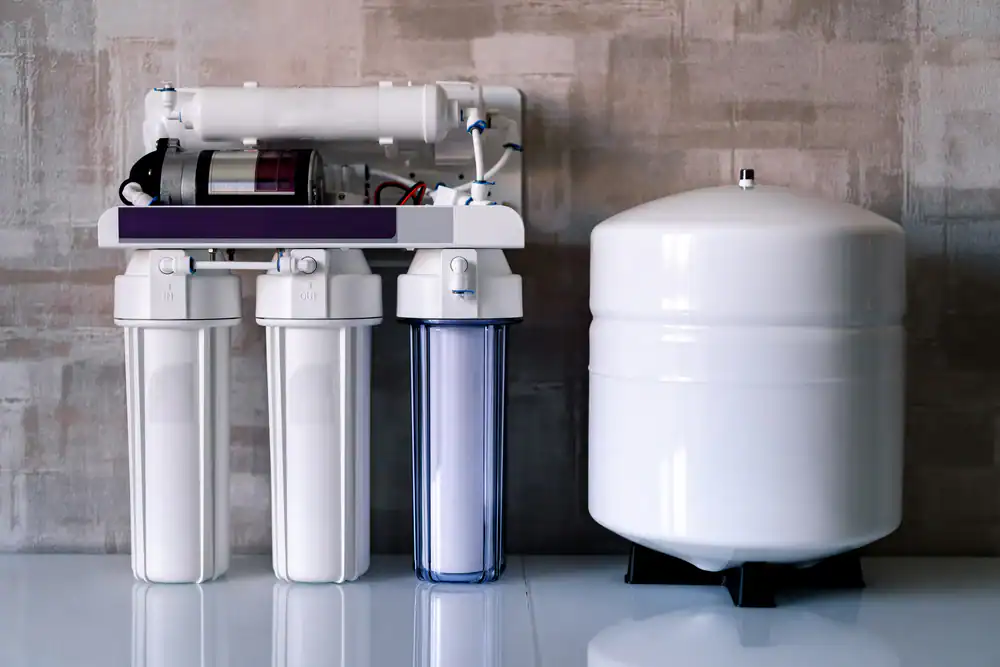
You’ll notice it first in the shower. Your skin doesn’t feel tight anymore. Your hair actually feels clean instead of coated. That chlorine smell? Gone.
Then you’ll see it around the house. No more white buildup on faucets and showerheads. Your dishwasher stops leaving spots on glasses. Clothes come out of the wash softer, brighter, without that stiff feeling.
The stuff you don’t see matters more. Your water heater isn’t slowly filling with sediment. Your pipes aren’t getting choked with mineral deposits. Every appliance that touches water lasts years longer because it’s not constantly fighting corrosion and buildup. A point-of-entry system handles all of this at the main line before water reaches a single fixture in your home.
This isn’t about luxury. It’s about stopping the daily damage Florida water does to everything it touches.
We focus exclusively on whole-house purification and filtration. No plumbing side jobs. No water heater installs. Just water quality.
We’re A+ rated with the Better Business Bureau with a 5-star rating and zero complaints. We’re members of the National Water Quality Association, which means we follow industry standards that actually matter. We’ve built our reputation in Florida by understanding exactly what’s in the water here and how to remove it.
Beachwood homeowners deal with the same issues as the rest of Florida: hard water from limestone aquifers, chlorine from municipal treatment, and contaminants that seep through porous soil. We’ve installed systems throughout this area, and we know what works. If you’re military or a first responder, we offer a $500 discount because that’s who we are.

First, we test your water. Not a guess based on your zip code—an actual test of what’s coming through your pipes. That tells us what you’re dealing with: hardness levels, chlorine content, pH, and any specific contaminants.
Then we size the system correctly for your home. Flow rate matters. If you have four bathrooms and a family of five, you need a system that can handle 15-20 gallons per minute without dropping pressure. Get this wrong and you’ll know it every time someone flushes a toilet while you’re in the shower.
We install the system on your main water line before it branches out to the rest of the house. That’s what makes it point-of-entry. Every drop of water that enters your home goes through multi-stage sediment filtration first, then through carbon filters and conditioning media. The whole process happens in seconds, but the contact time between water and filter media is maximized through our four-stage design.
After installation, the system runs itself. Most whole home carbon filters backwash automatically to clean the media. You’ll replace a sediment filter every six to nine months. That’s it.

Ready to get started?
The system includes multi-stage filtration that removes chlorine, sediment, and the minerals that cause hardness. KDF media handles heavy metals and bacteria. Carbon filtration takes care of taste, odor, and chemical contaminants like the haloacetic acids and trihalomethanes that Florida municipalities use for disinfection.
If you need softening, we can integrate that with a water softener combination system. Some homes need it, some don’t. It depends on your hardness levels and what you’re trying to protect. The filtration and softening work together but handle different problems.
In Beachwood, the municipal water supply is treated, but that doesn’t mean it’s problem-free. Florida’s aquifers sit in porous limestone with a high water table. Contaminants move through soil easily here—everything from agricultural runoff to gas station leaks. Treatment plants add chlorine to kill bacteria, but that chlorine stays in the water all the way to your house.
You’re not just filtering for health. You’re protecting a significant investment. Water heaters, dishwashers, washing machines—they all fail faster when they’re constantly processing hard, chlorinated water. Scale builds up. Seals corrode. Heating elements burn out. A whole house system stops that cycle.
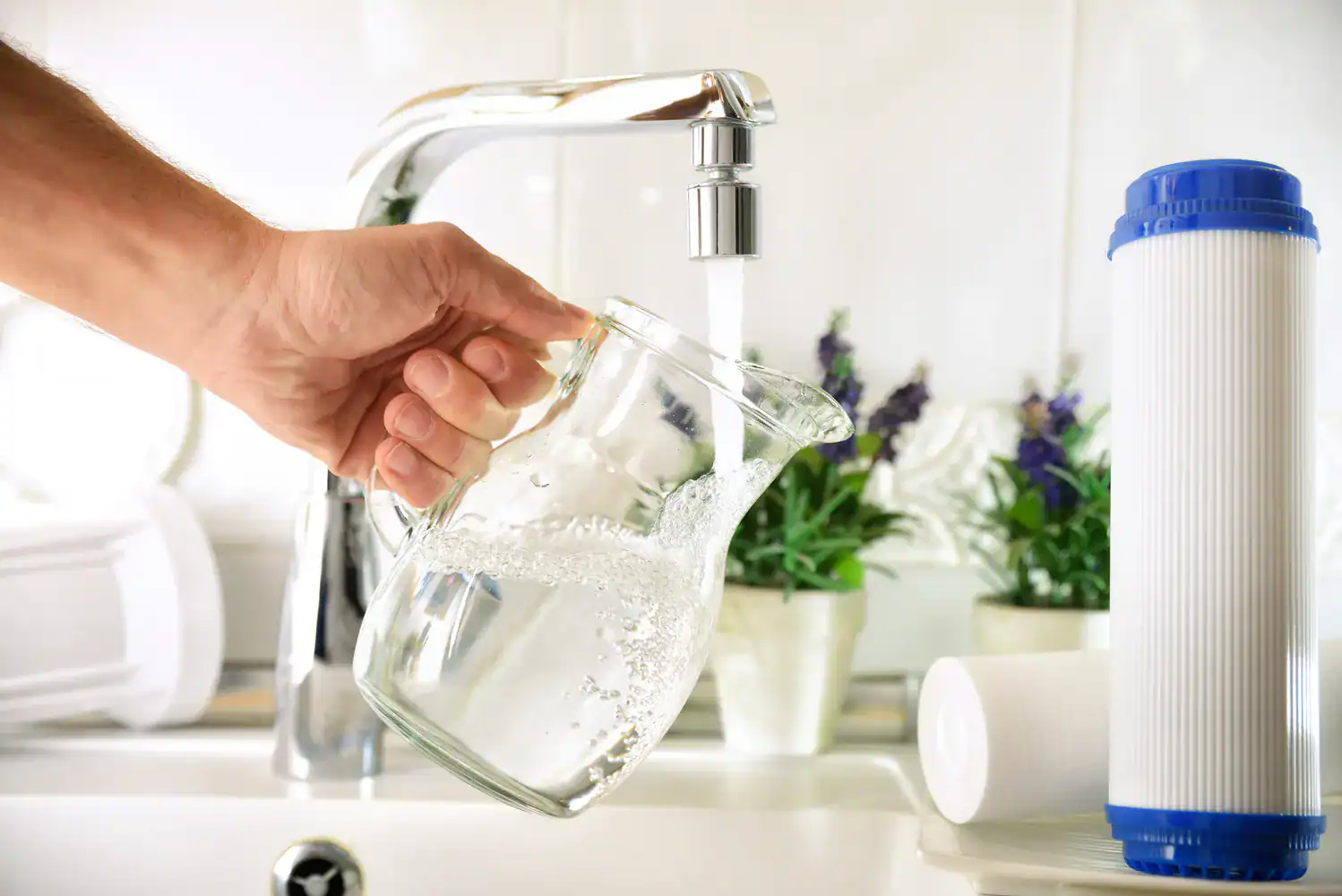
System cost depends on your home size, water quality issues, and what you need filtered. A basic whole house carbon filter setup for a smaller home starts around $2,000 to $3,000 installed. Larger homes with higher flow requirements or homes that need both filtration and softening can run $4,000 to $6,000 or more.
That’s not a small expense, but compare it to replacing a water heater every seven years instead of fifteen. Or a dishwasher every five years instead of ten. The system pays for itself in avoided repairs and replacements, usually within five to seven years. After that, you’re saving money while still getting clean water.
We don’t finance, but we do offer that $500 military and first responder discount. And we’ll give you an honest assessment after testing your water—if you don’t need certain components, we won’t sell them to you.
Not if it’s sized correctly. That’s the key. A properly sized system maintains your existing pressure because the flow rate matches your household demand.
We calculate flow rate based on your home’s fixture count and simultaneous usage patterns. A three-bedroom, two-bath home typically needs 9-12 gallons per minute. Larger homes need 15-20 GPM. The system has to handle peak demand—like when someone’s showering, the dishwasher is running, and a toilet flushes.
Undersized systems create pressure drops. Oversized systems waste money. We measure your current pressure during the assessment and design the system to maintain it. If your pressure is already low due to old pipes or municipal supply issues, the filter won’t fix that, but it won’t make it worse either.
Very little. The sediment pre-filter needs replacement every six to nine months depending on your water quality. That’s a simple cartridge swap that takes ten minutes. We can do it, or you can handle it yourself—it’s not complicated.
The carbon media and other filtration components last five to seven years typically. When they need replacement, that’s a service call. The system will keep working past that point, but filtration efficiency drops off.
Most systems include automatic backwashing for the filter media. That’s a self-cleaning cycle that happens based on water volume or time intervals. You don’t do anything—the system handles it. You might hear it run at night, but that’s it. There’s no salt to add like with traditional softeners, no constant monitoring, no regular service requirements. It’s designed to run in the background while you forget it exists.
An under-sink filter only treats water at that one faucet. You’re still showering in chlorinated hard water. Your washing machine is still getting mineral-filled water. Your water heater is still collecting sediment. Every other fixture in your home is unprotected.
A whole house system treats everything at the point of entry. That means every shower, every faucet, every appliance gets filtered water. Your skin and hair improve because you’re not bathing in chlorine. Your appliances last longer because they’re not fighting mineral buildup. Your entire plumbing system benefits.
Under-sink filters have their place for additional purification at drinking water taps, but they’re not a substitute for whole-house treatment. They’re a supplement. If you want comprehensive protection in a place like Florida where water quality affects everything from your morning shower to your afternoon laundry, you need point-of-entry filtration.
It removes most of what you’re dealing with in Beachwood: chlorine, sediment, hardness minerals, heavy metals, and many chemical contaminants. The multi-stage design with KDF media and carbon filtration handles the common issues in Florida’s municipal water supply.
What it doesn’t remove: dissolved salts, some pharmaceuticals, and certain industrial chemicals require reverse osmosis, which is typically added at point-of-use for drinking water. Bacteria and viruses aren’t usually a concern with treated municipal water, but if you’re on a well, that’s a different conversation requiring UV treatment.
The honest answer is that “all contaminants” is too broad. We test your water first to see what’s actually in it, then design the system to target those specific issues. Florida water has predictable problems—high mineral content, chlorine, and agricultural runoff contaminants. A properly configured whole house system addresses all of that effectively. If testing reveals something unusual, we’ll tell you what additional treatment you’d need.
Please provide your email address so that we can stay in touch and answer any questions you have! We will be reaching back out shortly.
"*" indicates required fields