Reach Out Today
Please provide your email address so that we can stay in touch and answer any questions you have! We will be reaching back out shortly.


Hear from Our Customers
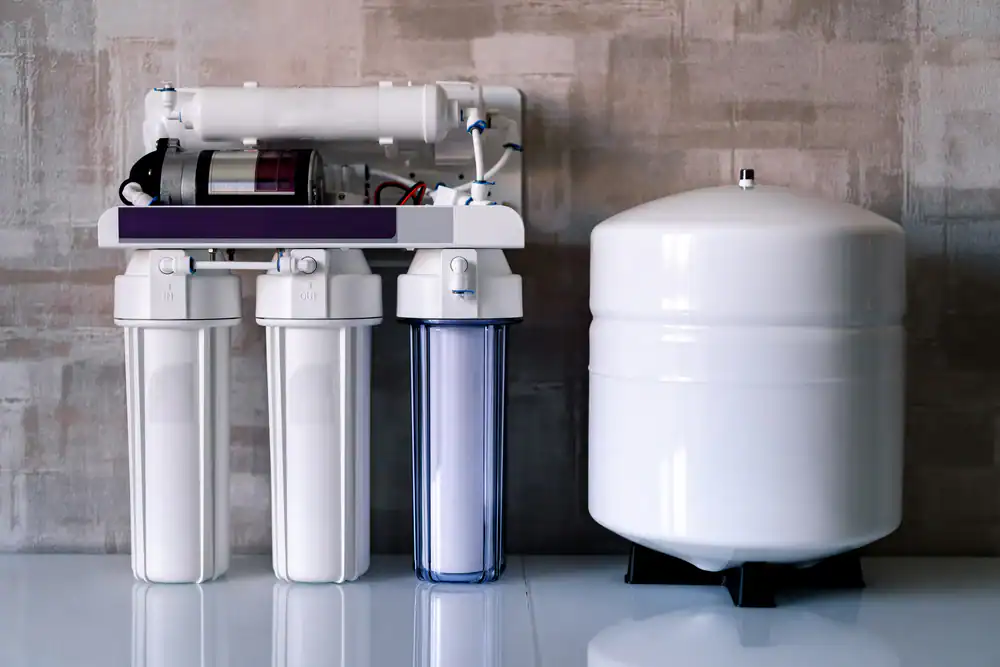
You stop wondering what’s in the water your kids are drinking. The weird taste disappears. Your skin doesn’t feel tight and itchy after every shower.
Your water heater stops fighting a losing battle against mineral buildup that can cut its efficiency nearly in half. Your dishes come out of the dishwasher without spots. Your clothes feel softer without dumping extra detergent into every load.
Point-of-entry systems filter everything before it reaches a single faucet in your home. That means every drop you drink, cook with, bathe in, or run through your appliances has already been cleaned. You’re not just treating one tap and hoping for the best.
Hard water in Bakersville comes loaded with calcium and magnesium that leave scale on everything they touch. Chlorine leaves that pool smell in your shower. And PFAS forever chemicals are showing up in Florida springs at levels that should concern anyone paying attention. A whole home carbon filter combined with the right filtration stages handles all of it.
We focus exclusively on water purification, filtration, and softening. We don’t do plumbing. We don’t install water heaters. We solve water quality problems, and that’s where our expertise lives.
We’re A-rated by the Better Business Bureau with a 5-star rating and zero complaints. We’re members of the National Water Quality Association, which means our work is held to industry standards that actually matter. And we’re involved with the Tunnels to Towers Foundation because supporting the people who serve our communities isn’t optional.
Bakersville homeowners deal with the same water quality issues affecting much of Central Florida: hard water that wrecks appliances, chlorine that irritates skin, and emerging contaminants like PFAS that the EPA is only now starting to regulate. We test your water first so you know exactly what you’re dealing with. Then we install systems designed for your specific situation, not a one-size-fits-all box from a national chain.

We start with professional water quality testing. You need to know what’s actually in your water before spending money on a system that might not address your real problems. Chlorine, sediment, heavy metals, hardness levels, PFAS—the test tells us what we’re dealing with.
Once we have your results, we recommend a system that matches your home and your water. That might mean multi-stage sediment filtration to catch particles before they reach your appliances. It could include whole home carbon filters to remove chlorine and chemical tastes. If you’ve got hard water, a water softener combination handles the minerals that cause buildup and reduce efficiency.
We install the system at your main water line—the point of entry where water first enters your home. Everything gets filtered before it splits off to your kitchen, bathrooms, laundry, and water heater. The system uses filter media backwashing to clean itself, so you’re not constantly swapping out cartridges or dealing with complicated maintenance.
You’ll notice the difference immediately. Better taste. Softer feel. Less soap needed. Appliances that aren’t fighting scale buildup every time they run. And the peace of mind that comes from knowing what’s not in your water anymore.

Ready to get started?
A real whole house water filter system isn’t a single cartridge under your kitchen sink. It’s a point-of-entry solution that treats every gallon flowing into your home. That means your drinking water, shower water, laundry water, and the water running through your dishwasher and water heater all get filtered.
Multi-stage sediment filtration catches particles at different sizes. The first stage stops the big stuff—sand, rust, dirt. Later stages catch finer sediment that would otherwise make it into your fixtures and appliances. This matters in Bakersville because aging infrastructure and natural groundwater sources both contribute sediment that shortens appliance life and affects water clarity.
Whole home carbon filters handle chlorine, chemical tastes, and organic contaminants. Chlorine is added to municipal water for disinfection, but it doesn’t need to stay there once it reaches your house. Carbon filtration removes it along with the taste and odor it brings. It also addresses PFAS, which have been detected in 63% of Florida spring vent samples according to recent testing.
If your water is hard—and in Central Florida, it probably is—a water softener combination prevents the calcium and magnesium from building up inside your water heater, on your fixtures, and in your pipes. Hard water can reduce water heater efficiency by up to 48%. That’s not a minor inconvenience. That’s real money wasted on energy bills and early appliance replacement.

Systems typically range from $1,500 to $5,000 depending on what your water needs and the size of your home. If you only need basic sediment and chlorine filtration, you’re on the lower end. If you need a full point-of-entry system with softening, advanced carbon filtration, and PFAS removal, the investment goes up.
The cost also depends on whether you’re treating city water or well water, how many bathrooms you have, and what contaminants show up in your water test. A three-bedroom home with moderate hardness and chlorine issues will cost less to treat than a five-bedroom home with high mineral content, iron staining, and PFAS contamination.
We test your water first so you’re not guessing. Then we give you options based on what’s actually in your water and what you want to address. Some people want every contaminant removed. Others just want to stop replacing their water heater every seven years because of scale buildup. We size and price the system accordingly.
Yes, but only if the system includes the right type of carbon filtration or reverse osmosis. Not all whole house filters are designed to remove PFAS. Standard sediment filters won’t touch them. Basic carbon filters might reduce them, but advanced carbon filtration specifically rated for PFAS removal is what you need for reliable results.
PFAS are showing up in Florida water at levels that should concern you. Nearly 9 million Floridians are exposed to these forever chemicals, which don’t break down and accumulate in your body over time. Long-term exposure is linked to cancer risk, developmental issues, and reduced vaccine effectiveness in children.
The EPA finalized drinking water standards for PFAS in 2024, but compliance isn’t required until 2031. That’s seven more years of exposure if you’re waiting on regulations to protect you. A properly designed whole house system with activated carbon rated for PFAS removal handles it now. We test for PFAS as part of comprehensive water testing so you know whether it’s an issue in your home.
It depends on the type of system and your water quality, but most whole house systems need attention every 6 to 12 months. Systems with filter media backwashing clean themselves automatically, which reduces how often you need to do anything manually. But you’ll still need to check salt levels if you have a softener, and carbon filters eventually need replacement.
Sediment filters might need changing every 3 to 6 months if your water has high particulate levels. Carbon filters can last a year or longer depending on your water usage and contamination levels. Softener resin can last several years before needing replacement, but the brine tank needs salt refills regularly.
Florida water tends to be harder and have more sediment than water in other parts of the country, which means filters work harder here. We set up maintenance schedules based on your specific system and water conditions. Most homeowners find the maintenance minimal compared to the problems they were dealing with before—constant appliance repairs, bottled water costs, and skin irritation that wouldn’t go away.
A water softener removes hardness minerals—calcium and magnesium—that cause scale buildup. A whole house filter removes contaminants like chlorine, sediment, heavy metals, and chemicals. They solve different problems, and a lot of Florida homes need both.
Hard water destroys appliances from the inside. It leaves white crusty deposits on faucets and showerheads. It makes soap less effective, so you use more of it and your laundry still feels stiff. A softener uses ion exchange to swap out calcium and magnesium for sodium, which stops the buildup and makes water feel slippery instead of harsh.
But a softener doesn’t remove chlorine, PFAS, or sediment. That’s where whole house filtration comes in. Multi-stage sediment filtration catches particles. Carbon filters remove chlorine and chemical contaminants. The two systems work together—one handles minerals, the other handles everything else. Most homes in Bakersville benefit from a water softener combination that addresses both hardness and contamination in a single point-of-entry setup.
Technically, yes. Realistically, you probably shouldn’t. Installing a point-of-entry system means cutting into your main water line, installing bypass valves, mounting the filtration tank, connecting drain lines for backwashing, and making sure everything is sealed and code-compliant. If you get it wrong, you’re dealing with leaks, pressure issues, or a system that doesn’t work the way it’s supposed to.
Sizing the system correctly matters too. Too small and it restricts water flow to your whole house. Too large and you’ve overspent on capacity you don’t need. The filter media has to match your water chemistry, which you won’t know without testing. And if you’re adding a water softener combination, you’re also dealing with brine tanks, resin beds, and regeneration cycles that need to be programmed correctly.
Professional installation means the system is sized right, installed to code, and actually works. It also means you have someone to call if something goes wrong. DIY installations void most warranties, and troubleshooting a system you installed yourself when you’re not sure why it’s not performing gets expensive fast. We handle the installation, test the system after it’s running, and make sure you understand how to maintain it.
Please provide your email address so that we can stay in touch and answer any questions you have! We will be reaching back out shortly.
"*" indicates required fields