Reach Out Today
Please provide your email address so that we can stay in touch and answer any questions you have! We will be reaching back out shortly.


Hear from Our Customers
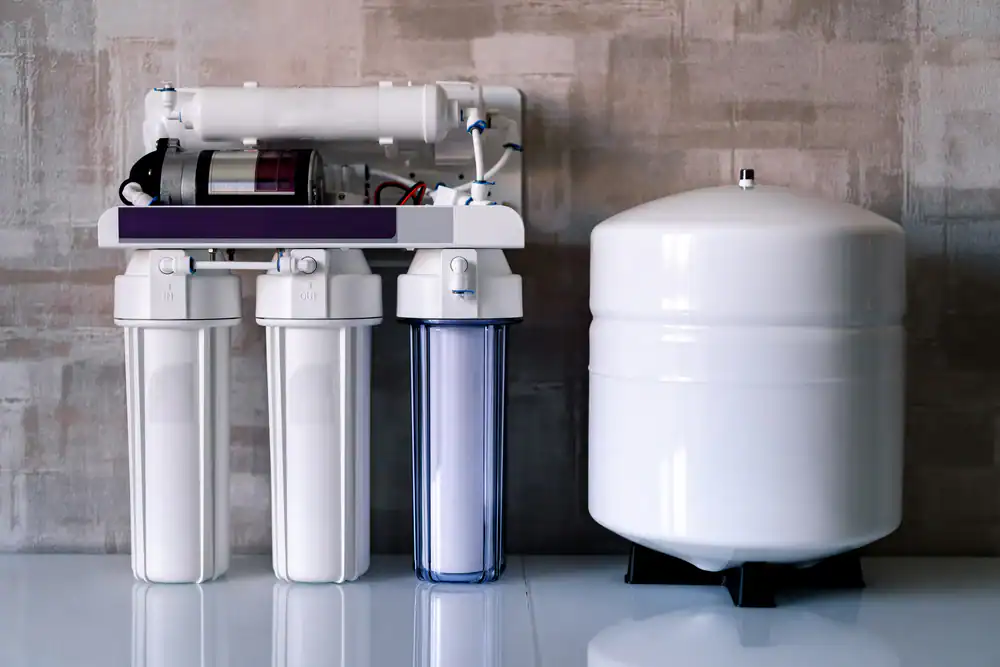
The chlorine smell disappears when you turn on the tap. Your dishes come out of the dishwasher without spots. Your water heater stops working overtime against mineral buildup that cuts its efficiency nearly in half.
Hard water costs you more than you realize. It leaves residue on every surface it touches—your shower doors, your faucets, your coffee maker. It makes your soap less effective, so you use more of it. And it quietly corrodes your plumbing and appliances from the inside out.
A point-of-entry system treats water before it enters your home’s plumbing. That means every drop that comes through any faucet, showerhead, or appliance has already been filtered. You’re not just improving drinking water—you’re protecting your washing machine, your dishwasher, your water heater, and your entire plumbing system from the damage that Florida’s mineral-heavy groundwater causes.
The difference shows up fast. Water tastes better. Soap lathers easier. Your skin doesn’t feel as dry after a shower. And over time, you’ll spend less on appliance repairs and replacements because you’re not forcing them to work against water that’s actively breaking them down.
We have an A rating with the Better Business Bureau and zero complaints. We’re members of the National Water Quality Association, and we’ve spent over 50 years figuring out how to fix the specific water issues that affect homes across North and Central Florida.
Arlington Hills pulls its water from the Floridian Aquifer System, which means your water passes through limestone before it reaches your tap. That’s why it picks up so much calcium and magnesium—the minerals that make Florida water notoriously hard. We test your water first, then design a system based on what’s actually in it and how much water your household uses.
We don’t sell plumbing services or water heaters. We focus entirely on water treatment, and we can service any brand of system you already have. If you’re military or a first responder, we offer a $500 discount.

We start with a free water analysis. You can’t fix water problems you haven’t identified, and Florida water varies depending on where it’s sourced and what it passes through underground. We test for hardness, chlorine, iron, sulfur, and other contaminants that affect how your water looks, smells, tastes, and behaves.
Once we know what’s in your water, we design a system that addresses those specific issues. Multi-stage sediment filtration removes particles and debris. Whole home carbon filters handle chlorine and organic compounds that cause taste and odor problems. If you need a water softener combination to deal with hardness, we’ll include that. Some systems use filter media backwashing to clean themselves automatically, which cuts down on maintenance.
Installation happens at your main water line—the point of entry where water first comes into your home. That’s why these are called POE systems. After installation, every faucet, shower, toilet, and appliance in your house gets filtered water. You don’t have to think about it. It just works.
We handle the installation, and we’re available to service the system down the road. Most systems need minimal maintenance—filter changes, occasional media replacement, and routine checks to make sure everything’s running efficiently.

Ready to get started?
Your system is designed around your water test results, not a one-size-fits-all template. If your water has high iron content that’s staining your sinks and laundry, we address that. If sulfur is giving your water a rotten egg smell, we filter it out. If chlorine is the main issue—and it usually is in municipal water supplies—we remove it before it damages your appliances or affects the taste of your water.
We offer salt-free options for homeowners who want to prevent scale buildup without adding sodium to their water. These systems don’t require electricity or ongoing water waste, and they’re effective at protecting your plumbing and appliances from hard water damage.
In Arlington Hills, the most common complaints involve hard water buildup, chlorine taste, and iron staining. The Floridian Aquifer delivers mineral-rich water that’s tough on appliances and fixtures. Public water treatment adds chlorine to kill bacteria, but that chlorine stays in your water when it reaches your home—unless you filter it out. Many homes also deal with iron that leaves rust-colored stains or sulfur that makes water smell like rotten eggs.
A whole house system handles all of it at once. You’re not installing a filter on one faucet and hoping it’s enough. You’re treating the water before it has a chance to cause problems anywhere in your home.
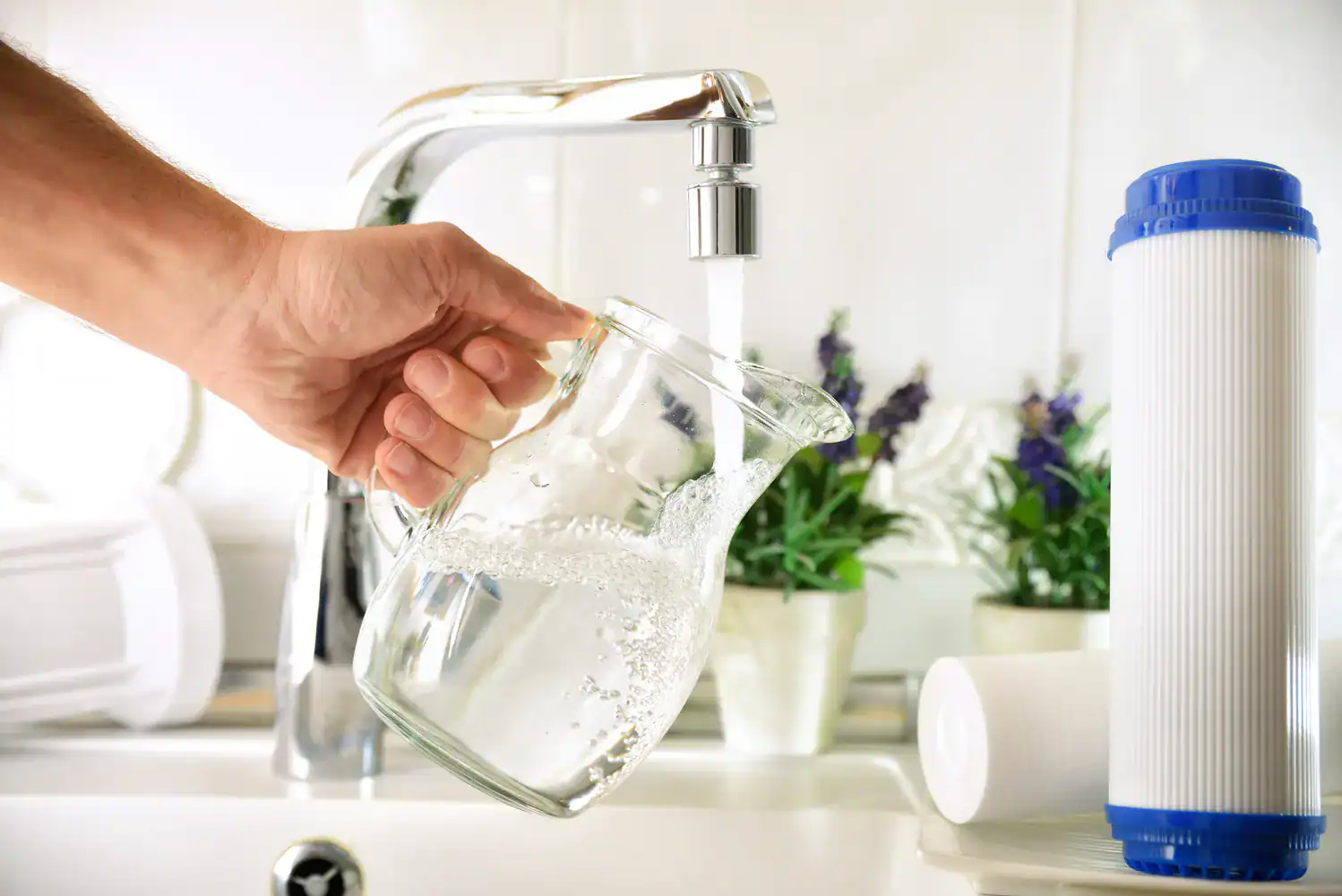
The cost depends on what’s in your water and what size system your home needs. A basic filtration system for a smaller home with minor chlorine and sediment issues will cost less than a multi-stage system designed to handle high iron, sulfur, and extreme hardness in a larger house.
We don’t quote prices before we test your water because we’d just be guessing. Your water might need a simple carbon filter, or it might need a combination system with a softener, iron filter, and sediment pre-filter. The only way to give you an accurate price is to analyze your water first and design a system that actually solves your specific problems.
We offer a free water analysis, and after that, we’ll give you a clear breakdown of what the system includes and what it costs. We also offer a $500 discount for military members and first responders.
Yes. Chlorine is one of the easiest contaminants to remove, and it’s one of the most common complaints we hear from homeowners in Arlington Hills. Municipal water treatment plants add chlorine to kill bacteria, which is important for safety—but it gives your water a chemical taste and smell that most people don’t want.
A whole home carbon filter removes chlorine before it reaches any faucet in your house. Carbon is extremely effective at absorbing chlorine and chloramine, and it also handles organic compounds that cause odor issues. Once the system is installed, you won’t taste or smell chlorine in your drinking water, your cooking water, or even your shower water.
Removing chlorine also protects your appliances. Chlorine is corrosive, and over time it breaks down rubber seals, gaskets, and internal components in your dishwasher, washing machine, and water heater. Filtering it out extends the life of everything that uses water in your home.
It depends on the type of system and how much water your household uses. Most carbon filters need replacement every 6 to 12 months. Sediment pre-filters might need changing every 3 to 6 months if your water has a lot of particulate matter. Some systems use filter media that gets backwashed and cleaned automatically, which extends the time between replacements.
We’ll walk you through the maintenance schedule when we install your system. It’s not complicated, and most homeowners can handle filter changes themselves. If you’d rather have us take care of it, we offer service for all brands of water treatment systems—not just the ones we install.
Regular maintenance keeps your system running efficiently. A clogged filter can’t do its job, and it can also slow down your water pressure. Staying on top of filter changes means you get consistent water quality and your system lasts longer.
A water softener removes hardness—specifically calcium and magnesium—by exchanging those minerals for sodium or potassium. It prevents scale buildup in your pipes and appliances, and it makes soap work better. But it doesn’t remove chlorine, sediment, iron, sulfur, or other contaminants that affect taste, odor, and water quality.
A whole house filter removes particles, chemicals, and contaminants, but it doesn’t soften water. If your water is hard and has other issues—like chlorine taste or iron staining—you’ll get the best results from a combination system that includes both filtration and softening.
In Arlington Hills, most homes need both. The groundwater here is hard because it passes through limestone, and municipal treatment adds chlorine. A combination system handles the hardness and the chlorine, plus any iron or sulfur that’s present. We design systems based on your water test, so you’re only paying for what you actually need.
Yes, but you need the right type of filter. Standard carbon filters aren’t designed to handle high levels of iron or sulfur. If your water test shows elevated iron or sulfur, we’ll include a specialized filter that targets those contaminants specifically.
Iron shows up as reddish-brown stains on your sinks, toilets, and laundry. It can also give your water a metallic taste. Sulfur produces a rotten egg smell that’s hard to ignore. Both are common in Florida groundwater, especially in areas that rely on well water or certain parts of the aquifer system.
An iron filter uses oxidation or filtration media to remove dissolved iron before it stains your fixtures. A sulfur filter handles hydrogen sulfide gas, which is what causes the smell. If you have both issues, we’ll design a system that addresses them together. The result is water that doesn’t stain, doesn’t smell, and doesn’t leave residue on everything it touches.
Please provide your email address so that we can stay in touch and answer any questions you have! We will be reaching back out shortly.
"*" indicates required fields