Reach Out Today
Please provide your email address so that we can stay in touch and answer any questions you have! We will be reaching back out shortly.


Hear from Our Customers
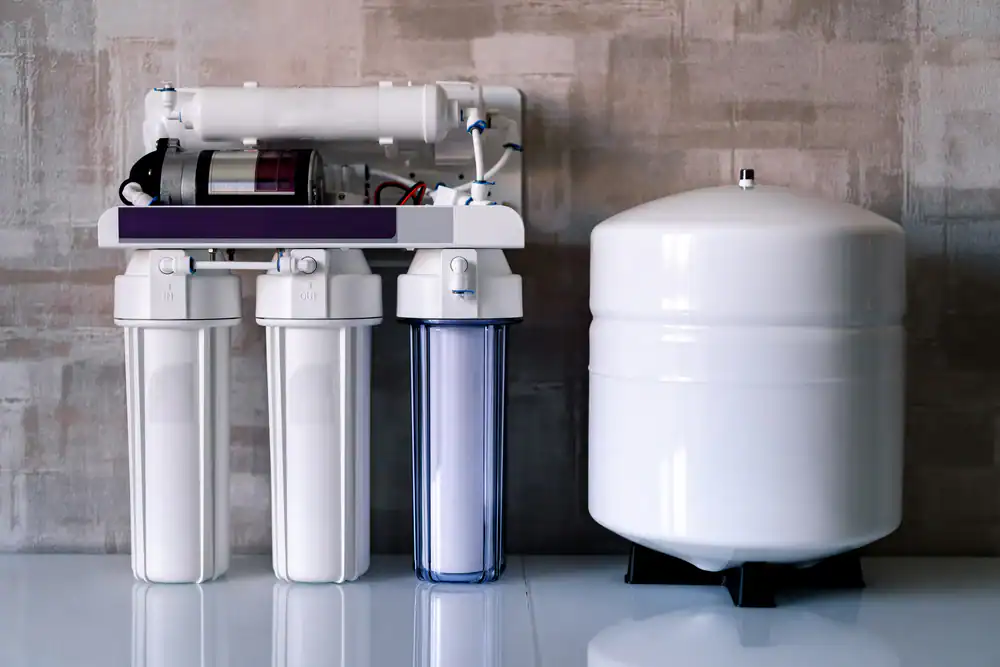
You stop wondering what’s in the water your kids drink. You stop scrubbing white buildup off faucets and showerheads every month. Your washing machine and water heater last longer because they’re not fighting sediment and mineral deposits with every cycle.
A point-of-entry system filters everything before it reaches a single tap in your home. That means the water you cook with, bathe in, and wash clothes with goes through multi-stage sediment filtration and whole home carbon filters first. No chlorine smell when you shower. No metallic taste in your coffee. No rust stains on laundry.
North Florida has some of the hardest water in the state, and Jacksonville’s supply has tested positive for arsenic at levels that make families uncomfortable. You can’t see arsenic. You can’t taste it. But a whole house water filter with the right certifications removes it before it reaches your glass. That’s not dramatic—it’s just what these systems do when they’re installed correctly.
We hold an A-rating with the Better Business Bureau and a 5-star rating with zero complaints. We’re members of the National Water Quality Association, which means we follow the standards that matter when you’re filtering water for your family.
We’ve worked with homeowners across North and Central Florida long enough to know what Argyle Forest water does to pipes, appliances, and skin. Boil water advisories happen here. Chlorine levels run high. Hard water is the norm, not the exception. We design systems around those realities, not around a national average that doesn’t apply to your zip code.
You’ll also find us supporting the Tunnels to Towers Foundation, and we offer a $500 discount to military members and first responders. That’s not marketing. It’s just how we operate.

We start with a free in-home water analysis. Not a sales pitch disguised as a test—an actual look at what’s in your water. That tells us whether you need a water softener combination, how much sediment filtration you need, and whether your system should include specialized media for contaminants like arsenic or PFAS.
Once we know what we’re dealing with, we design a custom system. Some homes need a basic whole home carbon filter and softener. Others need more aggressive filtration with backwashing filter media that regenerates itself to handle higher contamination levels. We don’t sell you the same setup as your neighbor unless your water matches theirs.
Installation happens at your main water line—the point of entry. That’s where all water enters your home, so treating it there means every outlet gets filtered. We handle the install, test the system, and show you how everything works. If something needs service later, we’re the ones who come back. We don’t sell systems and disappear.

Ready to get started?
Your system will be NSF certified to standards 42 and 61, which means it removes aesthetic impurities like chlorine and meets safety standards for materials that touch your drinking water. If your water test shows contaminants like PFAS, we’ll recommend NSF 401 certified filters, which are now required under EPA’s 2024 regulations.
You’ll get a system designed for Argyle Forest’s water profile. That includes filtration for the chlorine and chloramines Jacksonville uses as disinfectants, sediment common in North Florida wells and older municipal lines, and hardness minerals that wreck appliances. If your water contains arsenic above 1 ppb—which Jacksonville’s has tested at 1.03 ppb—your system will address that specifically.
We also install systems with smart monitoring when it makes sense. You can track filter life and water quality from your phone instead of guessing when maintenance is due. Some systems need filter changes every six months. Others use backwashing media that lasts years. We’ll tell you what to expect with yours, and we’ll be available when it’s time to service it. That’s where most national companies fail—they sell the system but don’t show up for the follow-through.
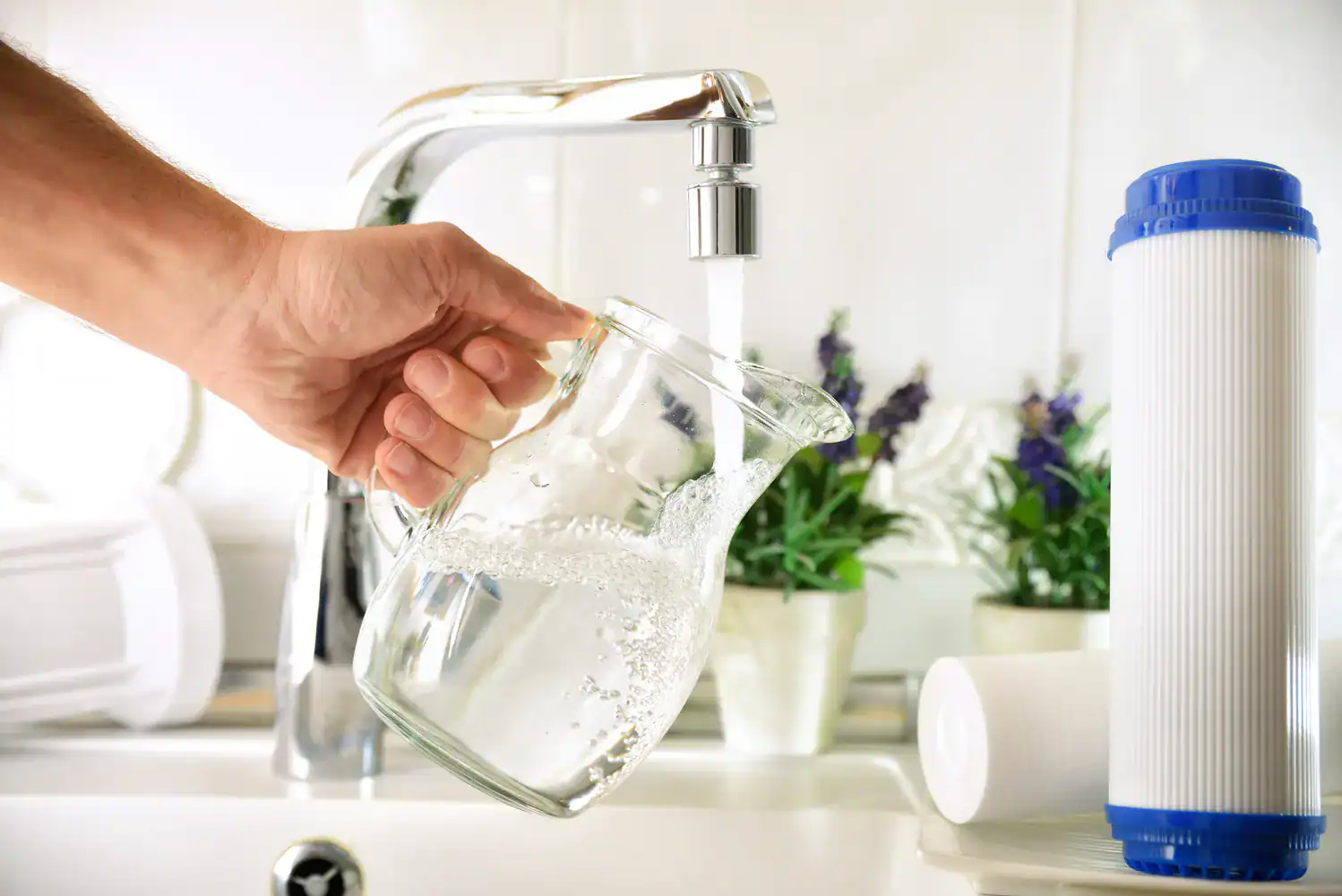
If your water smells like chlorine, leaves white residue on fixtures, stains your laundry, or just tastes off, you’re dealing with issues a whole house system can fix. But the bigger reasons are the ones you can’t see or taste.
Jacksonville’s water has tested positive for arsenic, and North Florida is known for hard water that shortens the life of water heaters, dishwashers, and washing machines. If you’ve had a boil water advisory in your neighborhood—which Argyle Forest has experienced—that’s a sign your water supply is vulnerable to contamination during pressure drops or main breaks.
The best way to know for sure is to test your water. We do that for free, and the results will show you exactly what’s in your water and what type of filtration makes sense. Some homes need a simple carbon filter and softener. Others need more advanced filtration for heavy metals or chemicals. The test removes the guesswork.
A whole house filter treats all the water entering your home at the point of entry. That means every faucet, shower, toilet, and appliance gets filtered water. It’s designed to remove chlorine, sediment, hardness minerals, and depending on the system, contaminants like heavy metals and chemicals.
A reverse osmosis system treats water at one location—usually under your kitchen sink. It’s a point-of-use system that produces highly purified drinking water but doesn’t help with your shower, laundry, or appliances. RO systems are great for drinking water, but they don’t stop scale buildup in your water heater or chlorine exposure in your shower.
Most families who want comprehensive protection install both. The whole house system handles the bulk filtration and softening for the entire home. The RO system provides an extra level of purification for drinking and cooking water. If you’re only going to install one, a whole house system gives you the most coverage. If you want the cleanest drinking water possible and whole-home protection, you combine them.
It depends on what type of system you have and what it’s filtering. A basic carbon filter typically needs replacement every six to twelve months, depending on your water usage and contamination levels. Sediment pre-filters might need changing every three to six months if you have a lot of particulate in your water.
If you have a water softener combination, the softener uses salt that you’ll refill every few weeks or months, depending on your hardness level and household size. The resin bed inside the softener can last several years before it needs replacement.
Systems with backwashing filter media require the least maintenance. These systems automatically clean themselves by reversing water flow to flush out trapped contaminants. You might go years between media replacements, though you’ll still want annual checkups to make sure everything’s working correctly. We install systems with smart monitoring when possible, so you’ll get alerts when it’s time for service instead of guessing. And unlike national companies that sell systems and disappear, we actually show up for maintenance calls.
Yes. Chlorine and chloramines are exactly what whole home carbon filters are designed to remove. Jacksonville uses these chemicals to disinfect the water supply, which is why your water smells like a pool when it’s hot or when you’re running the shower.
When you install a point-of-entry carbon filtration system, it removes chlorine before the water reaches your shower, so you’re not breathing it in or absorbing it through your skin. A lot of people notice their skin and hair feel different after they stop showering in chlorinated water—less dryness, less irritation.
The carbon filter also removes the taste from your drinking water and keeps chlorine from damaging the rubber seals and components inside your appliances. If you’ve ever noticed how quickly faucet washers or washing machine hoses wear out, chlorine exposure is part of the problem. Filtering it out at the point of entry protects everything downstream, including you.
Absolutely, and well water often needs more filtration than city water. Wells in North Florida can have high levels of sulfur, iron, sediment, tannins, and hardness minerals. Some wells also test positive for bacteria, nitrates, or arsenic depending on the depth and location.
The first step is testing your well water to see what you’re dealing with. Based on those results, we design a system that addresses your specific contaminants. That might include sediment filters, carbon filters, a water softener, an iron filter, or a UV sterilization system if bacteria is present.
Well water systems often need more robust filtration than city water systems because there’s no municipal treatment happening before the water enters your home. You’re responsible for all of it. But once the right system is installed, your well water can be cleaner and better-tasting than anything that comes from a city line. We’ve installed plenty of whole house systems on wells throughout Argyle Forest, and the process is straightforward once we know what’s in your water.
Please provide your email address so that we can stay in touch and answer any questions you have! We will be reaching back out shortly.
"*" indicates required fields