Reach Out Today
Please provide your email address so that we can stay in touch and answer any questions you have! We will be reaching back out shortly.


Hear from Our Customers
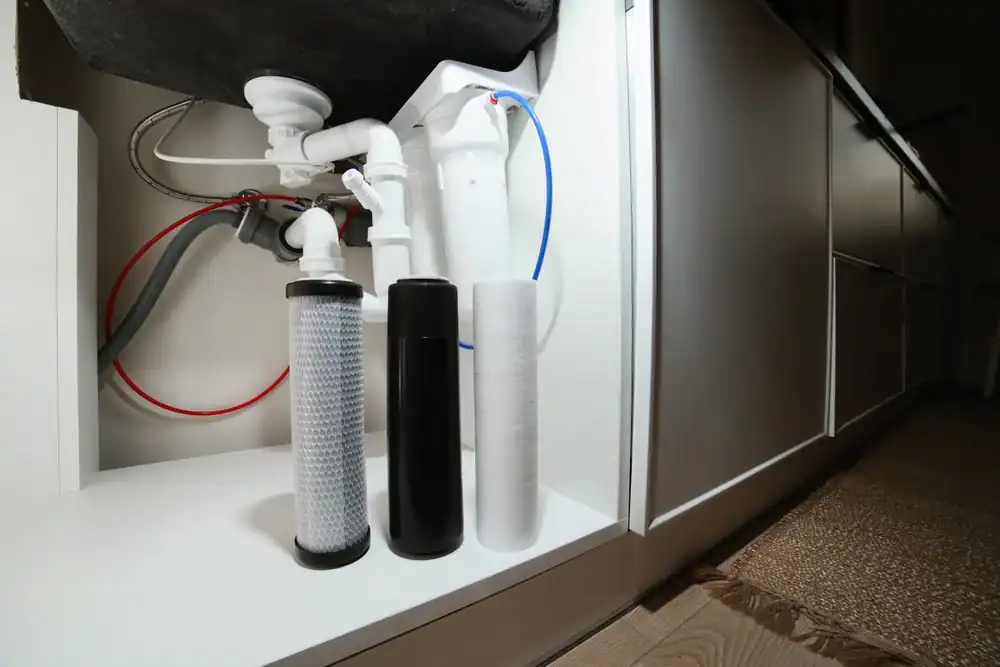
No more orange rings around your toilet that won’t scrub off. No more rotten egg smell when you turn on the shower. No more wondering if the water your family drinks is actually safe.
When your well water filtration system is designed for your specific water problems, your appliances last longer. Your water heater doesn’t fill with sediment. Your washing machine doesn’t break down from mineral buildup.
You stop buying bottled water. You stop worrying every time someone visits and comments on the smell. And you stop second-guessing whether your water is putting your family’s health at risk.
That’s what proper well water treatment does. It removes what’s actually in your water based on what a lab test shows, not what some sales pitch assumes.
We serve homeowners throughout Winter Park and Central Florida who need reliable well water solutions. We’re A+ rated with the Better Business Bureau with a 5-star rating and zero complaints.
We’re members of the National Water Quality Association, and we’re locally owned. That means when you call, you’re talking to someone who understands Florida’s water problems because we’ve been solving them for years.
We don’t do plumbing. We don’t install water heaters. We focus entirely on water treatment because that’s what we’re good at. Winter Park homeowners deal with sulfur, iron, and bacteria in their well water because of Florida’s limestone geology. We know how to handle it.
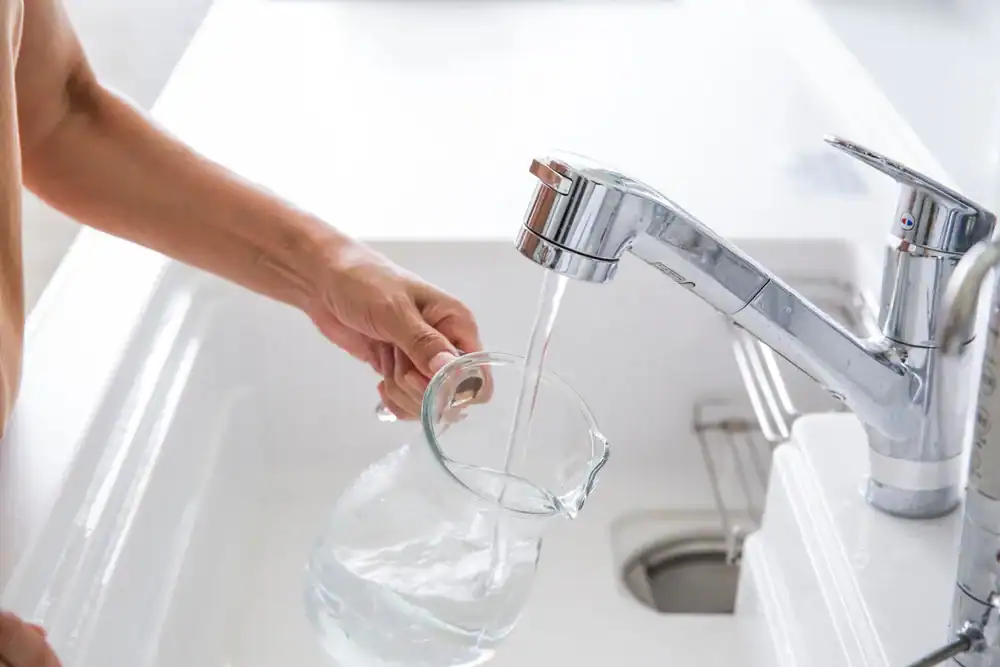
First, we test your water. Not a basic strip test, but a real lab analysis that tells us exactly what’s in your well water. Iron, sulfur, bacteria, pH levels, hardness, nitrates—everything that matters.
Once we know what you’re dealing with, we recommend a system that actually handles those specific problems. If you’ve got hydrogen sulfide causing that rotten egg smell, we might use air injection oxidation or hydrogen peroxide injection to eliminate it. If iron is staining everything orange, we’ll set up an iron removal system that keeps it out of your water before it reaches your fixtures.
Installation is straightforward. Our factory-trained installers set up the system, test it, and walk you through how it works. Most whole-house systems are up and running in a day.
After that, your water runs through the filtration system every time you turn on a tap. You’re not thinking about it. You’re not doing anything special. It just works.
Ready to get started?
A whole-house well water filtration system treats every drop of water that enters your home. That means every faucet, every shower, every appliance gets filtered water.
In Winter Park, most well water needs both softening and filtration. Florida’s geology means you’re likely dealing with hard water plus iron, sulfur, or bacteria. Sometimes all three. Your system gets designed around your specific water test results, not a generic setup.
You’ll get a system that handles sediment, removes iron that causes orange stains, eliminates hydrogen sulfide that creates sulfur smell, and disinfects bacteria if your test shows contamination. The Florida Department of Health recommends testing private wells for bacteria and nitrates at least once a year, and for good reason. More than one in five wells tested in studies contained contaminants above safe levels.
Your filtration system comes with professional installation, a lifetime media warranty, and local service support. We’re not a national company that sells you equipment and disappears. When you need service, you’re calling someone who’s actually here in Central Florida.

That smell is hydrogen sulfide gas, and it’s extremely common in Florida well water. It happens when sulfur-reducing bacteria break down organic matter in your well or when sulfur from Florida’s limestone geology dissolves into your groundwater.
The smell is unmistakable and embarrassing, especially when you have guests over. But it’s not just unpleasant. High levels of hydrogen sulfide can corrode pipes and damage appliances over time.
The fix is hydrogen sulfide treatment using either air injection oxidation or hydrogen peroxide injection. Both methods eliminate the gas before water enters your home. Air injection oxidation pulls oxygen into the water to convert hydrogen sulfide into solid sulfur particles that get filtered out. Hydrogen peroxide injection does the same thing chemically. Which one works best depends on your water test results and pH levels.
Orange stains happen when iron in your well water oxidizes and leaves rust deposits on everything it touches. Toilets, sinks, tubs, laundry—it all gets stained if you’ve got iron in your water.
An iron removal system stops this before it starts. The most effective approach for Florida well water is oxidation followed by filtration. The system forces oxygen into your water, which converts dissolved iron into solid particles. Those particles then get trapped in a filter media before the water reaches your plumbing.
Some systems use air injection oxidation, which is chemical-free. Others use a small amount of chlorine or hydrogen peroxide to speed up oxidation. What matters is that the system is sized correctly for your iron levels and your household water usage. If it’s undersized, you’ll still see staining during high-demand times like morning showers.
Yes, you should test for it. The EPA doesn’t regulate private wells like they do public water systems, so water quality is entirely your responsibility as a homeowner.
Bacteria can enter well water through surface contamination, failing well seals, or nearby septic systems. Florida’s warm groundwater creates ideal conditions for microorganisms to thrive. Testing is simple and inexpensive, and the Florida Department of Health recommends doing it at least once a year.
If your test comes back positive for coliform bacteria or E. coli, you need well water bacteria disinfection. The most reliable method is a continuous chlorination system or UV disinfection. Chlorination injects a small amount of chlorine into your water line, holds it long enough to kill bacteria, then filters out the chlorine before water reaches your taps. UV systems use ultraviolet light to destroy bacteria without chemicals. Both work, but chlorination handles higher contamination levels and provides residual protection throughout your plumbing.
Whole-house well water filtration systems in the Winter Park area typically range from around $3,000 to $10,000 depending on what your water test shows and what size system your home needs.
A basic sediment and carbon filter setup costs less. A comprehensive system that handles iron removal, hydrogen sulfide treatment, bacteria disinfection, and water softening costs more. If you’ve got multiple issues—which most Florida well water does—you’re looking at a combined system with multiple treatment stages.
The cost includes professional installation, equipment, and typically a warranty on the media. Cheaper systems exist, but they’re usually undersized, use lower-quality components, or don’t actually address the specific contaminants in your water. You’ll end up replacing them or dealing with ongoing problems. We’re not the cheapest option, and that’s intentional. You’re paying for a system that’s properly sized, professionally installed, and actually works long-term.
Most whole-house well water filtration systems need minimal maintenance if they’re set up correctly. You’re typically looking at a service visit once or twice a year depending on your system type and water usage.
Iron removal systems and water softeners need periodic media replacement or regeneration. If you’ve got a chlorination system for bacteria disinfection, you’ll need to refill the chlorine solution every few months. UV systems need annual bulb replacement. Sediment filters need changing every few months to a year depending on how much sediment is in your well water.
The key is catching small issues before they become big problems. If your system starts showing signs of reduced flow, water quality changes, or unusual noises, that’s when you call for service. Most problems happen because homeowners ignore maintenance or don’t notice gradual performance drops. We provide local service support, which matters because you’re not waiting weeks for a national company to send someone out.
Please provide your email address so that we can stay in touch and answer any questions you have! We will be reaching back out shortly.
"*" indicates required fields