Reach Out Today
Please provide your email address so that we can stay in touch and answer any questions you have! We will be reaching back out shortly.

Hear from Our Customers
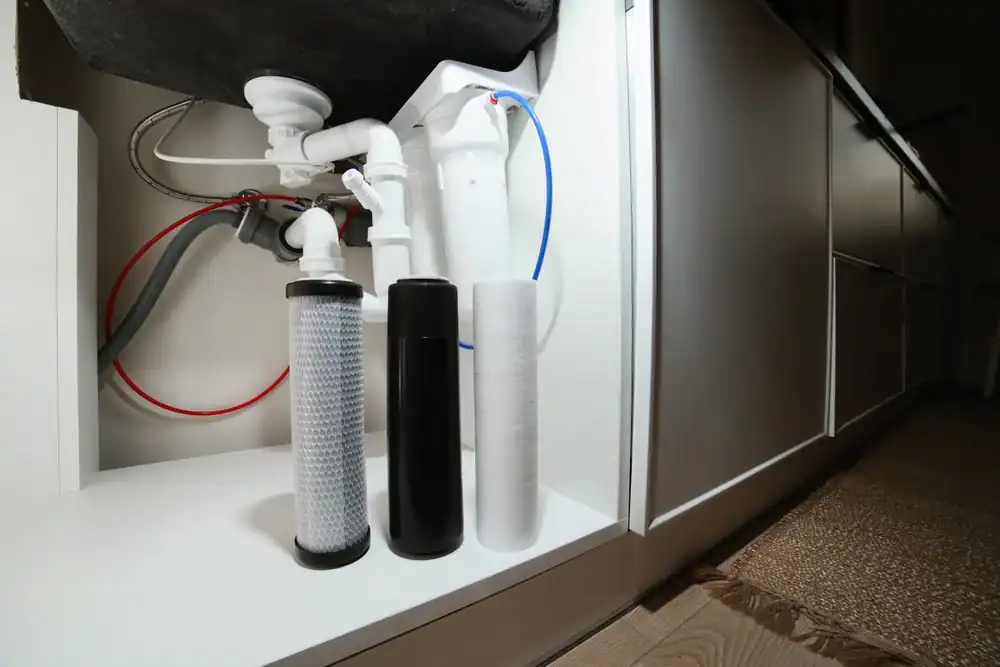
No more rust stains on your sinks, tubs, or laundry. No sulfur smell when you turn on the tap. No metallic taste in your drinking water.
Your appliances last longer because they’re not constantly battling mineral buildup. Your water heater runs cleaner. Your clothes come out of the wash actually clean, not tinged orange.
You stop second-guessing whether the water is safe for your kids to drink. You stop buying bottled water by the case. You stop explaining to guests why the water smells like rotten eggs.
That’s what happens when your well water filtration system actually works. Not just a filter under the sink—a whole-house solution that treats the water before it touches anything in your home.
We hold an A+ Better Business Bureau rating with zero complaints. We’re members of the National Water Quality Association, which means we follow industry standards that most companies skip.
We specialize in whole-house water purification for Florida homeowners dealing with well water issues. That’s it. We don’t do plumbing. We don’t install water heaters. We focus on one thing—making sure your water is clean throughout your entire home.
Windy Hill sits in an area where well water commonly carries high iron content, hydrogen sulfide, and bacteria. We’ve worked with enough homes in this area to know what you’re dealing with before we even test your water. And we know which systems hold up in Florida’s climate and which ones don’t.
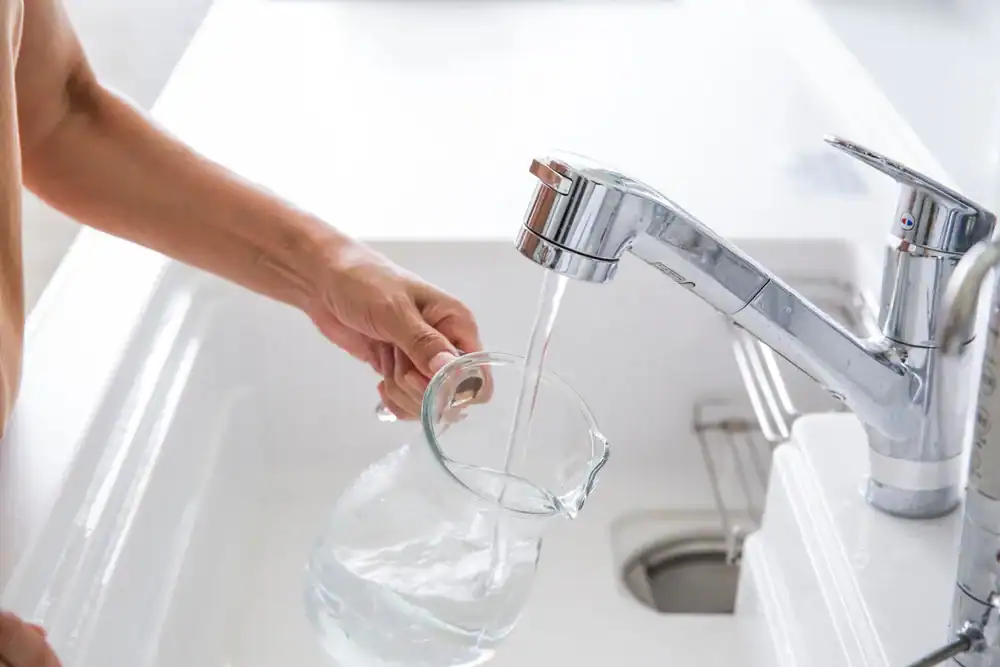
First, we test your water. Not a basic hardness test—a real analysis that tells us what contaminants are present and at what levels. Iron, sulfur, bacteria, pH, hardness. That determines which system you actually need.
If you’ve got iron, we typically recommend an air injection oxidation system or hydrogen peroxide injection, depending on your iron levels and whether sulfur is also present. Both methods oxidize the iron so it can be filtered out before it reaches your faucets. For hydrogen sulfide treatment, we often pair oxidation with activated carbon filtration to eliminate that rotten egg smell completely.
If bacteria shows up in your test, we add UV purification or a disinfection system to the setup. Bacteria in well water isn’t always E. coli, but it’s still something you don’t want your family drinking.
Once we know what you need, we install the system at the point where water enters your home. That means every faucet, every shower, every appliance gets treated water. Installation usually takes a day, depending on your setup. We walk you through how the system works, what maintenance looks like, and when to call us.
Ready to get started?
You’re getting a system designed for your specific water issues, not a one-size-fits-all box from a big-box store. If your water has iron, you’re getting iron removal systems that use either air injection oxidation or hydrogen peroxide injection—both proven methods that work long-term in Florida well water.
If sulfur is the problem, hydrogen sulfide treatment handles that. If bacteria is present, we add the disinfection component. If it’s all three, we build a system that addresses everything in the right sequence.
Windy Hill’s well water tends to run high in iron and sulfur, which is common across this part of Florida. The geology here means your water is pulling minerals as it moves through limestone and clay. That’s why so many homes in the area deal with staining and odor issues. A basic softener won’t fix it. You need oxidation, filtration, and sometimes disinfection.
We also include a water quality test as part of the process, maintenance guidance, and access to our service team if something needs adjustment. We’re local, so if you call, we actually show up. That’s not something you get with the national companies that sell systems but don’t service them.

A water softener removes hardness—calcium and magnesium—which causes scale buildup. It doesn’t remove iron, sulfur, or bacteria. If your water smells, stains, or has contaminants, a softener won’t solve that.
A well water filtration system is built to remove specific contaminants like iron, hydrogen sulfide, and bacteria. Depending on what’s in your water, that might mean oxidation, carbon filtration, or UV disinfection. Some systems combine softening with filtration, but they’re not the same thing.
If you’ve got well water in Windy Hill, chances are you need more than just a softener. Most homes here deal with iron and sulfur, which require treatment before softening even makes sense.
You can’t tell by smell alone. Sulfur smells like rotten eggs, and that’s caused by hydrogen sulfide gas—not bacteria. But bacteria can be present without any smell at all.
The only way to know is to test your water. A lab test will show whether coliform bacteria, E. coli, or other harmful bacteria are present. If your water smells but tests negative for bacteria, it’s likely just sulfur. If bacteria shows up, you’ll need a disinfection system like UV or chemical injection.
We include water testing as part of our process because guessing doesn’t work. You need to know what’s actually in your water before you can treat it properly.
Yes, but it won’t remove stains that are already there—it stops new ones from forming. Once you install an iron removal system, the water coming into your home won’t carry dissolved iron anymore. That means no more orange buildup on fixtures, no more rust stains on laundry.
The existing stains you’ll need to clean with something like Iron Out or a similar cleaner. After that, they won’t come back as long as your system is working properly.
Most homes in Windy Hill deal with iron staining because the well water here naturally contains high levels of dissolved iron. Air injection oxidation or hydrogen peroxide injection systems handle that by converting the iron into a particle that gets filtered out before it reaches your taps.
It depends on the type of system and your water quality. Most whole-house filtration systems need a filter change or media replacement once a year. Some systems have backwashing components that clean themselves automatically, so maintenance is minimal.
If your system includes UV disinfection, the bulb needs replacing annually. If you have a carbon filter for sulfur, that media typically lasts 3-5 years depending on your water usage and sulfur levels.
We provide maintenance schedules specific to your system when we install it. And because we’re local to the Windy Hill area, you can call us when it’s time for service instead of trying to figure it out yourself or waiting weeks for a national company to show up.
You can technically install one yourself if you’re experienced with plumbing and understand water treatment. But most people shouldn’t. Here’s why: if you don’t size the system correctly, it won’t keep up with your household’s water demand. If you don’t install it in the right sequence, it won’t treat the water properly.
Whole-house systems also need to be set up with the right backwash cycles, pressure settings, and bypass valves. If any of that’s wrong, you’ll either have low water pressure, untreated water, or a system that fails early.
Professional installation also means you get a water test first, so you’re not guessing what’s in your water. And if something goes wrong, you’ve got someone to call who knows how the system was installed. DIY might save money upfront, but it usually costs more in the long run when something doesn’t work right.
Please provide your email address so that we can stay in touch and answer any questions you have! We will be reaching back out shortly.
"*" indicates required fields