Reach Out Today
Please provide your email address so that we can stay in touch and answer any questions you have! We will be reaching back out shortly.

Hear from Our Customers
You turn on the tap and there’s no sulfur smell hitting you in the face. No rotten egg odor when guests use your bathroom. No explaining why the water smells weird.
Your toilets and sinks stay white instead of collecting orange and red iron stains. Your washing machine isn’t fighting a losing battle against discolored water. Your dishes come out clean, not spotted.
The water you’re drinking and cooking with is actually safe. You’re not wondering what’s in it or whether that slime building up in your pipes is creating conditions for harmful bacteria. You’ve tested it, treated it, and you know what you’re dealing with.
That’s what proper well water filtration does. It removes the iron, neutralizes the hydrogen sulfide causing that sulfur smell, and disinfects against bacteria. You get water that’s clean, clear, and safe for your family.
Quality Safe Water of Florida LLC focuses exclusively on water purification, softening, and filtration. We don’t do plumbing. We don’t install water heaters. We specialize in fixing water quality problems, particularly for well owners in Central Florida.
We’re A-rated with the Better Business Bureau with a 5-star rating and zero complaints. We’re members of the National Water Quality Association. And we back up our work with real expertise in the specific water quality challenges you face in Whites Ford, FL.
Florida’s limestone aquifers and warm climate create perfect conditions for iron bacteria, sulfur compounds, and water quality issues that change over time. We’ve seen it all, and we know which systems actually work for the conditions here.
First, we test your water. Not a basic test—a comprehensive analysis that tells us exactly what contaminants we’re dealing with and at what levels. Iron, sulfur, bacteria, manganese, pH levels. We need to know what’s actually in your water before we can fix it.
Then we recommend a system based on your specific results. If you’ve got 6 PPM of iron and hydrogen sulfide, you need a different setup than someone dealing with iron bacteria. We size the system correctly for your household water usage and install it at the point of entry so your entire house gets filtered water.
The installation includes proper placement, system setup, and testing to make sure it’s removing what it should. We walk you through basic maintenance—most modern systems are low-maintenance, but you should know what to watch for. Then we’re available for ongoing support, annual testing, and any service needs down the road.
Ready to get started?
Air injection oxidation systems are our go-to for most well water issues in Whites Ford, FL. They’re chemical-free, low-maintenance, and handle multiple contaminants at once. The system injects air into your water, which oxidizes iron and hydrogen sulfide so they can be filtered out. These systems can remove up to 7 PPM of iron and 8 PPM of hydrogen sulfide without adding chemicals to your water.
For bacterial issues, we use hydrogen peroxide injection or UV disinfection depending on what your water test shows. Hydrogen peroxide is effective against iron bacteria and doesn’t leave chemical residue. UV systems kill bacteria and viruses as water passes through without changing taste or adding anything to your water.
Some situations need a combination approach. Heavy iron bacteria contamination might require shock treatment followed by a maintenance system. High iron with hard water needs both filtration and softening. We’re not selling you a one-size-fits-all solution—we’re installing what your specific water test says you need.
The systems we install are NSF/ANSI certified, which means they’ve been independently tested and verified to remove what they claim to remove. You’re not guessing whether it works. You’re getting equipment that meets actual performance standards.

That rotten egg smell is hydrogen sulfide gas, and it’s extremely common in Central Florida well water. It happens when sulfur-reducing bacteria break down organic material in your aquifer or when groundwater passes through sulfur-containing rock formations. Florida sits on limestone aquifers that naturally contain sulfur compounds.
The smell is rarely a health hazard, but it makes your water unpleasant to drink and embarrassing when you have guests. It can also corrode pipes over time, especially at joints and connections.
The good news is hydrogen sulfide is one of the easier contaminants to treat. Air injection oxidation systems convert the gas into particles that can be filtered out. The process is chemical-free and handles up to 8 PPM of hydrogen sulfide, which covers most residential well water issues. You get rid of the smell without adding chlorine or other chemicals that change your water’s taste.
Those orange and red stains are oxidized iron. Your well water contains dissolved iron that’s clear when it first comes out of the tap. When that iron is exposed to air or sits in your toilet bowl, it oxidizes and turns into rust-colored stains.
Iron is incredibly common in Florida well water because our aquifers naturally contain it. Even low levels—2 or 3 PPM—will cause visible staining. Higher levels create thick orange buildup and can clog pipes and damage appliances.
Iron removal systems use oxidation and filtration to remove it before it reaches your fixtures. The system oxidizes the iron while it’s still in your pipes, then filters out the particles. Modern air injection systems can handle up to 7 PPM of iron, which eliminates staining and protects your plumbing. The longer you wait to address it, the more damage accumulates. Replacing a stained toilet or a corroded water heater costs more than installing proper filtration.
You can’t tell by looking, smelling, or tasting it. Most harmful bacteria in water are completely undetectable without laboratory testing. That’s why professional water testing is essential for well owners.
Iron bacteria creates visible slime and buildup in pipes, but it’s not harmful to ingest. The problem is that slimy environment creates perfect conditions for more dangerous bacteria to flourish. Coliform bacteria and E. coli can enter your well through surface water contamination, failed well casings, or changes in groundwater conditions.
The EPA oversees public water supplies, but your private well water quality is entirely your responsibility. There’s no regulatory requirement for testing. We recommend comprehensive testing at least once per year, and immediately if you notice changes in taste, odor, or appearance. A proper test checks for coliform bacteria, E. coli, iron bacteria, and other contaminants specific to Florida groundwater. If bacteria is present, we install UV disinfection or hydrogen peroxide injection systems that kill it before it reaches your tap.
Water softeners remove hardness minerals—calcium and magnesium—that cause scale buildup and make soap less effective. They work through ion exchange, swapping hard minerals for sodium. Softeners don’t remove iron, sulfur, bacteria, or most other contaminants.
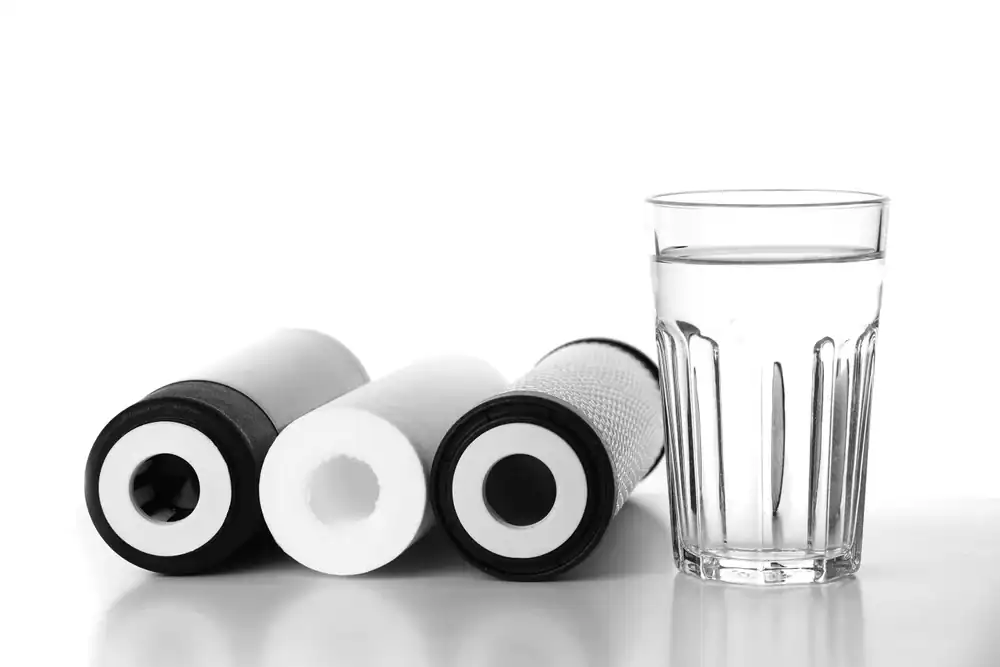
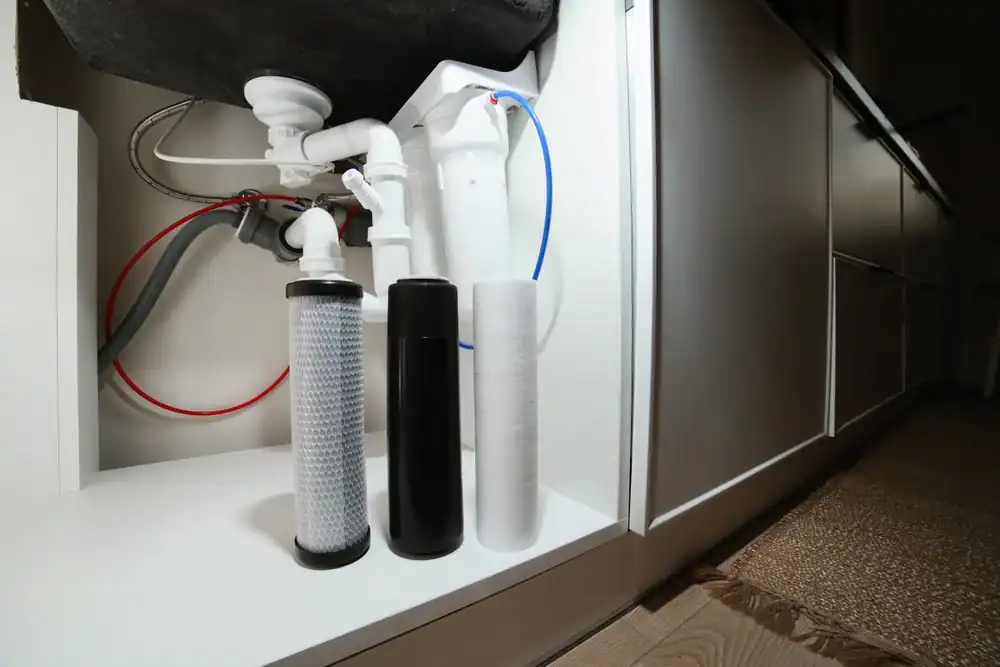
Well water filtration systems remove specific contaminants like iron, hydrogen sulfide, manganese, and bacteria. They use oxidation, filtration, UV light, or chemical injection depending on what’s in your water. Filtration systems don’t address hardness.
Many Whites Ford, FL well owners need both. Your water test might show high iron and high hardness. In that case, you need a filtration system to remove the iron first, then a softener to address hardness. Running hard water with iron through a softener without pre-filtration will clog the softener with iron buildup and reduce its effectiveness.
We test your water first and recommend what you actually need. Some people only need filtration. Some only need softening. Many need both installed in the correct sequence.
Modern air injection oxidation systems are low-maintenance compared to older chemical feed systems. There’s no chlorine or other chemicals to refill. No risk of chemical leaks or overfeeding. The system uses air to oxidize contaminants, so your main maintenance is periodic backwashing and checking the air pocket.
Most systems backwash automatically based on water usage or a timer. You’re not doing anything manually. The filter media typically lasts 5-7 years before it needs replacement. We recommend annual water testing to make sure the system is still removing contaminants effectively, since groundwater conditions can change.
If you have a UV disinfection system, the bulb needs replacement every 12 months. It’s a simple swap that takes a few minutes. Hydrogen peroxide injection systems need peroxide refills every few months depending on your water usage, similar to refilling a salt tank on a softener.
The biggest maintenance mistake is ignoring your system and assuming it’s working. Annual testing catches problems early. We’re available for service calls, media replacement, and any issues that come up. But day-to-day, these systems run on their own.
Please provide your email address so that we can stay in touch and answer any questions you have! We will be reaching back out shortly.
"*" indicates required fields