Reach Out Today
Please provide your email address so that we can stay in touch and answer any questions you have! We will be reaching back out shortly.

Hear from Our Customers
No more orange rings in your toilets that won’t scrub out. No more embarrassment when guests smell that hydrogen sulfide odor the second they walk in. No more ruined white laundry or that metallic taste in your coffee.
When your well water is properly treated, your appliances last longer. Your water heater doesn’t fill with sediment and fail years early. Your dishwasher and washing machine don’t work overtime fighting mineral buildup.
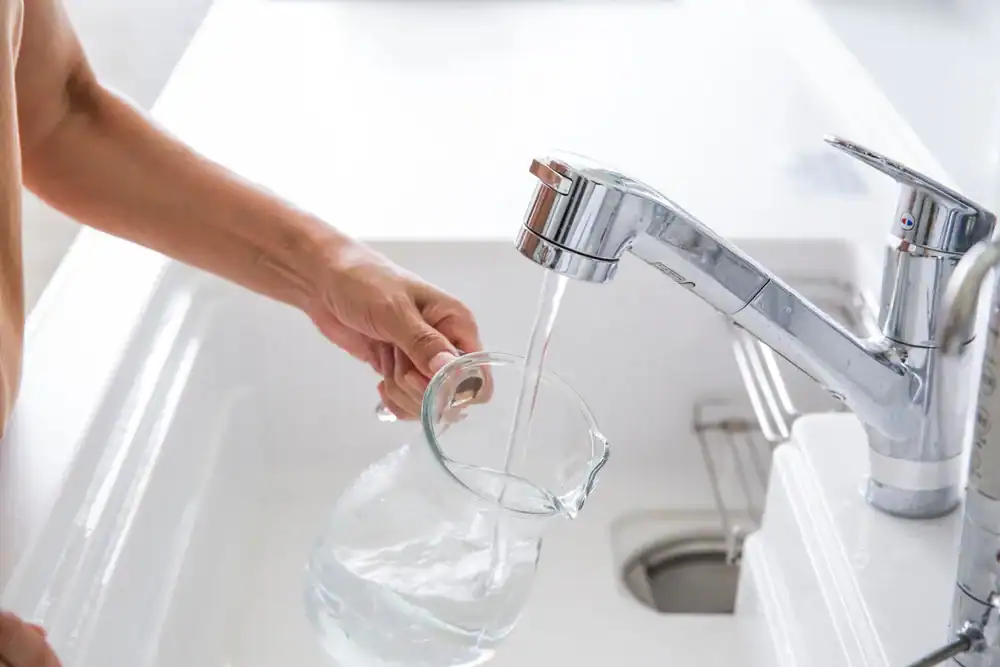
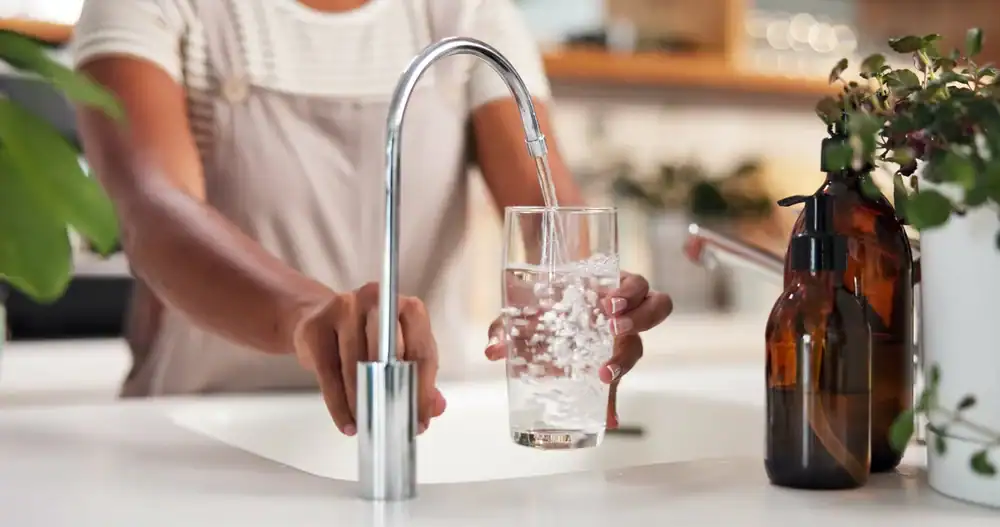
You stop buying bottled water. You stop second-guessing whether it’s safe for your kids to drink from the tap. You just turn on the faucet and use it, the way water should work.
That’s what happens when iron removal systems and hydrogen sulfide treatment are designed specifically for your water chemistry, not some cookie-cutter setup that might work for someone else’s well.
We’ve been treating well water in North and Central Florida for more than five decades. We’re members of the National Water Quality Association and A-rated by the Better Business Bureau with a 5-star rating and zero complaints.
We only do water treatment. Not plumbing, not water heaters, just filtration and purification systems. That focus matters because we service every major brand and stand behind what we install.
Twentymile sits in an area where Florida’s limestone geology creates the perfect conditions for hard water, iron, and sulfur problems. We’ve treated hundreds of wells in this region and know exactly what contaminants show up in local groundwater. Every system we design starts with laboratory-grade water testing, not a sales pitch disguised as a free test.
First, we test your water. Not a basic hardness test, but a full analysis that identifies iron levels, sulfur content, bacteria, pH, and any other contaminants affecting your system. You can’t treat what you haven’t measured.
Once we know what’s in your water, we design a system that targets those specific problems. If you have hydrogen sulfide causing that rotten egg smell, we might use hydrogen peroxide injection or air injection oxidation depending on concentration levels. For iron staining, we oxidize the iron and filter it out before it reaches your fixtures. Bacterial iron gets handled with disinfection systems that eliminate the source.
Installation happens at your point of entry, so every faucet, shower, and appliance gets treated water. We size the system based on your household’s water usage and flow rate requirements. After installation, we walk you through maintenance schedules and provide ongoing service.
The whole process takes a few hours for most residential systems. You’ll notice the difference immediately when that smell disappears and your water runs clear.
Ready to get started?
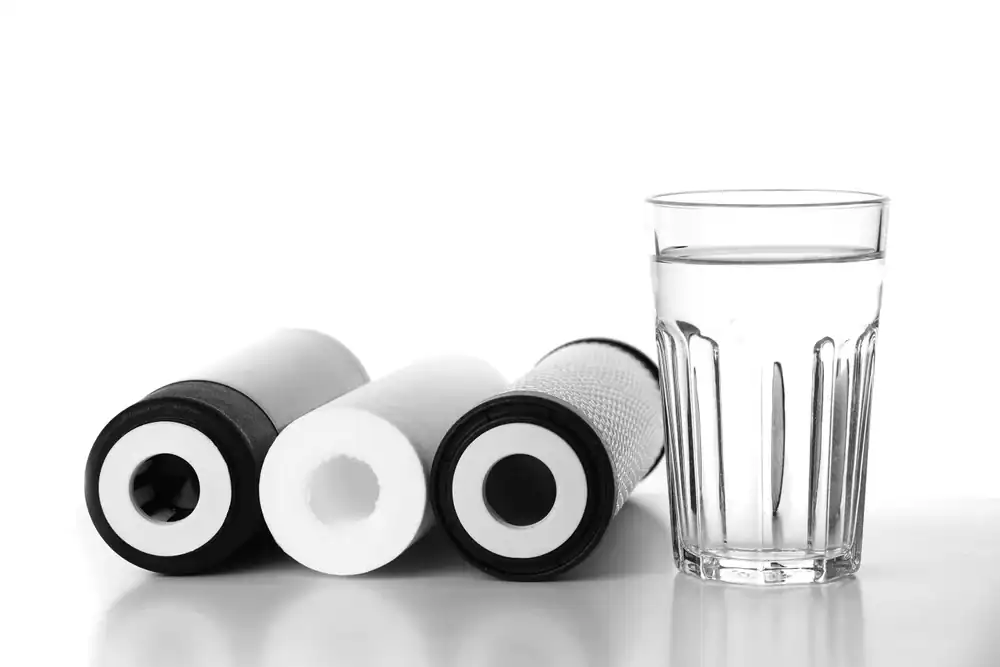
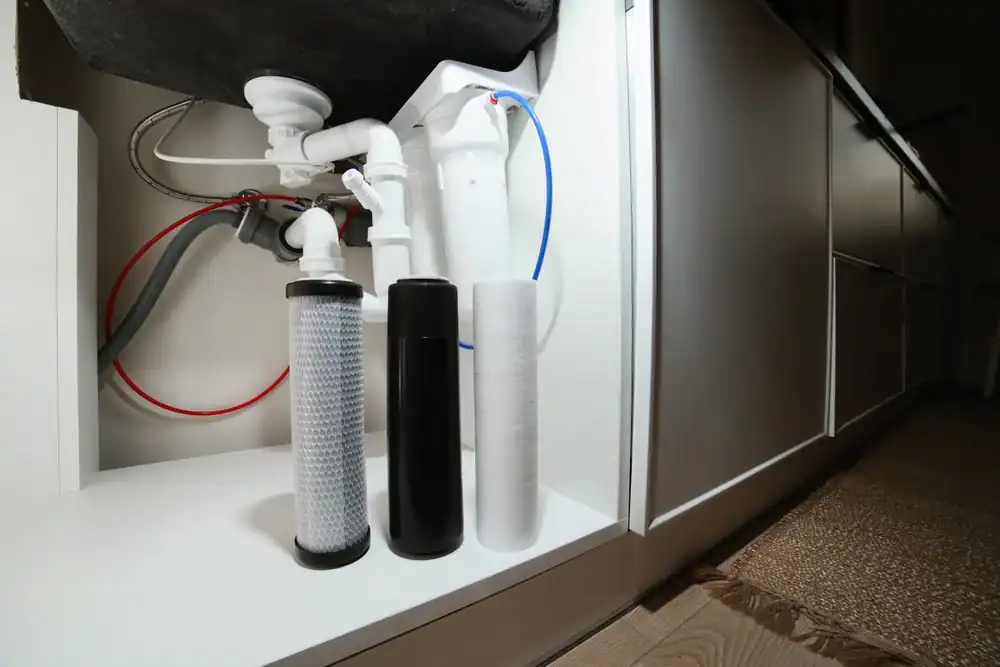
Every whole house water filtration system we install is custom-designed for your specific water chemistry. That means the right size tanks, the right media, and the right treatment method for what’s actually in your well.
For homes in Twentymile dealing with Florida’s common iron and sulfur issues, systems typically include oxidation equipment, filtration tanks, and backwash controllers. If bacteria is present, we add disinfection components. Hard water gets addressed with softening systems that prevent scale buildup in your pipes and appliances.
You’re not buying equipment off a shelf. You’re getting a system engineered for your water test results, your household size, and your daily water usage. We handle permitting if required, professional installation by trained technicians, and startup testing to verify everything works correctly.
We also service what we sell, which apparently isn’t standard practice with some of the national companies operating in Florida. When you need filter media replaced or have questions about your system, we’re the ones who show up.

If you smell rotten eggs when you run the tap, that’s hydrogen sulfide and it needs treatment. If you see orange or brown staining in your toilets, sinks, or laundry, that’s iron oxidation. If your water tastes metallic or leaves white scale on fixtures, you’re dealing with hardness.
Those are the obvious signs. The less obvious ones matter more for your health: bacteria, nitrates, and chemical contaminants don’t always have taste or odor. The Florida Department of Health recommends annual testing for bacteria and nitrates at minimum, plus testing whenever you notice changes in taste, odor, or appearance.
Most wells in this area have at least one of these issues because of our geology. The limestone aquifers that supply groundwater are naturally high in minerals, and the warm temperatures let bacteria thrive. Testing is the only way to know for certain what you’re dealing with.
Both methods oxidize contaminants like iron and hydrogen sulfide so they can be filtered out, but they work differently. Hydrogen peroxide injection adds a small amount of peroxide to your water, which immediately reacts with hydrogen sulfide and converts it to elemental sulfur. That sulfur gets caught in the filter media. It’s extremely effective for higher concentrations of sulfur and works fast.
Air injection oxidation uses compressed air instead of chemicals. An AIO system injects oxygen into your water, which oxidizes iron and sulfur naturally. The oxidized particles then get filtered out during the backwash cycle. It’s a good option for moderate contamination levels and doesn’t require you to refill chemical tanks.
Which one you need depends on your water test results. High hydrogen sulfide levels usually require hydrogen peroxide for complete treatment. Lower levels can often be handled with air injection. We recommend the method that actually solves your problem, not the one with the highest profit margin.
Whole house systems typically range from $2,500 to $8,000 depending on what needs to be treated and how much water your household uses. A basic iron removal system for a small home costs less than a comprehensive treatment system handling iron, sulfur, bacteria, and hardness for a larger property.
That might sound expensive until you consider what you’re protecting. Replacing a water heater that failed early from sediment buildup costs $1,200 to $2,000. A new washing machine runs $800 to $1,500. Dishwashers, faucets, and fixtures all wear out faster with untreated water. The filtration system pays for itself by extending the life of everything that uses water.
We offer a $500 discount for military families and first responders. Financing options are available if you’d rather spread the cost out. The important thing is getting your water tested first so you know exactly what you need, not oversizing a system or adding unnecessary components.
Yes, but you need the right type of system. Standard sediment filters and water softeners don’t kill bacteria. You need disinfection equipment specifically designed for bacterial treatment.
Our Iron Clear systems remove and filter bacterial iron while also killing other bacteria like E.coli. For wells with confirmed bacterial contamination, we typically recommend UV disinfection or chlorination systems in addition to filtration. UV light destroys bacteria, viruses, and other microorganisms as water passes through the chamber. Chlorination injects a controlled amount of chlorine, which disinfects the water before it reaches your fixtures.
Bacterial contamination is serious. It causes gastrointestinal illness and can be particularly dangerous for young children, elderly family members, or anyone with a compromised immune system. If your water test shows bacteria, don’t wait to treat it. The Florida Department of Health considers it a priority contaminant for good reason.
Most systems need attention every 6 to 12 months depending on your water quality and usage. That usually means replacing filter media, checking injection systems, and testing to make sure everything still performs correctly.
If you have a hydrogen peroxide injection system, you’ll need to refill the peroxide tank periodically based on how much water you use. Air injection systems need the air compressor checked and the filter media eventually replaced. Water softeners require salt refills and occasional resin cleaning.
We provide maintenance service for all the systems we install and can service other brands too. Some homeowners prefer to handle basic tasks like salt refills themselves and call us for the technical work. Either way, skipping maintenance shortens your system’s lifespan and lets problems develop that cost more to fix later. An annual service visit catches small issues before they become expensive ones.
Please provide your email address so that we can stay in touch and answer any questions you have! We will be reaching back out shortly.
"*" indicates required fields