Reach Out Today
Please provide your email address so that we can stay in touch and answer any questions you have! We will be reaching back out shortly.

Hear from Our Customers
You stop buying bottled water for coffee. Your whites stay white. Guests don’t ask about the smell when they walk in.
That’s what happens when your well water gets treated correctly. Not just filtered—treated for what’s actually in it. Iron, sulfur, bacteria, manganese. The stuff that makes Florida well water a problem in the first place.
Most systems you’ll find are built for wells in other states. Different geology, different contamination. Tangerine sits on limestone aquifers that pull in hydrogen sulfide and iron naturally. Your neighbor three houses down might have completely different water than you. That’s why testing comes first, and why the system gets built around what’s in your water—not what some national company assumes is there.
You’ll know your water’s clean because you can taste it, smell it, and see it. Your appliances last longer. Your water heater stops failing every few years. You’re not scrubbing orange stains off everything.
Quality Safe Water of Florida is based in Florida, and everything we install is built here. We’re not a national franchise that services 40 states with the same cookie-cutter setup.
We’re A-rated with the Better Business Bureau, five stars, zero complaints. We’re members of the National Water Quality Association. We’ve worked with enough Tangerine wells to know that what works in Apopka might not work here, and what worked for your neighbor might not work for you.
We test your water first. Then we design a system around it. Iron removal, hydrogen sulfide treatment, bacteria disinfection—whatever your well needs. And when something needs service, we’re the ones who show up.
We start with a free water analysis at your home. Not a basic hardness test—a real breakdown of what’s in your well. Iron, sulfur, bacteria, nitrates, pH, manganese. Everything that affects how your water behaves and what it takes to treat it.
Once we know what we’re dealing with, we design a system. If you’ve got hydrogen sulfide, we might use a hydrogen peroxide injection system or air injection oxidation. If iron bacteria is the issue, we’ll disinfect and install something that keeps it from coming back. If it’s straightforward iron and manganese, we size a removal system that handles your household’s flow rate.
Installation happens in a day for most homes. We connect everything to your main line so every tap in your house gets treated water. Then we test it again to make sure it’s working right. You’ll get a walkthrough of how the system operates and what to expect for maintenance.
After that, we’re available when you need us. No waiting on a national call center or getting transferred to a contractor three states away.
Ready to get started?
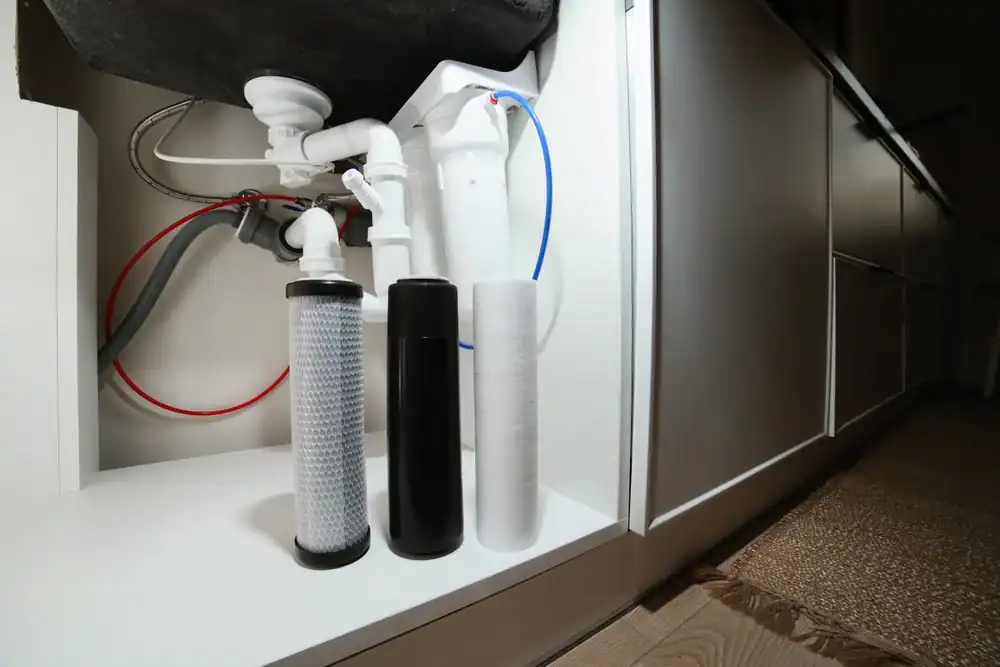
A whole-house well water filtration system treats everything before it reaches your faucets, showers, washing machine, and water heater. You’re not just filtering one tap—you’re protecting the entire house.
For Tangerine wells, that usually means addressing iron and sulfur first. Over half the wells in this area have detectable hydrogen sulfide. It’s not always dangerous, but it smells terrible and it corrodes plumbing. We use oxidation methods—hydrogen peroxide injection or air injection oxidation—to convert dissolved iron and sulfur into particles that get filtered out.
If bacteria show up in your test, that’s a bigger priority. Iron bacteria and sulfur bacteria can clog your system in months if they’re not disinfected properly. We treat the well, then install a system that prevents recontamination. Usually that involves UV disinfection or a peroxide feed that keeps bacteria from taking hold again.
You also get a system that’s sized for your home. Flow rate matters. If your filtration can’t keep up with two showers and a dishwasher running, it’s not doing its job. We calculate your peak demand and build around it so you’re never waiting for clean water.

If you smell sulfur, see rust stains, taste metal, or notice slime in your toilet tank, your water needs treatment. Those are the obvious signs.
But plenty of contamination doesn’t announce itself. Bacteria, nitrates, and low pH can all be present without any smell or taste. That’s why testing matters, even if your water seems fine. Florida wells aren’t regulated like public water systems, so you’re responsible for knowing what’s in yours.
We offer free water analysis. We test for iron, sulfur, bacteria, hardness, pH, manganese, and nitrates. That tells us what’s actually there and what kind of system will handle it. If you’ve lived in your home for a while and never tested your well, that’s the first step.
A softener removes hardness—calcium and magnesium. It stops scale buildup in your pipes and makes soap work better. That’s it.
A well water filtration system removes contaminants. Iron, sulfur, bacteria, sediment, manganese. Stuff that affects your health, your plumbing, and whether your water is safe to drink. Most well water in Tangerine needs both—softening and filtration—because you’re dealing with hardness and contamination at the same time.
If you only install a softener, you’re still drinking and bathing in whatever else is in your well. If you only install a filter, your pipes still scale up from hard water. We usually recommend a combination system that handles everything in sequence. Filtration first, then softening.
It depends entirely on what’s in your water and what it takes to treat it. A basic iron removal system costs less than a multi-stage setup that handles sulfur, bacteria, and hardness.
Most whole-house systems for Tangerine wells run between $3,000 and $8,000 installed. That includes equipment, installation, and startup testing. If your well has bacteria or needs disinfection, that adds to the cost. If you need a large-capacity system for a bigger home, same thing.
We don’t quote over the phone because we don’t know what your water looks like yet. We test it first, then give you an accurate price based on what your well actually needs. No surprises, no upselling you on stuff that doesn’t apply. We also offer a $500 discount for military and first responders.
Yes, if it’s designed to treat hydrogen sulfide. That rotten egg smell is sulfur gas dissolved in your water, and it’s extremely common in Tangerine wells.
The most effective treatment is oxidation. We use either hydrogen peroxide injection or air injection oxidation to convert the hydrogen sulfide into sulfur particles, then filter them out. Both methods work, but which one depends on your sulfur levels and whether you’ve got other contamination like iron bacteria.
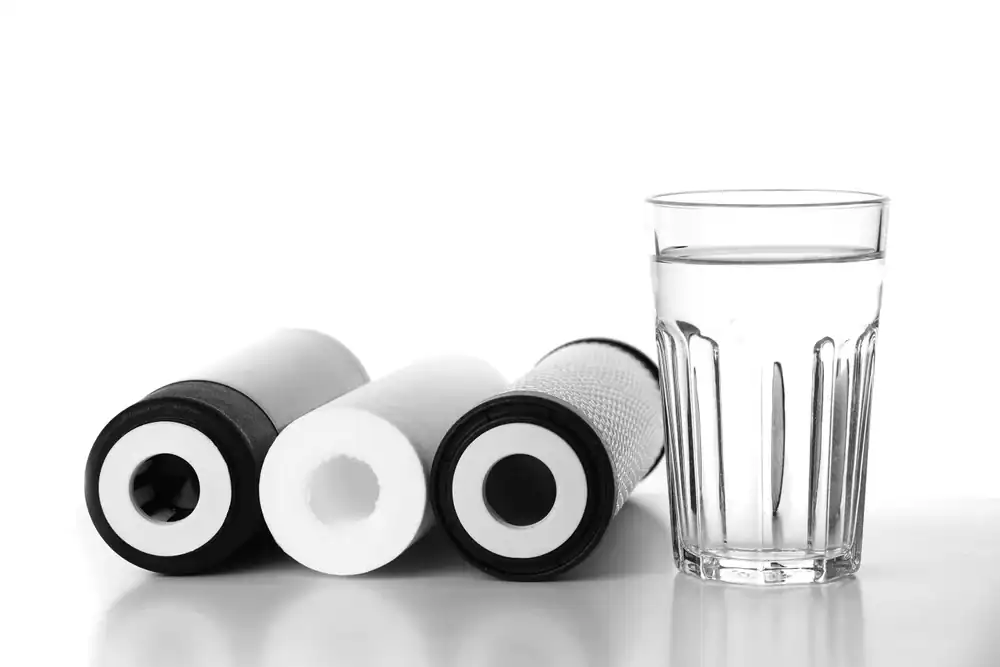
Some people try carbon filters or cartridge systems. Those might mask the smell temporarily, but they don’t remove the source. Sulfur will eventually overwhelm a carbon filter, and you’re back where you started. Oxidation actually eliminates it, and when the system’s maintained properly, the smell doesn’t come back.
Depends on the system, but most need attention once or twice a year. That usually means replacing filters, checking injectors, cleaning tanks, and testing the water to make sure everything’s still working right.
If you’ve got an iron removal system, the media inside eventually gets fouled and needs replacing—usually every few years. Hydrogen peroxide systems need peroxide refills, but that’s straightforward. UV disinfection systems need annual bulb replacements.
We recommend an annual service visit where we check everything, test your water, and catch small issues before they turn into expensive ones. A lot of national companies sell systems and disappear. You call for service and nobody shows up, or they send someone who doesn’t know the equipment. We’re local, we installed it, and we’re the ones who come back when you need us.
Please provide your email address so that we can stay in touch and answer any questions you have! We will be reaching back out shortly.
"*" indicates required fields