Reach Out Today
Please provide your email address so that we can stay in touch and answer any questions you have! We will be reaching back out shortly.

Hear from Our Customers
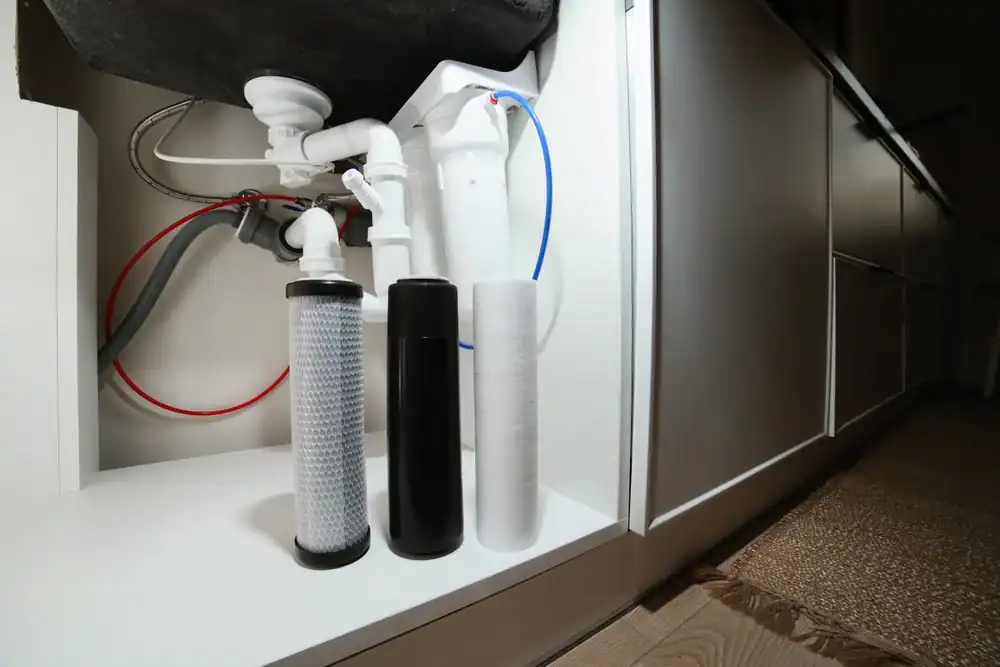
Your appliances last longer because hard minerals aren’t building up inside them. Water heaters, dishwashers, and washing machines can run 30% longer with proper filtration handling what’s coming through your pipes.
You use less soap and spend less time scrubbing. No more orange stains in the toilet or shower. No more rotten egg smell when someone turns on the faucet. Your laundry comes out cleaner, your skin doesn’t feel dry after a shower, and your dishes don’t have spots.
That’s what happens when iron removal systems and hydrogen sulfide treatment are installed correctly. Your water stops working against your home and starts doing what it should: staying clear, tasting clean, and not leaving a mess behind.
We have an A+ rating with the Better Business Bureau and five stars with zero complaints. We’re members of the National Water Quality Association because we follow industry standards, not shortcuts.
We’ve been handling well water issues in St. Augustine and St. Johns County for years. The Upper Floridan aquifer supplies most of the water around here, and it brings iron, sulfur, and hardness with it. We know what’s in your water before we test it, and we know how to treat it after.
You won’t get upsold on plumbing work or water heaters. We don’t do that. We install whole-house water filtration systems, iron removal systems, and bacteria disinfection setups. That’s it.
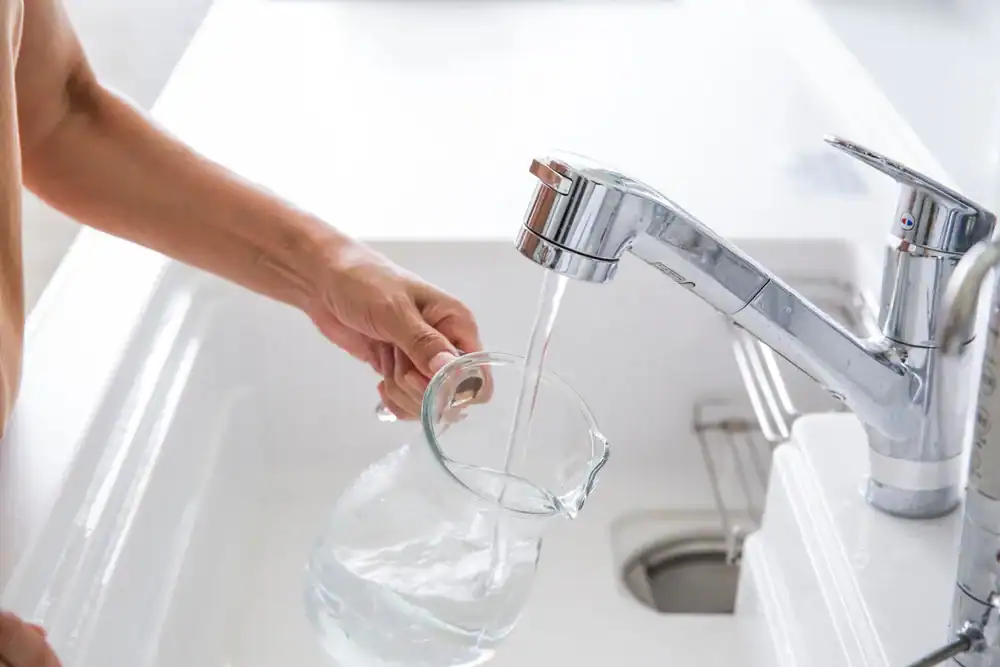
We start with a free water test at your home. Not a scare tactic session, just a real look at what’s in your water and what needs to be addressed. Iron, sulfur, bacteria, hardness, pH—we test for what matters in St. Augustine well water.
Once we know what’s there, we recommend a system that handles it. That might be air injection oxidation for iron and sulfur, hydrogen peroxide injection for bacteria, or a combination depending on your water quality. We explain what each piece does and why it’s part of the setup.
Installation happens fast, usually within a day or two of approval. We don’t drag it out. The system goes in, we test it, and you start getting clean water immediately. You’ll also get a 90-day money-back guarantee and a warranty that actually means something if anything goes wrong.
Ready to get started?
Most well water in St. Johns County has iron. You’ll see it as orange or brown staining in sinks, tubs, and toilets. Iron removal systems use air injection oxidation or hydrogen peroxide injection to pull that iron out before it reaches your faucets.
Hydrogen sulfide is the sulfur smell—rotten eggs. It’s common in deeper wells around St. Augustine. Sulfur treatment oxidizes the gas and filters it out so your water doesn’t smell like something died in your pipes.
Bacteria is the silent issue. You can’t see or smell it, but it’s there in untreated wells. Bacteria disinfection systems use UV light or chemical injection to kill it before it gets into your drinking water. With increasing concerns about contaminants and PFAS in water supplies, whole-house filtration gives you an extra layer of protection across every tap in your home.

If you see orange or brown stains in your sinks, toilets, or shower, that’s iron. If your water smells like rotten eggs, that’s hydrogen sulfide. If your skin feels dry or itchy after a shower, or your dishes have white spots, that’s hard water.
Those are the obvious signs. The less obvious ones are appliances breaking down early, low water pressure from mineral buildup, or laundry that looks dingy no matter how much detergent you use.
A free water test tells you exactly what’s in your water. We test for iron, sulfur, bacteria, hardness, pH, and other contaminants common in St. Augustine wells. Once you know what’s there, you know what needs to be treated.
A water softener removes hardness—calcium and magnesium—but it doesn’t remove iron or sulfur effectively. If your water has more than a small amount of iron, a softener will get fouled up and stop working right.
Iron removal systems use air injection oxidation or hydrogen peroxide injection to convert dissolved iron into particles, then filter those particles out. That’s a different process than softening, and it’s what actually handles the staining and buildup that iron causes.
Most homes in St. Augustine with well water need both: iron removal to handle the staining and odor, and softening to handle the hardness. The iron system goes first in line, then the softener. That’s how you get water that’s actually clean and doesn’t wreck your appliances.
Hydrogen peroxide injection adds a small, controlled amount of hydrogen peroxide into your water line. It oxidizes iron and sulfur, and it kills bacteria at the same time. It’s a disinfectant that breaks down into water and oxygen, so there’s no chemical residue left behind.
The system injects the peroxide, lets it mix and react in a retention tank, then filters out the oxidized particles. It’s effective for bacteria disinfection, iron removal, and sulfur treatment all in one setup.
It’s a good option if your well water has multiple issues. Instead of running separate systems for each problem, hydrogen peroxide handles all three. It’s also safer than chlorine injection because it doesn’t leave a taste or require as much maintenance.
Not if it’s sized and installed correctly. Pressure drop happens when the system is too small for your flow rate or when filters get clogged and aren’t maintained.
We size systems based on your home’s water usage and the flow rate your well pump provides. That means the filtration system can handle peak demand—multiple showers, dishwasher, washing machine—without slowing down.
Maintenance matters too. Filters need to be changed on schedule, and media tanks need to be serviced. If you let a system go without maintenance, yes, pressure will drop. But with normal upkeep, your pressure stays where it should be. Most customers don’t notice any difference after installation.
It depends on what’s in your water and how much water you use. Most systems need a filter change every six to twelve months. Media tanks—like the ones used in air injection oxidation or hydrogen peroxide systems—need media replacement every few years.
Bacteria disinfection systems using UV light need a bulb replacement once a year. Hydrogen peroxide injection systems need peroxide refills, usually every few months depending on usage.
We set up a maintenance schedule based on your specific system and water quality. St. Augustine well water tends to have higher iron and sulfur levels, so systems here work harder than they would in areas with cleaner water. Regular maintenance keeps everything running right and prevents bigger problems down the road.
Please provide your email address so that we can stay in touch and answer any questions you have! We will be reaching back out shortly.
"*" indicates required fields