Reach Out Today
Please provide your email address so that we can stay in touch and answer any questions you have! We will be reaching back out shortly.

Hear from Our Customers
The orange rings around your toilet stop showing up. Your white laundry stays white instead of picking up rust stains in the wash. That rotten egg smell when you turn on the shower—gone completely.
Your water heater lasts years longer because iron sediment isn’t building up inside the tank. The slimy orange residue in your toilet tank disappears. You stop scrubbing fixtures that stain again two days later.
This is what happens when your filtration system is designed around what’s actually in your water, not what a salesperson assumes is there. You get a free water analysis first. Then the system gets built to handle your specific contamination levels—iron concentration, sulfur presence, bacterial growth, hardness. Every home’s water is different, especially in St. Augustine Beach where limestone geology and warm temperatures create the perfect conditions for hydrogen sulfide and iron bacteria.
The result is water that doesn’t embarrass you when guests visit. Appliances that aren’t failing early. Less money spent replacing things that shouldn’t need replacing yet.
We’ve been treating well water across Florida for over 50 years. We’re members of the National Water Quality Association and carry an A-rating with the Better Business Bureau—five stars, zero complaints.
That matters because you’ve probably heard stories about companies that sell systems and disappear when something needs servicing. We’re not that. We service every brand of water treatment equipment, not just what we install. If something stops working right, we fix it.
St. Augustine Beach homeowners deal with specific water challenges—high iron content from Florida’s naturally iron-rich groundwater, sulfur deposits feeding bacteria in the limestone, warm weather accelerating bacterial growth. We’ve seen it hundreds of times. We test your water, explain what’s actually wrong, and design a system that fixes those specific problems. No scare tactics. No one-size-fits-all equipment that doesn’t match your usage or contamination levels.
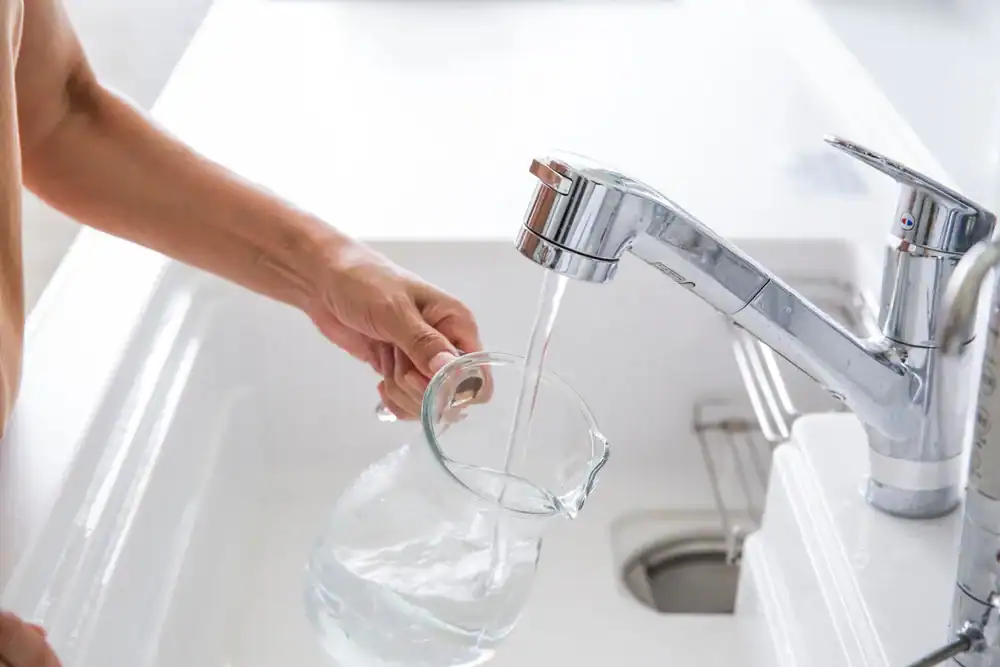
We start with a free water analysis at your home. This isn’t a basic hardness test—it identifies iron levels, hydrogen sulfide concentration, bacterial presence, pH balance, and other contaminants affecting your water quality.
Once we know what’s in your water, we design a system specifically for those contamination levels and your household’s daily usage. If you have clear water iron that oxidizes into rust stains, an air injection oxidation system might make sense. If hydrogen sulfide is creating that sulfur smell, hydrogen peroxide injection could be the right approach. If iron bacteria is producing slimy orange buildup, disinfection becomes critical.
The installation typically takes a day. We connect the system to your main water line so every faucet, shower, and appliance gets filtered water. You’ll notice the difference immediately—no odor when you turn on the tap, no staining on fixtures, no metallic taste.
After installation, the system runs automatically. Most homeowners check salt levels monthly if they have a softener component and schedule annual maintenance to keep everything running efficiently. We handle service calls quickly when needed, and we’re available to answer questions whenever they come up.
Ready to get started?
Your system gets designed around your water test results and household needs. That usually means a combination of treatment methods working together—not a single filter trying to do everything.
Iron removal systems handle both clear water iron and the oxidized rust that stains everything. Air injection oxidation works well for moderate iron levels. Higher concentrations might need hydrogen peroxide injection or a more aggressive oxidation process. The goal is eliminating iron before it reaches your fixtures and appliances.
Hydrogen sulfide treatment removes that rotten egg smell caused by sulfur bacteria. This often involves oxidation that converts the gas into particles that get filtered out. In St. Augustine Beach, sulfur is common because of the limestone geology—sulfur deposits feed bacteria that produce hydrogen sulfide gas.
Well water bacteria disinfection addresses iron bacteria and other microorganisms creating slime, odors, and potential health risks. This might involve chlorination, UV treatment, or hydrogen peroxide injection depending on the bacterial type and concentration. Iron bacteria is particularly problematic here—it thrives in Florida’s warm climate and creates sticky orange buildup that damages water conditioners and plumbing.
Whole house filtration means every water source in your home gets treated. You’re not just filtering drinking water—you’re protecting your water heater, washing machine, dishwasher, and all your plumbing fixtures from damage.

Water softening only addresses hardness—calcium and magnesium that create scale buildup. If your water has iron stains, sulfur odors, or bacterial slime, softening won’t fix those problems.
Most St. Augustine Beach well water needs both softening and filtration because you’re dealing with multiple issues at once. Hard water plus iron. Or hard water plus hydrogen sulfide. Or all three plus bacterial growth.
The water analysis tells you exactly what’s present and at what levels. If your iron concentration is above 0.3 parts per million, you’ll see staining. If hydrogen sulfide is detectable, you’ll smell it. If iron bacteria is present, you’ll see orange slime in your toilet tank. Each contaminant needs specific treatment, and a softener alone won’t handle any of them.
Regular sediment filters catch particles that are already solid. Iron removal systems oxidize dissolved iron—turning it from clear liquid into solid particles that can then be filtered out.
Clear water iron is dissolved in your well water. You can’t see it when you first draw water from the tap. But when it hits oxygen, it oxidizes into rust—that’s when you see orange stains on everything. A standard filter can’t catch dissolved iron because it’s not a particle yet.
Iron removal systems use air injection oxidation, hydrogen peroxide injection, or other oxidation methods to convert dissolved iron into solid form before it reaches your fixtures. Then it gets filtered out before it can stain anything. The system you need depends on your iron concentration, pH level, and whether you also have sulfur or bacteria present. That’s why testing comes first—so the equipment actually matches what’s in your water.
Yes, if the system is designed to treat hydrogen sulfide specifically. The rotten egg smell comes from hydrogen sulfide gas produced by sulfur bacteria. Standard filters don’t remove gases—you need oxidation or aeration.
Hydrogen peroxide injection is one effective method. It oxidizes the hydrogen sulfide gas into sulfur particles that get filtered out. Air injection oxidation can also work by aerating the water and allowing the gas to escape before filtration.
The treatment method depends on your hydrogen sulfide concentration and what else is in your water. If you also have high iron, the oxidation process can address both contaminants simultaneously. If bacterial growth is feeding the sulfur problem, disinfection becomes part of the solution. This is common in St. Augustine Beach because Florida’s limestone contains sulfur deposits that bacteria feed on, especially in warm weather. The water test shows the concentration level, and that determines which treatment approach will actually eliminate the odor.
Most systems need a professional service visit once a year. Between those visits, you’ll check salt levels monthly if your system includes a softener component, and you might need to replace pre-filters every few months depending on your water quality.
Annual maintenance typically includes inspecting the oxidation system, checking injection pumps if you have hydrogen peroxide or chlorine treatment, cleaning or replacing filter media if needed, and testing system performance to make sure it’s still removing contaminants effectively.
If you have iron bacteria, you might need more frequent service initially until the bacterial growth is fully controlled. If your iron concentration is particularly high, filter media might need replacement sooner. The maintenance schedule gets customized based on your specific system and contamination levels. Most homeowners find that proper maintenance extends equipment life significantly—your water heater, washing machine, and other appliances last years longer when they’re not dealing with iron buildup and corrosive water.
Professional installation is worth it because the system needs to be sized correctly, installed on your main water line before any branches, and set up with proper drainage and electrical connections. Getting any of those wrong means the system won’t work as intended.
Sizing matters because your household’s peak water usage determines the flow rate your system needs to handle. If the system is undersized, water pressure drops when multiple fixtures run simultaneously. If it’s oversized, you’re spending more than necessary and the equipment might not cycle properly.
Placement on the main line is critical—the system needs to treat all your water before it reaches any fixture or appliance. Drainage has to handle backwash cycles without flooding. Electrical connections need to be code-compliant and properly grounded. Most importantly, the system settings need to match your specific water chemistry and usage patterns. That requires experience with well water treatment, not just general plumbing knowledge. Professional installation also means warranty coverage stays valid and you have someone to call if something needs adjustment after installation.
Please provide your email address so that we can stay in touch and answer any questions you have! We will be reaching back out shortly.
"*" indicates required fields