Reach Out Today
Please provide your email address so that we can stay in touch and answer any questions you have! We will be reaching back out shortly.

Hear from Our Customers
You turn on the tap and there’s no smell. No hesitation before you fill a glass. No orange rings forming in the toilet bowl or brown stains creeping across your shower.
That’s what happens when iron removal systems and hydrogen sulfide treatment actually work. The metallic taste disappears. Your laundry comes out clean instead of dingy. Guests don’t wrinkle their nose when they wash their hands.
Spring Glen sits on limestone aquifers loaded with sulfur compounds and iron deposits. As groundwater moves through these formations, it picks up minerals that create the problems you’re dealing with right now. A whole-house filtration system intercepts that water before it reaches a single faucet, treating everything from your kitchen sink to your outdoor spigot.
You stop scrubbing stains. Your appliances last longer. And you finally have water that doesn’t make you second-guess every glass you pour.
We have an A+ Better Business Bureau rating with zero complaints. That doesn’t happen by accident when you’ve been treating well water for more than five decades.
We’re members of the National Water Quality Association, and we’ve seen every variation of iron bacteria, sulfur contamination, and mineral buildup that Lake County wells produce. Spring Glen homeowners deal with specific water chemistry issues tied to our local geology—we test for them, design systems around them, and service what we install.
You’re not getting a one-size-fits-all setup shipped from out of state. You’re getting a custom water treatment system based on your actual water analysis and your family’s daily usage.
We start with a free water analysis at your property. This isn’t a basic hardness test—we’re measuring iron levels, checking for hydrogen sulfide, testing for bacteria, and identifying exactly what’s in your well water.
Once we know what we’re dealing with, we design a treatment system. That might include air injection oxidation to remove iron and sulfur. It could involve hydrogen peroxide injection for bacterial contamination. Some wells need a combination approach with multiple filtration stages.
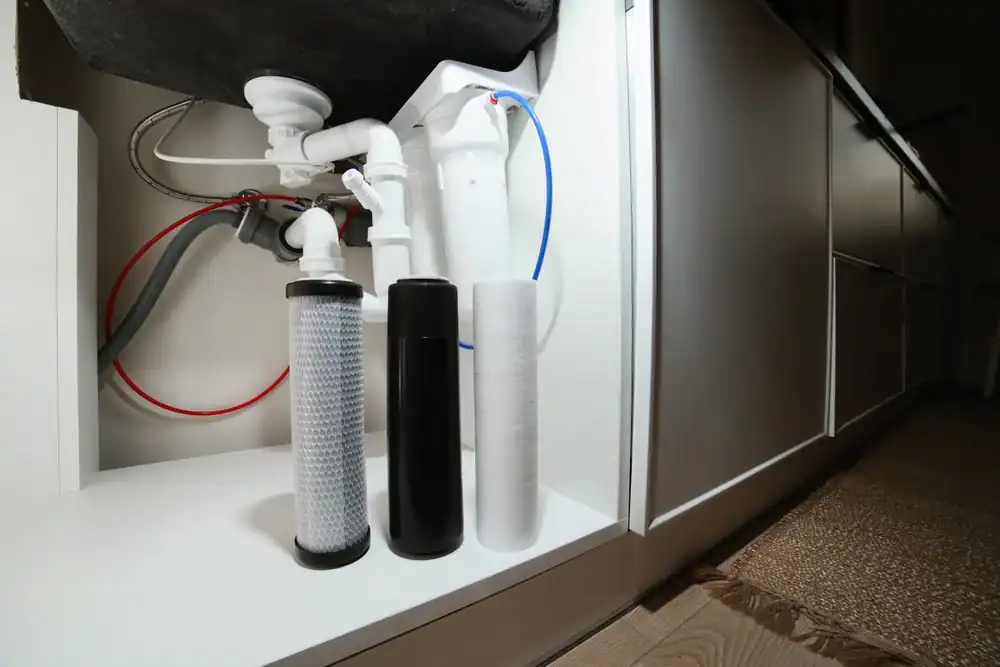
Installation happens at your main water line where it enters the house. Everything gets treated before it splits off to different fixtures. We walk you through how the system operates, what maintenance looks like, and how to monitor performance.
After installation, the system runs automatically. You’re not adding chemicals or adjusting settings daily. Air injection oxidation systems, for example, are nearly maintenance-free—they use oxygen to oxidize iron and sulfur, then filter out the particles.
Ready to get started?
Your system is built around your water test results. If you’ve got high iron content causing orange stains, we’re installing iron removal systems designed for Florida’s specific mineral concentrations. Hydrogen sulfide creating that rotten egg smell gets treated with either aeration or peroxide injection depending on concentration levels.
Bacterial contamination requires disinfection—well water bacteria disinfection systems kill E. coli and remove bacterial iron that causes slime buildup in your pipes. These aren’t temporary fixes. They’re engineered to handle your daily water volume for years.
Spring Glen’s warm climate accelerates bacterial growth in well systems. The limestone aquifers in Lake County naturally contain sulfur deposits that dissolve into groundwater. Your filtration system accounts for both factors, treating water before these contaminants reach your plumbing, appliances, or drinking glasses.
We service all water treatment brands, not just what we sell. And we’re available for maintenance, filter changes, and system adjustments as your water chemistry changes over time. You also get our $500 military and first responder discount if you qualify.

You’ll notice the signs before you see test results. Rotten egg smell when you run hot water means hydrogen sulfide is present. Orange or brown stains on fixtures, laundry, or in toilet bowls indicate iron in your water. Cloudy appearance or metallic taste points to mineral content that needs treatment.
Some problems aren’t visible. Bacterial contamination doesn’t always announce itself with odor or discoloration. That’s why well water testing matters even when everything seems fine. Lake County’s geology creates variable water quality—two houses a quarter-mile apart can have completely different mineral profiles based on well depth and aquifer location.
A professional water analysis measures iron, sulfur, bacteria, pH, hardness, and other contaminants. It tells you exactly what you’re dealing with and what treatment approach will actually work. We do this testing free because guessing at water treatment is expensive when you install the wrong system.
Iron removal targets dissolved iron that oxidizes and leaves rust-colored stains. Sulfur treatment eliminates hydrogen sulfide gas that creates the rotten egg smell. They’re different contaminants requiring different treatment methods, though many Spring Glen wells have both.
Air injection oxidation handles both problems in one system. It injects oxygen into your water, which oxidizes iron and sulfur. The oxidized particles get trapped in a filter media and flushed during backwash cycles. This approach works well for moderate contamination levels and requires minimal maintenance.
Hydrogen peroxide injection is more aggressive for high sulfur concentrations or when bacterial iron is present. Peroxide disinfects while oxidizing contaminants. Some situations need sequential treatment—removing iron first, then addressing sulfur, then filtering out particles. Your water test determines which approach matches your contamination levels and which system will actually solve your specific problem.
Whole-house systems typically range from $2,000 to $6,000 depending on your water issues and daily usage volume. A basic iron filter for a small household costs less than a multi-stage treatment system handling iron, sulfur, and bacteria for a larger home.
Your water test results drive the price. High iron with low sulfur needs different equipment than high sulfur with bacterial contamination. Flow rate matters too—a house using 300 gallons daily needs different capacity than one using 100 gallons.
We provide exact pricing after testing your water and calculating your household’s needs. That quote includes equipment, installation, and startup. Military and first responders get $500 off. Financing is available if you’d rather spread payments out. The cost comparison that matters is this: a quality system installed correctly, or years of replacing stained fixtures, damaged appliances, and water heaters that fail early because of corrosive water.
Air injection oxidation systems need minimal attention—maybe checking the system once a month and scheduling professional service annually. These systems backwash automatically to clean the filter media, so you’re not manually changing components constantly.
Systems using hydrogen peroxide injection require periodic peroxide refills, similar to adding salt to a water softener. How often depends on your water usage and contamination levels. Some homeowners refill monthly, others go several months between fills.
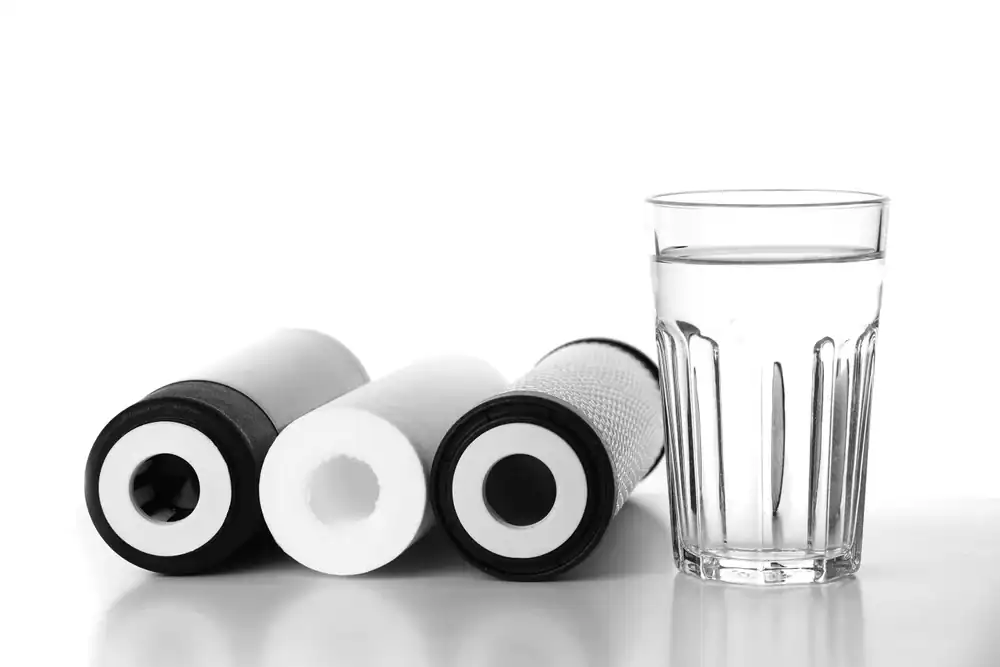
Filter cartridges in multi-stage systems need replacement based on your water volume and sediment levels. We set up a maintenance schedule during installation so you know what to expect. Spring Glen’s iron and sulfur concentrations can vary seasonally, especially after heavy rains, so we also monitor system performance during service visits to catch any needed adjustments before you notice problems. Most maintenance is straightforward—we handle the technical work, you just keep an eye on system indicators.
The system stops new stains from forming. Existing stains need cleaning, but they won’t keep coming back once your water is treated.
Iron stains in toilets, tubs, and sinks usually respond to cleaners designed for rust removal. The stains in your laundry are tougher—sometimes they’re permanent if iron has been setting into fabric for months. But once your water is filtered, your whites stay white and colors don’t fade to that dingy rust tint.
Your plumbing and appliances benefit immediately. Iron buildup inside pipes and water heaters stops accumulating. Water heaters last longer when they’re not constantly fighting corrosive minerals. Washing machines, dishwashers, and any appliance using water sees less wear and fewer repairs. The stain removal is satisfying, but the real value is in stopping the ongoing damage that iron and sulfur cause throughout your entire plumbing system every single day.
Please provide your email address so that we can stay in touch and answer any questions you have! We will be reaching back out shortly.
"*" indicates required fields