Reach Out Today
Please provide your email address so that we can stay in touch and answer any questions you have! We will be reaching back out shortly.

Hear from Our Customers
That rotten egg smell disappears. Not just covered up with a filter pitcher or air freshener, but actually gone from every faucet in your home.
The orange stains stop forming in your toilets and sinks. Your fixtures stay cleaner longer. Your appliances last years longer because they’re not fighting iron buildup and mineral deposits every single day.
You stop second-guessing whether the water is safe. No more wondering if that smell means something dangerous, or if those stains are just cosmetic. You know what’s in your water because it’s been tested, and you know what’s been removed because the system was designed specifically for it.
Your guests don’t notice your water anymore. And that’s exactly the point.
We’re a Florida-based water treatment company serving homeowners throughout Central Florida, including Spanish Quarter. We don’t do plumbing. We don’t install water heaters. We focus entirely on water quality because that’s what Florida wells need most.
We’re members of the National Water Quality Association and maintain an A rating with the Better Business Bureau with zero complaints. That matters when you’re choosing who to trust with your home’s water supply.
Spanish Quarter sits in an area where well water problems aren’t unusual. The limestone aquifers that supply water here also carry sulfur compounds, iron, and create conditions where bacteria thrive. We’ve worked with enough homes in this area to know what works and what doesn’t.
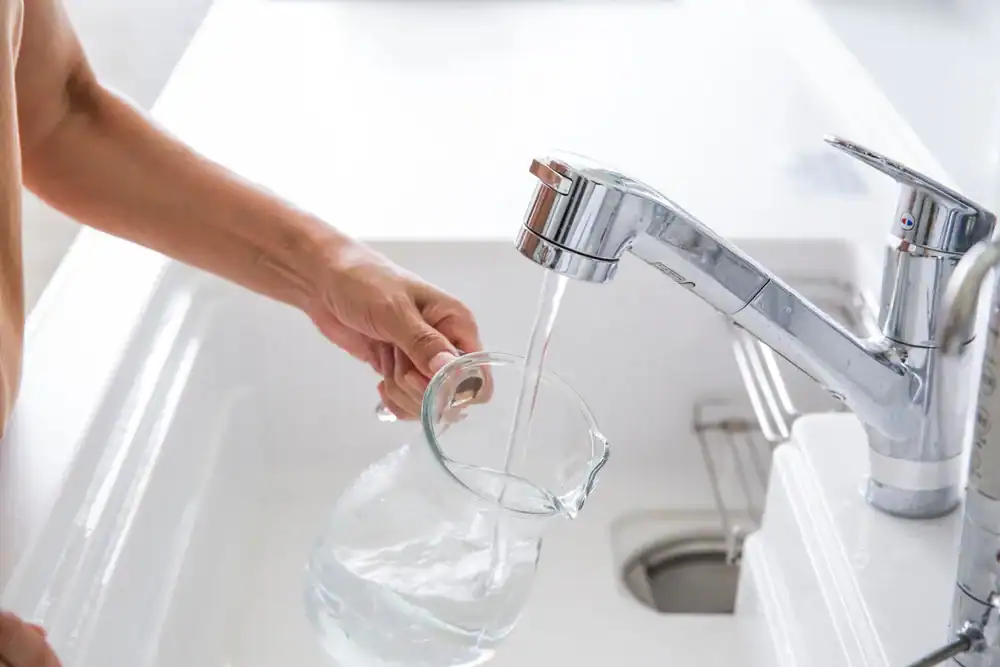
It starts with testing your water. Not a basic hardness test, but a full analysis that shows what’s actually in your well. Iron levels, sulfur content, bacteria presence, pH, hardness. You can’t treat what you haven’t identified.
Once we know what we’re dealing with, we design a system that addresses your specific contamination issues. If you’ve got hydrogen sulfide causing that rotten egg smell, we might use hydrogen peroxide injection or air injection oxidation depending on concentration levels. If iron bacteria is the issue, we’re looking at disinfection methods that actually eliminate it instead of just filtering around it.
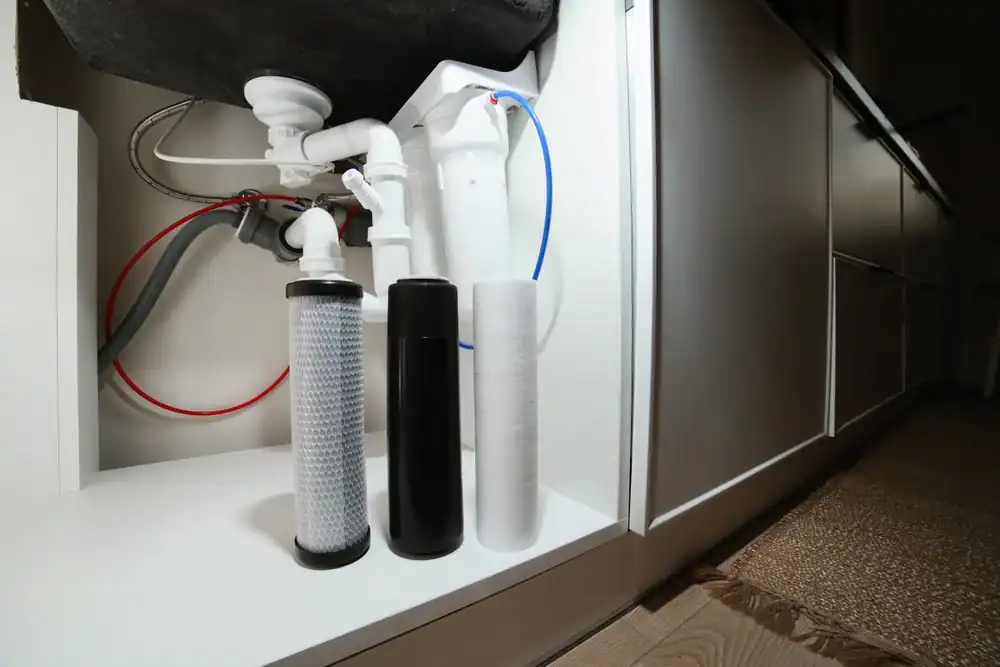
The installation is a whole house system. That means every drop of water that enters your home gets treated before it reaches any faucet, shower, or appliance. We’re not talking about an under-sink filter that only handles your drinking water while the rest of your house still deals with staining and odors.
After installation, the system runs automatically. You’re not manually treating water or constantly adjusting settings. Maintenance is straightforward, and we’re available when you need service.
Ready to get started?
Iron removal systems address both clear water iron and the kind that’s already oxidized and visible. Clear water iron is the type that looks fine coming out of your tap but turns orange when it hits air. That’s what causes staining on everything it touches. The system oxidizes and filters it out before it has a chance to stain.
Hydrogen sulfide treatment eliminates sulfur odors at the source. In Spanish Quarter and throughout Central Florida, sulfur in well water is common because of our geology. The treatment method depends on concentration levels, but the goal is the same: remove it completely, not just mask it.
Bacteria disinfection is critical if testing shows iron bacteria or other bacterial contamination. Iron bacteria doesn’t just affect water quality, it clogs your entire well system. Left untreated, bacterial slime can make a well system useless in months. Treatment involves disinfection methods that eliminate bacteria and prevent regrowth.
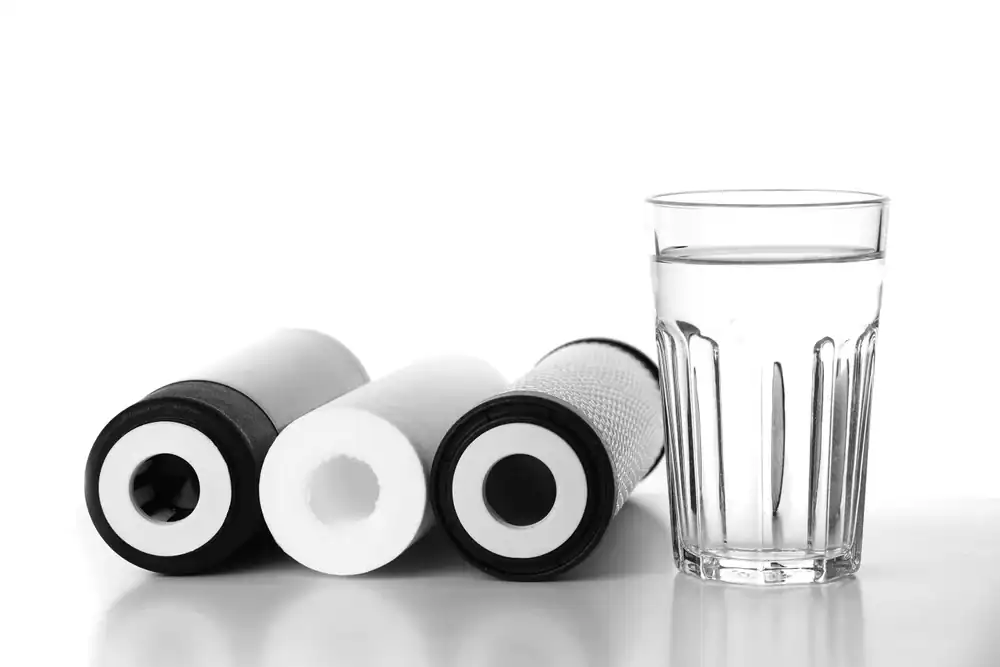
Whole house filtration means your washing machine isn’t fighting mineral buildup. Your water heater isn’t corroding from the inside. Your shower isn’t leaving your skin dry and your hair damaged from hard water. Every water source in your home benefits.

If you smell rotten eggs when you turn on the tap, that’s hydrogen sulfide. If you see orange or rust-colored stains in your sinks, toilets, or tubs, that’s iron. If your water tastes metallic or off, or if you’ve noticed slime in your toilet tank, you’ve got contamination that needs treatment.
But some problems aren’t as obvious. Bacteria can be present without a strong odor. Certain minerals cause damage to your appliances and plumbing long before you notice the effects. The only way to know exactly what’s in your water is to test it.
A comprehensive water test shows iron levels, sulfur content, bacteria presence, hardness, pH, and other contaminants. Once you know what you’re dealing with, you can address it properly instead of guessing or buying a system that doesn’t match your actual water conditions.
Both methods treat hydrogen sulfide, but they work differently and suit different situations. Air injection oxidation introduces oxygen into your water, which oxidizes the hydrogen sulfide and converts it into sulfur particles that can be filtered out. It’s effective for moderate sulfur levels and doesn’t require chemicals.
Hydrogen peroxide injection uses a chemical oxidizer that’s more aggressive. It handles higher concentrations of hydrogen sulfide and also addresses iron and bacteria at the same time. If your water has multiple contamination issues, hydrogen peroxide injection often makes more sense because it’s treating several problems with one system.
The right choice depends on your specific water test results. Sulfur concentration, iron levels, pH, and whether bacteria is present all factor into which treatment method works best for your situation. That’s why testing comes first.
Yes, but the method matters. If testing shows iron bacteria or other bacterial contamination, you need a disinfection system, not just a filter. Bacteria isn’t something you can strain out with a standard filtration media.
Disinfection methods like hydrogen peroxide injection or UV sterilization kill bacteria and prevent it from growing back. Hydrogen peroxide is effective against iron bacteria specifically, which is common in Florida wells and causes that slimy buildup you might see in your toilet tank or well system.
UV sterilization works by exposing water to ultraviolet light that destroys bacteria, viruses, and other microorganisms. It’s chemical-free and effective, but it requires clear water to work properly. If your water has high iron or sediment, those need to be filtered out first so the UV light can reach the bacteria.
A properly installed and maintained system typically lasts 10 to 15 years, sometimes longer depending on the components and your water conditions. Florida’s water chemistry can be tough on equipment, which is why the quality of the system and installation matters.
Some components need attention sooner than others. Filter media might need replacement every few years depending on contamination levels and water usage. Injectors, control valves, and tanks are built to last much longer with routine maintenance.
The biggest factor in system longevity is whether it was sized and designed correctly for your water in the first place. An undersized system or one that’s not matched to your specific contamination issues will wear out faster because it’s working harder than it should. That’s why testing and proper system design matter more than just buying the cheapest equipment.
Absolutely. Iron, minerals, and bacteria all cause damage that shortens appliance lifespan. Your water heater is especially vulnerable because heated water accelerates mineral buildup and corrosion. The sediment settles at the bottom of the tank, reduces efficiency, and eventually causes failure.
Washing machines, dishwashers, and any appliance that uses water deal with the same issues. Iron stains clothing and leaves residue inside the machine. Hard water minerals create scale buildup on heating elements and internal components. Over time, that buildup causes parts to fail.
Replacing a water heater costs significantly more than installing a whole house water filtration system. Same with a washing machine. When you factor in the extended lifespan of every water-using appliance in your home, filtration pays for itself. You’re not just improving water quality, you’re protecting everything that water touches.
Please provide your email address so that we can stay in touch and answer any questions you have! We will be reaching back out shortly.
"*" indicates required fields