Reach Out Today
Please provide your email address so that we can stay in touch and answer any questions you have! We will be reaching back out shortly.

Hear from Our Customers
Your toilets stay white. Your laundry comes out without rust stains. When guests turn on the tap, there’s no rotten egg smell filling the bathroom.
That’s what happens when your well water filtration system actually handles what’s in South Apopka’s groundwater. Not just surface problems, but the iron bacteria, hydrogen sulfide, and minerals that come standard with private wells in Central Florida.
Most homeowners here know the drill. You see orange rings in the toilet bowl. Your water smells like sulfur when it’s been sitting overnight. Your washing machine leaves rust marks on white clothes. These aren’t cosmetic issues—they’re signs that your water needs treatment designed for the limestone aquifers and sandy soil conditions we have here.
The right system removes what’s actually in your water. Iron removal systems handle the metallic staining. Hydrogen sulfide treatment eliminates the sulfur smell. Well water bacteria disinfection addresses the slime and buildup that standard softeners can’t touch. When it’s done right, you get clear water from every tap, appliances that last longer, and no more explaining the smell to visitors.
We focus exclusively on water purification and filtration. No plumbing side jobs. No water heater repairs. Just whole-house water treatment for South Apopka homeowners dealing with well water issues.
We’re members of the National Water Quality Association and maintain an A rating with the Better Business Bureau with zero complaints. Our technicians are employees, not subcontractors, which means the person who analyzes your water and designs your system knows what they’re doing.
South Apopka sits on geology that creates specific water problems. The limestone formations and aquifer conditions here mean most private wells deal with iron, sulfur, and bacterial issues. We’ve been treating these exact problems for local homeowners, and we test your water before recommending anything so the system actually matches what’s coming out of your well.
First, we test your water. Not a basic hardness test—a full analysis that shows what’s actually in your well. Iron levels, sulfur content, bacteria presence, pH, mineral content. You can’t fix what you haven’t measured.
Then we design a system based on those results. If you’ve got iron bacteria, we’re looking at air injection oxidation or hydrogen peroxide injection systems that actually kill the bacteria instead of just filtering particles. If hydrogen sulfide is the issue, we’re treating it at the source with oxidation before it ever reaches your fixtures.
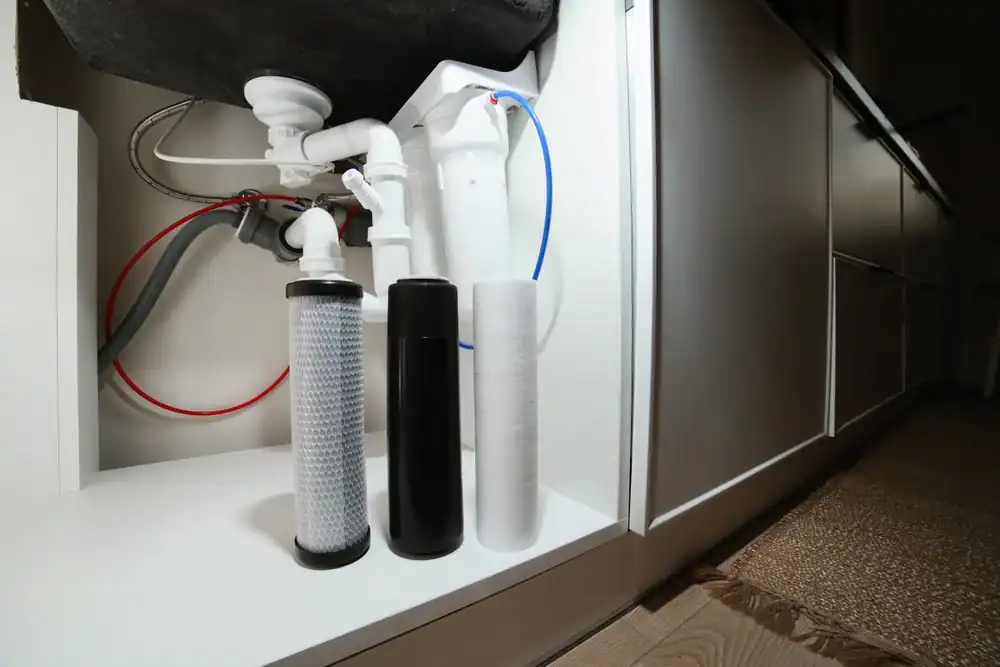
Installation happens in your home with our own technicians. We integrate the system with your existing plumbing, set up automatic backwashing so you’re not manually maintaining filters, and test everything before we leave. Most whole-house systems include a combination of filtration stages—sediment removal, oxidation, carbon filtration, and sometimes UV disinfection depending on what your water needs.
After installation, the system runs automatically. You get water quality that stays consistent, and if anything ever needs service, we handle all makes and models. The goal is water you don’t have to think about.
Ready to get started?
Every installation starts with custom water analysis at your home. We’re testing for the specific contaminants common in South Apopka wells—iron that causes staining, sulfur compounds that create odors, and bacteria that build up in pipes and tanks.
Your system gets designed around those results. Iron removal systems use oxidation methods like air injection or hydrogen peroxide injection to convert dissolved iron into particles that can be filtered out. Hydrogen sulfide treatment eliminates sulfur at the source. Well water bacteria disinfection uses methods that actually kill organisms instead of just trapping them in a filter where they multiply.
Most whole-house installations include automatic backwashing, which means the system cleans itself on a schedule without you lifting a finger. You also get limited lifetime warranties on many components, and our technicians handle the installation from start to finish—no subcontractors who disappear when you need service later.
South Apopka’s water conditions are different from other parts of Florida. The aquifer depth, soil composition, and seasonal water table changes all affect what ends up in your well. A system that works in Orlando might not address what you’re dealing with here, which is why testing first and customizing the treatment matters more than buying a generic softener and hoping it helps.

A water softener only removes hardness minerals like calcium and magnesium. It doesn’t touch iron bacteria, sulfur, or most contaminants that cause the real problems in South Apopka well water.
If your water smells like rotten eggs, a softener won’t fix it. If you’ve got orange stains on everything, a softener might reduce them slightly but won’t eliminate the iron causing them. And if you have iron bacteria—the slimy buildup in your toilet tanks and pipes—a standard softener can actually make it worse by giving bacteria more surface area to colonize.
Well water filtration systems treat the actual contaminants in your water. Iron removal systems use oxidation to convert dissolved iron into particles that get filtered out. Hydrogen sulfide treatment eliminates the sulfur compounds causing odors. Bacteria disinfection kills organisms instead of just softening minerals. Most homeowners here need a combination approach—treating specific contaminants first, then softening if hardness is also an issue. Testing your water shows exactly what you’re dealing with so you’re not guessing.
You’ll see it before you test for it. Iron bacteria create a rainbow-colored sheen on standing water, slimy orange or red buildup in toilet tanks, and sometimes a musty or oily smell.
Check your toilet tank—if there’s orange, red, or brown slime on the walls or floating on the surface, that’s usually iron bacteria. You might also notice it in your water softener brine tank if you have one. The slime feels greasy or oily, and it keeps coming back even after you clean it.
Iron bacteria aren’t harmful to drink, but they create conditions for more dangerous bacteria to grow. They also corrode pipes at joints, restrict water flow, and cause staining that regular cleaning can’t remove. Standard chlorination or softening won’t eliminate them because they form protective slime layers. You need oxidation treatment—either air injection oxidation or hydrogen peroxide injection—that actually kills the bacteria and prevents them from reforming. A water test confirms their presence and shows how severe the problem is.
Yes, but only if the system is designed to treat hydrogen sulfide specifically. Not all filtration systems address sulfur.
That rotten egg smell comes from hydrogen sulfide gas dissolved in your water. It’s common in South Apopka wells because our limestone aquifers naturally contain sulfur compounds. The smell gets worse when water sits in pipes overnight or when it’s heated.
Hydrogen sulfide treatment uses oxidation to convert the gas into particles that can be filtered out. Air injection oxidation systems inject air into the water, oxidizing the sulfur before it reaches your house. Hydrogen peroxide injection does the same thing chemically. Carbon filtration can help with mild sulfur issues, but moderate to severe problems need oxidation treatment at the source.
The key is treating it before the water enters your plumbing. Once hydrogen sulfide is in your pipes and water heater, it’s already creating that smell throughout your house. A properly sized system eliminates the odor completely—no smell when you turn on taps, no embarrassment when guests visit, and no sulfur taste in your drinking water.
Most modern whole-house systems are designed to run automatically with minimal maintenance. The frequency depends on your water quality and system type.
Systems with automatic backwashing clean themselves on a programmed schedule—usually every few days. You don’t do anything. The system flushes accumulated iron, sediment, and contaminants down the drain without you remembering to change filters or manually clean components.
Carbon filters typically need replacement every 6-12 months depending on your water usage and contamination levels. UV bulbs for disinfection last about a year. If your system uses hydrogen peroxide injection, you’ll need to refill the peroxide solution periodically—how often depends on your water volume and iron levels.
The biggest maintenance item is salt if you have a softener component, which you refill as needed just like a standard softener. Beyond that, an annual service check ensures everything is working efficiently. The systems are built for Florida water conditions and designed to handle high iron and sulfur levels without constant attention. You’re not dealing with weekly filter changes or manual cleaning—the automation handles the heavy lifting.
Technically possible, but not recommended unless you really know what you’re doing with plumbing, water chemistry, and system sizing.
The biggest issue isn’t the physical installation—it’s designing the right system for your specific water. If you don’t test properly and choose the wrong treatment method, you’ll spend thousands on equipment that doesn’t solve your problem. Iron bacteria needs different treatment than dissolved iron. Hydrogen sulfide requires oxidation, not just filtration. Getting the sizing wrong means the system can’t keep up with your household demand.
Installation itself involves integrating the system into your existing plumbing, setting up drain lines for backwashing, ensuring proper water pressure throughout the process, and programming automatic cycles. If something leaks or the backwash cycle doesn’t drain properly, you’re dealing with water damage.
Professional installation also comes with warranties on both equipment and labor. If something goes wrong with a DIY setup, you’re troubleshooting alone and potentially voiding equipment warranties. We test your water first, design the system around those results, and install everything to code with proper integration. You get a system that actually works and someone to call if you ever need service.
Please provide your email address so that we can stay in touch and answer any questions you have! We will be reaching back out shortly.
"*" indicates required fields