Reach Out Today
Please provide your email address so that we can stay in touch and answer any questions you have! We will be reaching back out shortly.

Hear from Our Customers
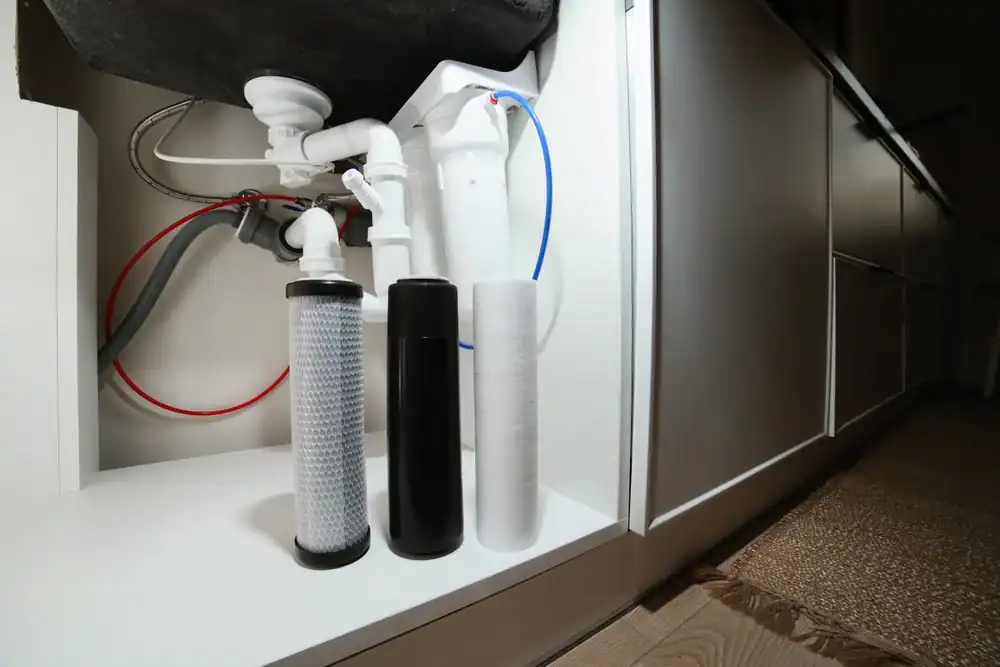
You stop buying bottled water. Your dishes don’t have orange stains anymore. The sulfur smell disappears when you turn on the shower.
Your appliances last longer because hard water minerals aren’t building up inside them. Your plumbing doesn’t corrode from acidic groundwater. And you’re not wondering every time someone drinks from the tap whether bacteria or nitrates are in there.
That’s what whole-house well water filtration does. It removes what’s actually in your water based on testing, not guessing. Iron removal systems handle the rust-colored staining. Hydrogen sulfide treatment eliminates that rotten egg smell. And well water bacteria disinfection protects against the microbes that the CDC says cause thousands of illnesses every year in private well users.
You get water you can trust without thinking about it every day.
We specialize in whole-house water purification for well owners in Saint Nicholas and throughout Florida. We’re members of the National Water Quality Association and maintain an A-rating with the Better Business Bureau with a 5-star rating and zero complaints.
We don’t do plumbing or water heaters. We focus entirely on treating your well water the right way. That means testing first, recommending systems based on what’s actually in your water, and installing equipment that handles Florida’s specific groundwater problems—high iron, sulfur bacteria, hard water from the Floridian Aquifer, and contamination risks from our porous limestone and high water table.
We also give a $500 discount to military members and first responders, and we support the Tunnels to Towers Foundation because we believe in giving back to the people who serve our communities.
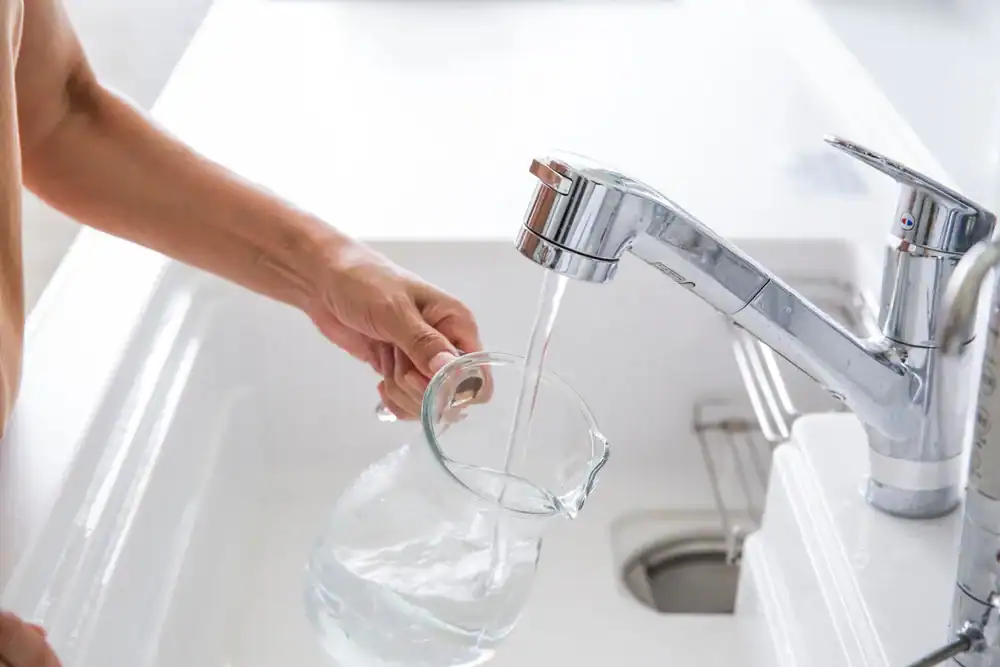
First, we test your water. Not a basic test—a comprehensive analysis that shows what contaminants are present and at what levels. That’s critical because Florida well water varies widely depending on your aquifer depth, proximity to agricultural areas, and local geology.
Once we know what’s in your water, we recommend the right treatment system. If you have iron, we might use an air injection oxidation system that converts dissolved iron into particles that get filtered out. For hydrogen sulfide (that sulfur smell), we often use hydrogen peroxide injection or specialized media filters. Bacteria gets handled with disinfection systems, and hard water gets treated with softeners designed for Florida’s high mineral content.
Then we install the system as a whole-house solution, usually where your well line enters your home. Every faucet, shower, and appliance gets treated water. We walk you through how it works, what maintenance looks like, and how to monitor performance.
After installation, you’re not on your own. We provide ongoing support and service because a water treatment system only works long-term if it’s maintained correctly.
Ready to get started?
Iron removal systems eliminate the metallic taste and orange staining that shows up on sinks, toilets, and laundry. If your water leaves rust-colored marks, that’s dissolved iron, and it’s one of the most common issues in Saint Nicholas well water.
Hydrogen sulfide treatment gets rid of the rotten egg smell caused by sulfur bacteria. This isn’t just unpleasant—it can corrode plumbing and fixtures over time. We use hydrogen peroxide injection or air injection oxidation depending on your water chemistry and sulfur levels.
Well water bacteria disinfection protects against coliform bacteria, E. coli, and other microbes that the Florida Department of Health says you should test for at least once a year. Private wells aren’t regulated by the Safe Drinking Water Act, so you’re responsible for making sure your water is safe. Disinfection systems handle that.
Hard water treatment removes calcium and magnesium that cause scale buildup in pipes and appliances. Florida has some of the hardest water in the country because of our limestone aquifer. A water softener protects your dishwasher, washing machine, and water heater from unnecessary wear and early failure.
We also address nitrate contamination, pesticide residues, and other contaminants that show up in testing. Every system is based on your specific water quality, not a one-size-fits-all approach.

You need a comprehensive water test, not just a basic bacteria screen. Most Saint Nicholas well owners don’t know what’s in their water until they test for a full panel of contaminants—iron, sulfur, hardness, nitrates, bacteria, pH, and other common Florida groundwater issues.
We provide detailed testing that shows exactly what’s present and at what levels. That’s the only way to recommend the right treatment system. Testing also gives you a baseline so you can track changes over time, which matters because aquifer contamination can happen gradually from agricultural runoff, septic systems, or changes in the water table.
The Florida Department of Health recommends testing private wells at least once a year for bacteria and nitrates. We recommend testing more frequently if you’re near farms, gas stations, or other potential contamination sources, or if you notice changes in taste, smell, or appearance.
A whole-house well water filtration system treats all the water entering your home. Every faucet, shower, toilet, and appliance gets filtered water. A point-of-use filter on your kitchen sink only treats water at that one location.
If you have iron, sulfur, or hard water, a sink filter won’t protect your plumbing, water heater, dishwasher, or washing machine. You’ll still get staining in your toilets and showers. Your appliances will still wear out faster from scale buildup. And you’ll still smell sulfur when you shower.
Whole-house systems also handle higher flow rates and larger volumes of water, which matters for well owners. They’re designed to remove contaminants before they enter your home’s plumbing system, not just at the point of consumption. That’s especially important for bacteria and other health-related contaminants that you’re exposed to through showering and washing, not just drinking.
It depends on your system type and your water quality. Most systems need basic maintenance every 6-12 months. That might include replacing filters, checking disinfection equipment, adding salt to a softener, or cleaning oxidation media.
Iron removal systems and hydrogen sulfide treatment systems often need more frequent attention because they’re dealing with contaminants that can build up or clog media. If your iron levels are high, you might need to backwash your system more often or replace media sooner.
We provide clear maintenance schedules for every system we install. Most of it is simple—checking salt levels, replacing cartridge filters, or monitoring pressure gauges. Some tasks require professional service, like media replacement or system recalibration. The key is staying on schedule. A well-maintained system lasts 15-20 years. A neglected one fails in 5.
That’s hydrogen sulfide gas, and it’s caused by sulfur bacteria in your well or in your groundwater. It’s not usually a health risk at low levels, but it’s unpleasant and it can corrode plumbing and fixtures over time.
Hydrogen sulfide treatment removes the gas before it enters your home. We typically use hydrogen peroxide injection, which oxidizes the sulfur so it can be filtered out, or air injection oxidation systems that do the same thing without chemicals. The right approach depends on your sulfur levels and pH.
Sometimes the smell only happens with hot water. That usually means sulfur bacteria are growing in your water heater, not your well. In that case, you might need both well treatment and water heater disinfection. We test to figure out where the problem is coming from and recommend the most effective solution.
It depends entirely on what’s in your specific well. Private wells in Saint Nicholas aren’t regulated by the EPA or tested by any government agency. You’re responsible for testing and treating your own water.
Florida’s aquifer is vulnerable to contamination because of our porous limestone, high water table, and heavy rainfall. The USGS found that more than one in five wells tested between 1991 and 2004 contained contaminants above health benchmarks. Common issues include bacteria, nitrates from septic systems or fertilizers, and naturally occurring minerals like iron and sulfur.
The only way to know if your water is safe is to test it. If contaminants are present, the right treatment system makes it safe. We see well owners in Saint Nicholas dealing with everything from minor iron staining to serious bacteria contamination. Testing first means you’re treating the actual problem, not guessing.
Please provide your email address so that we can stay in touch and answer any questions you have! We will be reaching back out shortly.
"*" indicates required fields