Reach Out Today
Please provide your email address so that we can stay in touch and answer any questions you have! We will be reaching back out shortly.

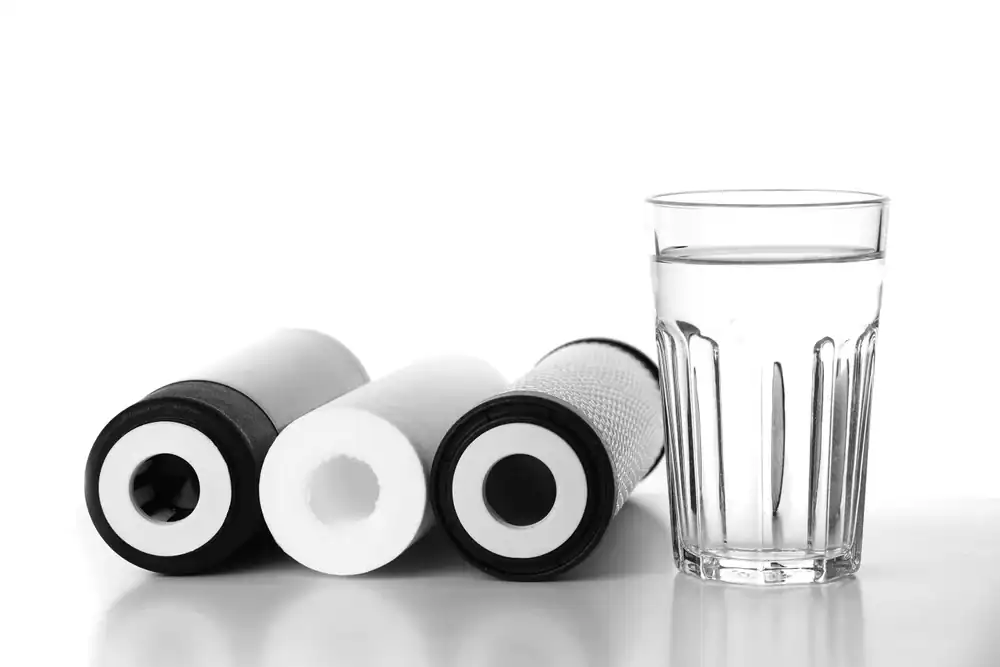
Hear from Our Customers
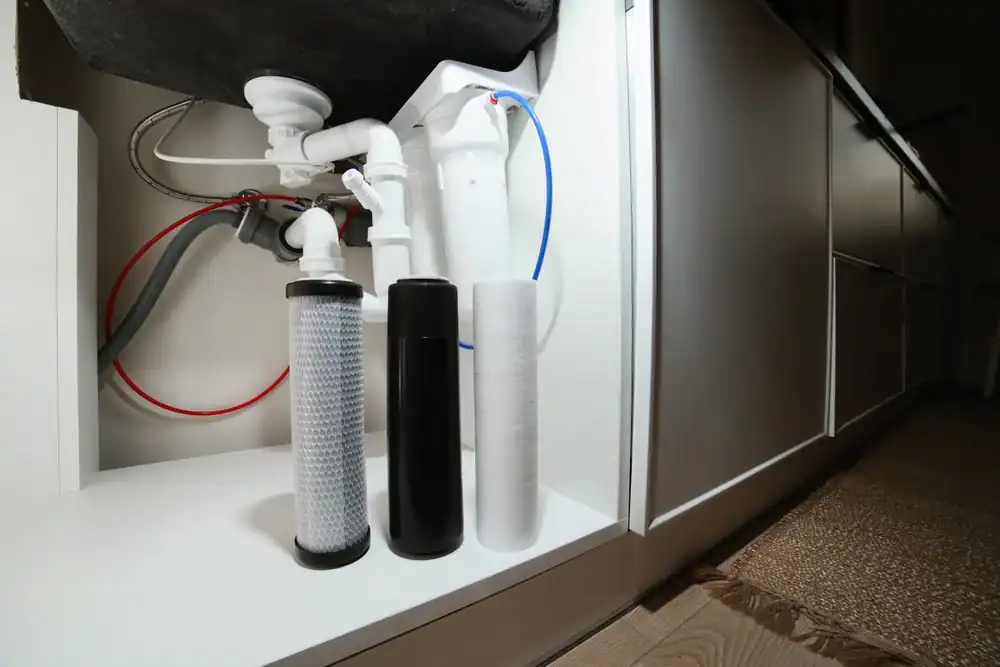
Your water should come out of the tap clear. It shouldn’t leave rust stains on your toilets or turn your laundry orange. You shouldn’t smell rotten eggs when you turn on the shower, and you definitely shouldn’t worry about what’s in the glass you’re handing your kid.
That’s not asking too much. That’s baseline.
If your well water in Rosemont smells like sulfur, stains everything it touches, or leaves a metallic taste in your mouth, you’re dealing with hydrogen sulfide, iron, or bacteria. Sometimes all three. These aren’t rare problems in Lake County—they’re the norm. Florida’s limestone geology, high water table, and warm climate create the perfect conditions for contamination. The longer you wait, the worse it gets. Iron bacteria builds up in your pipes. Your water heater corrodes faster. Your appliances fail early.
A properly designed whole house well water filtration system stops all of that. You get water that’s safe to drink, doesn’t stain your fixtures, and doesn’t embarrass you when guests come over. Your appliances last longer. Your plumbing stays clear. And you stop wondering if the water is making your family sick.
We’ve been installing water treatment systems across Central Florida since the 1970s. We’re members of the National Water Quality Association, A-rated by the Better Business Bureau with zero complaints, and we’ve built our reputation on doing the job right the first time.
We’re not a national chain that sells you a system and disappears. We’re local. We service what we sell. And we understand the specific water problems that show up in Rosemont and the surrounding Lake County area—because we’ve been treating them for decades.
If you’ve tried big-box store filters that didn’t work, or you’ve been burned by companies that overpromised and underdelivered, you’re not alone. We hear that story constantly. What matters now is getting a system that actually handles the iron levels, sulfur content, and bacteria load in your specific water—not a generic solution that works somewhere else but fails here.
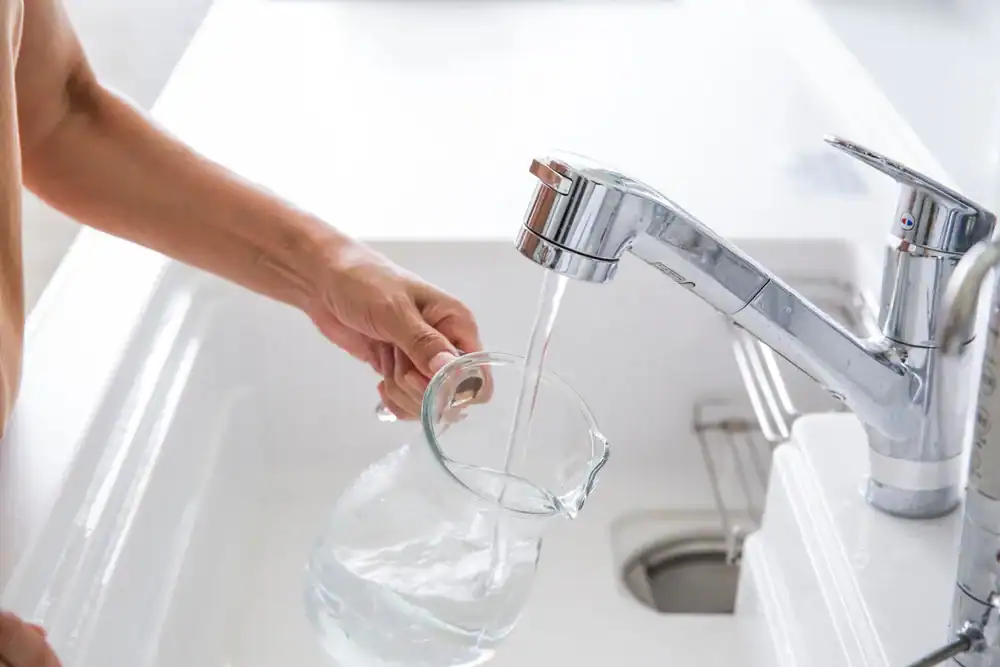
We start with a free water analysis at your home. Not a basic test—a comprehensive look at what’s actually in your well water. Iron levels, sulfur content, bacteria presence, pH, hardness, and anything else that might be causing problems. This tells us exactly what system you need.
Once we know what we’re dealing with, we design a filtration system for your specific water and your household’s usage. If you have high iron and sulfur, we might recommend a hydrogen peroxide injection system—it oxidizes the iron and kills bacteria in one step. For lower iron levels, an air injection oxidation system works well. If bacteria is the main concern, UV disinfection handles that. Most homes need a combination approach.
We install the system ourselves. No subcontractors. We walk you through how it works, what to expect, and how to maintain it. Then we come back in one to three months to retest your water and make sure everything’s performing the way it should. If something’s not right, we fix it. You’re not stuck with equipment that doesn’t work—you get a system that actually solves the problem.
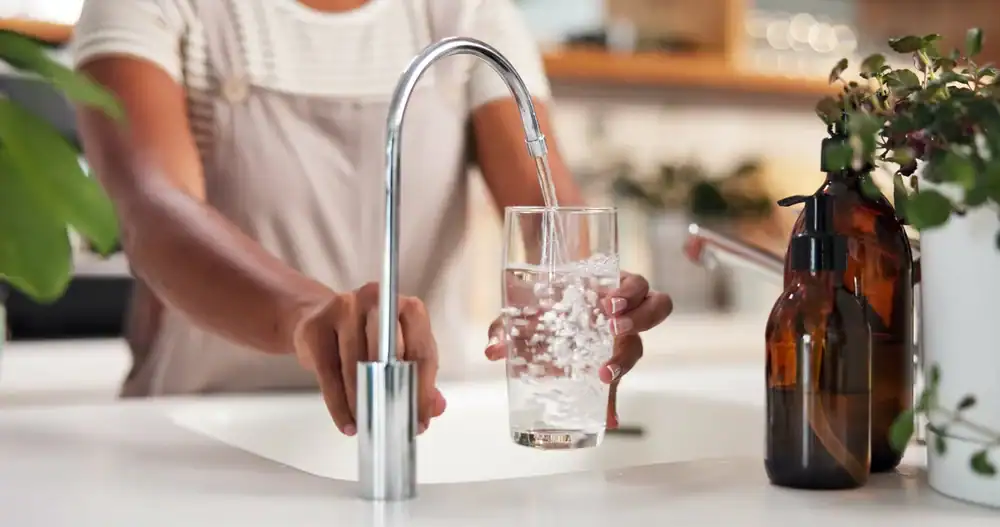
Ready to get started?
A whole house well water filtration system treats every drop of water that enters your home. That means your drinking water, showers, laundry, dishwasher, and every faucet gets filtered water. You’re not just fixing one tap—you’re protecting your entire plumbing system and every appliance connected to it.
For Rosemont homes, that usually means addressing iron, sulfur, and bacteria. Iron removal systems use either air injection oxidation or hydrogen peroxide injection depending on your iron levels and whether you also have sulfur or bacteria. Hydrogen peroxide is a stronger oxidizer—it converts iron to a form that can be filtered out, kills iron bacteria, and eliminates hydrogen sulfide gas. Air injection works well for moderate iron without the sulfur smell.
If your water has bacteria—and many wells in Central Florida do—UV disinfection kills organisms like giardia and cryptosporidium without adding chemicals. It’s a light that destroys their DNA as water flows past. Simple, effective, and no ongoing chemical costs.
Most systems also include a water softener if you have hard water, which you probably do. Soft water prevents scale buildup in your pipes and water heater, makes soap work better, and keeps your fixtures cleaner. The combination of filtration and softening gives you water that’s safe, clean, and actually pleasant to use.

If you see rust-colored stains in your sinks, toilets, or tubs, that’s iron. If your water smells like rotten eggs, that’s hydrogen sulfide from sulfur-reducing bacteria. If you notice slimy buildup in your toilet tank or a metallic taste in your drinking water, you likely have iron bacteria.
These are the most common signs. But some contaminants don’t announce themselves. Your water might look and taste fine but still contain bacteria, nitrates, or other contaminants that pose health risks. That’s why testing matters.
More than one in five wells in Florida contain contaminants above health benchmarks. The only way to know what’s in your water is to test it. We do that for free. We come to your home, test your water on-site, and tell you exactly what you’re dealing with—no sales pitch, just information.
Both systems remove iron from well water, but they work differently and handle different problems. Air injection oxidation pumps air into your water to oxidize dissolved iron, turning it into particles that get filtered out. It works well for moderate iron levels—up to about 10-15 ppm—and it’s simple and reliable.
Hydrogen peroxide injection is stronger. It’s better for higher iron levels or when you have sulfur and bacteria along with the iron. The peroxide oxidizes iron, kills iron bacteria, and eliminates hydrogen sulfide gas. If your water smells bad and stains everything, peroxide usually handles it better than air alone.
The right choice depends on your water test results. If you only have iron and no sulfur smell, air injection might be enough. If you’re dealing with multiple problems—iron, sulfur, bacteria—peroxide gives you a more complete solution. We recommend the system that fits your specific water chemistry, not the one that costs more.
Yes. Iron and hard water are brutal on appliances. Iron builds up inside your water heater, reducing efficiency and shortening its lifespan. It clogs aerators, stains fixtures, and corrodes pipes at joints. Iron bacteria creates sludge that restricts water flow and damages pump seals.
Hard water causes scale buildup in your dishwasher, washing machine, and water heater. That scale makes them work harder and fail sooner. A water heater that should last 12 years might only last 6 or 7 if you have hard water and iron.
A whole house filtration system with a softener removes iron before it enters your plumbing and prevents scale from forming. Your appliances run more efficiently and last longer. You’ll save money on repairs and replacements. Installing the right system now costs less than replacing a water heater, washing machine, and dishwasher over the next few years.
It depends on the type of system and your water quality. Most systems need minimal maintenance—checking settings, cleaning filters, and adding salt to the softener if you have one. UV lights need bulb replacements once a year. Hydrogen peroxide systems need peroxide refills, but that’s straightforward.
We come back after installation to check your water and make sure the system is performing correctly. After that, we recommend annual service to keep everything running smoothly. Filters get changed, settings get adjusted if needed, and we test your water to confirm it’s still meeting standards.
The key is catching small issues before they become big ones. If a filter gets clogged or a setting drifts, you want to know before your water quality suffers. Regular maintenance keeps your system working the way it should and extends its lifespan. We service all brands, so even if you didn’t buy your system from us, we can maintain it.
You can, but it’s risky. Sizing the system wrong, installing it incorrectly, or choosing the wrong type of filtration for your water chemistry means you’ll spend money and still have bad water. We see this constantly—homeowners buy equipment from big-box stores, install it themselves, and it either doesn’t work or makes things worse.
Well water filtration isn’t one-size-fits-all. Your system needs to match your iron levels, sulfur content, bacteria presence, flow rate, and household usage. If your iron is high and you install a system designed for low iron, it won’t keep up. If you have bacteria and only address iron, you’re still drinking contaminated water.
Professional installation also matters for warranty coverage and performance. If something goes wrong with a DIY install, you’re on your own. When we install a system, we size it correctly, install it to code, test it after installation, and stand behind the work. You get a system that actually works, and you’re not troubleshooting problems six months later.
Please provide your email address so that we can stay in touch and answer any questions you have! We will be reaching back out shortly.
"*" indicates required fields