Reach Out Today
Please provide your email address so that we can stay in touch and answer any questions you have! We will be reaching back out shortly.

Hear from Our Customers
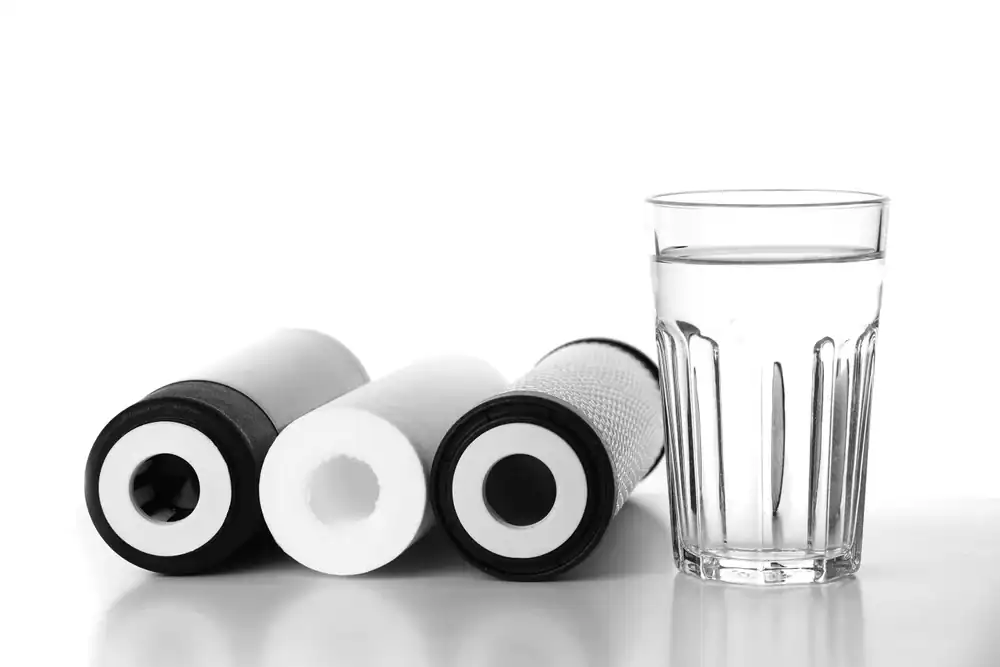
You shouldn’t have to explain the smell when someone turns on your tap. You shouldn’t be replacing appliances years early because of iron buildup. And you definitely shouldn’t wonder if your family’s drinking water is safe.
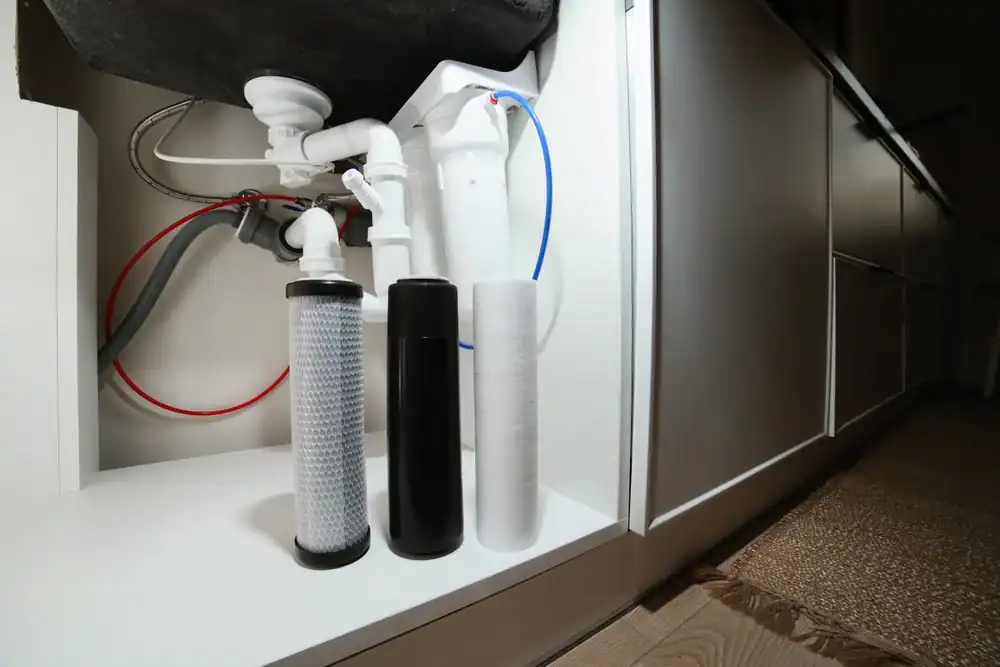
When your well water filtration system actually handles what’s in Romeo’s groundwater—iron, sulfur, bacteria—everything changes. Your fixtures stay white. Your laundry comes out clean, not stained. Your water heater lasts its full lifespan instead of failing halfway through.
The difference isn’t just cosmetic. It’s about not worrying every time someone fills a glass from your kitchen sink. It’s about confidence that what’s coming out of your well is genuinely safe, not just “good enough.” That’s what proper treatment does—it removes the problem at the source so you stop managing symptoms.
We’ve spent over five decades figuring out what actually works in Florida’s unique geology. We’re not a national company trying to apply the same system everywhere. We’re a state-wide team that understands why Romeo wells develop the specific problems they do—and how to fix them permanently.
We hold an A-rating with the Better Business Bureau with five stars and zero complaints. We’re members of the National Water Quality Association. We install the same systems in hospitals and health clinics that we’d put in your home. That’s not marketing language—it’s verifiable.
Romeo sits on the same limestone aquifer system that creates water challenges throughout Lake County. The iron, sulfur, and bacteria issues you’re dealing with aren’t random. They’re predictable based on local geology, and they require treatment methods that address Florida groundwater specifically. That’s what we do, and we’ve been doing it long enough to know what holds up and what doesn’t.
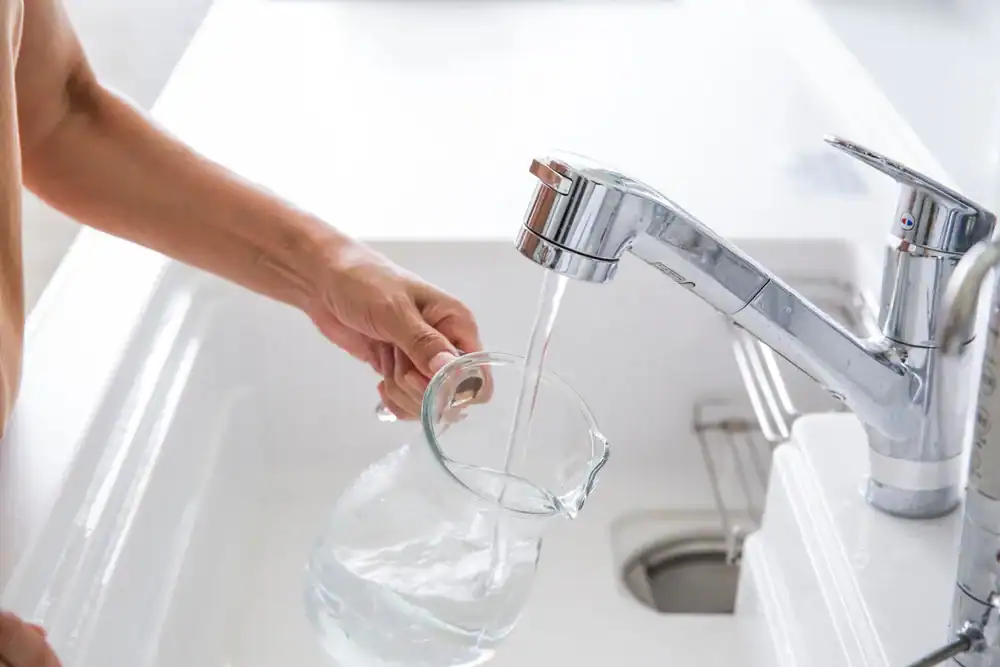
First, we test your water. Not a basic screening—a real analysis that tells us exactly what contaminants are present and at what levels. Iron, hydrogen sulfide, bacteria, manganese, pH—we need to know what we’re treating before we recommend a system.
Once we know what’s in your Romeo well water, we design a treatment approach. For most homes, that means hydrogen peroxide injection or air injection oxidation for iron and sulfur removal, combined with UV disinfection for bacteria. These aren’t off-the-shelf systems—they’re configured based on your water chemistry and household usage.
Installation typically takes a day. We set up the system at your point of entry so every tap in your house gets treated water. Then we test again to confirm the system is performing as designed. You’ll see the difference immediately—clear water, no smell, no staining. After that, maintenance is minimal. Most systems just need annual peroxide refills and occasional UV bulb replacement.
Ready to get started?
Your well water filtration system handles the three most common problems in Romeo groundwater: iron, hydrogen sulfide (that rotten egg smell), and bacteria. We use hydrogen peroxide injection or air injection oxidation depending on your contamination levels. Both methods oxidize iron and sulfur so they can be filtered out before reaching your taps.
For bacterial contamination, we add UV disinfection. The UV system kills 99.9% of harmful pathogens without adding chemicals to your water. It’s the same technology hospitals use, and it works continuously as long as water is flowing.
Romeo’s geology—thin sandy soil over porous limestone—means your aquifer recharges quickly but filters very little before water reaches your well. That’s why iron bacteria and sulfur-producing bacteria are so common here. The treatment systems we install are designed specifically for this type of groundwater. They’re not generic filters—they’re engineered to handle the mineral content and bacterial loads typical in Lake County wells.
You also get protection for your appliances. By removing iron before it reaches your water heater, dishwasher, and washing machine, you’re adding years to their lifespan. Iron buildup is one of the main reasons water heaters fail early in this area. Proper filtration prevents that.

If you’re seeing orange or brown stains on your sinks, toilets, or laundry, that’s iron. If your water smells like rotten eggs, that’s hydrogen sulfide gas. Both are clear signs you need treatment.
But some problems aren’t visible. Bacteria contamination doesn’t always have an odor or taste. That’s why the CDC and Florida Department of Health recommend testing private wells for coliform bacteria and nitrates at least once a year. If you haven’t tested your well recently, that’s your starting point.
Even if your water looks and smells fine, Romeo’s geology makes bacterial contamination more likely than in other parts of the country. The porous limestone and sandy soil don’t filter much before water reaches your aquifer. Testing is the only way to know for sure what’s in your water.
Both methods oxidize iron and sulfur so they can be filtered out, but they work differently. Hydrogen peroxide injection adds a measured amount of peroxide to your water. The peroxide releases oxygen, which oxidizes contaminants instantly. It’s extremely effective for high iron levels and strong sulfur odors, and it works the moment water passes through the system.
Air injection oxidation uses compressed air instead of chemicals. The system injects air into your water, and the oxygen in that air oxidizes iron and manganese. It’s a good option if you prefer a chemical-free approach, and it handles moderate contamination levels well.
Which one you need depends on your water test results. If you have severe iron or sulfur problems, hydrogen peroxide usually performs better. For moderate issues, air injection can be just as effective and requires less ongoing maintenance since you’re not buying peroxide. We recommend the method that actually matches your contamination levels—not the one that’s easier for us to install.
A standard iron or sulfur filter won’t remove bacteria. You need UV disinfection for that. UV systems use ultraviolet light to kill 99.9% of bacteria, viruses, and other pathogens as water flows through.
The UV light damages the DNA of microorganisms so they can’t reproduce or cause illness. It’s a proven method—the same technology used in hospitals and municipal water treatment plants. And it doesn’t add anything to your water. No chemicals, no taste, no residue.
For Romeo wells, we typically recommend UV disinfection as part of your whole-house system if your water test shows any bacterial contamination. Even if bacteria levels are low, UV provides continuous protection. It’s cheap insurance compared to the health risks of drinking contaminated water, and it works 24/7 as long as the bulb is functioning. Most UV bulbs last about a year before they need replacement.
Less than you’d think. Hydrogen peroxide systems need a peroxide refill once a year—that’s the main recurring cost. Air injection systems need even less since they don’t use chemicals. You’ll want to backwash the filter periodically, but most modern systems do that automatically.
UV systems require an annual bulb replacement. The bulbs don’t burn out like regular light bulbs—they just lose effectiveness over time. Replacing them once a year ensures your disinfection stays at 99.9%.
Beyond that, you should have your system inspected annually to make sure everything is calibrated correctly. We check injection rates, pressure levels, and filter condition. Most homeowners don’t need to do anything between service visits except maybe check the peroxide tank level if they have that type of system. These systems are designed to run in the background without constant attention. If you’re doing weekly maintenance, something’s wrong with the design.
Most whole-house installations take one day. We’re installing the system at your point of entry—where your well line enters your home—so all your water gets treated. That involves some plumbing work, mounting the equipment, and setting up the controls.
If you’re adding multiple treatment stages—say, iron removal plus sulfur treatment plus UV disinfection—it might take a bit longer. But you’re not looking at a multi-day project. We’re usually done and testing the system by the end of the day.
The bigger time factor is getting your water tested first. We need those results before we can design your system. Once we know what’s in your Romeo well water and what treatment approach makes sense, installation moves quickly. You’ll have clear, safe water flowing through your taps the same day we finish. No waiting period, no gradual improvement—the system works immediately once it’s running.
Please provide your email address so that we can stay in touch and answer any questions you have! We will be reaching back out shortly.
"*" indicates required fields