Reach Out Today
Please provide your email address so that we can stay in touch and answer any questions you have! We will be reaching back out shortly.

Hear from Our Customers
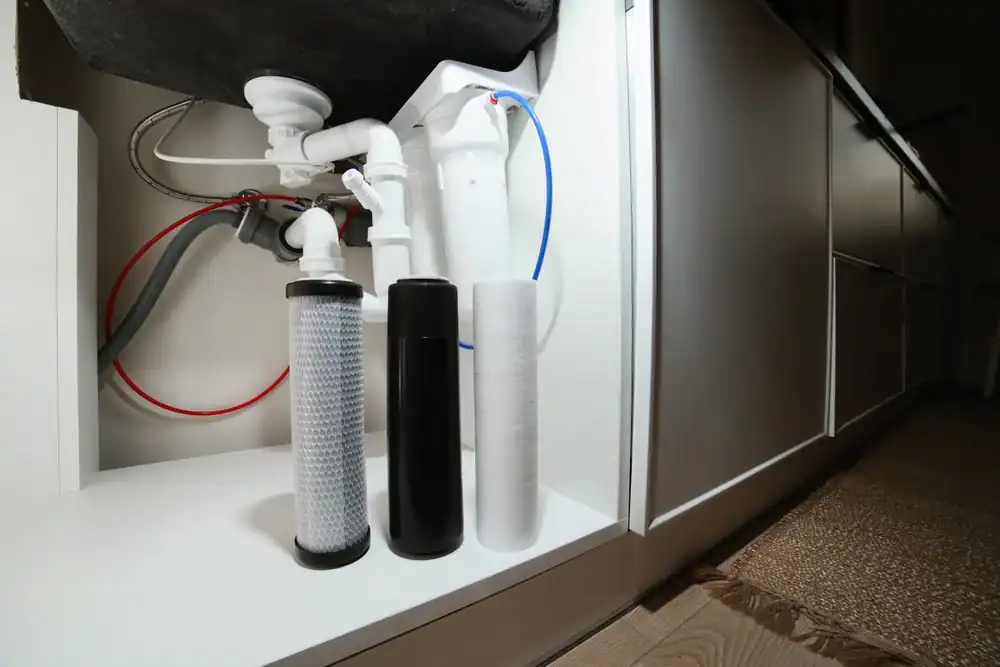
Your well water shouldn’t smell like rotten eggs when you turn on the shower. It shouldn’t leave rust stains on your sinks or make your coffee taste metallic. And you definitely shouldn’t wonder if it’s safe for your kids to drink.
Most Rainbow Park homes deal with high iron and hydrogen sulfide levels. That’s what causes the smell, the staining, and the bad taste. Standard filters can’t handle it because Florida well water needs more than basic carbon filtration.
The right system removes iron before it oxidizes. It treats hydrogen sulfide at the source using air injection oxidation or hydrogen peroxide injection, depending on your water chemistry. You get water that’s clear, odorless, and safe—without constantly replacing cartridges or dealing with equipment that wasn’t built for this climate.
Your appliances last longer. Your laundry stays brighter. And you stop buying bottled water because what comes out of your tap actually tastes clean.
We’ve been installing whole-house water filtration systems across Central Florida since the early 2000s. We’re not a national franchise that sells the same system to everyone. We’re a local company that tests your specific water and builds a system around what’s actually in it.
We hold an A+ rating with the Better Business Bureau with five stars and zero complaints. We’re members of the National Water Quality Association. And we’re licensed, insured, and involved with the Tunnels to Towers Foundation because we believe in serving the people who serve us.
Rainbow Park homeowners deal with well water issues that city water customers never see. We know that. We’ve treated thousands of wells in this area, and we know what works when iron counts are high, sulfur is present, or bacteria shows up in your annual test.
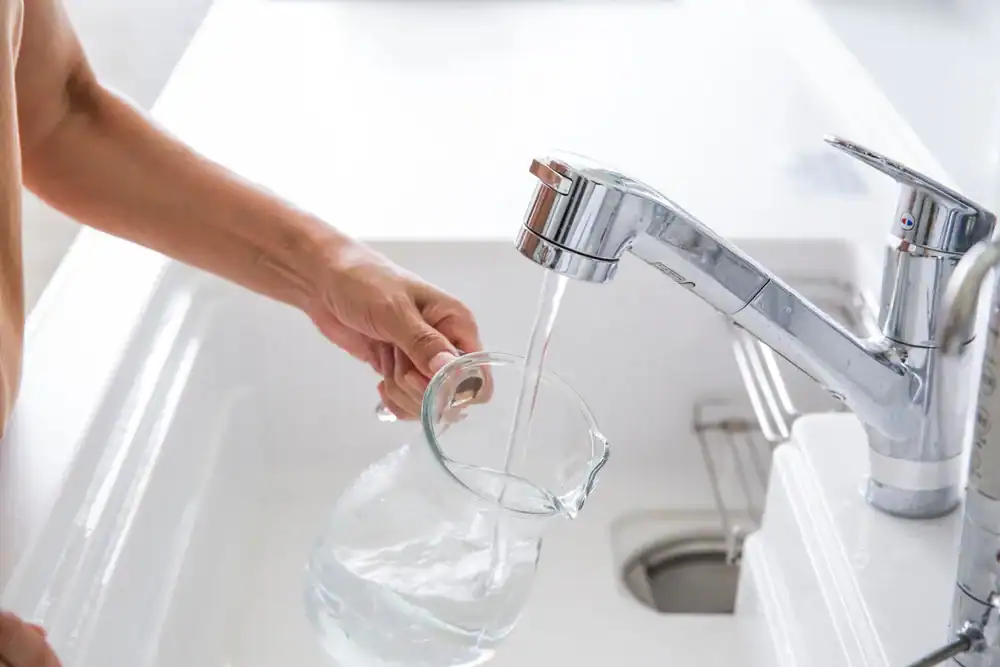
We start with free water testing. Not a basic hardness test—a full analysis that tells us what’s in your well and at what levels. Iron, sulfur, bacteria, pH, hardness, TDS. Everything that affects how your system should be designed.
Once we know what we’re dealing with, we recommend a system. That might include an air injection oxidation system for iron and sulfur, a whole-house carbon filter for taste and odor, or a UV disinfection unit for bacteria. If your water is hard, we’ll add a softener. If it’s acidic, we’ll address pH. The system gets built around your water—not a sales quota.
Installation typically takes a day. We connect everything to your main line so every faucet, shower, and appliance gets treated water. You don’t have to think about which tap is filtered and which isn’t.
After installation, we test again to make sure everything’s working. Then we set up a service schedule based on your system type. Some need a filter swap every six months. Others run for years with minimal maintenance. We’ll tell you exactly what to expect, and we’ll be there when it’s time.
Ready to get started?
Every well water filtration system we install is designed around your test results. You’re not getting a universal solution that works “pretty well” for most people. You’re getting a system that removes what’s actually in your water.
For high iron, we use air injection oxidation or hydrogen peroxide injection depending on iron levels and whether sulfur is also present. These systems oxidize dissolved iron so it can be filtered out before it stains your fixtures or builds up in your pipes.
For hydrogen sulfide, we treat it at the source. Sulfur doesn’t just smell bad—it’s corrosive. Treating it early protects your plumbing and your appliances. Most systems use aeration or peroxide injection, and both work when sized correctly.
If bacteria shows up in your test, we install a UV disinfection system. It kills bacteria, viruses, and other microorganisms without chemicals. The UV lamp sits inline after filtration, so nothing living makes it to your tap.
Rainbow Park sits in an area where well water chemistry varies from street to street. Your neighbor’s system might not be right for your water. That’s why testing first matters. We’ve seen wells half a mile apart with completely different contamination profiles, and treating them the same way doesn’t work.

If your water smells like sulfur, leaves rust stains, tastes metallic, or makes your skin feel dry, it needs treatment. Those are signs of hydrogen sulfide, iron, or high mineral content—all common in Rainbow Park wells.
But some contamination doesn’t have obvious symptoms. Bacteria, nitrates, and other health-related issues don’t always change how water looks or tastes. That’s why testing matters even if your water seems fine.
We offer free water testing that checks for iron, sulfur, hardness, pH, bacteria, and total dissolved solids. The test takes about a week to process, and it tells us exactly what’s in your well. From there, we can recommend a system that addresses your specific issues instead of guessing.
Both systems remove iron and sulfur, but they work differently. Air injection oxidation uses oxygen to convert dissolved iron and sulfur into particles that can be filtered out. It’s chemical-free and works well for moderate contamination levels.
Hydrogen peroxide injection is stronger. It’s better for wells with high iron or sulfur counts, or when both are present together. The peroxide oxidizes contaminants faster and more completely, which means better results when levels are stubborn.
Which one you need depends on your test results. If your iron is under 10 ppm and sulfur is low, air injection usually handles it. If levels are higher or you’ve tried other systems that didn’t work, peroxide injection is the better option. We’ll recommend the right approach after we see your water analysis.
Systems typically range from $1,290 to $9,990 depending on what your water needs. A basic carbon filter and softener sits at the lower end. A full setup with iron removal, sulfur treatment, UV disinfection, and softening sits at the higher end.
The cost depends on contamination levels, flow rate requirements, and how many treatment stages your water needs. A well with just hardness and chlorine taste is simple. A well with iron, sulfur, bacteria, and low pH requires more equipment.
We don’t sell one-size-fits-all systems, so pricing varies by home. After testing, we’ll give you an exact quote based on what your water actually needs—not what we want to sell. And if you’re military or a first responder, we take $500 off.
Yes, when it’s designed correctly. A properly sized system removes contaminants that affect safety and taste—iron, sulfur, bacteria, sediment, and chemicals. But the system has to match what’s in your water.
If bacteria is present, you need UV disinfection. Carbon filtration alone won’t kill microorganisms. If iron is high, you need oxidation and filtration before softening, or the iron will foul your softener resin. Sequence matters.
That’s why we test first. We’ve seen homeowners spend thousands on systems that don’t address their actual contamination. A softener won’t remove sulfur. A carbon filter won’t remove iron. You need the right equipment in the right order, and that only happens when someone tests your water and knows how to read the results.
It depends on the system type. Carbon filters need replacement every six to twelve months depending on usage and contamination levels. UV lamps need annual replacement to stay effective. Softeners need salt refills and occasional resin cleaning.
Iron and sulfur systems need less frequent maintenance. Air injection systems might need a media change every few years. Peroxide injection systems need peroxide refills, but the frequency depends on how much water you use and your contamination levels.
We set up a maintenance schedule after installation based on your specific equipment. Most homeowners spend less than $200 a year on upkeep, and we handle everything—filter swaps, lamp replacements, valve adjustments. You’re not troubleshooting this yourself. We service what we sell, and we’ve been doing it for over 20 years in Florida.
Please provide your email address so that we can stay in touch and answer any questions you have! We will be reaching back out shortly.
"*" indicates required fields