Reach Out Today
Please provide your email address so that we can stay in touch and answer any questions you have! We will be reaching back out shortly.

Hear from Our Customers
You already know what bad well water costs you. Orange stains on everything white. That rotten egg smell when someone turns on the shower. Appliances that quit years before they should. Guests who notice but don’t say anything.
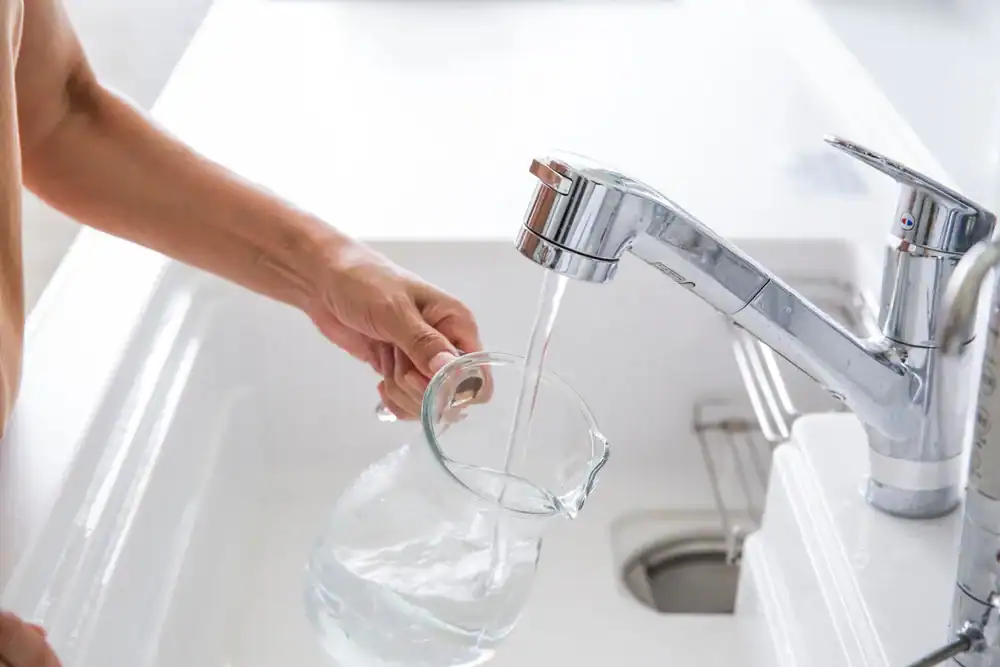
Here’s what changes when your water actually gets treated right. Your fixtures stay white. Your laundry comes out clean the first time. The sulfur smell disappears completely, not just most of the time. Your water heater lasts its full lifespan instead of dying early from sediment and corrosion.
The difference shows up immediately. No more scrubbing iron stains that won’t budge. No more running water before guests arrive hoping it won’t smell. No more wondering if your family’s drinking water is actually safe. You get water that works the way it should, in every faucet, every day.
We’ve spent over five decades figuring out what actually works for Florida well water. Not what works in theory or in other states, but what holds up against the iron bacteria, hydrogen sulfide, and limestone contamination that’s specific to our groundwater here.
We’re A-rated with the Better Business Bureau and members of the National Water Quality Association. Those aren’t just badges. They mean we follow the standards that matter and stay current on emerging contaminants like PFAS that are showing up in Florida wells.
Princeton and Silver Star homeowners deal with some of the most challenging well water in the state. The limestone geology here creates perfect conditions for sulfur bacteria. The sandy soil lets surface contaminants reach your water table faster. You need a company that knows how to test for what’s actually in your water and design systems that address your specific problems, not just sell you a one-size-fits-all setup.
We start with comprehensive water testing because you can’t fix what you haven’t measured. Your water gets analyzed for iron content, sulfur compounds, bacteria, hardness, pH, and other contaminants common to Princeton/Silver Star wells. This tells us exactly what you’re dealing with, not what we assume.
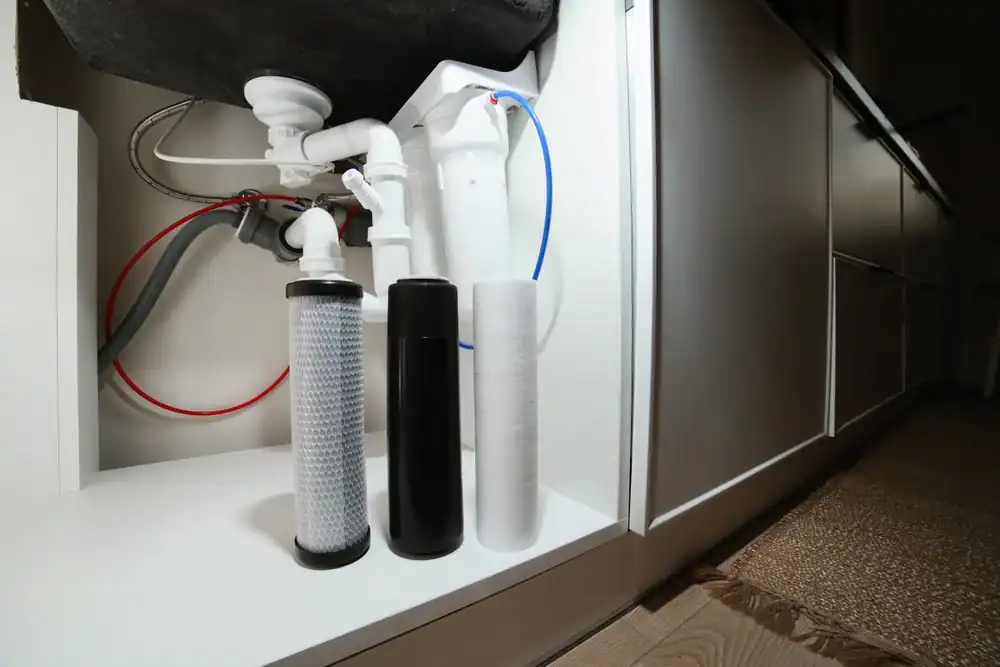
Based on your test results, we design a multi-stage treatment system. If you have iron, we use air injection oxidation or hydrogen peroxide injection to convert dissolved iron into particles that filters can catch. For hydrogen sulfide that causes sulfur smells, we use chemical-free oxidation methods that eliminate the source. Bacteria gets handled with UV disinfection systems that kill microorganisms without adding chemicals to your water.
Our employee-owned technicians install everything at your home’s water entry point. That means every faucet, shower, washing machine, and appliance gets treated water from day one. You’ll see the difference immediately. Clear water. No smell. No stains. The system runs with minimal maintenance, and you’re not constantly buying salt or chemicals to keep it working.
Ready to get started?
Your well water filtration system gets built around what your water test shows. Most Princeton/Silver Star homes need a combination approach because Florida well water rarely has just one problem.
Iron removal systems use either air injection oxidation or hydrogen peroxide injection depending on your iron levels and water chemistry. Both methods work without adding chemicals that you’d need to keep buying. The oxidation converts dissolved iron into rust particles that get trapped in a filter tank before water reaches your home. You stop getting orange stains on toilets, sinks, and laundry. Your appliances stop building up iron sediment that kills them early.
Hydrogen sulfide treatment eliminates sulfur bacteria that create that rotten egg smell. We use oxidation methods that destroy the bacteria and remove the sulfur compounds they produce. The smell doesn’t just get masked or reduced. It’s gone.
Well water bacteria disinfection happens through UV light systems. Water passes through a chamber where UV light kills coliform bacteria, E. coli, and other microorganisms. No chlorine. No chemicals. Just reliable disinfection that protects your family from waterborne illness.
Water softening addresses the hard water that’s common in our limestone-heavy geology. This protects your plumbing, prevents scale buildup, and makes your soap and detergent actually work. You’ll use less cleaning products and your fixtures will stay cleaner longer.

Start with what you can see, smell, and experience daily. Orange or brown staining on fixtures, in toilet bowls, or on laundry means you have iron in your water. A rotten egg smell, especially when water sits unused for a while, indicates hydrogen sulfide from sulfur bacteria. Scale buildup on faucets and inside appliances points to hard water. Cloudy or murky water suggests sediment or bacteria.
But some of the most dangerous contaminants have no warning signs. Coliform bacteria and E. coli don’t change how your water looks, tastes, or smells. Neither do many chemical contaminants. That’s why professional water testing matters more than just going by symptoms.
Florida well water faces unique challenges. Our limestone geology creates sulfur problems. Our sandy soil lets surface contaminants reach groundwater faster. Aging septic systems in Princeton/Silver Star can affect nearby wells. Even if your water looks fine, testing shows what’s actually there and whether it’s safe for your family to drink.
Both methods oxidize dissolved iron so filters can remove it, but they work differently and fit different situations. Air injection oxidation pulls oxygen into your water, which reacts with dissolved iron and converts it to rust particles. It’s chemical-free, cost-effective to operate, and handles moderate iron levels well. The system needs periodic backwashing to clean the filter media, but there’s nothing to refill or buy.
Hydrogen peroxide injection works better for higher iron levels or when you also have sulfur bacteria. The peroxide is a stronger oxidizer than air alone. It kills iron bacteria that can build up in your well and plumbing, and it eliminates hydrogen sulfide at the same time. You do need to refill the peroxide periodically, but it’s still more economical than dealing with iron damage to your appliances and plumbing.
Your water test results determine which method fits your situation. Iron levels, pH, the presence of bacteria, and whether you have sulfur problems all factor into the decision. There’s no universal best choice. There’s only what works for your specific water chemistry.
No, and trying to use a softener for iron removal is one of the most common mistakes homeowners make. Water softeners are designed to remove hardness minerals like calcium and magnesium through ion exchange. They’re not built to handle iron, and forcing them to try will damage the resin bed and void your warranty.
Iron needs to be oxidized and filtered out before water reaches your softener. Same with hydrogen sulfide. If you run water with iron or sulfur through a softener, you’ll foul the resin, create buildup in the tank, and end up with a system that doesn’t soften water anymore. You’ll also still have the iron stains and sulfur smell because the softener never removed them in the first place.
The right approach uses a multi-stage system. Iron removal and sulfur treatment happen first. Then water softening. Then bacteria disinfection if needed. Each stage handles what it’s actually designed for. This protects your equipment, gives you better results, and costs less long-term than replacing softeners that were never meant to deal with iron and sulfur.
Less than you’d expect, especially compared to constantly dealing with iron stains and sulfur smells. Most systems need attention once or twice a year, not weekly or monthly. What you actually do depends on which components your system includes.
Air injection oxidation systems backwash automatically to clean the filter media. You don’t touch anything. The system handles it based on water usage or a timer. Every year or two, the filter media might need replacement depending on your iron levels and water volume. Hydrogen peroxide systems need the peroxide tank refilled every few months, which takes about ten minutes. UV disinfection systems need the bulb replaced annually, similar to changing a light bulb.
Water softeners need salt added when the brine tank runs low. How often depends on your water hardness and how much water your household uses. Most homes add salt every four to eight weeks. The system does everything else automatically.
Compare that to what you’re doing now. Scrubbing iron stains constantly. Buying rust removers and cleaning products. Replacing appliances early. Worrying about whether your water is safe. A properly designed system eliminates all of that and runs with minimal attention.
You can, but whether you should depends on your plumbing experience and what your water test shows you need. A basic sediment filter is straightforward. A whole-house system with oxidation, filtration, softening, and UV disinfection is a different story.
These systems need correct sizing for your home’s water flow rate. They need proper drainage for backwash cycles. They need electrical connections for UV systems and control valves. They need to be installed in the right sequence or they won’t work correctly. Iron removal before softening. Filtration before UV. Each stage in the right order.
The bigger issue is the water testing and system design. Hardware store systems are generic. They’re not designed for your specific water chemistry. Florida well water is particularly challenging because you’re often dealing with multiple problems at once. Iron and sulfur together. Bacteria and hardness. High pH that affects how treatment methods work. Getting the wrong system or the wrong size means you spent money and still have water problems.
Professional installation includes water testing, system design based on your results, proper sizing, correct sequencing, and warranty coverage. If something doesn’t work right, you have someone to call who knows the system and how it should perform. That matters more than saving a few hundred dollars on installation.
Please provide your email address so that we can stay in touch and answer any questions you have! We will be reaching back out shortly.
"*" indicates required fields