Reach Out Today
Please provide your email address so that we can stay in touch and answer any questions you have! We will be reaching back out shortly.

Hear from Our Customers
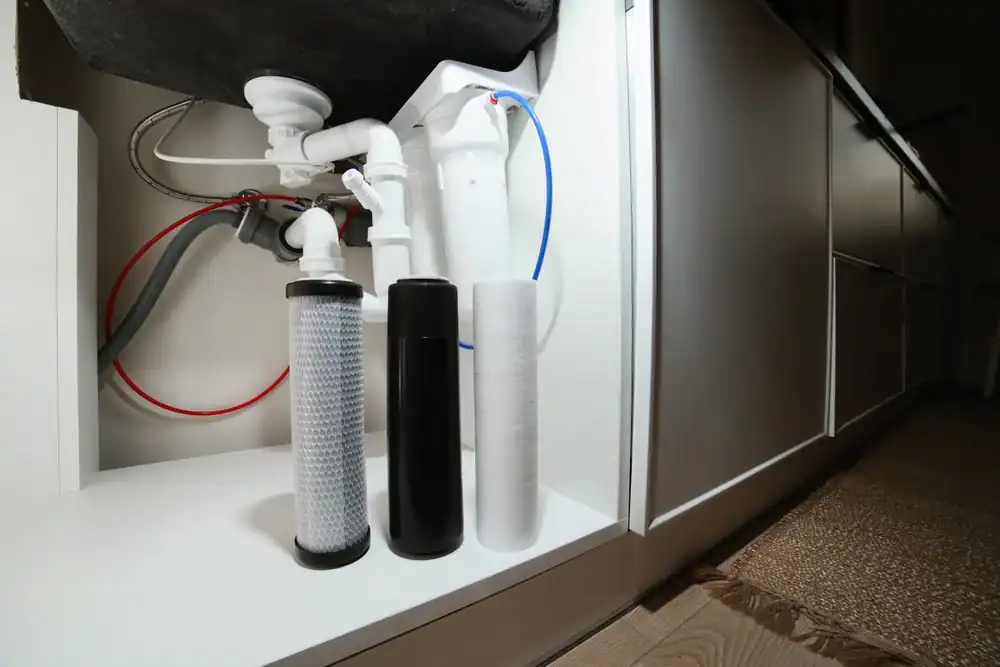
You shouldn’t have to explain the rotten egg smell when someone turns on your tap. You shouldn’t be scrubbing orange stains off your toilets twice a week or replacing your water heater years earlier than expected.
When your well water filtration system is designed correctly for Plymouth’s specific water problems, your water comes out clear. It doesn’t stain your fixtures or ruin your laundry. It doesn’t smell like sulfur or leave that metallic taste in your coffee.
Your appliances last longer because they’re not fighting iron bacteria and mineral buildup every day. Your plumbing doesn’t corrode at the joints. Your family drinks water without wondering what’s actually in it.
That’s what properly treated well water looks like. And in Plymouth, where our limestone geology and sandy soils create unique contamination challenges, getting there takes more than a basic filter from the hardware store.
We don’t do plumbing. We don’t install water heaters. We focus entirely on whole-house water purification systems because that’s where we can deliver the most value to Plymouth homeowners dealing with well water issues.
We’re A-rated with the Better Business Bureau with a 5-star rating and zero complaints. We’re members of the National Water Quality Association. We design custom systems based on your actual water test results and your family’s usage, not a one-size-fits-all approach.
Plymouth families deal with iron, sulfur, and bacteria more than most because of our local geology. We’ve built our reputation on solving those exact problems with systems that keep working long after installation. That’s why we offer ongoing support, not just a one-time sale.
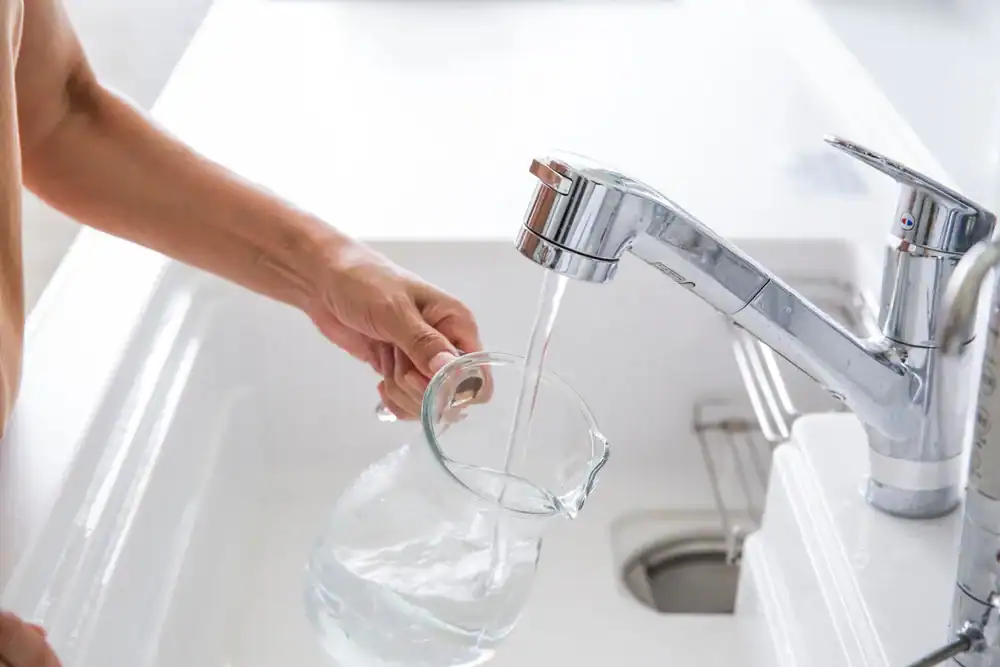
First, we test your water. Not a basic hardness test, but a comprehensive analysis that identifies exactly what’s in your well water. Iron levels, sulfur content, bacteria presence, pH balance, and any other contaminants specific to your property.
Once we know what we’re dealing with, we design a system that addresses your specific issues. If you’ve got iron and sulfur, we might recommend an air injection oxidation system that converts dissolved contaminants into particles we can filter out. If bacteria is the main concern, we’ll likely suggest hydrogen peroxide injection or UV disinfection as part of a multi-stage approach.
Then we install the system at your home. This isn’t a DIY project. Proper installation means correct sizing, right placement, and integration with your existing well system. We make sure everything works before we leave.
After installation, you’ve got support. We’re not the kind of company that disappears once the check clears. Your system needs occasional maintenance, and we’re here when you need us.
Ready to get started?
Plymouth well water typically needs iron removal, hydrogen sulfide treatment, and bacteria disinfection. Sometimes all three. Our whole-house systems handle that complexity with multi-stage treatment designed specifically for Central Florida’s water conditions.
For iron problems, we use oxidation methods that convert clear water iron into rust particles before it ever reaches your fixtures. That stops the staining before it starts. For sulfur and that rotten egg smell, we treat the hydrogen sulfide gas at the source with either aeration or chemical oxidation, depending on your levels.
Bacteria is trickier because iron bacteria creates slime that clogs your entire well system if left untreated. We address this with hydrogen peroxide injection or UV sterilization, depending on your water chemistry. These aren’t generic solutions. They’re matched to your test results.
Florida’s geology makes our water different. Our limestone contains sulfur deposits. Our sandy soils don’t filter much before water reaches the aquifer. Our warm groundwater feeds bacteria growth faster than in northern states. That’s why systems designed for other regions often fail here. We account for those local factors in every installation.

If you’re seeing orange or brown stains on your sinks, toilets, or laundry, that’s iron. If your water smells like rotten eggs, that’s hydrogen sulfide gas from sulfur. If you’ve got slimy buildup in your toilet tanks or your well yield has decreased without explanation, that’s likely iron bacteria.
The Florida Department of Health recommends testing well water annually for coliform bacteria and nitrates, with lead testing every three years. But if you’re noticing any of those signs, don’t wait for your annual test. Those problems get worse over time, not better.
Most Plymouth homeowners don’t realize their water has issues until they see the damage. By then, you’re already dealing with corroded pipes, stained fixtures, and appliances that won’t last as long as they should. Testing is cheap compared to replacing a water heater or rewashing every load of laundry.
A water softener removes hardness, which is calcium and magnesium. That helps with soap scum and scale buildup, but it doesn’t remove iron, sulfur, or bacteria. If your well water smells bad or stains your fixtures, a softener alone won’t fix it.
Well water filtration systems in Plymouth typically need to address multiple issues at once. You might need iron removal, sulfur treatment, and bacteria disinfection in addition to softening. That requires a multi-stage system where each stage handles a specific contaminant.
The most effective approach for Florida well water is oxidation first, then filtration, then softening if needed. The oxidation stage converts dissolved iron and manganese into solid particles. The filtration stage removes those particles. The softening stage handles hardness. Trying to soften water that still has iron in it just creates more problems.
For well water with multiple issues like iron, sulfur, and bacteria, expect to invest between $3,000 and $6,000 for a properly designed system. That’s not overpriced. It reflects the actual complexity of treating Florida well water correctly.
Budget systems under $1,500 usually can’t handle the combination of problems Plymouth homeowners face. They might address one issue but ignore the others. Or they’re undersized and fail within a year or two. Then you’re back to square one, except now you’ve wasted money on a system that didn’t work.
The real cost comparison isn’t between a cheap system and a quality system. It’s between a quality system and the ongoing expense of damaged appliances, corroded plumbing, and constant cleaning. A water heater replacement costs $1,200 to $2,000. A washing machine is $600 to $1,500. Proper filtration prevents those expenses while also giving you water that’s actually safe to drink.
You can buy the components yourself, but installation is where most DIY projects fail. Well water systems need to be sized correctly based on your flow rate, pressure, and specific contaminants. Get any of those wrong and the system either won’t work or will fail prematurely.
Professional installation also means proper placement. The system needs to go after your pressure tank but before any branch lines. It needs adequate drainage. It needs electrical connections for any injection pumps or UV units. And it needs to integrate with your existing well setup without creating pressure drops or flow restrictions.
The bigger issue is diagnosis. Without professional water testing and analysis, you’re guessing at what your water needs. You might install an iron filter when you actually need bacteria treatment first. Or you might size the system for moderate iron levels when you actually have severe contamination. We’ve replaced plenty of DIY systems that addressed the wrong problem or were never going to work in the first place.
Most systems need basic maintenance every 6 to 12 months, depending on your water quality and usage. That typically means checking and cleaning the media tanks, inspecting injection systems if you have them, and replacing any filters or UV bulbs.
Iron and sulfur systems using oxidation need their media checked periodically. The media doesn’t last forever. Depending on your iron levels, you might need to replace or regenerate it every few years. Hydrogen peroxide injection systems need the peroxide tank refilled, usually every few months for an average household.
Bacteria treatment adds another layer. If you’re using UV disinfection, the bulb needs annual replacement even if it still lights up. UV output decreases over time, and after a year it’s not killing bacteria effectively anymore. Hydrogen peroxide systems need concentration checks to make sure they’re still dosing correctly.
The maintenance isn’t complicated, but it’s not optional either. A system that’s not maintained stops working. Then you’re back to stained fixtures and contaminated water, except now you’ve also got a filtration system that’s not doing its job. We provide ongoing support to keep your system running the way it should.
Please provide your email address so that we can stay in touch and answer any questions you have! We will be reaching back out shortly.
"*" indicates required fields