Reach Out Today
Please provide your email address so that we can stay in touch and answer any questions you have! We will be reaching back out shortly.

Hear from Our Customers
The orange ring around your toilet bowl isn’t a cleaning problem — it’s an iron problem. The rotten egg smell that gets worse every summer isn’t a fluke — it’s hydrogen sulfide, and Florida’s warm groundwater temperatures make it more intense the hotter it gets. These aren’t cosmetic nuisances. Left untreated, iron and mineral-heavy water quietly destroys water heaters, clogs appliance lines, and stains tile and laundry that no amount of scrubbing fully fixes.
Pine Hills adds another layer to this. Your home sits within the Little Wekiva Watershed, and Orange County has documented that aging septic systems in this community have been leaching into the groundwater beneath it. If your home is on a private well, nobody is testing your water for you. The Florida Department of Health does not proactively monitor private wells. That responsibility falls entirely on you.
When you have a properly designed whole-house system in place, every tap in your home delivers treated water. Your appliances last longer. Your laundry comes out cleaner. The smell is gone. And you’re not buying cases of bottled water every week to avoid drinking what comes out of the faucet. That’s what a real fix looks like — not a single filter under the sink, but a system that handles everything from the moment water enters your home.
We’ve been solving Florida water problems for over 50 years. Not generic water problems — Florida-specific ones. The Floridan Aquifer. The sulfur. The iron. The bacterial concerns that come with warm groundwater and aging infrastructure in communities like Pine Hills, where homes in Robinswood and Pine Ridge Estates have been standing since 1953.
Every system starts with a free water analysis — an actual test, not a sales demo designed to scare you into buying. The results tell you exactly what’s in your well, and we design the system around those results. That’s how it should work.
We hold an A+ BBB rating with five stars and zero complaints, and we’re members of the National Water Quality Association — a voluntary credential that requires passing a comprehensive exam and committing to a published code of ethics. In an industry where the Florida Attorney General has shut down predatory water filter companies for false health claims, that record matters. It’s public. You can look it up.
It starts with the free water analysis. A technician comes to your Pine Hills home and tests your well water for the contaminants that are most common in Orange County wells — iron, manganese, hydrogen sulfide, hardness, and bacterial presence. You get real results, not a dye-drop demonstration. If your water is fine, you’ll hear that. If it needs treatment, you’ll see exactly what it needs and why.
From there, we design a system specifically for your water chemistry and your household’s daily usage. Not a one-size-fits-all box. A whole-house system sized to what your well actually contains and what your family actually uses. Because Pine Hills is an unincorporated community in Orange County — not a city — the relevant oversight for well water runs through the Florida Department of Health in Orange County and the St. Johns River Water Management District. We operate fully licensed and insured, and every installation meets those requirements without you having to navigate the paperwork yourself.
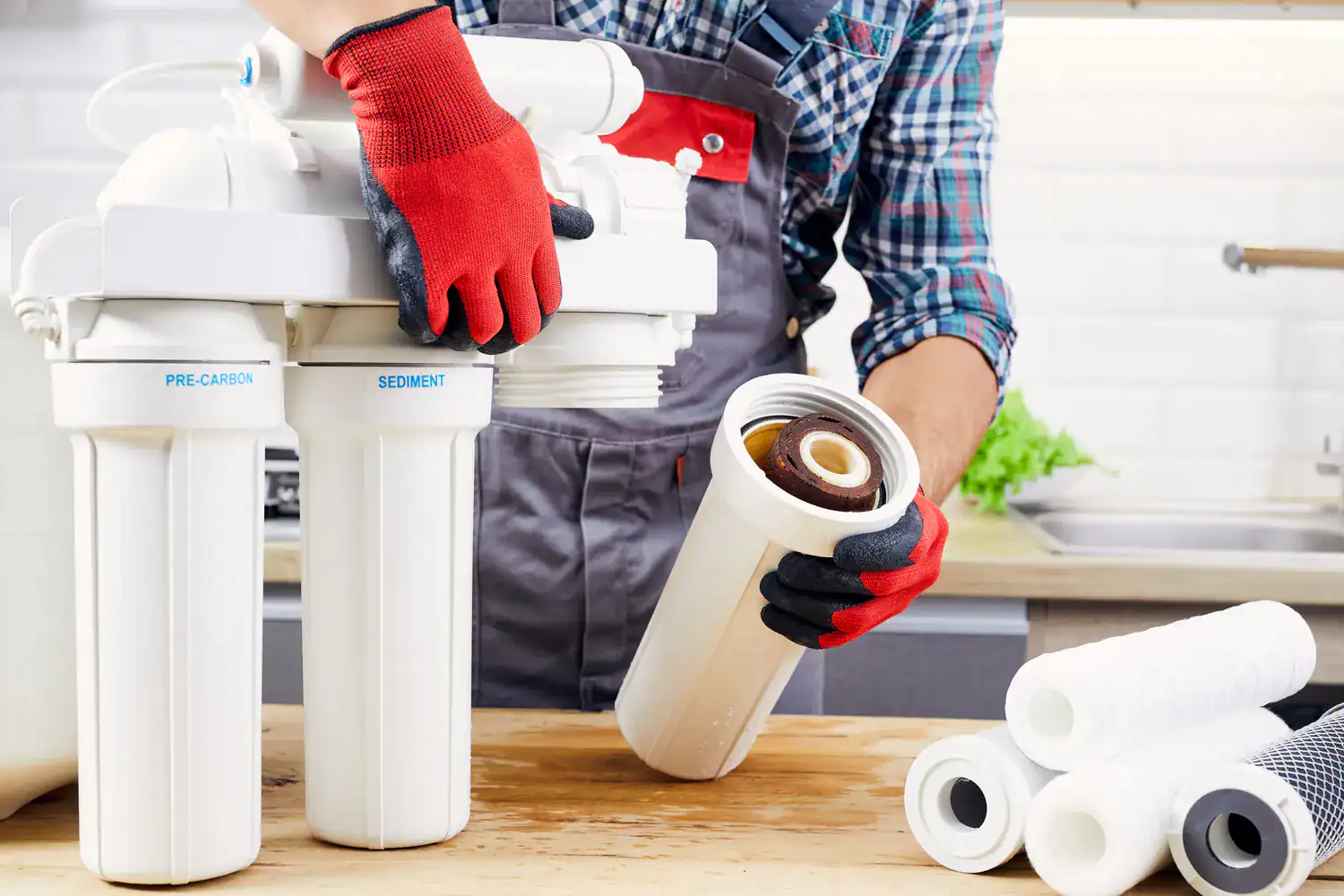
Installation happens in a single day. The system goes in at the point of entry — meaning every tap, every shower, every appliance in your home gets treated water from that point forward. By the time the technician leaves, your water is already different. No multi-day disruption, no waiting on a follow-up crew, no calling a national dispatch center to find out when someone might show up.
Ready to get started?
Orange County well water — especially in older Pine Hills subdivisions like Silver Pines, Clarion Oaks, and Malibu Groves — commonly tests positive for multiple contaminants at once. Iron that stains everything orange. Manganese that leaves dark, almost black marks on fixtures. Hydrogen sulfide that smells like rotten eggs and intensifies in summer. Hardness from dissolved calcium and magnesium that scales up appliances and reduces water heater efficiency. And in areas near the Little Wekiva Watershed, bacterial contamination is a documented concern.
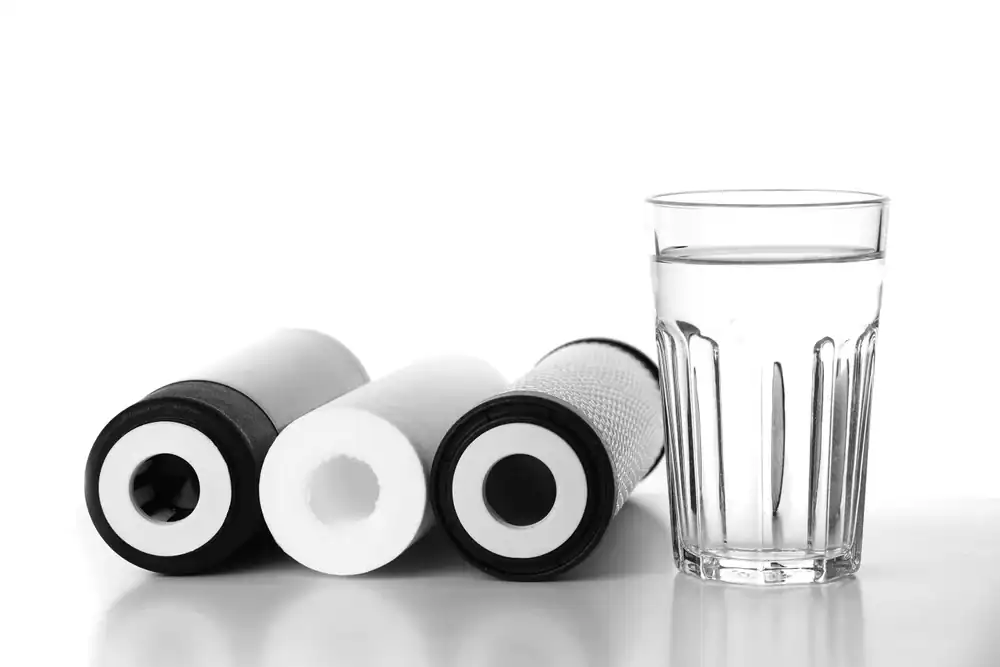
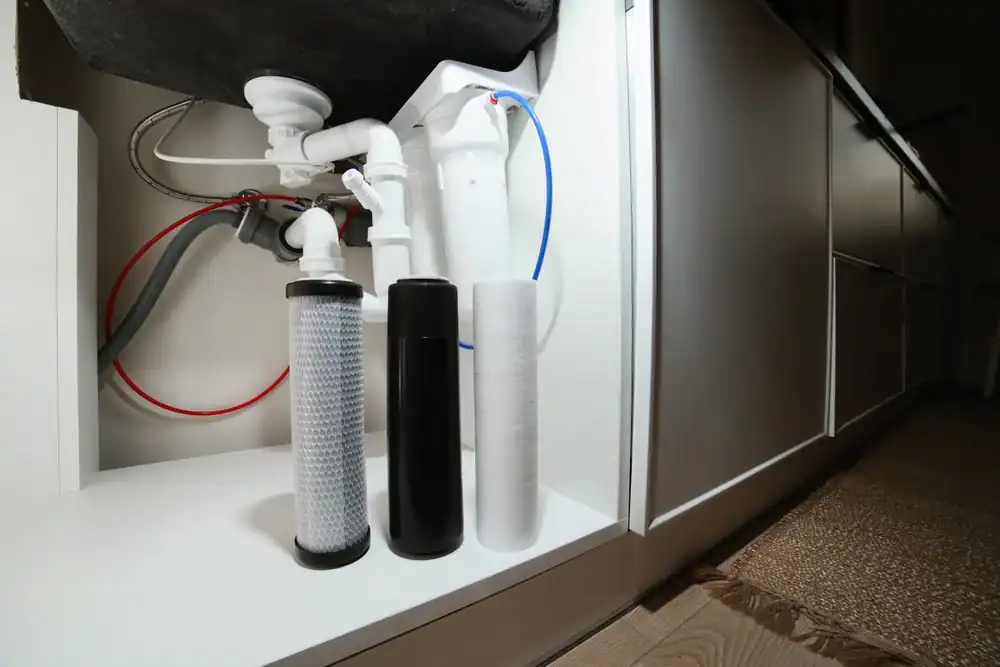
A whole-house well water purification system from us is a multi-stage solution built to address all of it in one integrated system. Iron removal, sulfur treatment, bacterial filtration, manganese reduction, and hardness control — handled at the point of entry so the treated water reaches every part of your home. The system is custom-designed after your water test, which means you’re not paying for stages you don’t need or missing treatment for something your water actually has.
If you’re active military, a veteran, a firefighter, a police officer, or an EMT, we apply a $500 discount to your system. Pine Hills has deep roots in service — this community was literally built by defense workers at Martin Marietta. That discount is a straightforward acknowledgment of that, not a footnote buried in the fine print.

It depends on what’s in your specific well — and the only way to know that is to test it. What we can tell you is that Orange County well water drawn from the Floridan Aquifer consistently shows elevated iron, hardness, and hydrogen sulfide levels. That’s a geology issue, not a fluke. The limestone that makes the Floridan Aquifer so productive also dissolves minerals into the water before it reaches your tap.
Pine Hills adds a layer that most other parts of Orange County don’t have: documented groundwater contamination risk tied to aging septic systems within the Little Wekiva Watershed. Orange County received grant funding specifically to address this because the environmental risk is real and acknowledged. If your home is on a private well in Pine Hills, the Florida Department of Health is not testing your water for you — that responsibility is yours. A free water analysis is the starting point. You get actual data, and then you decide.
That smell is hydrogen sulfide — a naturally occurring gas that forms in groundwater when sulfur-reducing bacteria interact with organic material in the aquifer. It’s extremely common in Florida wells, and it’s more noticeable in warm weather because higher water temperatures allow more of the gas to escape when you run a tap or shower. If you’ve noticed the smell getting worse in summer, that’s exactly why.
The good news is that hydrogen sulfide is one of the more straightforward contaminants to address with the right treatment stage. You need a system with an oxidation or aeration stage specifically designed for sulfur removal. We test your water first to confirm the sulfur level and then design the treatment around what’s actually there. After installation, the smell is gone — not masked, not reduced. Gone.
That’s iron. When well water with dissolved iron is exposed to air — which happens the moment it comes out of your tap — the iron oxidizes and leaves behind that rust-colored staining on everything it touches. Toilets, sinks, tub surrounds, white laundry, even grout lines. It’s not a plumbing failure and it’s not something you can clean your way out of permanently. The staining comes back as long as the iron is in the water.
Iron is one of the most common contaminants in Orange County well water, and homes in older Pine Hills subdivisions — many with well infrastructure dating back to the 1950s and ’60s — tend to see it more severely because aging well casings can allow more surface contact and sediment infiltration over time. A whole-house iron removal system addresses it at the point of entry, before the water ever reaches your fixtures. Once it’s treated, the staining stops — and existing stains can often be cleaned away for good.
A comprehensive whole-house well water filtration system — one that handles iron, sulfur, manganese, bacteria, and hardness in a single integrated solution — typically falls in the range of $5,000 to $10,000 installed, depending on what your water test shows and the size of your household. That range reflects a real system designed around your specific water chemistry, not a retail filter purchased off a shelf.
It’s worth framing that number against what untreated well water actually costs you over time. A water heater that scales up from hard water and fails early. A washing machine that runs iron-stained water through every cycle. Bottled water purchases that add up to hundreds of dollars a year for a family. Tile and fixture staining that requires professional remediation. A properly designed filtration system pays back in appliance longevity and avoided damage — and in Pine Hills, where homeownership rates are high and many families have been in their homes for decades, protecting that investment has real financial weight. The free water analysis is the no-cost first step. You get the data before you spend anything.
Bacterial contamination in private wells is a real risk in Pine Hills, and it’s more documented here than in most other parts of Orange County. The reason is the Little Wekiva Watershed. Pine Hills sits within this protected watershed, and Orange County has publicly acknowledged that aging septic systems in the community have been leaching into the groundwater. Septic leachate can introduce coliform bacteria and other biological contaminants into shallow groundwater — which can reach nearby private wells, particularly after heavy rain events during Central Florida’s June through September rainy season.
This doesn’t mean every Pine Hills well has bacteria — it means the risk is elevated enough that testing is important, not optional. A UV purification stage is the standard treatment for bacterial contamination in residential well water. It’s effective, chemical-free, and integrates cleanly into a whole-house system. We test for bacterial presence as part of the free water analysis, so you know exactly what you’re dealing with before any treatment decision is made.
Please provide your email address so that we can stay in touch and answer any questions you have! We will be reaching back out shortly.
"*" indicates required fields