Reach Out Today
Please provide your email address so that we can stay in touch and answer any questions you have! We will be reaching back out shortly.

Hear from Our Customers
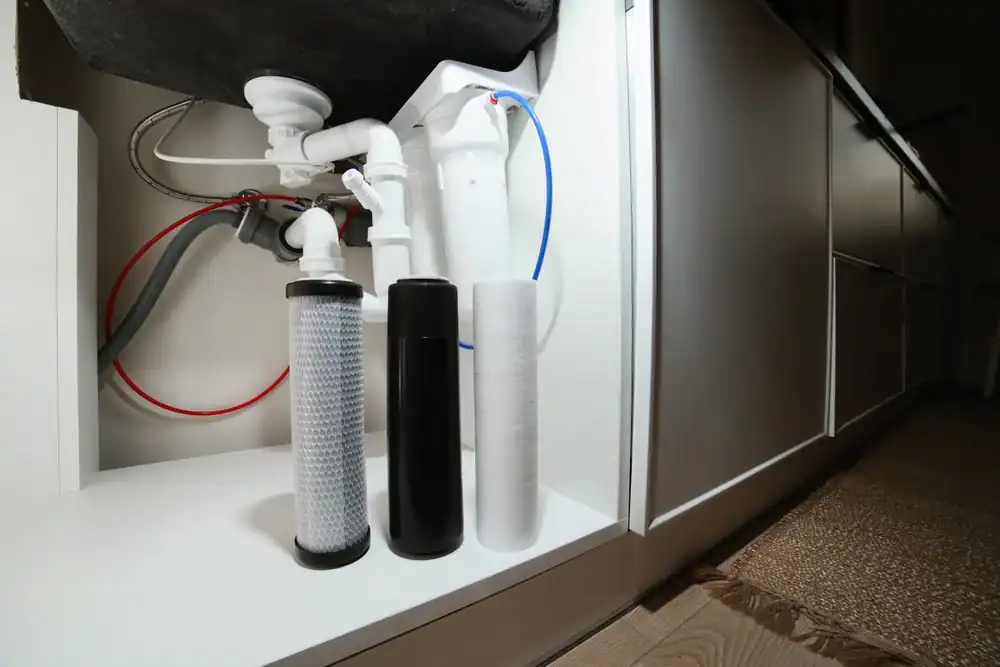
Your water shouldn’t smell like rotten eggs when you turn on the shower. It shouldn’t leave orange stains in your toilets or make your coffee taste metallic. And you definitely shouldn’t worry about what’s in it every time your kids fill a glass from the tap.
Most well water in Ortega Forest has iron, sulfur, or bacteria—sometimes all three. That’s not a failure of your well. It’s geology. Florida’s limestone and iron-rich soil mean these contaminants are the norm, not the exception.
A proper well water filtration system removes what’s actually in your water. Not what might be there. Not what a national company assumes is there. What testing shows is there. That means iron removal systems for the rust stains, hydrogen sulfide treatment for the sulfur smell, and UV disinfection if bacteria shows up in your test results. The result is water that doesn’t smell, doesn’t stain, and doesn’t make you second-guess whether it’s safe.
We specialize in whole-house water filtration for well water—the kind of systems that handle real contamination, not just improve taste. We’re members of the National Water Quality Association and maintain an A-rating with the Better Business Bureau with zero complaints.
We don’t subcontract installations. Every technician who comes to your home in Ortega Forest, FL is our employee—background-checked, drug-tested, and trained on the specific water issues common to Northeast Florida. That matters because well water here isn’t like well water in Georgia or the Carolinas. The limestone deposits, the iron-rich soil, the shallow water table near the St. Johns River—it all affects what ends up in your water.
We also support the Tunnels to Towers Foundation and offer a $500 discount to military members and first responders, because some things matter more than profit margins.
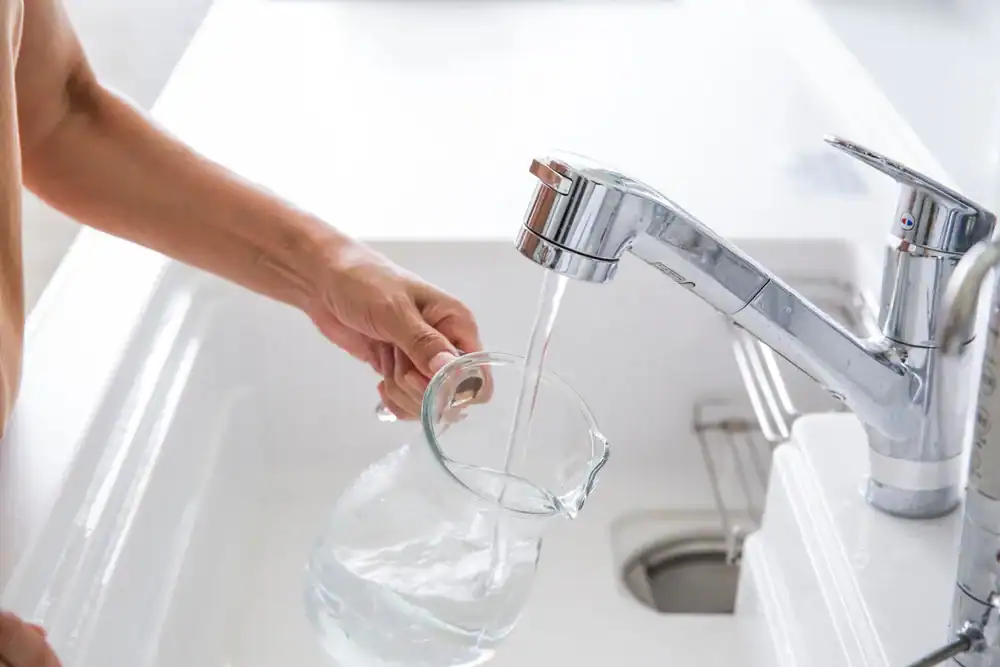
We start with water testing—not assumptions. A basic test covers iron, sulfur, bacteria, pH, hardness, and nitrates. If your water has specific issues or you’re near agricultural areas, we can test for more. The results tell us exactly what system you need.
Once we know what’s in your water, we design a system around it. High iron gets an air injection oxidation system or hydrogen peroxide injection depending on levels and pH. Hydrogen sulfide gets targeted with oxidation that converts the gas to solid sulfur particles, which then get filtered out. Bacteria gets handled with UV light disinfection after filtration. If you have hard water on top of contamination, we add softening. Every system is whole-house, meaning every faucet, every shower, every appliance gets treated water.
Installation takes a day in most cases. We install the system on your main water line after the pressure tank, so all the water entering your home gets filtered before it reaches any fixture or appliance. You’ll see the difference immediately—no more odor, no more stains, no more metallic taste. We walk you through maintenance before we leave, which is minimal for most systems. Filter changes once or twice a year. That’s it.
Ready to get started?
Iron shows up in two forms—dissolved and particulate. Dissolved iron makes your water clear coming out of the tap, then turns orange when it hits air. Particulate iron makes the water cloudy or rust-colored right away. Both stain everything they touch. Iron removal systems use oxidation to convert dissolved iron into particles, then filter those particles out. Air injection oxidation works for most homes. High iron levels or low pH sometimes require hydrogen peroxide injection instead.
Hydrogen sulfide is the rotten egg smell. It’s a gas that forms when sulfur bacteria break down organic material in oxygen-poor environments—which describes a lot of Florida wells. It’s corrosive to copper and brass, so it’s not just unpleasant, it’s eating your plumbing. Hydrogen sulfide treatment uses oxidation to convert the gas into solid sulfur, which gets filtered out with catalytic carbon.
Bacteria contamination is common near septic systems, livestock, or areas with wildlife. E. coli is the obvious concern, but other bacteria can cause gastrointestinal issues too. You can’t see, smell, or taste bacteria, so testing is the only way to know it’s there. Well water bacteria disinfection uses UV light, which destroys bacteria DNA so it can’t reproduce. No chemicals, no taste, no byproducts.
Ortega Forest sits in an area where iron and sulfur are nearly guaranteed. Bacteria is less predictable but common enough that we recommend testing annually, especially after heavy rain or flooding.

You test it. A standard well water test covers the most common contaminants—iron, sulfur, bacteria, hardness, pH, nitrates, and TDS (total dissolved solids). That’s enough to design a system for most homes.
If you’re near farms, golf courses, or industrial areas, you might want to test for pesticides, herbicides, or heavy metals. If your home was built before 1986, lead testing makes sense even with well water, since it can leach from old plumbing.
Testing costs between $150 and $300 depending on what you’re testing for. We send samples to a certified lab, and you get results in about a week. Once we see the numbers, we know exactly what system will work. No guessing, no over-treating, no selling you equipment you don’t need.
Both systems oxidize iron so it can be filtered out, but they work differently. Air injection oxidation pulls oxygen into the water, which converts dissolved iron into rust particles. Those particles get trapped in a filter media, and backwashing clears them out. It’s chemical-free and works well for moderate iron levels with neutral or high pH.
Hydrogen peroxide injection is stronger. It injects a small amount of hydrogen peroxide into the water line, which oxidizes iron even in low-pH water or when iron levels are high. It also handles manganese and sulfur better than air injection. The peroxide breaks down into water and oxygen, so there’s no chemical residue.
Which one you need depends on your test results. If your pH is above 7 and your iron is under 10 ppm, air injection usually works. If your pH is low or your iron is high, hydrogen peroxide is the better choice. We’ll recommend the right one after we see your water test.
Yes, if it’s designed correctly. The rotten egg smell comes from hydrogen sulfide gas, and oxidation systems eliminate it by converting the gas into solid sulfur particles that get filtered out.
The system has to match the sulfur level in your water. Low levels—under 1 ppm—can be handled with catalytic carbon filters. Moderate to high levels need oxidation first, either through air injection or hydrogen peroxide injection, followed by catalytic carbon filtration.
If the smell is strong or comes and goes, that usually means sulfur bacteria are growing in your water heater or well. In that case, we shock the system with chlorine or hydrogen peroxide to kill the bacteria, then install the filtration system to prevent it from coming back. You’ll notice the difference immediately—no smell in the shower, no smell in your drinking water, no sulfur taste in coffee or ice.
Most systems need filter changes once or twice a year, depending on your water quality and how much water you use. Sediment pre-filters catch larger particles and usually need changing every six months. Carbon filters last about a year. If you have a softener as part of the system, you’ll need to add salt every few months.
UV systems need an annual bulb replacement. The bulb loses effectiveness over time even if it still looks like it’s working, so replacing it yearly keeps bacteria disinfection reliable.
Backwashing filters—like those used in air injection oxidation or hydrogen peroxide systems—clean themselves automatically. You don’t have to do anything except check the system occasionally to make sure it’s cycling properly. We set up the backwash schedule during installation based on your water usage.
We offer service plans that include filter changes, UV bulb replacement, and annual inspections. Or you can handle it yourself—we’ll show you how during installation and provide a maintenance schedule.
Technically, yes. Practically, it’s not a great idea unless you have plumbing experience and know how to size and program the system correctly.
Well water filtration systems tie into your main water line after the pressure tank. That means cutting into pressurized plumbing, installing bypass valves, setting up drain lines for backwashing, and programming the control head to match your water chemistry and household usage. If the system isn’t sized right or the backwash cycle isn’t set correctly, it won’t remove contaminants effectively—or it’ll waste water and wear out faster.
UV disinfection systems also require proper placement and flow rate. If water moves through the UV chamber too quickly, the UV light doesn’t have enough contact time to kill bacteria. Too slow, and you’re restricting water pressure throughout the house.
Most manufacturers void the warranty if the system isn’t installed by a certified technician. We’re licensed, insured, and trained on the specific systems we install. We also handle permits if your county requires them. Installation usually takes a day, and we test the system before we leave to make sure it’s working correctly.
Please provide your email address so that we can stay in touch and answer any questions you have! We will be reaching back out shortly.
"*" indicates required fields