Reach Out Today
Please provide your email address so that we can stay in touch and answer any questions you have! We will be reaching back out shortly.

Hear from Our Customers
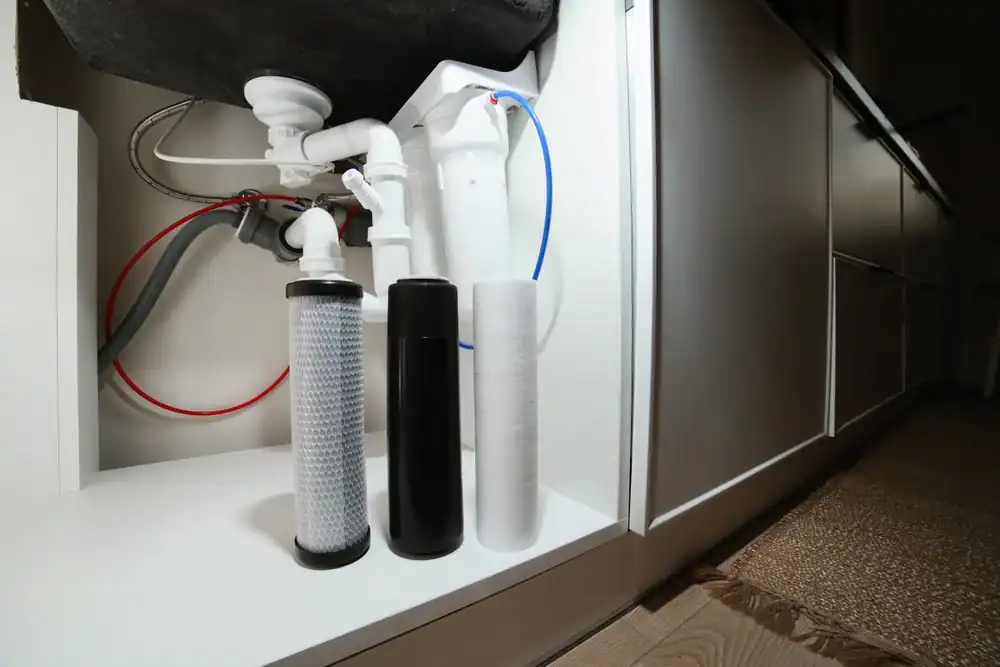
You stop scrubbing orange stains off your sinks and toilets every week. Your laundry comes out clean instead of dingy. The rotten egg smell disappears when you turn on the tap.
Your appliances last longer because they’re not clogged with iron and minerals. Your family drinks water without wondering what’s in it. Guests don’t wrinkle their nose when they fill a glass.
That’s what happens when your well water filtration system is designed for the specific contaminants in your water—not just a generic filter that might help a little. You get results you can see, smell, and taste from day one.
We specialize in whole-house water purification for Neptune Beach homeowners dealing with well water problems. We’re members of the National Water Quality Association and hold an A+ Better Business Bureau rating with a perfect 5-star review record and zero complaints.
We don’t do plumbing or water heaters. We focus entirely on water treatment because that’s where we deliver the best results. Neptune Beach sits on geology that creates specific well water challenges—high iron content, hydrogen sulfide that causes sulfur smell, and occasional bacterial contamination from shallow aquifer conditions.
We test your water first, identify exactly what’s causing your problems, then install systems designed to handle those specific contaminants. Military members and first responders receive a $500 discount on whole-house systems.
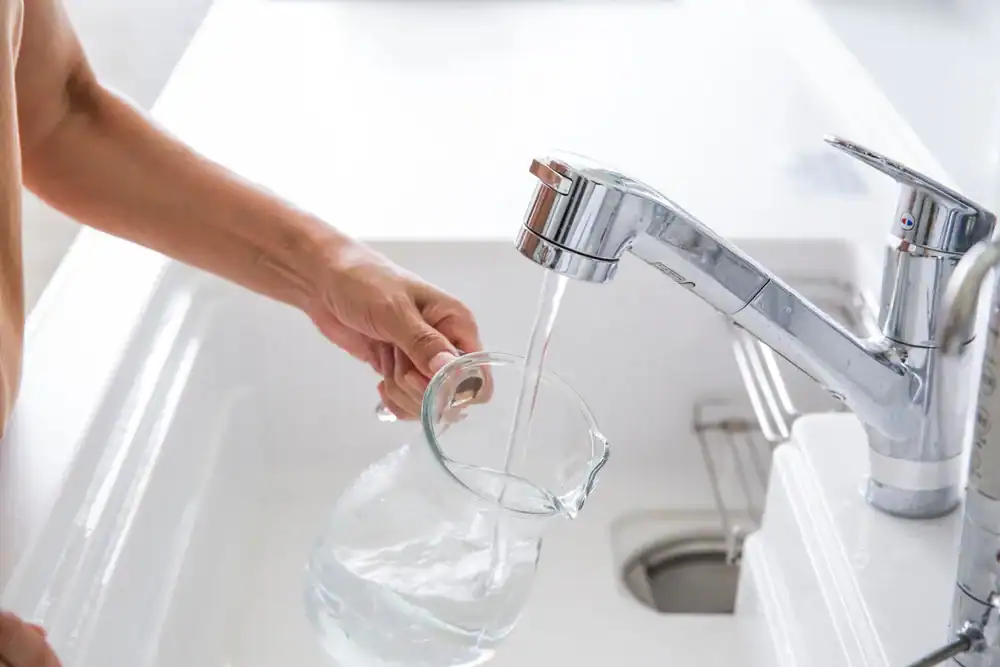
We start with professional water testing to identify which contaminants are actually in your well. Iron, sulfur, bacteria, hardness minerals—each one requires a different treatment approach. Guessing doesn’t work.
Once we know what’s in your water, we recommend the right system. That might be hydrogen peroxide injection for iron and sulfur removal, air injection oxidation for heavy iron problems, or UV disinfection if bacteria shows up in your test. Many Neptune Beach wells need a combination approach.
Installation takes a day for most whole-house systems. We connect the treatment equipment to your main water line so every tap in your home gets filtered water. You’ll notice the difference immediately—clearer water, no smell, no staining.
After installation, your system runs automatically. Most homeowners just need to refill the hydrogen peroxide tank every few months or change filters on schedule. We handle service calls if anything needs adjustment.
Ready to get started?
Iron removal systems use oxidation to convert dissolved iron into particles your filter can catch. We use either hydrogen peroxide injection or air injection oxidation depending on your iron levels. Neptune Beach wells commonly test between 0.5 and 4 parts per million of iron—enough to stain everything it touches.
Hydrogen sulfide treatment eliminates the rotten egg smell that comes from sulfur bacteria in your well. The same oxidation systems that remove iron also handle sulfur, which is why many local homeowners need both treatments in one system.
Well water bacteria disinfection uses UV light or chemical treatment to kill coliform bacteria, E. coli, and other microorganisms. If your well is shallow or you’re near septic systems, bacterial contamination becomes more likely. Testing tells us if you need disinfection added to your filtration system.
Hard water treatment removes calcium and magnesium that cause scale buildup and make soap less effective. While not as urgent as iron or bacteria, hardness affects how your water feels and how long your appliances last.

Professional water testing is the only way to know for certain. You might see rust stains and assume it’s iron, but the test tells you how much iron and whether you also have manganese, sulfur, bacteria, or other contaminants hiding in there.
We test for the most common Neptune Beach well water problems—iron, hardness, pH, sulfur, total dissolved solids, and bacteria. The lab results show exact levels of each contaminant, which determines what type of treatment system you need.
Some problems are obvious. Orange stains mean iron. Rotten egg smell means hydrogen sulfide. Slimy buildup means iron bacteria. But you can have high bacteria counts or elevated nitrates without any visible signs, which is why testing matters even when your water looks fine.
Both methods oxidize dissolved iron and sulfur so your filter can remove them, but they work differently. Hydrogen peroxide injection adds a small amount of peroxide to your water, which reacts with iron and sulfur to form particles. It’s highly effective for moderate to heavy contamination and also provides some bacteria control.
Air injection oxidation pulls oxygen from the air and injects it into your water under pressure. The oxygen oxidizes the iron and sulfur without adding chemicals. It works well for lower contamination levels and costs less to maintain since you’re not buying peroxide.
We recommend hydrogen peroxide injection when your iron levels are above 2 parts per million or when you also have sulfur and bacteria issues. Air injection works better for lighter iron problems or when you prefer a chemical-free approach. Your water test results determine which system makes sense for your situation.
Not effectively. Water softeners are designed to remove hardness minerals like calcium and magnesium through ion exchange. They can handle tiny amounts of dissolved iron—maybe 0.3 parts per million—but most Neptune Beach wells have much higher iron levels.
If you run iron-contaminated water through a softener, the iron fouls the resin bed and reduces the softener’s effectiveness. You’ll end up with both iron problems and hardness problems because the softener stops working properly.
The right approach is treating iron and sulfur first with an oxidation system, then softening the water if needed. Some homeowners only need iron removal. Others benefit from adding a softener after the iron filter to address hardness. We design the system based on your complete water test, not just one issue.
It depends on which type of system you have and how contaminated your water is. Hydrogen peroxide injection systems need the peroxide tank refilled every two to four months depending on your water usage. The tank has a sight glass so you can see when it’s getting low.
Filter cartridges typically need changing every six to twelve months. If your water has heavy sediment or iron, you might need more frequent changes. We recommend keeping spare filters on hand so you’re not waiting when it’s time to swap them out.
Air injection oxidation systems need the least maintenance—usually just an annual check of the air valve and control head. UV disinfection systems need the bulb replaced once a year since UV output decreases over time even though the light still glows. Most homeowners handle basic maintenance themselves and call us for annual service checks or if something isn’t working right.
You could, but most homeowners don’t have the tools or experience to do it correctly. Whole-house systems tie into your main water line, which means cutting pipes, installing bypass valves, setting up drain lines, and programming the control head for your specific water conditions.
If the system isn’t sized correctly for your flow rate, you’ll have pressure problems. If the backwash cycle isn’t programmed right, the filter won’t clean itself properly and you’ll have ongoing issues. If the drain line isn’t installed with the right air gap, you risk contaminating your well.
Professional installation ensures everything works from day one. We size the system for your home’s water demand, set the controls based on your water test results, and make sure all the plumbing meets code. You also get warranty coverage that typically doesn’t apply to DIY installations. The installation cost is worth it for the peace of mind that it’s done right.
Please provide your email address so that we can stay in touch and answer any questions you have! We will be reaching back out shortly.
"*" indicates required fields