Reach Out Today
Please provide your email address so that we can stay in touch and answer any questions you have! We will be reaching back out shortly.

Hear from Our Customers
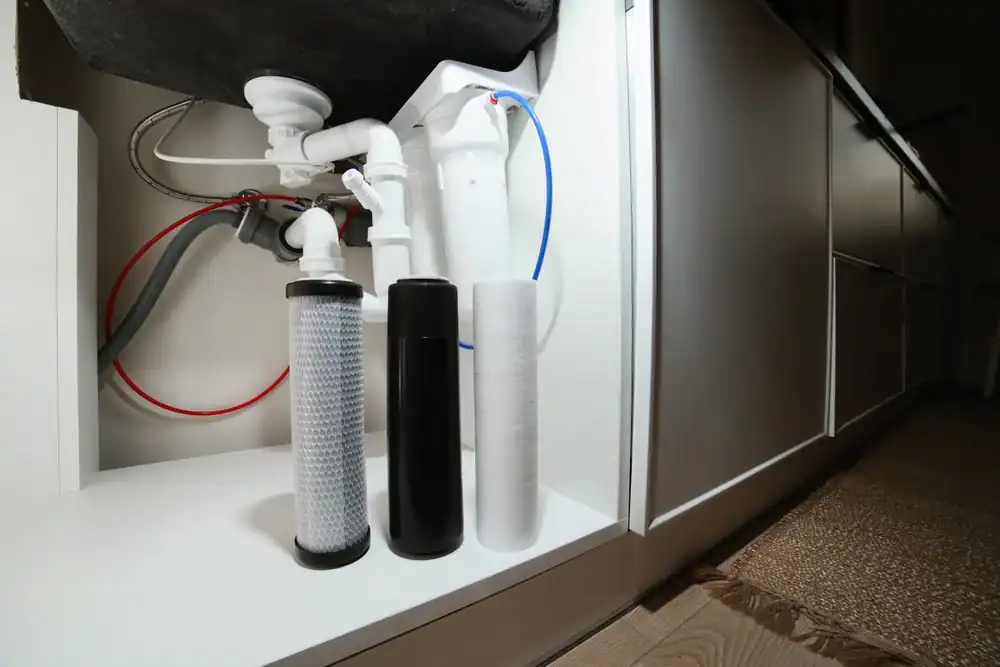
You stop buying bottled water because what comes out of your tap tastes clean. Your white laundry stays white instead of turning orange from iron stains. The sulfur smell that embarrassed you when guests came over is gone completely.
Your appliances last longer because they’re not fighting mineral buildup every day. Your water heater, dishwasher, and washing machine run the way they’re supposed to. You’re not replacing parts or entire units years before you should have to.
You get peace of mind knowing bacteria and viruses aren’t making it through to your family. Testing your well constantly or wondering if that stomach bug came from your water becomes a thing of the past. The system works around the clock so you don’t have to think about it.
We’ve been installing whole-house water treatment systems across Florida for over five decades. We’re A-rated by the Better Business Bureau with a 5-star rating and zero complaints. We’re also members of the National Water Quality Association, which means we follow industry standards that actually matter.
Montague sits in Marion County, where over 90% of drinking water comes from private wells tapping into Florida’s limestone aquifers. That porous limestone and high water table make contamination easier here than in most other states. Iron, sulfur, bacteria—these aren’t rare problems in this area. They’re common, and we’ve been treating them since before most national companies even knew Florida existed.
We don’t do plumbing or water heaters. We do water treatment, and we do it right. If you’re military or a first responder, we offer a $500 discount because we know what service means.
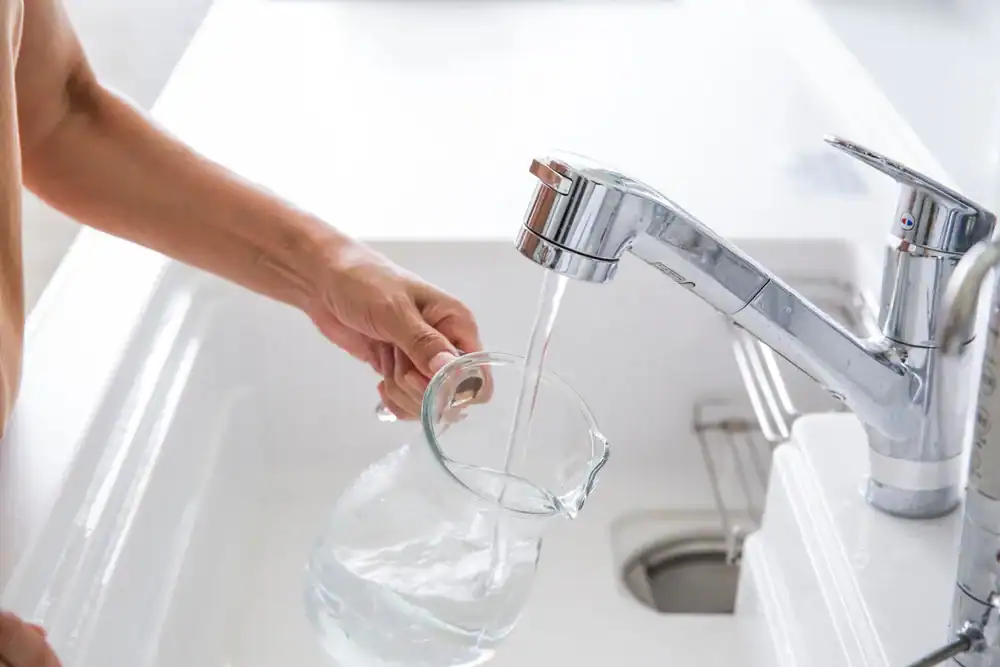
We start with a free water analysis at your home in Montague. We’re not guessing what’s in your water—we’re testing it. Iron levels, sulfur content, bacterial contamination, hardness, pH—all of it gets measured so we know exactly what you’re dealing with.
Once we have your results, we design a system based on your specific water chemistry and how much water your household uses. If you’ve got iron bacteria, we’re not selling you a basic softener that won’t touch it. If hydrogen sulfide is your problem, we’re using hydrogen peroxide injection or air injection oxidation to eliminate it at the source.
Installation happens at your home, and we handle the whole process. The system goes in where your water line enters the house so every faucet, shower, and appliance gets treated water. After installation, we test again to make sure everything’s working exactly how it should. You’re not waiting weeks to see results—you’ll notice the difference immediately.
Ready to get started?
Iron removal systems handle the rust stains that wreck your sinks, toilets, and laundry. We use oxidation methods that convert dissolved iron into particles your filter can catch. No more orange streaks. No more replacing fixtures because the staining won’t come out.
Hydrogen sulfide treatment eliminates that rotten egg smell using either hydrogen peroxide injection or air injection oxidation. Both methods are chemical-free after the oxidation happens—nothing lingers in your water. The smell disappears because the sulfur compound gets neutralized before it reaches your tap.
UV disinfection systems kill 99.99% of bacteria and viruses in your water. Ultraviolet light destroys microorganisms on contact without adding chemicals. It’s continuous protection that works 24/7, and it’s especially important in Montague where Florida’s porous limestone and high water table make bacterial contamination more common than most homeowners realize.
Whole-house filtration means every drop of water in your home gets treated. You’re not just filtering drinking water—you’re protecting your skin in the shower, your dishes in the dishwasher, and your clothes in the washing machine. One system handles everything.

If you’re seeing rust-colored stains in your sinks or toilets, that’s iron. If your water smells like rotten eggs, that’s hydrogen sulfide gas. If your water tastes metallic or gritty, you’ve likely got mineral content that’s too high.
More than one in five private wells tested between 1991 and 2004 contained contaminants above safe levels for human health. In Florida specifically, bacteria and nitrates are the most common contaminants found in well water according to the Florida Department of Health. You can’t see bacteria, which is why testing matters even if your water looks clear.
The Florida Department of Health recommends testing your well water at a certified lab at least once a year. But if you’re already noticing stains, odors, or taste issues, you don’t need to wait for a test to know something’s wrong. Those are visible signs your water chemistry is off, and they usually get worse over time, not better.
Both methods treat iron and hydrogen sulfide by oxidizing them, but they work differently. Hydrogen peroxide injection uses a small pump to add hydrogen peroxide into your water line. The peroxide oxidizes iron and sulfur compounds, then breaks down into just oxygen and water. Nothing’s left behind. It’s more powerful than chlorine and works faster, which is why it handles higher contamination levels better.
Air injection oxidation pulls oxygen from the air and injects it into your water inside a tank. The oxygen oxidizes the iron and sulfur just like peroxide does, but without adding any chemicals at all. It’s completely chemical-free from start to finish. The oxidized particles get filtered out, and you’re left with clean water.
Which one you need depends on your contamination levels and water chemistry. If your iron or sulfur levels are high, hydrogen peroxide usually works better. If they’re moderate and you want a fully chemical-free option, air injection is the way to go. We test your water first so we’re recommending the right system for your specific situation, not just selling you what’s on the truck.
A standard water softener treats hardness—calcium and magnesium. It’s not designed to remove iron or sulfur, and using it for that usually ruins the resin bed inside the softener. You’ll end up with a system that doesn’t work and needs expensive repairs or replacement.
If you’ve got dissolved iron in low concentrations—under 3 parts per million—some softeners can handle it as a secondary benefit. But if you’re seeing stains, your iron levels are likely higher than that. And if you’ve got iron bacteria, which is common in Montague wells, a softener won’t touch it. Iron bacteria form a slimy biofilm that clogs up softener resin and keeps coming back no matter how many times you clean it.
Sulfur is a similar story. Water softeners don’t remove hydrogen sulfide gas. You need an oxidation system that converts the sulfur compound into something a filter can catch, or a degasification system that vents the gas out before it reaches your house. If your water smells like rotten eggs, you need a treatment system specifically designed for hydrogen sulfide, not a softener.
UV disinfection uses ultraviolet light to destroy bacteria, viruses, and other microorganisms in your water. The system installs directly on your water line, and as water flows through, it passes by a UV lamp. The UV light penetrates the cells of microorganisms and scrambles their DNA so they can’t reproduce or cause infection. They’re neutralized instantly.
It’s a physical process, not a chemical one. Nothing gets added to your water. No chlorine, no residue, no taste or odor. The UV lamp stays on 24/7, so every drop of water that enters your house gets disinfected continuously. You’re not treating water in batches or waiting for a holding tank to process—it happens in real time as you use water.
UV systems are extremely effective. They achieve a 99.99% reduction in bacteria and viruses when sized and installed correctly. But the water needs to be clear for UV to work. If you’ve got high iron or sediment, those particles can block the UV light from reaching microorganisms. That’s why we often pair UV disinfection with filtration—you remove the particles first, then disinfect. It’s a one-two approach that handles both contamination types.
Cost depends entirely on what’s in your water and what it takes to fix it. A basic iron removal system runs differently than a multi-stage setup that handles iron, sulfur, bacteria, and hardness all at once. System size matters too—a household using 300 gallons a day needs different equipment than one using 100.
Most whole-house systems for well water in Montague range from a few thousand dollars to over ten thousand for complex contamination. That includes equipment, installation, and startup. If you’re military or a first responder, we take $500 off.
Here’s what affects price: contamination levels, flow rate requirements, and how many treatment stages you need. High iron plus bacteria plus hardness costs more than just iron alone because you’re treating multiple problems. But fixing it right the first time costs less than replacing your water heater early, re-piping corroded lines, or buying bottled water for years.
We give you a specific price after testing your water. No one can quote you accurately without knowing what’s actually in your well. Anyone who does is guessing, and you’ll either overpay for equipment you don’t need or underpay for a system that won’t solve your problem.
Please provide your email address so that we can stay in touch and answer any questions you have! We will be reaching back out shortly.
"*" indicates required fields