Reach Out Today
Please provide your email address so that we can stay in touch and answer any questions you have! We will be reaching back out shortly.

Hear from Our Customers
The orange rings around your toilet disappear. The sulfur smell stops hitting you every time you turn on the tap. Your water heater lasts years longer instead of breaking down early from iron sediment buildup.
You stop scrubbing stains that won’t come out. Your appliances run cleaner. Guests don’t notice your water anymore—which is exactly the point.
Most Metro West well water comes from Florida’s limestone aquifer, which means iron, hydrogen sulfide, and bacteria are common. Around 68% of Florida wells contain iron above EPA secondary standards. Another 52% have detectable hydrogen sulfide levels. If your water smells like rotten eggs or leaves rust-colored stains, it’s not in your head. It’s geology.
A properly designed well water filtration system handles all three issues at once. Iron removal systems, hydrogen sulfide treatment, and UV bacteria disinfection work together to give you water that’s safe, clean, and doesn’t damage everything it touches. The results show up immediately once the system is installed.
We’ve been treating well water across the state for over 50 years. We’re members of the National Water Quality Association and hold an A+ rating with the Better Business Bureau—with a 5-star rating and zero complaints.
We don’t do plumbing. We don’t install water heaters. We do one thing: water treatment. That focus matters when you’re dealing with Metro West’s specific groundwater challenges.
Every system we install starts with a free water analysis. We test for iron levels, sulfur content, bacteria presence, pH balance, and hardness. Then we design a system based on what’s actually in your water and how much your household uses. One size doesn’t fit all, especially not in Florida.
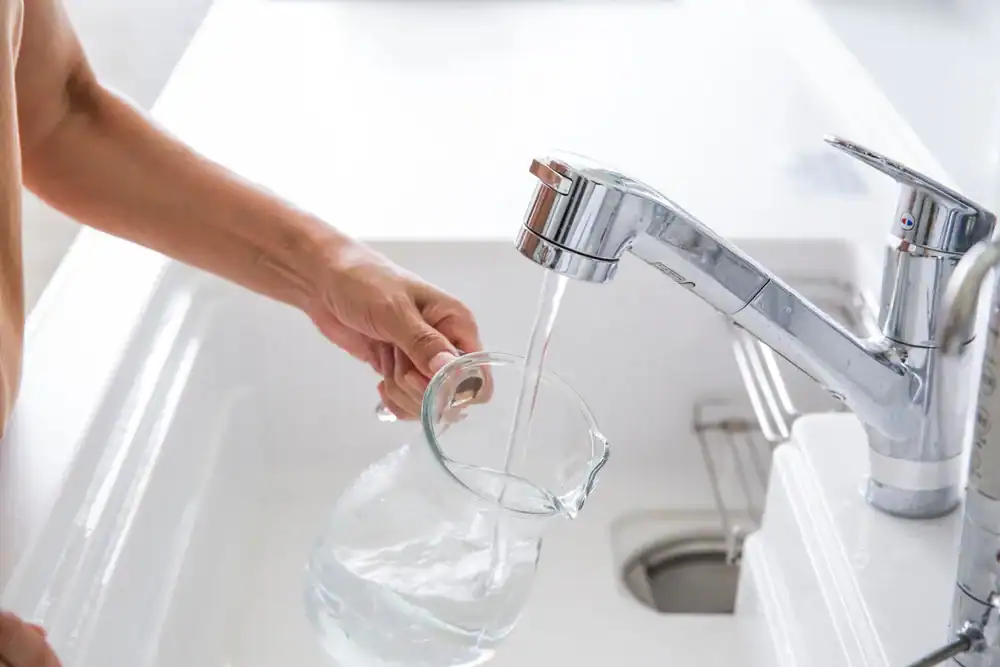
First, we test your water. A free analysis tells us exactly what we’re dealing with—iron concentration, hydrogen sulfide levels, bacteria count, and other contaminants common in Metro West wells.
Then we design your system. If you’ve got high iron, we might recommend an air injection oxidation system that converts dissolved iron into particles a filter can catch. For hydrogen sulfide, a hydrogen peroxide injection system oxidizes the sulfur so it can be filtered out. If bacteria are present, UV light disinfection kills 99.9% of harmful microorganisms without adding chemicals to your water.
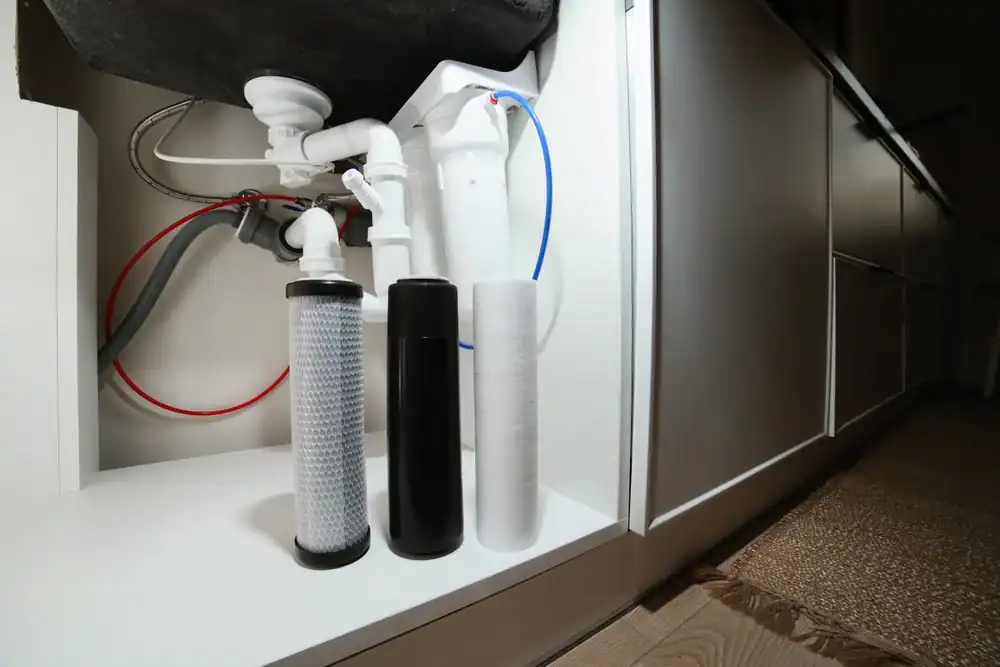
Installation typically takes a day. We connect the system at your main water line so every tap in your house gets treated water. Once it’s running, the benefits are immediate. No more sulfur smell. No more orange stains. No more wondering if your water is safe.
We service what we sell, and we can service other brands too. Maintenance is straightforward—filter changes, occasional system checks, UV bulb replacements. We handle it or walk you through it.
Ready to get started?
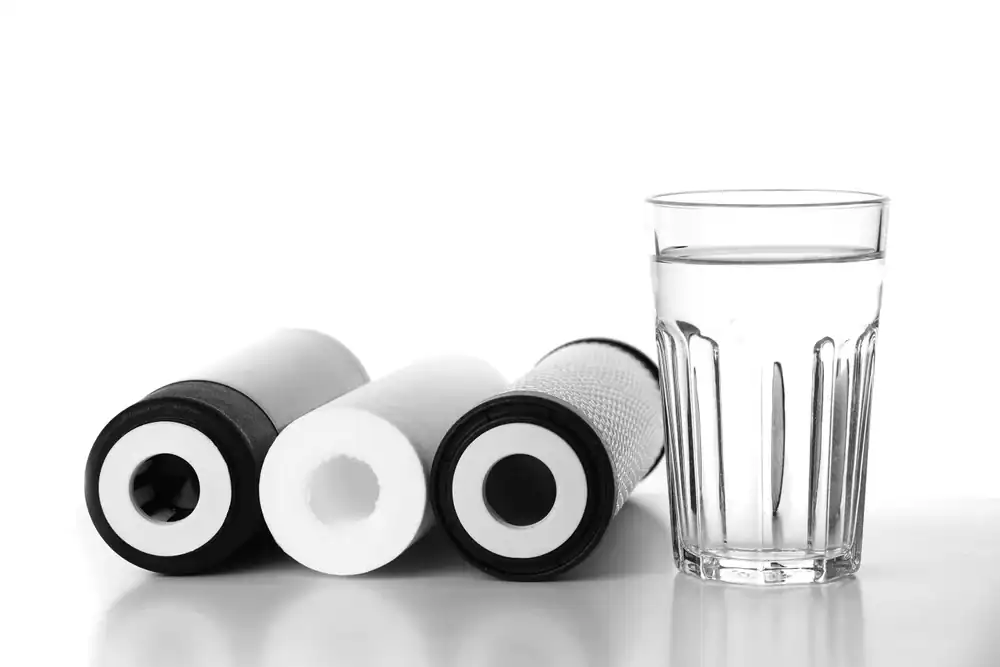
A complete well water filtration system for a Metro West home usually includes multiple treatment stages. Iron removal systems use either air injection oxidation or hydrogen peroxide injection to convert dissolved iron into a form that can be filtered. Both methods work—the right choice depends on your iron levels and water chemistry.
Hydrogen sulfide treatment often uses the same oxidation process. Once the sulfur is oxidized, a filter media removes it before water reaches your taps. This eliminates the rotten egg smell and prevents hydrogen sulfide from corroding your copper and brass fixtures.
Bacteria disinfection typically involves UV light technology. As water passes through the UV chamber, light destroys bacteria, viruses, and other microorganisms at a 99.9% effectiveness rate. No chemicals. No taste change. Just disinfection.
Many Metro West systems also include sediment filtration and water softening, depending on what your water test reveals. We design around your specific results and your household’s daily water usage. A family of four uses water differently than a couple or a larger household—your system should reflect that.

If your water smells like rotten eggs, that’s hydrogen sulfide. If you see orange or reddish-brown stains on fixtures, that’s iron. If you notice a slimy buildup in your toilet tank, that could be iron bacteria.
Other signs include a metallic taste, cloudy water, or black stains (which can indicate manganese). Sometimes the problems are obvious. Other times, contaminants like bacteria or nitrates don’t have a smell or color but still pose health risks.
The only way to know for sure is to test your water. We offer free water analysis for Metro West homeowners. We test for iron, sulfur, bacteria, hardness, pH, and other common Florida well water issues. Results tell us exactly what treatment your water needs.
Both methods oxidize contaminants like iron and sulfur so they can be filtered out, but they work differently. Air injection oxidation (AIO) uses oxygen from compressed air to convert dissolved iron and sulfur into particles. It’s chemical-free, requires no consumables except occasional media replacement, and works well for moderate contamination levels.
Hydrogen peroxide injection adds a small amount of peroxide to your water before filtration. Peroxide is a stronger oxidizer than air, so it handles higher iron levels and tougher sulfur problems. It also helps control iron bacteria. The downside is you need to refill the peroxide tank periodically.
Which one you need depends on your water test results. If your iron is under 10 ppm and sulfur is mild, AIO usually works. If levels are higher or bacteria are present, hydrogen peroxide is often the better choice. We recommend based on what’s actually in your water.
Yes. Iron sediment is one of the biggest threats to water heaters. It settles at the bottom of the tank, causes corrosion, and typically shortens a water heater’s life by 2-3 years. Hydrogen sulfide accelerates the breakdown of copper and brass plumbing fixtures.
Iron and sulfur also damage washing machines, dishwashers, and any appliance that uses water. Studies show these contaminants can reduce appliance lifespan by 30-50%. That’s not just inconvenient—it’s expensive.
A whole house filtration system treats water before it reaches any appliance or fixture. That means your water heater, washing machine, and plumbing all get clean water. You’ll see fewer repairs, longer equipment life, and better performance across the board. The system pays for itself over time just in avoided replacement costs.
The core components of a quality system—tanks, control valves, UV chambers—typically last 10-15 years or longer with proper maintenance. Filter media needs replacement every 5-7 years depending on your water quality and usage. UV bulbs should be changed annually to maintain disinfection effectiveness.
Florida’s climate and water chemistry can be tough on equipment, which is why system quality matters. Cheaper systems might save money upfront but often fail sooner or require more frequent repairs.
We install systems built for Florida conditions. Regular maintenance keeps everything running efficiently. Most homeowners schedule an annual service check where we test water quality, inspect components, and replace anything that’s wearing out. Catching small issues early prevents bigger problems later. With basic upkeep, your system should give you clean water for well over a decade.
We offer a $500 discount for military members and first responders. It’s a small way to give back to people who serve Metro West and the surrounding communities.
For financing, we can discuss payment options during your consultation. Whole house systems are an investment—usually several thousand dollars depending on what your water needs. But when you factor in the cost of bottled water, appliance repairs, and early replacements, the math often makes sense.
Many homeowners also see an increase in property value. A well-maintained water treatment system is a selling point, especially in areas where well water quality is a known issue. Buyers don’t want to inherit water problems, and a professionally installed system shows the home has been cared for.
Please provide your email address so that we can stay in touch and answer any questions you have! We will be reaching back out shortly.
"*" indicates required fields