Reach Out Today
Please provide your email address so that we can stay in touch and answer any questions you have! We will be reaching back out shortly.

Hear from Our Customers
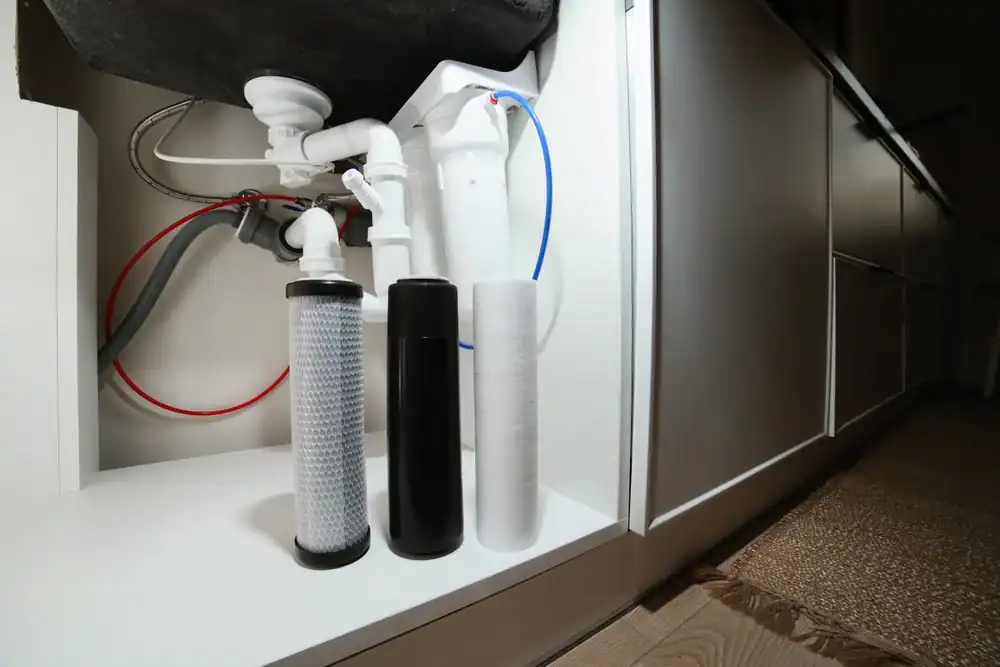
Your toilets stay white. Your sinks don’t collect rust stains every week. When someone turns on the shower, your house doesn’t smell like rotten eggs.
That’s what happens when iron and hydrogen sulfide get filtered out at the source. You’re not masking the problem with bleach or air fresheners. You’re removing what’s causing it before it reaches your faucets.
Your appliances last longer because they’re not getting coated in mineral buildup. Your laundry comes out cleaner. Your water heater doesn’t corrode from the inside out. And when guests come over, you’re not wondering if they notice the smell.
This isn’t about perfect water for the sake of it. It’s about ending the constant maintenance, the embarrassment, and the worry that what’s coming out of your tap isn’t safe for your family.
We have an A rating with the Better Business Bureau, a 5-star review average, and zero complaints. We’re members of the National Water Quality Association, and we’ve been solving well water problems across Central Florida since the 1970s.
We don’t do plumbing. We don’t install water heaters. We focus entirely on water treatment, which means when you call us, you’re talking to people who know filtration systems inside and out.
Lynne sits in an area where limestone deposits create sulfur issues and iron-rich soil layers add rust to nearly every well. We’ve treated hundreds of wells in similar conditions. We test your water first, design a system based on what’s actually in it, then install and service it long-term. If you’re military or a first responder, we offer a $500 discount.
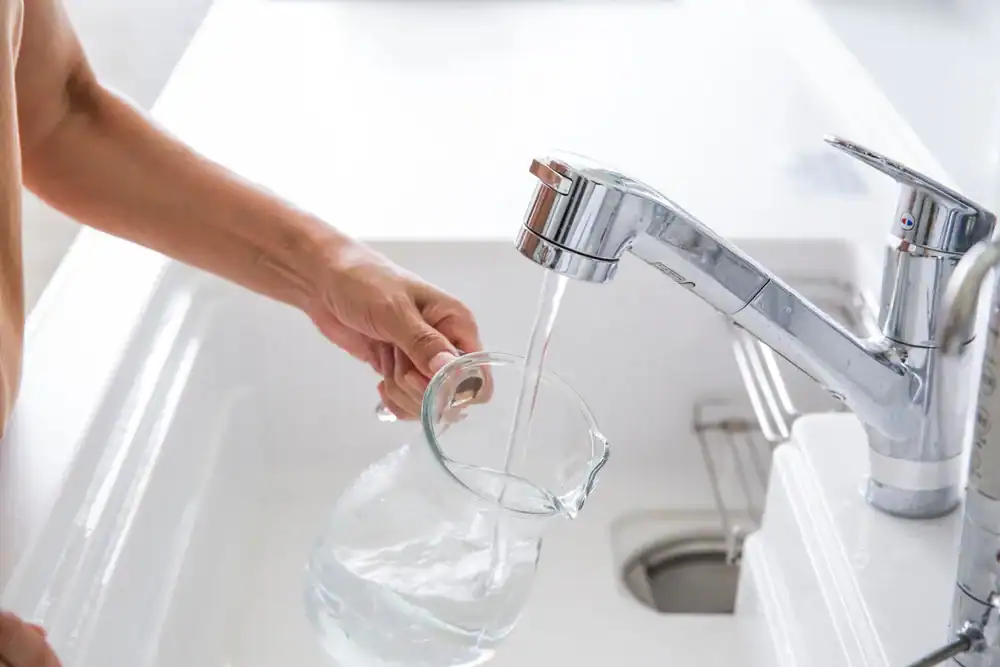
We start with a free water analysis at your home. Not a basic test strip—a real analysis that shows us iron levels, sulfur content, bacteria presence, pH, hardness, and anything else affecting your water quality.
Once we know what’s in your water, we design a filtration system around it. If you’ve got iron bacteria, we might use hydrogen peroxide injection ahead of catalytic carbon filtration. If it’s hydrogen sulfide causing that rotten egg smell, we’ll likely recommend an air injection oxidation system that doesn’t need chemicals or salt to work.
After we agree on a system, we install it at your pressure tank or wellhead so it treats every drop before it enters your house. Then we test again to make sure it’s performing. You’re not guessing if it worked—you’ll see the difference immediately.
We service what we install. If something needs adjustment or maintenance down the road, you call us. We don’t disappear after the sale.
Ready to get started?
Every system we install is custom-designed based on your water test results and your household’s daily usage. We’re not selling you a one-size-fits-all unit that works for some problems but ignores others.
If your water has iron, we use filtration media or oxidation methods that actually remove it—not just soften it or move it around. For sulfur and that rotten egg odor, we use hydrogen peroxide injection or air injection oxidation to eliminate hydrogen sulfide gas at the molecular level. For bacteria like E. coli or iron bacteria, we add disinfection stages that kill it before it reaches your taps.
Most of our systems don’t require salt, chemicals, or electricity. They don’t waste water during regeneration cycles. That saves you money every month and reduces maintenance over time. In Lynne and the surrounding areas, where wells pull from limestone and iron-heavy soil, these systems handle what’s common here: high iron content, sulfur compounds, and bacterial contamination. We’ve installed them in homes just like yours, and they work because they’re built for Florida’s geology—not just copied from a national template.

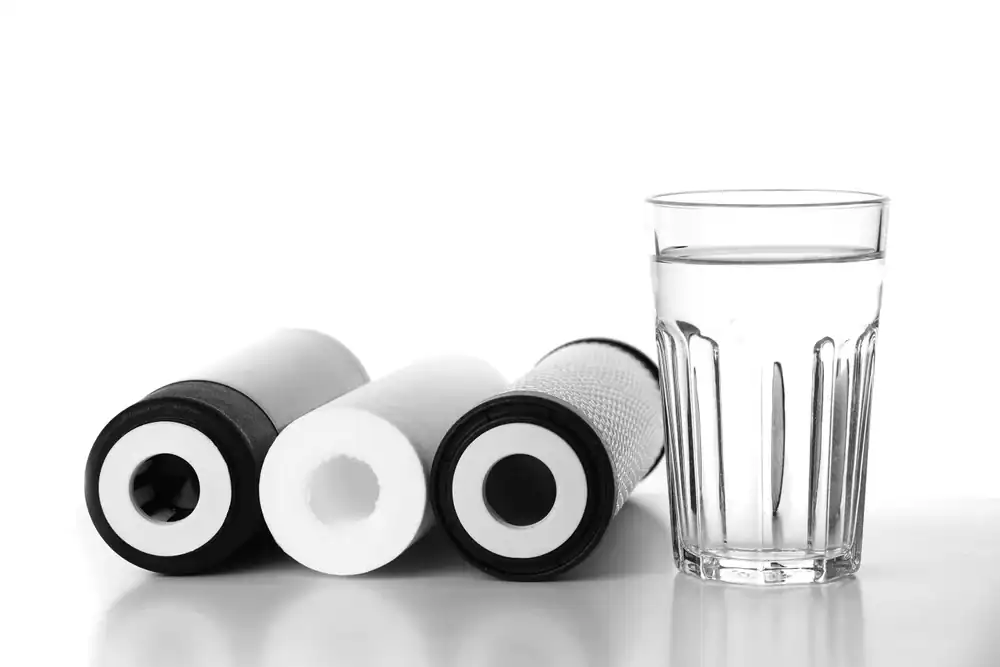
The most effective approach combines oxidation and filtration. For iron, that usually means either hydrogen peroxide injection or an air injection oxidation system, followed by a catalytic carbon filter or specialized media that captures the oxidized particles.
Hydrogen peroxide is a powerful oxidizer that works well even with iron bacteria, which is harder to treat than regular dissolved iron. It breaks down into water and oxygen, so you’re not adding harsh chemicals that stay in your water. Air injection oxidation does something similar by injecting oxygen into your water line, which converts dissolved iron into a solid form that gets filtered out.
For sulfur, the same oxidation process handles hydrogen sulfide gas. Once it’s oxidized, a carbon filter removes it along with the taste and smell. If your water has both iron and sulfur—which is common in Lynne because of the limestone and soil composition—you need a system that addresses both at the same time, not separate units that only solve half the problem.
It depends entirely on what’s in your water and how much treatment it needs. A basic iron filter might run a few thousand dollars. A more complex system that handles iron bacteria, sulfur, hardness, and disinfection can cost significantly more.
But here’s what matters more than the upfront price: what you’re spending now on bottled water, cleaning supplies, appliance repairs, and early replacements. If your water heater fails at year seven instead of year twelve because of iron buildup, that’s a $1,200+ expense. If your washing machine clogs or corrodes early, that’s another $800 to $1,500. A filtration system that prevents that damage pays for itself over time.
We don’t give quotes over the phone because we don’t know what’s in your water yet. After we test it, we’ll show you exactly what system you need and what it costs. No surprises, no upselling. If you’re military or a first responder, we take $500 off.
Not with the systems we typically install. Most of our whole-house filtration systems for iron, sulfur, and bacteria don’t require salt or ongoing chemical additions.
Air injection oxidation systems use oxygen from the air—nothing you need to buy or refill. Hydrogen peroxide injection systems do use peroxide, but it’s a low-maintenance solution stored in a small tank that we refill during service visits. It’s not something you’re handling yourself, and it breaks down into water and oxygen, so it’s not sitting in your drinking water.
Traditional water softeners, by comparison, need 40-pound bags of salt every month or two, which costs $100 to $200 a year. They also use electricity to regenerate and waste water in the process. The systems we install for Lynne’s well water problems avoid all of that. Lower operating costs, less maintenance, and no monthly trips to the store for supplies.
You can’t always tell just by looking or smelling, which is why testing matters. Some bacteria create obvious signs—slime in your toilet tank, a metallic taste, or a rotten egg smell that comes from sulfur-reducing bacteria. But E. coli and coliform bacteria don’t have a smell or taste, and they’re a health risk.
Iron bacteria show up as rust-colored slime or buildup in your toilet tank and pipes. It’s not dangerous to drink, but it clogs your plumbing and makes iron problems worse because it feeds on the iron in your water. Regular chlorine or filtration won’t kill it—you need a stronger oxidizer like hydrogen peroxide.
The only way to know for sure what’s in your water is to test it. We do that for free at your home. If bacteria show up, we’ll recommend a disinfection system that kills it at the source and keeps it from coming back. Wells in Lynne can pick up surface contamination or naturally occurring bacteria from the aquifer, so testing isn’t optional if you want to be sure your water is safe.
Yes, and that’s one of the biggest reasons to install one. Iron and sulfur don’t just stain your sinks—they corrode and clog your appliances from the inside.
Your water heater is especially vulnerable. Iron settles at the bottom of the tank and hardens into sediment that reduces efficiency and causes early failure. Hydrogen sulfide accelerates corrosion on the tank’s interior lining. If your water heater only lasts seven or eight years instead of twelve, you’re looking at a $1,200+ replacement that could’ve been avoided.
Dishwashers, washing machines, and even your refrigerator’s ice maker all suffer from the same issues. Mineral buildup clogs lines, damages seals, and shortens their lifespan. A whole-house filtration system treats the water before it reaches any of those appliances, which means they run cleaner, last longer, and need fewer repairs. You’re not just improving your water quality—you’re protecting everything that uses it.
Please provide your email address so that we can stay in touch and answer any questions you have! We will be reaching back out shortly.
"*" indicates required fields