Reach Out Today
Please provide your email address so that we can stay in touch and answer any questions you have! We will be reaching back out shortly.

Hear from Our Customers
You stop replacing dishwashers early. The orange stains on your toilet disappear. Guests don’t ask about the smell when they walk in.
That’s what happens when you treat the root cause instead of masking symptoms. A whole-house well water filtration system removes the iron, sulfur, and bacteria before it reaches your faucets, your appliances, or your laundry. It’s not about better-tasting water—though that’s a bonus. It’s about protecting the equipment you’ve already paid for and eliminating the daily frustration of dealing with water that works against you.
In Longbranch, FL, the geology makes this worse. The limestone aquifer system that feeds your well is loaded with sulfur compounds and dissolved iron. When sulfur-reducing bacteria break those compounds down inside your plumbing, you get hydrogen sulfide gas—that rotten egg smell. The iron oxidizes and leaves rust-colored sludge in your pipes, on your fixtures, and inside your water heater. Over time, it corrodes joints, restricts flow, and shortens the lifespan of everything it touches.
A properly designed system stops that cycle. You’re not just filtering water. You’re extending the life of your home’s infrastructure.
We’ve been treating well water across Florida for over 50 years. We’re A-rated by the Better Business Bureau with a 5-star rating and zero complaints. We’re members of the National Water Quality Association, which means we follow industry standards that actually matter.
We don’t do plumbing. We don’t install water heaters. We focus entirely on water treatment, and we’ve built our reputation on whole-house purification systems that handle Florida’s specific challenges. That matters in Longbranch, where the shallow water table and high mineral content create conditions most generic systems can’t handle.
If you’re military or a first responder, we offer a $500 discount. We also support the Tunnels to Towers Foundation, because some things matter more than business.
First, we test your water. Not with a generic kit—we’re looking at iron levels, hydrogen sulfide concentration, bacteria presence, hardness, and pH. That tells us what we’re dealing with and what equipment will actually solve it.
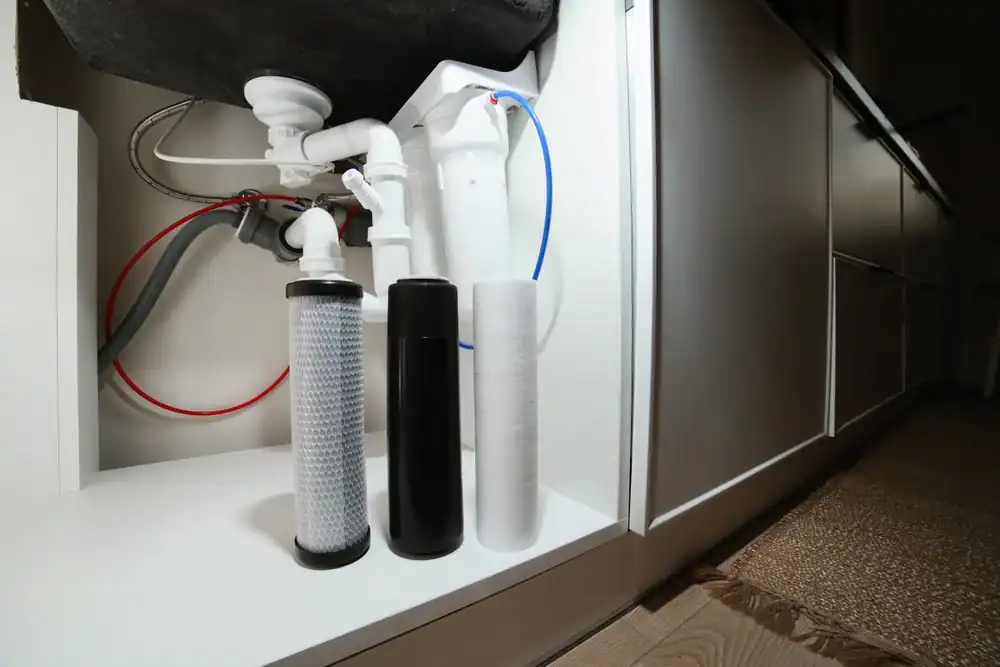
Then we design a system based on your results and your household’s water usage. For most Longbranch homes, that means a multi-stage approach: oxidation to convert dissolved iron and sulfur into particles, filtration to remove those particles, and disinfection to handle bacteria. Some wells need hydrogen peroxide injection. Others do better with air injection oxidation. It depends on your water chemistry, not ours.
Installation takes a day in most cases. We’re connecting the system to your main water line so every drop that enters your home gets treated. After that, you’ll need to replace filter media periodically—usually once a year—and we handle that too.
The result is straightforward: clean water at every tap, no more staining, no sulfur smell, and appliances that last as long as they’re supposed to.
Ready to get started?
You’re getting a custom-engineered solution, not a one-size-fits-all box. That means the equipment matches your water analysis, your flow rate, and your household size. If your well has high iron, we’re installing an iron removal system that uses the right oxidation method for your levels. If hydrogen sulfide is the issue, we’re treating it with a system designed specifically for sulfur water treatment.
In Longbranch, FL, most wells deal with both. The aquifer here sits in limestone, which is why sulfur and iron show up together so often. During Florida’s rainy season, the shallow water table also increases your risk of bacterial contamination. A proper system addresses all three.
You’re also getting a free water analysis before we recommend anything, ongoing maintenance support, and equipment that’s built to last longer than the cheap alternatives. The upfront cost is higher than a basic softener, but the long-term savings are real. A water heater that lasts ten years instead of five. A dishwasher that doesn’t need replacement after seven. No more bottled water expenses or constant scrubbing of orange stains.
Most systems we install in this area cost between $2,500 and $5,000, depending on the severity of contamination and the size of your home. That’s less than replacing a water heater, a washing machine, and a dishwasher ahead of schedule.

That smell is hydrogen sulfide gas, and it forms when sulfur-reducing bacteria break down sulfates in your groundwater. Florida’s limestone geology is full of sulfur compounds, so these bacteria have plenty to work with. They thrive in warm, low-oxygen environments like the inside of your well and your plumbing system.
The smell is more than embarrassing. It’s a sign that bacteria are active in your water supply, and that can accelerate corrosion in your pipes and appliances. It also means your water chemistry is off, which usually indicates other problems like high iron or manganese.
Treating it requires more than a carbon filter. You need a system that oxidizes the hydrogen sulfide and removes it before it reaches your taps. That usually means hydrogen peroxide injection or air injection oxidation, depending on your levels. Both methods work, but the right choice depends on your specific water test results.
If you see orange or rust-colored stains on your sinks, toilets, or your laundry, you have iron in your water. If your water looks clear coming out of the tap but turns orange after sitting, that’s dissolved iron oxidizing when it hits the air. In Longbranch, FL, about 68% of wells in nearby Bradenton contain iron above the EPA’s secondary standard of 0.3 mg/L. The geology here makes high iron levels the norm, not the exception.
Iron doesn’t just stain. It feeds iron bacteria, which create a slimy, rust-colored buildup in your pipes and well casing. Over time, that buildup restricts water flow and corrodes pipe joints. It also shortens the life of your water heater and other appliances.
An iron removal system uses oxidation to convert dissolved iron into particles, then filters those particles out before they enter your home. The method depends on your iron levels and whether you also have sulfur or bacteria issues. Most systems in this area need a multi-stage approach to handle all three.
Not if your main issues are iron, sulfur, or bacteria. A water softener removes hardness minerals like calcium and magnesium, which cause scale buildup. It doesn’t remove iron effectively, and it does nothing for hydrogen sulfide or bacterial contamination.
If you run high-iron water through a softener, the iron will coat the resin bed and reduce its effectiveness. You’ll end up with a system that doesn’t soften properly and still leaves you with staining and odor issues. That’s why most Longbranch homes need a whole-house filtration system first, followed by a softener if hardness is also a problem.
The right sequence matters. Oxidation and filtration remove iron, sulfur, and bacteria. Then, if your water is hard, a softener handles that separately. Trying to do it all with one piece of equipment usually means you’re not solving anything completely.
Most systems need filter media replaced once a year, though that depends on your water quality and usage. If your iron or sulfur levels are high, you might need more frequent servicing. If bacterial contamination is an issue, you’ll also need periodic shock chlorination to keep the bacteria from building up in your well casing.
The good news is that maintenance is straightforward. We handle media replacement, test your water to make sure the system is still performing, and check for any signs of buildup or wear. Between service visits, you’re not doing much beyond occasionally checking your system’s pressure gauge.
Skipping maintenance is where people run into trouble. A system that’s overdue for media replacement stops removing contaminants effectively, and you’re back to dealing with staining, odors, and appliance damage. Staying on schedule means the system keeps working the way it’s supposed to.
Both methods oxidize dissolved iron and sulfur so they can be filtered out, but they work differently. Hydrogen peroxide injection adds a small amount of peroxide to your water, which reacts with iron and hydrogen sulfide to convert them into particles. It’s effective for higher contamination levels and also provides some disinfection, which helps if you have bacteria issues.
Air injection oxidation (AIO) uses compressed air to introduce oxygen into your water. The oxygen oxidizes the iron and sulfur naturally, without adding chemicals. It’s a good option for moderate contamination levels and requires less ongoing maintenance since you’re not refilling a chemical tank.
The right choice depends on your water test results. If your hydrogen sulfide levels are high or you have bacterial contamination, hydrogen peroxide is usually the better option. If your levels are moderate and bacteria aren’t a concern, AIO works well and keeps things simpler. Either way, the oxidation step is what makes the rest of the filtration system effective.
Please provide your email address so that we can stay in touch and answer any questions you have! We will be reaching back out shortly.
"*" indicates required fields