Reach Out Today
Please provide your email address so that we can stay in touch and answer any questions you have! We will be reaching back out shortly.

Hear from Our Customers
That sulfur smell disappears completely. No more holding your breath when you turn on the tap or worrying about what guests think when they walk into your bathroom.
The orange stains stop showing up on your toilets, sinks, and laundry. Your whites stay white. Your fixtures stay clean longer. You stop scrubbing rust rings every week.
Your water heater, washing machine, and dishwasher last years longer because they’re not getting eaten away by iron bacteria and corrosive buildup. The longer you wait to fix iron problems, the more damage piles up. Replacing a water heater costs a lot more than installing a proper whole house water filter that prevents the problem from the start. You’re protecting a real investment in your home, not just making the water smell better.
We’re A-rated with the Better Business Bureau with a 5-star rating and zero complaints. That’s not marketing talk—it’s verifiable. We’re also members of the National Water Quality Association, which means we follow actual standards for water treatment, not just sales quotas.
We’ve been serving homeowners in Lincolnville, St. Augustine, and throughout North and Central Florida long enough to know exactly what’s in your well water before we test it. Florida’s limestone geology creates specific problems—sulfur bacteria, iron, low pH—that need specific solutions. A system that works in Georgia won’t work here.
We don’t sell the same filtration setup to every house. We test your water for free, design a system based on what’s actually in it and how much water your household uses, then install it and service it long-term. If something needs adjusting six months later, we’re the ones who come back. That’s the difference.
We start with a free in-home water analysis. Not a basic hardness test—a real analysis that tells us what’s in your water and at what levels. Iron, sulfur, bacteria, pH, hardness, nitrates. You need to know what you’re dealing with before you can fix it.
Then we design a system specifically for your water and your household. If you’ve got hydrogen sulfide, we might use an air injection oxidation system that’s completely chemical-free—it just injects oxygen to neutralize the sulfur. If you’ve got heavy iron and bacteria, we might combine hydrogen peroxide injection with a filtration stage. There’s no one-size-fits-all setup, and anyone who tells you otherwise is selling you the wrong system.
We install it, test it, and make sure it’s doing what it’s supposed to. Then we stay in touch. If your water changes or you notice something off, we come back. Most companies sell you a system and disappear. We actually service what we install, which is why our reputation is better than the national guys who operate here.
Ready to get started?
Iron removal systems eliminate the orange and brown staining that ruins your fixtures and laundry. Iron bacteria also create corrosion inside your plumbing, especially in areas with standing water. If your pipes are rusting faster than they should, iron bacteria is usually the reason.
Hydrogen sulfide treatment gets rid of that rotten egg smell for good. In Lincolnville and throughout Florida, sulfur bacteria thrive because our groundwater runs through limestone loaded with sulfur deposits. The bacteria feed on it and produce hydrogen sulfide gas. Even at low levels, it causes headaches and nausea in some people. At higher levels, it’s a real health risk, especially for kids and anyone with respiratory issues.
Well water bacteria disinfection handles the microorganisms that create slime, odor, and clogs. These aren’t the kind of bacteria that make you sick, but they destroy your plumbing and make your water unusable. A multi-stage approach—oxidation, then filtration—removes them completely. Some systems use air injection oxidation, others use hydrogen peroxide. It depends on what else is in your water and how your household uses it. That’s why testing matters.

That smell is hydrogen sulfide gas, and it’s one of the most common complaints from well owners in this area. Sulfur bacteria live in your well and plumbing, feeding on sulfur compounds that are naturally present in Florida’s limestone geology. The bacteria don’t need oxygen to survive, so they thrive in the warm, low-oxygen environment inside your well.
The smell is more than just unpleasant. At low concentrations, hydrogen sulfide can cause nausea, headaches, and irritation, especially in people with asthma or other respiratory conditions. At higher levels, it becomes a serious health concern. Even if your levels aren’t dangerous, the smell makes your water unusable for drinking, cooking, and showering.
The good news is it’s fixable. Air injection oxidation systems inject oxygen into your water, which neutralizes the sulfur and eliminates the smell completely. These systems are chemical-free and work extremely well for Florida well water. Once it’s installed, the smell is gone—not masked, actually gone.
That’s iron. It’s dissolved in your groundwater and completely invisible until it hits oxygen. Then it oxidizes and turns into rust, which stains everything it touches—toilets, sinks, tubs, laundry, even your hair if the levels are high enough.
Iron bacteria make the problem worse. These microorganisms feed on iron and create a slimy orange or reddish buildup that coats your fixtures and clogs your pipes. They also produce acids that corrode your plumbing from the inside, especially in areas where water sits still, like your water heater. If your plumbing is rusting faster than it should, iron bacteria is usually the cause.
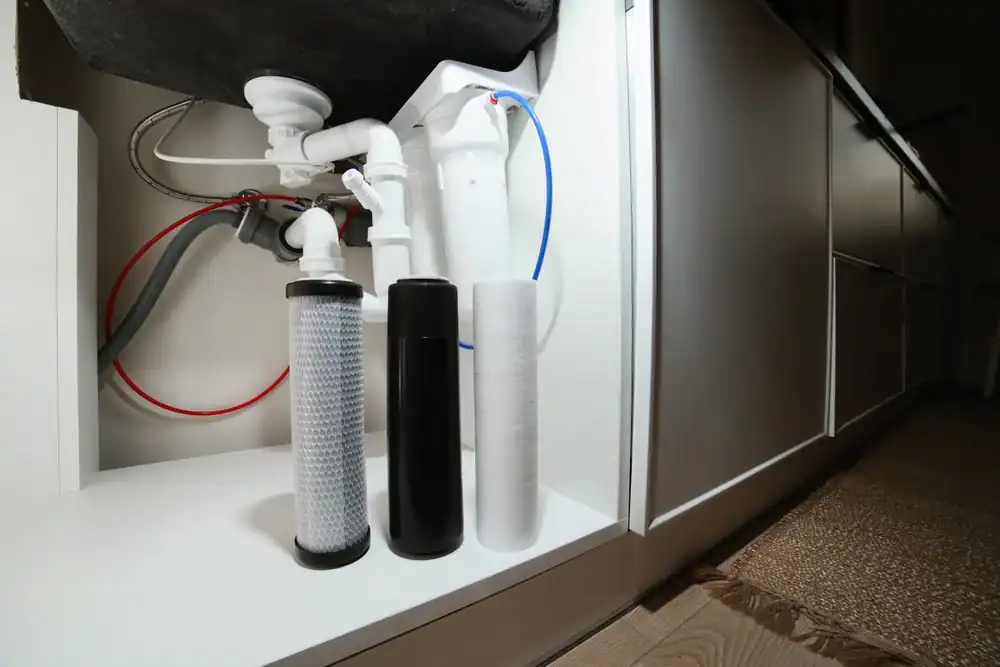
Iron removal systems use oxidation to convert dissolved iron into solid particles, then filter those particles out before they reach your faucets. Some systems use air injection, others use chemical oxidizers like hydrogen peroxide. The right approach depends on how much iron is in your water and whether you’ve also got sulfur or bacteria. That’s why we test first—so we’re treating the actual problem, not guessing.
It depends entirely on what’s in your water and what size system your household needs. A basic iron removal setup is different from a multi-stage system that handles iron, sulfur, and bacteria. Water usage matters too—a house with four people uses water differently than a house with two.
That said, the cost of not fixing the problem is usually higher. Replacing a water heater that’s been destroyed by iron bacteria costs thousands. Same with a washing machine, dishwasher, or corroded plumbing. Stained fixtures and ruined laundry add up fast. Most homeowners who wait end up paying more in damage than they would’ve spent on a filtration system.
We offer free water testing and free quotes based on your actual water quality and household needs. We’re not going to sell you a bigger system than you need, and we’re not going to install something that won’t work. We also offer a $500 discount for military members and first responders. The goal is to fix the problem correctly the first time so you’re not calling us back in six months.
The Florida Department of Health recommends testing your well water at least once a year for bacteria and nitrates. If you’ve got a private well, nobody else is monitoring your water quality—that’s on you.
You should also test any time you notice a change. New smells, discoloration, staining, or changes in taste all mean something shifted in your water. It could be seasonal—heavy rains can push contaminants into your aquifer. It could be a problem with your well casing or pump. Either way, testing tells you what’s happening so you can fix it before it damages your plumbing or makes someone sick.
We offer free in-home water testing that goes beyond the basics. We test for iron, sulfur, bacteria, pH, hardness, and nitrates. You get a full breakdown of what’s in your water and what it means for your household. If treatment is needed, we’ll recommend a system based on your results—not based on what we have in stock. If your water is fine, we’ll tell you that too.
It depends on the type of system, but most modern well water filtration systems are low-maintenance by design. Air injection oxidation systems, for example, are chemical-free and mostly automated. You’re not adding anything or adjusting anything regularly. Hydrogen peroxide systems need occasional refills, but that’s usually a few times a year depending on your water usage.
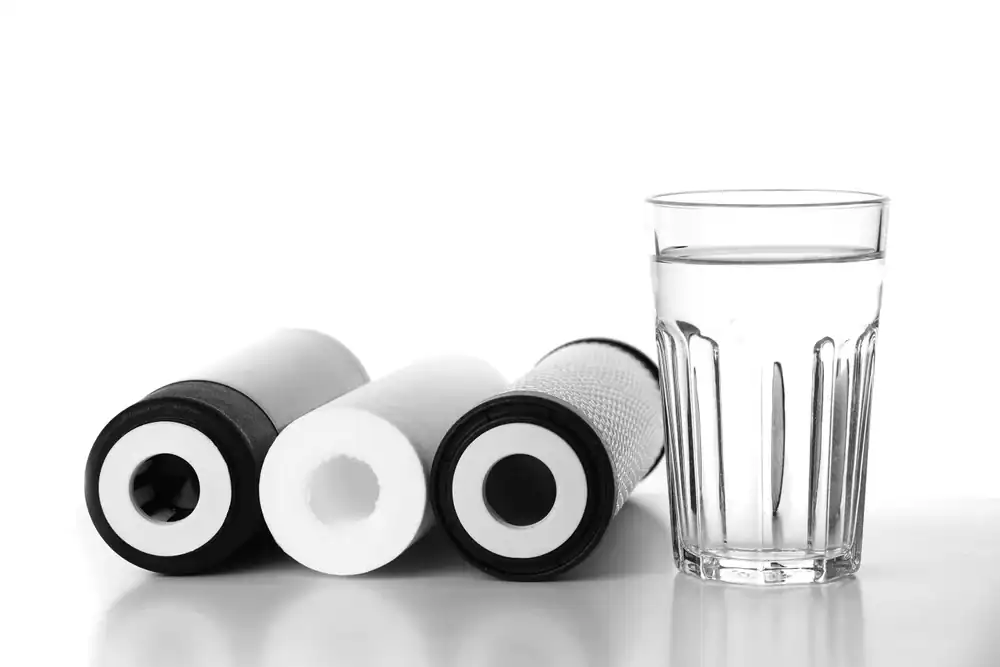
Filter cartridges need to be changed periodically—usually every six to twelve months, depending on your water quality and how much water you use. Sediment filters catch the particles that have been oxidized and removed from your water, so they do eventually clog. Changing them is straightforward, and we can handle it during routine service visits if you’d rather not deal with it.
The key is working with a company that actually services what they install. A lot of the national companies sell systems and disappear. If something goes wrong or needs adjusting, you’re on your own. We stay in touch with our customers and handle maintenance, repairs, and adjustments long-term. That’s part of why our BBB rating is spotless—we don’t just sell and run.
Please provide your email address so that we can stay in touch and answer any questions you have! We will be reaching back out shortly.
"*" indicates required fields